Internal Medicine
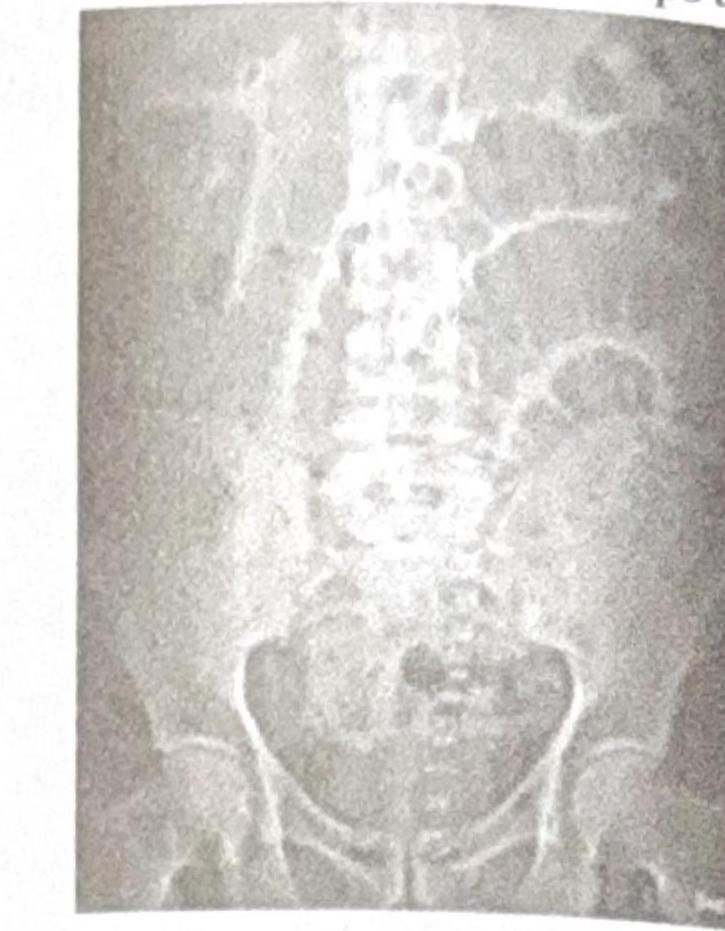
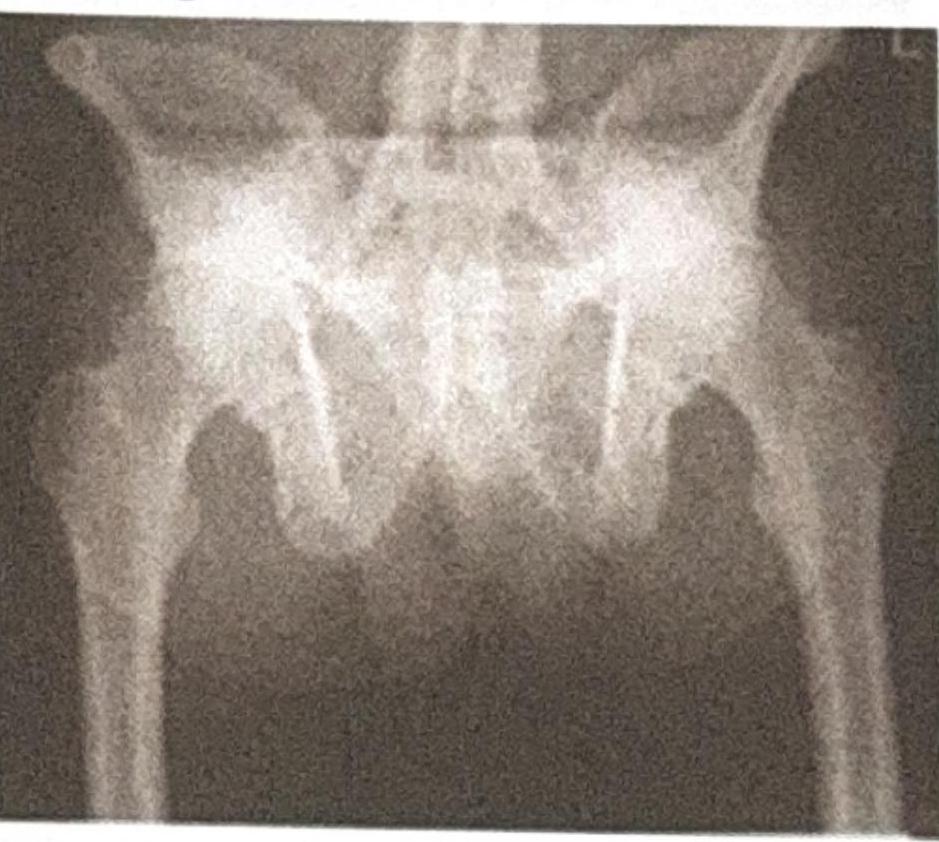
1 questionsA 50-year-old male presents with backache, morning stiffness, red eye, and ankle swelling. Based on the X-ray provided, what is the most likely diagnosis?

NEET-PG 2021 - Internal Medicine NEET-PG Practice Questions and MCQs
Question 171: A 50-year-old male presents with backache, morning stiffness, red eye, and ankle swelling. Based on the X-ray provided, what is the most likely diagnosis?
- A. Paget's Disease
- B. Healed TB spine
- C. Osteopetrosis
- D. Ankylosing Spondylitis (Correct Answer)
Explanation: ***Ankylosing Spondylitis*** - The X-ray likely shows features of **sacroiliitis** (joint space narrowing, sclerosis, erosion) and possibly **vertebral fusion**, consistent with ankylosing spondylitis. The clinical presentation of **backache, morning stiffness, red eye (uveitis), and ankle swelling (enthesitis)** are classic extra-articular manifestations and peripheral arthritis of ankylosing spondylitis. - X-ray findings like **bamboo spine** (late stage), syndesmophytes, and erosions of the sacroiliac joints are characteristic of this seronegative spondyloarthropathy. *Paget's Disease* - Paget's disease is characterized by disorganized bone remodeling, leading to bone enlargement, deformity, and increased density or lysis. It typically does not present with **sacroiliitis** or widespread **ankylosis**. - Clinical features usually include **bone pain**, **bone deformities**, and potentially **nerve compression**, which are not the primary symptoms described. *Healed TB spine* - Healed TB spine (Pott's disease) would typically show bone destruction, collapse of vertebral bodies, **kyphosis**, and often calcified abscesses. - While backache can occur, the presence of **red eye** and **ankle swelling** are not characteristic of spinal tuberculosis. *Osteopetrosis* - Osteopetrosis is a rare genetic disorder characterized by **increased bone density** due to defective osteoclast function, leading to abnormally thick and brittle bones. - The X-ray would show **generalized sclerosis** (diffuse increased bone density) throughout the skeleton, which is not the primary finding indicated by the clinical context of sacroiliitis and joint fusion.
OB/GYN
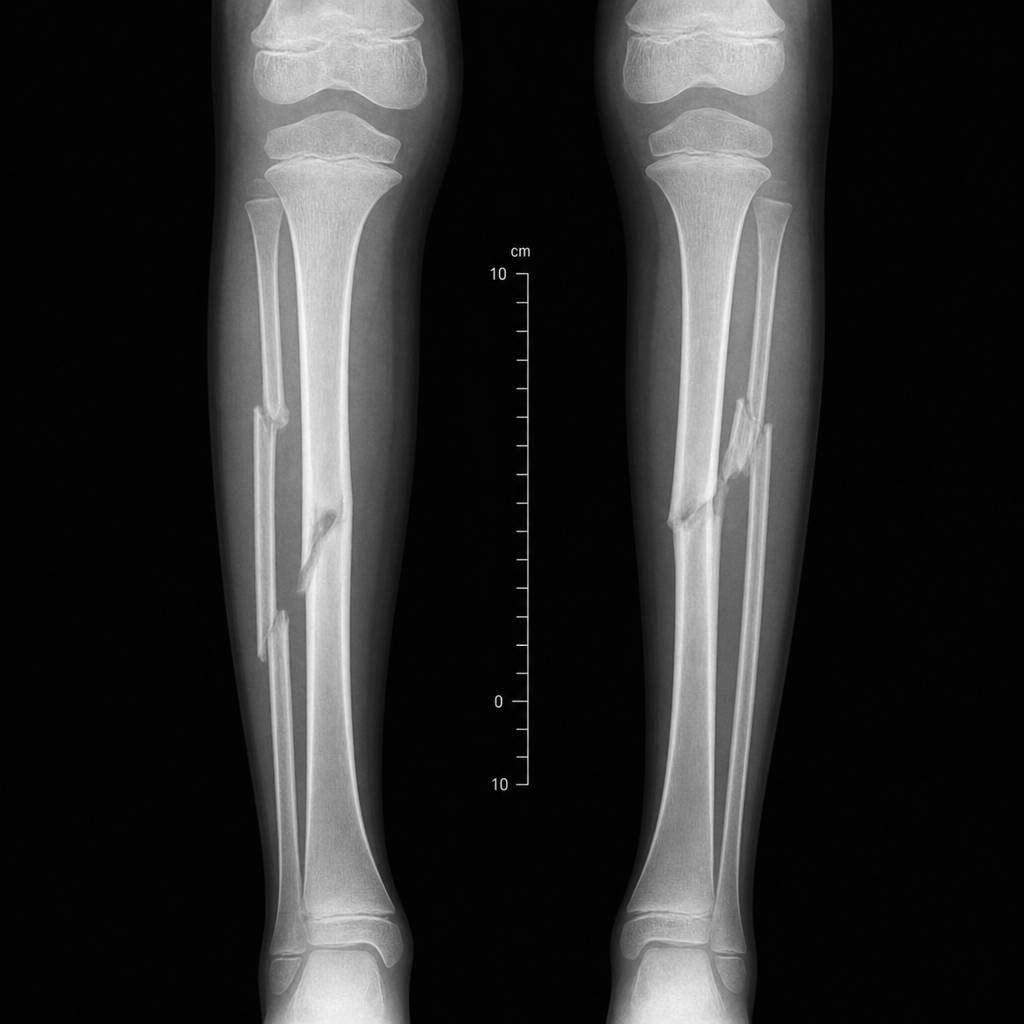
1 questionsA mother brings her daughter with short stature, webbed neck, and other physical features. What is the most likely finding on ultrasound?
NEET-PG 2021 - OB/GYN NEET-PG Practice Questions and MCQs
Question 171: A mother brings her daughter with short stature, webbed neck, and other physical features. What is the most likely finding on ultrasound?
- A. Hepatomegaly with altered echotexture
- B. Echo showing tricuspid stenosis
- C. Streak ovaries with small uterus (Correct Answer)
- D. Single kidney
Explanation: ***Streak ovaries with small uterus*** - The constellation of **short stature** and **webbed neck** is highly suggestive of **Turner syndrome (45,X0)**. - A characteristic feature of Turner syndrome is **gonadal dysgenesis**, which manifests as **streak ovaries** and a **small uterus** due to the absence of normal ovarian development. *Hepatomegaly with altered echotexture* - This finding is more indicative of **liver disease** or metabolic disorders, which are not primary features of Turner syndrome. - While Turner syndrome can be associated with various health issues, **hepatomegaly** is not a common or defining ultrasonographic finding. *Echo showing tricuspid stenosis* - **Cardiac abnormalities** are common in Turner syndrome, but the most frequent ones are **bicuspid aortic valve** and **coarctation of the aorta**, not typically **tricuspid stenosis**. - **Tricuspid stenosis** is a rare congenital heart defect and not specifically associated with Turner syndrome. *Single kidney* - **Renal anomalies**, such as a **horseshoe kidney** or **renal agenesis**, can occur in Turner syndrome. - However, the description of **single kidney** is less specific than **streak ovaries** in identifying the most likely finding given the presented clinical features of short stature and webbed neck.
Obstetrics and Gynecology
1 questionsA patient with infertility has an ultrasound (USG) suggestive of a uterine anomaly. Which of the following is the best method to confirm the diagnosis?
NEET-PG 2021 - Obstetrics and Gynecology NEET-PG Practice Questions and MCQs
Question 171: A patient with infertility has an ultrasound (USG) suggestive of a uterine anomaly. Which of the following is the best method to confirm the diagnosis?
- A. Hysterosalpingography (HSG)
- B. Transvaginal Sonography (TVS)
- C. Hysteroscopy + Laparoscopy (Correct Answer)
- D. Laparoscopy
Explanation: ***Hysteroscopy + Laparoscopy*** - This combination allows for a comprehensive evaluation: **hysteroscopy** visualizes the uterine cavity to confirm the type of anomaly (e.g., septum), while **laparoscopy** assesses the external uterine contour and overall pelvic anatomy. - It is considered the **gold standard** for diagnosing complex uterine anomalies as it provides the most detailed information for both diagnosis and surgical planning. *Hysterosalpingography (HSG)* - HSG can delineate the **uterine cavity morphology** and patency of fallopian tubes. - However, it is an **X-ray based test** and does not provide information about the external contour of the uterus, which is crucial for differentiating anomalies like a bicornuate from a septate uterus. *Transvaginal Sonography (TVS)* - While TVS is an excellent initial screening tool and can suggest a uterine anomaly, it often **lacks the definitive resolution** to precisely classify the anomaly, especially differentiating between septate and bicornuate uteri. - Its accuracy can be **operator-dependent** and limited in visualizing the external uterine contour. *Laparoscopy* - Laparoscopy alone provides an excellent view of the **external uterine contour** and pelvic organs. - However, it **does not visualize the internal uterine cavity**, which is essential for identifying and classifying anomalies such as a uterine septum.
Orthopaedics
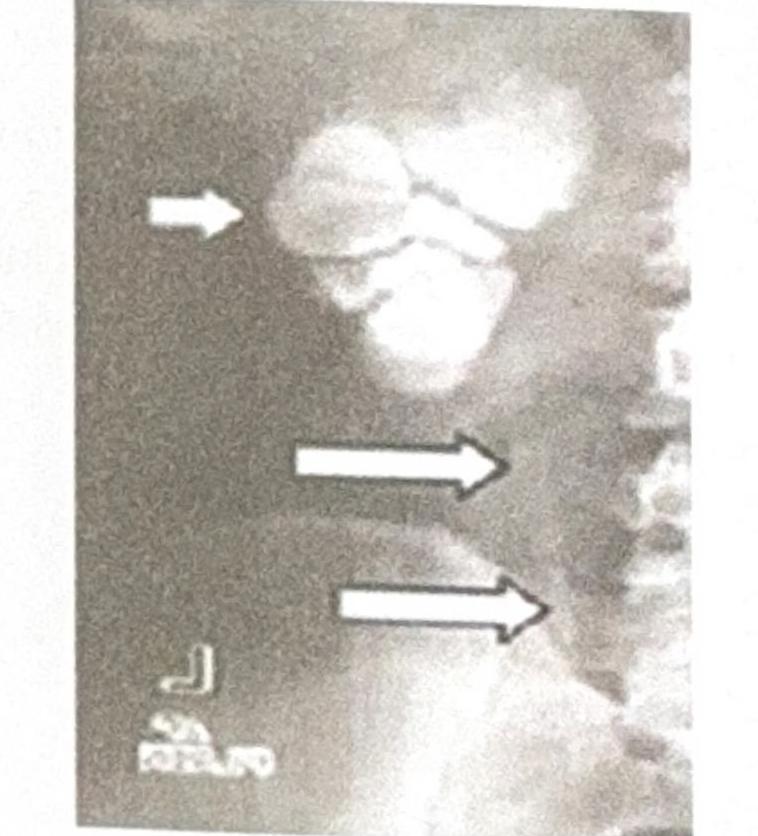
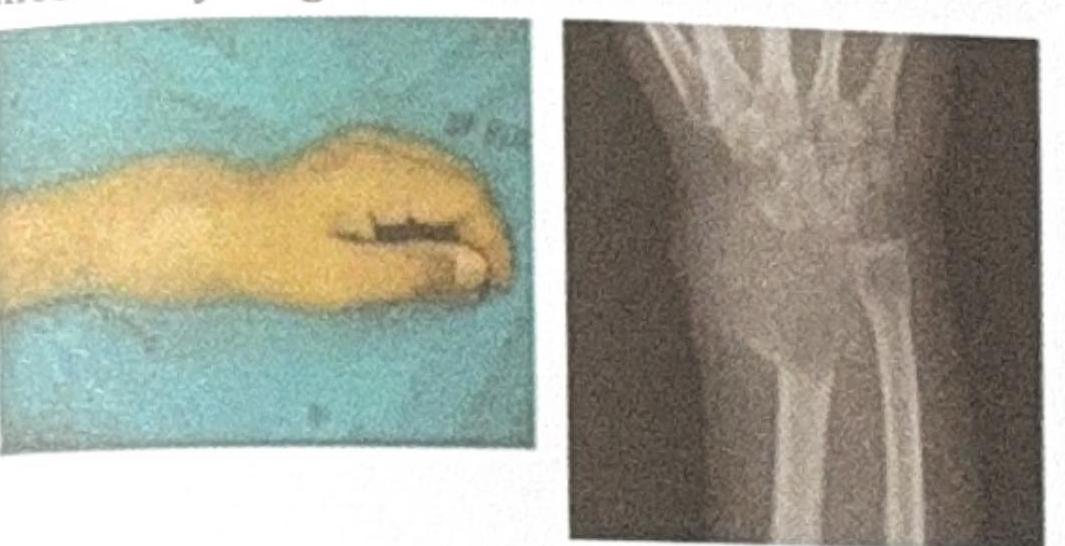
1 questionsThe image shows a wrist deformity and an X-ray of a bone lesion near the distal radius. Based on the clinical and radiological features, what is the most likely diagnosis?

NEET-PG 2021 - Orthopaedics NEET-PG Practice Questions and MCQs
Question 171: The image shows a wrist deformity and an X-ray of a bone lesion near the distal radius. Based on the clinical and radiological features, what is the most likely diagnosis?
- A. Ewings Sarcoma
- B. Osteochondroma
- C. Giant Cell Tumor (GCT) (Correct Answer)
- D. Osteoid Osteoma
Explanation: ***Giant Cell Tumor (GCT)*** * The image shows a **lytic (lucid) lesion** located in the **epiphysis/metaphysis of the distal radius**, which is a classic presentation site for GCT. * GCTs are typically seen in individuals aged 20-40, often present with **pain, swelling, and reduced range of motion**, and can show a **soap bubble appearance** on X-ray even with cortical erosion as seen in the image. *Ewing's Sarcoma* * Ewing's Sarcoma commonly affects the **diaphysis of long bones** and may present with an **onion skin periosteal reaction**, none of which are clearly depicted. * It primarily affects children and young adults (5-20 years old), which does not align with the assumed adult presentation given the fused epiphysis. *Osteochondroma* * Osteochondromas are **bony prominences covered by cartilage** and grow **outward from the bone surface**, often away from the joint, unlike the intraosseous lytic lesion seen. * They typically appear as **pedunculated or sessile exostoses** and are benign growth plate abnormalities, not lytic lesions of the marrow cavity. *Osteoid Osteoma* * Osteoid osteomas are characterized by a **small lucent nidus** (usually <1.5 cm) surrounded by a significant margin of **sclerotic bone**, which is not seen here. * They classically cause **nocturnal pain** relieved by NSAIDs and are typically smaller than the lesion depicted, which appears expansile.
Pediatrics
1 questionsA baby was playing unattended and suddenly developed respiratory distress. Based on the X-ray provided, where is the foreign object most likely located?

NEET-PG 2021 - Pediatrics NEET-PG Practice Questions and MCQs
Question 171: A baby was playing unattended and suddenly developed respiratory distress. Based on the X-ray provided, where is the foreign object most likely located?
- A. Trachea
- B. Gastrointestinal tract
- C. Esophagus (Correct Answer)
- D. Below diaphragm
- E. Right main bronchus
Explanation: ***Esophagus*** - The frontal X-ray shows a **coin-shaped foreign body** that is oriented in the **coronal plane** (flat face visible), which is characteristic of an object lodged in the esophagus. - The foreign body is located in the **upper mediastinum**, directly in the known anatomical path of the esophagus, causing respiratory distress due to **extrinsic compression** of the trachea or aspiration. *Trachea* - Foreign bodies in the trachea, especially flat objects like coins, typically orient themselves in the **sagittal plane** (on edge) due to the C-shaped cartilaginous rings. - While tracheal foreign bodies can cause respiratory distress, the orientation on the image is inconsistent with a tracheal location. *Right main bronchus* - The **right main bronchus** is the most common site for aspirated foreign bodies in children due to its wider diameter and more vertical orientation. - However, foreign bodies in the bronchus would typically show air trapping or atelectasis on chest X-ray, and the location and orientation of this object in the upper mediastinum are not consistent with bronchial placement. *Gastrointestinal tract* - The foreign body is located in the **chest cavity**, well above the stomach and intestines. - If a foreign body reaches the gastrointestinal tract, it would typically be beyond the esophagus and would not usually cause acute respiratory distress. *Below diaphragm* - The diaphragm separates the chest cavity from the abdominal cavity. The foreign body is clearly visible within the **chest cavity**, high up in the mediastinum. - A foreign body below the diaphragm in the gastrointestinal tract would not result in the appearance or the acute respiratory distress described without other symptoms.
Radiology
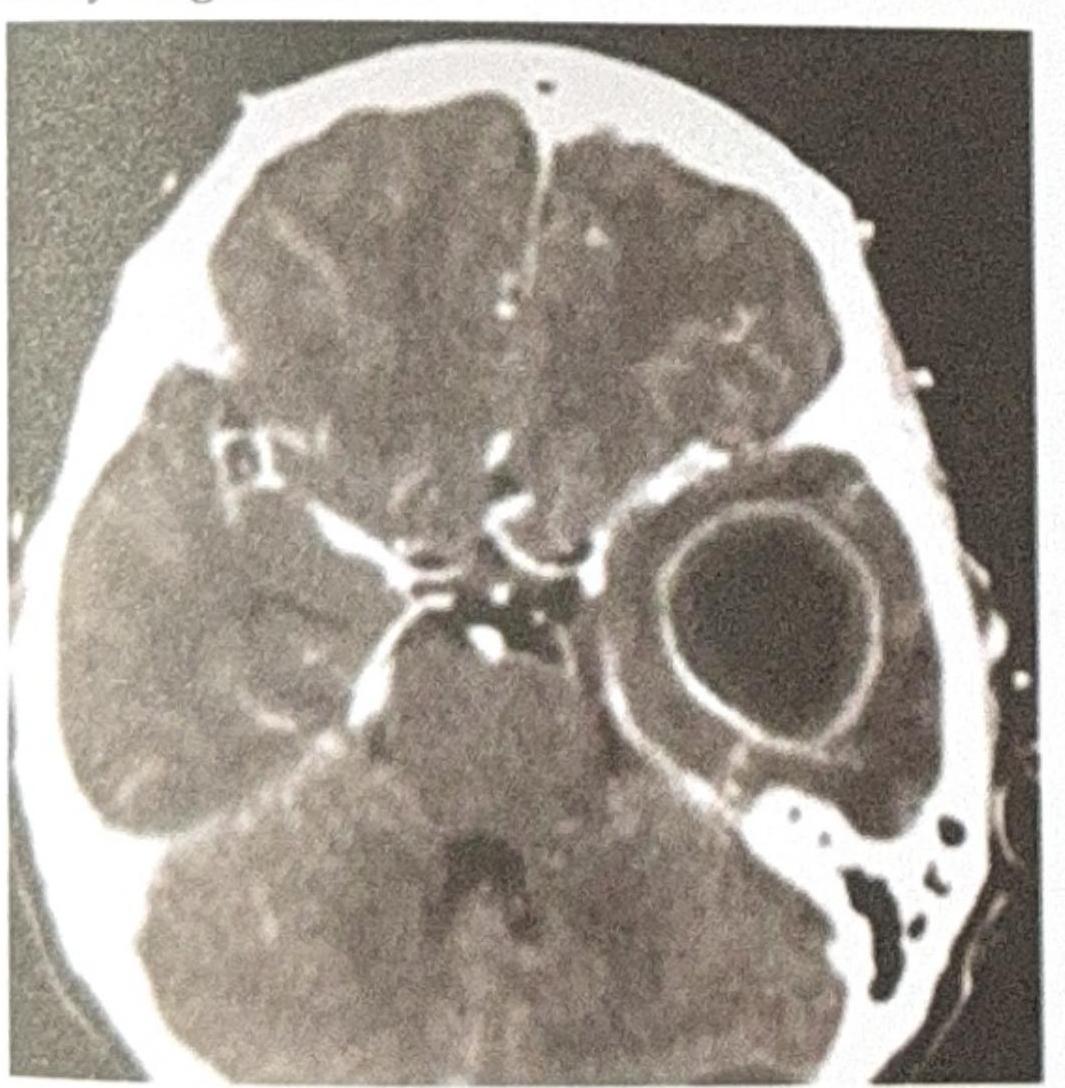
1 questionsA patient presents with ear discharge. The CT image is shown below. Based on the clinical presentation and imaging, what is the most likely diagnosis?
NEET-PG 2021 - Radiology NEET-PG Practice Questions and MCQs
Question 171: A patient presents with ear discharge. The CT image is shown below. Based on the clinical presentation and imaging, what is the most likely diagnosis?
- A. Temporal lobe abscess (Correct Answer)
- B. Extradural abscess
- C. Cerebellar abscess
- D. Meningitis
Explanation: ***Temporal lobe abscess*** - The CT scan shows a **ring-enhancing lesion** in the **temporal lobe**, which is characteristic of a brain abscess. - **Ear discharge** (otorrhea), particularly from otitis media, is a common predisposing factor for temporal lobe abscesses due to the proximity of the middle ear and mastoid to the temporal lobe. - Otogenic brain abscesses account for a significant proportion of intracranial complications from ear infections, with the temporal lobe being the most common location. *Extradural abscess* - An **extradural abscess** would typically be located between the dura mater and the skull, often presenting as a **lenticular or biconvex collection** displacing the dura and brain, not within the brain parenchyma as seen here. - While ear infections can lead to extradural abscesses, the imaging clearly shows an intraparenchymal lesion. *Cerebellar abscess* - A **cerebellar abscess** would be located in the cerebellum (posterior fossa), which is a different anatomical location from the lesion seen in the image (which is in the supratentorial compartment, consistent with the temporal lobe). - Although ear infections can also lead to cerebellar abscesses, the lesion's position on the CT scan does not correspond to the cerebellum. *Meningitis* - **Meningitis** is an inflammation of the meninges and typically manifests on CT as **leptomeningeal enhancement**, particularly in the sulci and basal cisterns, rather than a discrete, encapsulated mass lesion like an abscess. - While ear discharge can be associated with meningitis, the imaging findings strongly point to an abscess, not diffuse meningeal inflammation.