Question 11: Which of the following is most likely to be acquired by traumatic inoculation?
- A. Coccidioides immitis
- B. Sporothrix schenckii (Correct Answer)
- C. Histoplasma capsulatum
- D. Aspergillus fumigatus
Explanation: ***Sporothrix schenckii***
- **Sporothrix schenckii** causes **sporotrichosis** (rose gardener's disease), which is classically acquired through **traumatic inoculation** via thorns, splinters, or plant material contaminated with the fungus.
- This dimorphic fungus exists in soil and vegetation, and the mode of transmission is characteristically associated with **gardeners, farmers, and florists** who experience penetrating injuries during their work.
- Presents as lymphocutaneous infection with nodular lesions along lymphatic channels.
*Histoplasma capsulatum*
- Causes histoplasmosis and is endemic to certain regions (Ohio and Mississippi River valleys).
- Primarily acquired through **inhalation of microconidia** from soil contaminated with bird or bat droppings, not through traumatic inoculation.
- Presents as pulmonary infection in most cases.
*Coccidioides immitis*
- Causes coccidioidomycosis (Valley Fever) and is found in arid regions of southwestern United States.
- Acquired through **inhalation of airborne arthroconidia** from disturbed soil, not through traumatic inoculation.
- While rare cases of primary cutaneous infection can occur, inhalation remains the typical route.
*Aspergillus fumigatus*
- Ubiquitous environmental mold associated with decaying organic matter.
- Primarily causes disease through **inhalation of conidia**, leading to allergic reactions, aspergilloma, or invasive aspergillosis in immunocompromised patients.
- Not typically associated with traumatic inoculation as the primary mode of infection.
Question 12: Which of the following doesn't cause urethritis in males?
- A. H. Ducreyi (Correct Answer)
- B. Trichomonas vaginalis
- C. Chlamydia trachomatis
- D. N. gonorrhoeae
Explanation: ***H. Ducreyi***
- *Haemophilus ducreyi* is the causative agent of **chancroid**, a sexually transmitted infection characterized by painful **genital ulcers** and **lymphadenopathy**.
- It does not primarily cause **urethritis**, which is inflammation of the urethra.
*Trichomonas vaginalis*
- **Trichomonas vaginalis** is a protozoan parasite that commonly causes **trichomoniasis**, a sexually transmitted infection.
- In males, it can lead to **urethritis** with symptoms such as dysuria and urethral discharge.
*Chlamydia trachomatis*
- **Chlamydia trachomatis** is a very common bacterial cause of **urethritis** in males, often presenting with a **mucopurulent discharge** and dysuria.
- It is frequently asymptomatic, making it a significant cause of undiagnosed sexually transmitted infections.
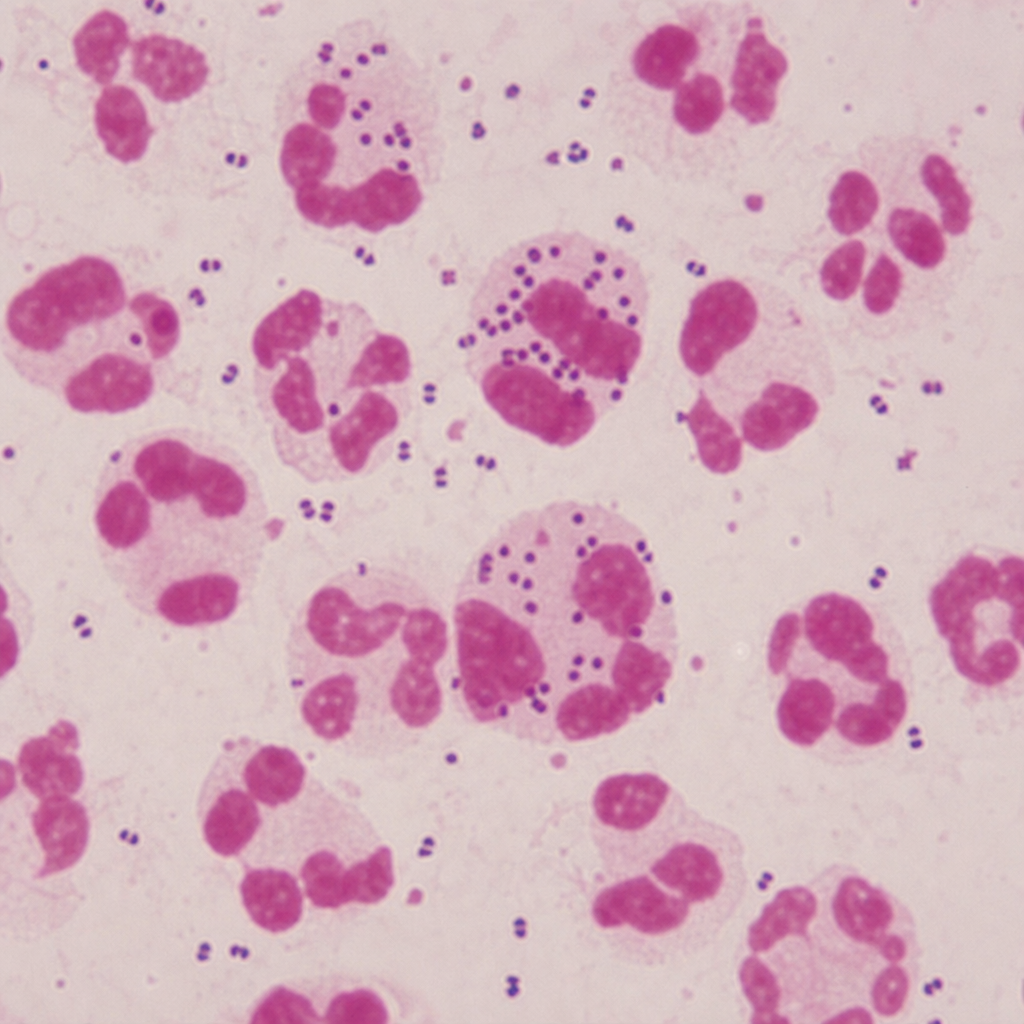
*N. gonorrhoeae*
- **Neisseria gonorrhoeae** is the bacterium responsible for **gonorrhea**, a well-known cause of **purulent urethritis** in males.
- Symptoms typically include a profuse, **purulent urethral discharge** and painful urination.