Internal Medicine
1 questionsWhich of the following will best describe this patient?

NEET-PG 2018 - Internal Medicine NEET-PG Practice Questions and MCQs
Question 321: Which of the following will best describe this patient?
- A. Fever, weight loss, night sweats and elevated ESR (Correct Answer)
- B. Rusty sputum with gram positive diplococci
- C. Acute dyspnea, elevated JVP and long history of air travel
- D. Acute dyspnea, pink frothy sputum and mid-diastolic rumble
Explanation: ***Fever, weight loss, night sweats and elevated ESR*** - The CT scan shows numerous **small, diffuse nodules** throughout both lung fields, consistent with **miliary tuberculosis (TB)**. - The systemic symptoms of **fever, weight loss, night sweats**, and an **elevated ESR** are classic constitutional symptoms of disseminated TB. *Rusty sputum with gram positive diplococci* - This description is characteristic of **Streptococcus pneumoniae (pneumococcal pneumonia)**. - Pneumococcal pneumonia typically presents with lobar consolidation on imaging, not diffuse miliary nodules. *Acute dyspnea, elevated JVP and long history of air travel* - This constellation of symptoms (acute dyspnea, elevated JVP) and risk factor (long history of air travel) strongly suggests **pulmonary embolism (PE)**. - Imaging findings for PE would typically include a filling defect in the pulmonary arteries, rather than diffuse nodularity. *Acute dyspnea, pink frothy sputum and mid-diastolic rumble* - These symptoms point towards **left-sided heart failure (acute pulmonary edema)**, often associated with **mitral stenosis** (suggested by the mid-diastolic rumble). - Pulmonary edema on CT would show ground-glass opacities, septal thickening, and pleural effusions, not diffuse nodular infiltrates.
Microbiology
4 questionsWhich of the following is responsible for the abnormality shown below?

The following organism is called:

Which of the following life cycle is shown below?

Which of the following life cycle is shown below?

NEET-PG 2018 - Microbiology NEET-PG Practice Questions and MCQs
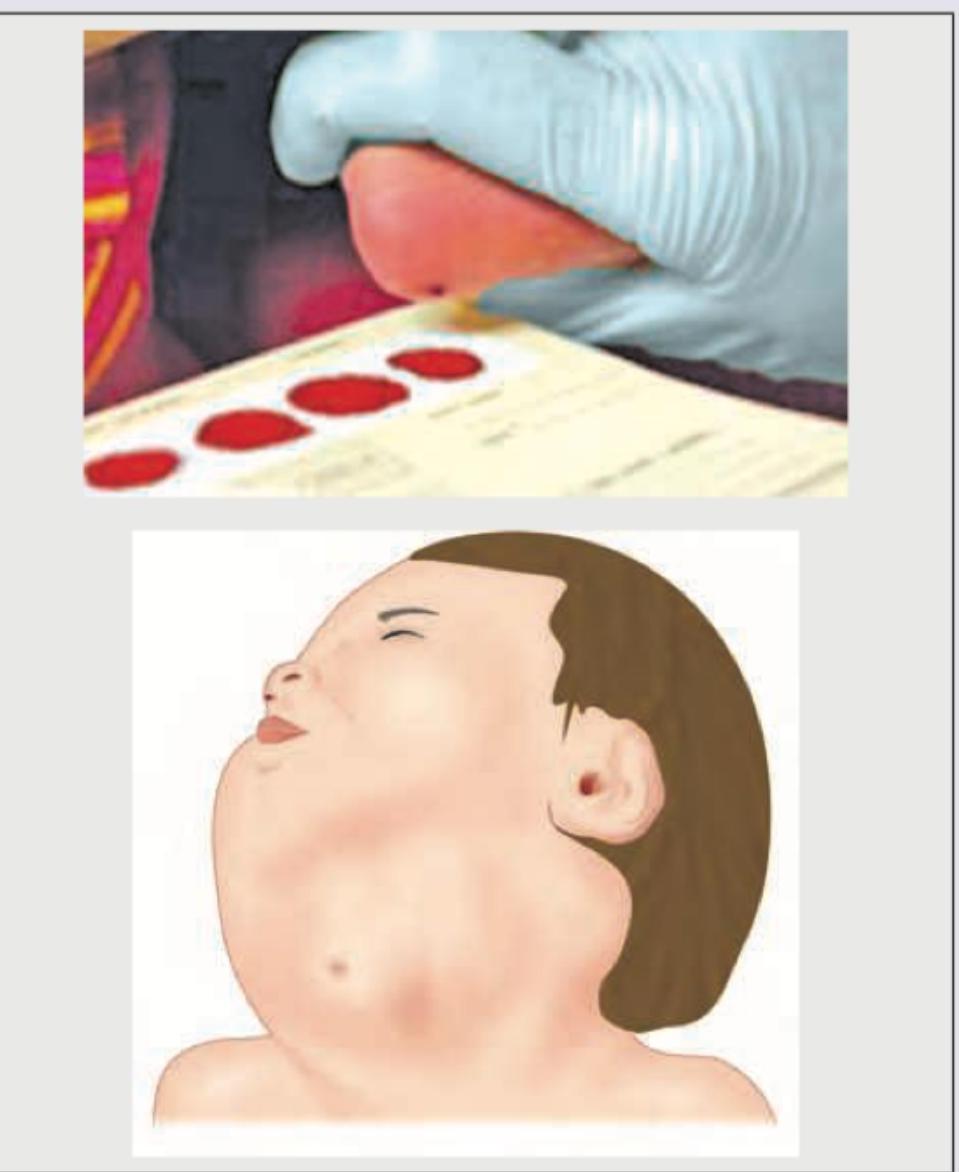
Question 321: Which of the following is responsible for the abnormality shown below?
- A. Zika virus (Correct Answer)
- B. Human parvovirus B19
- C. HHV6
- D. EBV
Explanation: ***Zika virus*** - The image depicts a newborn with **microcephaly**, characterized by a significantly smaller head circumference than expected, which is a hallmark congenital abnormality associated with **Zika virus infection** during pregnancy. - Zika virus is a **teratogen** that primarily targets neural progenitor cells, leading to severe brain malformations and microcephaly in developing fetuses. *Human parvovirus B19* - This virus is known to cause **erythema infectiosum** (fifth disease) in children and can lead to **hydrops fetalis**, severe anemia, and cardiac failure in fetuses if transmitted during pregnancy. - It does not typically cause microcephaly as its primary congenital manifestation. *HHV6* - Human Herpesvirus 6 (HHV6) is the causative agent of **roseola infantum** (exanthem subitum) in young children. - While it can cause febrile seizures and encephalitis, it is not primarily associated with congenital microcephaly or other severe birth defects when acquired prenatally. *EBV* - Epstein-Barr virus (EBV) is responsible for **infectious mononucleosis** and is linked to various malignancies. - Congenital EBV infection is rare and has been associated with a range of non-specific outcomes, but it is not a recognized cause of microcephaly.
Question 322: The following organism is called:
- A. Cestode (Correct Answer)
- B. Nematode
- C. Trematode
- D. Annelid
Explanation: ***Cestode*** - The image displays a long, **segmented, ribbon-like worm**, which is characteristic morphology of a **tapeworm (cestode)**. - Cestodes typically possess a head (scolex) for attachment and a body composed of repeating segments called **proglottids**. *Nematode* - **Nematodes** are generally **unsegmented**, cylindrical, and elongated worms, often described as roundworms. - They lack the distinct proglottids and flattened, ribbon-like appearance seen in the image. *Trematode* - **Trematodes**, also known as flukes, are typically **leaf-shaped** and **unsegmented**. - They are much broader and flatter than the organism shown, and do not have the visible segmentation. *Annelid* - **Annelids** are segmented worms like earthworms and leeches, but they have a **cylindrical body** with visible external ring-like segments. - Unlike cestodes, annelids have a complete digestive system and lack the flat, ribbon-like morphology and internal proglottid structure characteristic of tapeworms.
Question 323: Which of the following life cycle is shown below?
- A. Echinococcus granulosus
- B. Taenia solium
- C. Clonorchis sinensis
- D. Diphyllobothrium latum (Correct Answer)
Explanation: ***Diphyllobothrium latum*** - The diagram clearly illustrates a life cycle involving **freshwater fish** as a second intermediate host, where **plerocercoid larvae** are found, and humans ingesting these fish. The presence of **procercoid** and **plerocercoid larvae** in the depicted stages is characteristic of *Diphyllobothrium latum*. - The description mentions that humans are infected by ingesting fish containing **plerocercoid larvae**, which become adults in the intestine and discharge eggs from **gravid proglottides**, which is consistent with the life cycle of the **fish tapeworm**. *Echinococcus granulosus* - This parasite's life cycle involves **dogs as definitive hosts** and **sheep or humans as intermediate hosts** developing **hydatid cysts**, which is distinctly different from the fish-involved cycle shown. - Infection occurs through ingestion of **eggs passed in dog feces**, and not through contaminated fish. *Taenia solium* - *Taenia solium* (pork tapeworm) involves **pigs as intermediate hosts** and humans as definitive hosts, or humans as intermediate hosts in the case of **cysticercosis**. - Its life cycle does not involve **fish** or the **plerocercoid/procercoid larval stages** as depicted. *Clonorchis sinensis* - While *Clonorchis sinensis* (Chinese liver fluke) also involves **freshwater fish** as an intermediate host, it is a **fluke, not a tapeworm**, and its larval stages are **cercariae** and **metacercariae**, not procercoid or plerocercoid larvae. - The adult worm primarily infects the **biliary ducts (liver)**, not maturing in the intestine with proglottids as shown for the tapeworm in the diagram.
Question 324: Which of the following life cycle is shown below?
- A. Diphylobothrium latum
- B. Echinococcus granulosus
- C. Clonorchiasis (Correct Answer)
- D. Tenia solium
Explanation: ***Clonorchiasis*** - The diagram displays metacercariae (infective stage) in freshwater fish being ingested by a human host, a defining characteristic of the Clonorchis sinensis life cycle. - The life cycle involves freshwater snails (first intermediate host) and freshwater fish (second intermediate host), which aligns with the image showing cercariae encysting in fish. *Diphylobothrium latum* - The infective stage for *Diphylobothrium latum* (fish tapeworm) is the **plerocercoid larva** in raw or undercooked freshwater fish, not metacercariae. - While it also involves freshwater fish, its larval forms and overall life cycle stages are distinct from what is depicted. *Echinococcus granulosus* - This parasite causes **hydatid disease** and has a life cycle involving canids (definitive host) and herbivores (intermediate host), with humans being accidental intermediate hosts. - The life cycle does not involve freshwater fish or metacercariae for human infection. *Tenia solium* - The human is the definitive host for **Taenia solium** (pork tapeworm), acquiring infection by ingesting undercooked pork containing **cysticerci**. - The intermediate host is pigs, and the life cycle does not involve freshwater fish or metacercariae.
Ophthalmology
1 questionsPatient with eye surgery done 2 days ago presents with pain and dimness of vision. Which of the following is not useful for management?
NEET-PG 2018 - Ophthalmology NEET-PG Practice Questions and MCQs
Question 321: Patient with eye surgery done 2 days ago presents with pain and dimness of vision. Which of the following is not useful for management?
- A. Intravenous antibiotics
- B. Intravitreal antibiotics
- C. Pars plana vitrectomy
- D. Topical antibiotics (Correct Answer)
Explanation: ***Topical antibiotics*** - This patient presents with symptoms suggestive of **post-surgical endophthalmitis** (pain and dimness of vision after eye surgery), which is a severe infection of the intraocular fluids (vitreous and/or aqueous humor). - Topical antibiotics typically do not achieve sufficient intraocular concentrations to effectively treat a deep-seated infection like endophthalmitis. *Intravenous antibiotics* - **Intravenous antibiotics** can provide systemic coverage and may reach the posterior segment of the eye, although their penetration into the vitreous can be limited. - They are often used as an adjunct to more direct routes of administration in severe endophthalmitis. *Intravitreal antibiotics* - **Intravitreal antibiotics** are injected directly into the vitreous cavity, providing high local concentrations of medication directly at the site of infection. - This is considered a cornerstone of endophthalmitis management due to its immediate and potent antimicrobial effect. *Pars plana vitrectomy* - **Pars plana vitrectomy** involves surgical removal of the infected vitreous, which reduces the bacterial load and inflammatory mediators, and allows for direct sampling for microbiology. - It is particularly indicated in cases of severe endophthalmitis or when there is poor response to antibiotics, often improving visual outcomes.
Pediatrics
1 questionsThe following cell type is seen in peripheral smear of a patient with membrane over the tonsils. All can be used in treatment except?

NEET-PG 2018 - Pediatrics NEET-PG Practice Questions and MCQs
Question 321: The following cell type is seen in peripheral smear of a patient with membrane over the tonsils. All can be used in treatment except?
- A. Acyclovir (Correct Answer)
- B. Prednisolone
- C. IVIG
- D. Acetaminophen
Explanation: ***Acyclovir*** - The image depicts an **atypical lymphocyte** (Downey cell), characteristic of **infectious mononucleosis**, commonly caused by the **Epstein-Barr virus (EBV)**. - Acyclovir is an **antiviral medication** primarily used for **herpes simplex virus (HSV)** and **varicella-zoster virus (VZV)** infections, and it is **not effective against EBV**. *Prednisolone* - **Corticosteroids** like prednisolone may be used in severe cases of infectious mononucleosis, especially when complications such as **airway obstruction** due to tonsillar hypertrophy, **hemolytic anemia**, or **thrombocytopenia** are present. - They help to **reduce inflammation** and suppress the immune response. *IVIG* - **Intravenous immunoglobulin (IVIG)** can be used in rare, severe, or complicated cases of infectious mononucleosis, particularly if there are significant **hematologic complications** (e.g., severe thrombocytopenia, severe hemolytic anemia) or in patients with **immunodeficiency**. - IVIG provides **passive immunity** and modulates the immune response. *Acetaminophen* - **Acetaminophen (paracetamol)** is a common **analgesic** and **antipyretic** used to manage symptomatic relief for fever, sore throat, and muscle aches associated with infectious mononucleosis. - It helps to **alleviate discomfort** and improve patient well-being during the acute phase of the illness.
Radiology
2 questionsThe following X-ray is used to evaluate \qquad sinus?

A radiographic projection with X-ray beam angled at 30 degrees to the radiographic plate, with the skull positioned laterally (as shown in the image), is used to visualize which of the following structures?

NEET-PG 2018 - Radiology NEET-PG Practice Questions and MCQs
Question 321: The following X-ray is used to evaluate \qquad sinus?
- A. Frontal
- B. Maxillary (Correct Answer)
- C. Ethmoidal
- D. Sphenoidal
Explanation: ***Maxillary*** - The image provided is a **Waters' view** (occipitomental view) X-ray of the paranasal sinuses, which is primarily used to visualize the **maxillary sinuses**. - In a Waters' view, the **petrous ridges** (dense bone at the base of the skull) are projected below the maxillary sinuses, allowing for a clear view of these sinuses. *Frontal* - While the **frontal sinuses** are visible in a Waters' view, they are generally better visualized in a **Caldwell view** (occipitofrontal view) or lateral view. - In this projection, their visualization can be obscured by other bony structures, and they are not the primary focus. *Ethmoidal* - The **ethmoidal sinuses** are typically comprised of multiple small air cells located between the orbits and are best seen on a **Caldwell view** or specialized oblique views. - In a Waters' view, their evaluation is limited due to superimposition of other facial bones. *Sphenoidal* - The **sphenoidal sinuses** are located deep within the skull, inferior to the sella turcica, and are quite difficult to visualize on standard plain radiographs like the Waters' view. - They are best assessed using a **lateral view of the skull** or advanced imaging like **CT scans**.
Question 322: A radiographic projection with X-ray beam angled at 30 degrees to the radiographic plate, with the skull positioned laterally (as shown in the image), is used to visualize which of the following structures?
- A. Sinus tympani (Correct Answer)
- B. Recess of fourth ventricle
- C. Round window
- D. Lateral ventricle
Explanation: ***Sinus tympani*** - The image shows a **radiographic projection** designed to visualize structures of the **temporal bone**. Specifically, an X-ray beam angled at 30 degrees to the radiographic plate, with the skull positioned laterally, is characteristic of specific views for the **middle ear structures**, such as the sinus tympani. - The **sinus tympani** is a small, deep recess in the posterior wall of the middle ear, and its detailed visualization often requires specialized **oblique radiographic projections**. *Recess of fourth ventricle* - The **fourth ventricle** is located within the brain stem, and its recesses are deep brain structures. - Visualization of the fourth ventricle and its recesses typically requires advanced imaging modalities like **CT or MRI**, not standard X-ray projections of the skull. *Round window* - The **round window** is a structure of the inner ear, specifically located at the cochlea. - While it is part of the temporal bone, standard skull X-rays are not optimal for its detailed visualization, and a specialized view for the **hypotympanum** would be needed to see it clearly, which is not depicted by this projection angle. *Lateral ventricle* - The **lateral ventricles** are located within the cerebral hemispheres of the brain. - Similar to the fourth ventricle, these structures are best visualized with **CT or MRI** and are not effectively seen with basic skull X-ray projections, especially not with an angled view designed for the temporal bone.
Surgery
1 questionsWhich is correct about the suture material shown in the image?

NEET-PG 2018 - Surgery NEET-PG Practice Questions and MCQs
Question 321: Which is correct about the suture material shown in the image?
- A. It is less reactive
- B. Derived from cat gut mucosa
- C. Absorbed by phagocytosis and enzymatic degradation (Correct Answer)
- D. Used for bowel anastomosis
Explanation: ***Absorbed by phagocytosis and enzymatic degradation*** - This description is characteristic of **natural absorbable sutures**, such as **catgut** (which appears to be depicted by the golden, multi-filament material with a needle). Catgut is absorbed by the body's enzymatic processes and macrophage activity. - This type of absorption is a key feature distinguishing natural absorbable sutures from synthetic ones (which are absorbed by hydrolysis) and non-absorbable sutures. *It is less reactive* - Natural absorbable sutures like catgut are generally associated with a **higher inflammatory reaction** in tissues compared to synthetic absorbable sutures due to their proteinacious nature. - The body's immune system recognizes these natural proteins, leading to a more pronounced foreign body response. *Derived from cat gut mucosa* - **Catgut sutures** are indeed derived from the sub-mucosal layer of the sheep or goat **intestine**, not the mucosa itself. - The term "catgut" is historical and misleading, as it is not derived from cats. *Used for bowel anastomosis* - While absorbable sutures are used for bowel anastomosis, the use of **plain catgut** (which the image suggests due to its color and appearance) is generally not preferred for critical anastomoses due to its variable and rapid absorption time, which can compromise wound strength before healing is complete. - **Chromic catgut** or synthetic absorbable sutures (like Vicryl or PDS) with more predictable absorption profiles are typically favored for bowel anastomoses.