General Medicine
2 questionsA 15-year-old boy presents with abdominal cramps and diarrhea for 8 weeks along with delayed puberty. Perianal examination reveals the following. What is the diagnosis? (NEET Pattern 2018)

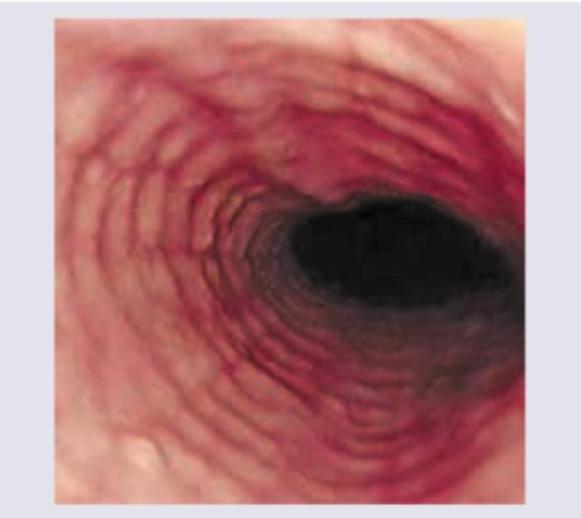
The given endoscopy of the patient shows? (NEET Pattern 2018)

NEET-PG 2018 - General Medicine NEET-PG Practice Questions and MCQs
Question 311: A 15-year-old boy presents with abdominal cramps and diarrhea for 8 weeks along with delayed puberty. Perianal examination reveals the following. What is the diagnosis? (NEET Pattern 2018)
- A. Celiac disease
- B. Crohn's disease (Correct Answer)
- C. Ulcerative colitis
- D. Irritable bowel syndrome
Explanation: ***Crohn's disease*** - The combination of **chronic abdominal cramps and diarrhea**, **delayed puberty**, and the presence of **perianal lesions** (like skin tags, fissures, or abscesses, as depicted) is highly indicative of Crohn's disease. - Delayed puberty suggests **malabsorption** and chronic inflammation, which are characteristic systemic effects of Crohn's disease, particularly when it affects the small bowel. *Celiac disease* - While celiac disease can cause **abdominal cramps**, **diarrhea**, and **growth delays** (potentially leading to delayed puberty due to malabsorption), it typically does **not present with perianal lesions**. - It is an **autoimmune response to gluten**, not an inflammatory bowel disease presenting with perianal manifestations. *Ulcerative colitis* - This condition is characterized by **colonic inflammation**, causing symptoms like **bloody diarrhea** and abdominal pain. - While it can manifest with some **extraintestinal symptoms**, **perianal disease** is rare and less severe compared to Crohn's disease, and delayed puberty is less commonly associated. *Irritable bowel syndrome* - IBS is a **functional gastrointestinal disorder** without underlying structural or biochemical abnormalities, presenting with abdominal pain and altered bowel habits. - It does **not cause perianal lesions**, malabsorption, or systemic complications like delayed puberty.
Question 312: The given endoscopy of the patient shows? (NEET Pattern 2018)
- A. Eosinophilic esophagitis (Correct Answer)
- B. Radiation esophagitis
- C. GERD
- D. Carcinoma esophagus
Explanation: **Eosinophilic esophagitis** - The endoscopic image displays prominent **concentric rings** (trachealization) and **linear furrows**, which are classic findings in eosinophilic esophagitis. - These features result from chronic inflammation and fibrosis caused by an allergic reaction leading to significant eosinophil infiltration in the esophageal wall. *Radiation esophagitis* - Endoscopic findings in radiation esophagitis typically include **erythema**, **edema**, **ulcerations**, or **strictures** in the irradiated field. - The characteristic ringed appearance seen in the image is not typical for radiation-induced injury. *GERD* - Endoscopic signs of GERD often include **erosions**, **ulcerations**, **strictures**, or **Barrett's esophagus**, usually in the distal esophagus. - While chronic GERD can cause inflammation, it typically does not produce the pronounced concentric rings and linear furrows characteristic of eosinophilic esophagitis. *Carcinoma esophagus* - Esophageal carcinoma typically presents with a **mass**, **ulceration**, **stricture**, or an **irregular, friable lesion**. - The image does not show any focal mass or destructive lesion suggestive of malignancy.
Pathology
1 questionsWhich is not a true statement about this anomaly of kidney?

NEET-PG 2018 - Pathology NEET-PG Practice Questions and MCQs
Question 311: Which is not a true statement about this anomaly of kidney?
- A. Fusion of lower poles of the kidneys
- B. Association with Turner syndrome
- C. No risk of Wilms tumor (Correct Answer)
- D. Renal function usually is normal
- E. Associated with increased risk of renal calculi
Explanation: ***No risk of Wilms tumor*** - Horseshoe kidney, the anomaly described, actually has an **increased risk of Wilms tumor**, not no risk. - The risk is about 2-8 times higher than in the general population. *Fusion of lower poles of the kidneys* - This is the **classic anatomical description** of a horseshoe kidney, where the lower poles are fused across the midline [1]. - The fusion typically occurs at the **isthmus**, which can be fibrous or parenchymatous. *Association with Turner syndrome* - Horseshoe kidney is indeed **commonly associated with Turner syndrome** (XO karyotype). - Approximately 15-20% of individuals with Turner syndrome have a horseshoe kidney. *Renal function usually is normal* - In most cases, the **renal function of a horseshoe kidney is normal** [1], provided there are no other associated anomalies or complications. - However, they are more prone to complications like **hydronephrosis**, **calculi**, and infections due to altered anatomy. **References:** [1] Cross SS. Underwood's Pathology: A Clinical Approach. 6th ed. Common Clinical Problems From Diseases Of The Urinary And Male Genital Tracts, pp. 545-546.
Pediatrics
1 questionsIn a neonate with the following findings, what is the likely etiology of hypothyroidism? (NEET Pattern 2018)

NEET-PG 2018 - Pediatrics NEET-PG Practice Questions and MCQs
Question 311: In a neonate with the following findings, what is the likely etiology of hypothyroidism? (NEET Pattern 2018)
- A. Chronic lymphocytic thyroiditis
- B. Thyroid dyshormonogenesis
- C. Thyroid dysgenesis (Correct Answer)
- D. None of above
Explanation: ***Thyroid dysgenesis*** - The image shows a neonate with **cretinism features** (e.g., puffy face, large tongue, umbilical hernia) and a **newborn screening card** being collected (heel prick blood spots). - **Thyroid dysgenesis** (aplasia, hypoplasia, or ectopic thyroid) is the most common cause of **congenital hypothyroidism**, accounting for about 85% of cases. *Chronic lymphocytic thyroiditis* - Also known as **Hashimoto's thyroiditis**, this is an **autoimmune condition** that primarily affects adults and older children, not typically neonates. - While it can lead to hypothyroidism, it is an **acquired** rather than a congenital cause. *Thyroid dyshormonogenesis* - This refers to genetic defects in the **synthesis of thyroid hormones** due to enzymatic deficiencies within a structurally normal thyroid gland. - While it is a **congenital cause** of hypothyroidism, it is less common than thyroid dysgenesis (accounting for about 10-15% of cases). *None of above* - This option is incorrect because **thyroid dysgenesis** is a highly likely etiology given the clinical presentation and context of newborn screening.
Radiology
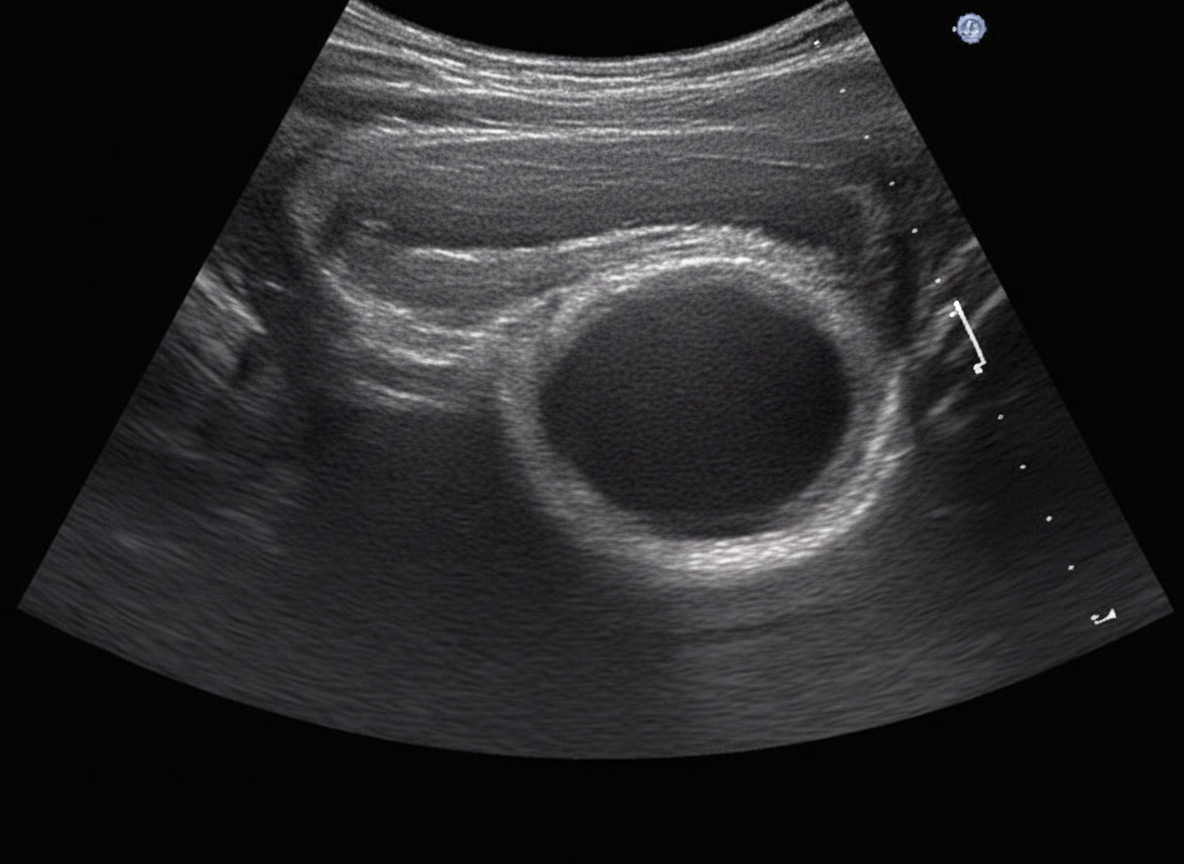
2 questionsThe ultrasound finding of a 7 -month-old child with abdominal pain and mass in the upper abdomen is shown below. What is the diagnosis? (NEET Pattern 2018)

The following image shows the presence of?

NEET-PG 2018 - Radiology NEET-PG Practice Questions and MCQs
Question 311: The ultrasound finding of a 7 -month-old child with abdominal pain and mass in the upper abdomen is shown below. What is the diagnosis? (NEET Pattern 2018)
- A. Intestinal volvulus
- B. Intussusception (Correct Answer)
- C. Pyloric stenosis
- D. None of above
Explanation: ***Intussusception*** - The ultrasound image clearly shows a "target sign" or "doughnut sign," which is pathognomonic for **intussusception**, where one segment of the intestine telescopes into another. - This condition commonly presents in infants (around 6-36 months) with **abdominal pain**, an abdominal mass, and sometimes **currant jelly stools**. *Intestinal volvulus* - **Intestinal volvulus** involves the twisting of the intestine around its mesentery, which would typically show a "whirlpool sign" on ultrasound due to twisted mesenteric vessels, not the "target sign." - It usually presents with sudden onset of severe abdominal pain, bilious vomiting, and signs of intestinal obstruction and ischemia. *Pyloric stenosis* - **Pyloric stenosis** is characterized by hypertrophy of the pyloric muscle, which would appear as an elongated, thickened pyloric canal on ultrasound with increased pyloric muscle thickness (>3mm) and length (>15mm). - Clinical presentation involves non-bilious projectile vomiting in infants, typically between 2 and 8 weeks of age, not at 7 months with an abdominal mass and the bowel-within-bowel appearance shown. *None of above* - The classic ultrasound findings and clinical presentation strongly point to intussusception, making this option incorrect.
Question 312: The following image shows the presence of?
- A. Bladder stone (Correct Answer)
- B. Ureter stone
- C. Urethral stone
- D. Prostate calcification
Explanation: ***Bladder stone*** - The image displays multiple **radiopaque densities** (stones) clustered within the pelvic cavity, specifically in the region where the urinary bladder is anatomically located. - The aggregation and rounded shapes are characteristic of **vesical calculi** (bladder stones). *Ureter stone* - **Ureteral stones** would typically appear as a single or a few stones following the course of the ureters, which are tubular structures extending from the kidneys to the bladder. - The diffuse, multi-focal collection seen in the image is not consistent with the typical presentation of a ureteric calculus. *Urethral stone* - A **urethral stone** would be located within the urethra, which is inferior to the bladder and would typically present as a single, elongated calculus in the distal urinary tract. - The location and multiple, scattered appearance in the image do not match a urethral stone. *Prostate calcification* - **Prostatic calcifications** are usually smaller, often punctate, and concentrated within the confines of the prostatic gland, typically inferior to the bladder neck. - The calcifications in the image are larger and more widely distributed, not confined to the typical anatomical borders of the prostate.
Surgery
4 questionsDuring evaluation of a child with recurrent UTI, VCUG is performed and the following finding is observed. What is the diagnosis?

What does the following image show?

A patient with obstructive jaundice has the following imaging findings suggestive of pancreatic cancer. Which is the most appropriate method for obtaining tissue diagnosis?

Which retractor is shown in the image?

NEET-PG 2018 - Surgery NEET-PG Practice Questions and MCQs
Question 311: During evaluation of a child with recurrent UTI, VCUG is performed and the following finding is observed. What is the diagnosis?
- A. Ureterocele
- B. Ectopic ureter
- C. Hydronephrosis
- D. Posterior urethral valves (Correct Answer)
Explanation: ***Posterior urethral valves*** - The image shows a **dilated and elongated posterior urethra** which is characteristic of posterior urethral valves (PUV). Also evident is **trabeculation of the bladder wall** and significant **bilateral vesicoureteral reflux (VUR)**, with a dilated and tortuous left ureter. - PUV frequently cause **recurrent UTIs** in male infants and children due to urinary obstruction and stasis, leading to bladder and upper tract damage. *Ureterocele* - A ureterocele would appear as a **cystic dilation of the distal ureter** into the bladder, typically visualized as a lucent defect within the opaque bladder on VCUG. The image does not show this specific finding. - While it can cause obstruction and VUR, the obstruction pattern observed in the image (especially the posterior urethra) is not consistent with a ureterocele. *Ectopic ureter* - An ectopic ureter involves the ureter inserting into an abnormal location, such as the vagina, urethra, or seminal vesicle, often bypassing the bladder. This would lead to a more direct drainage outside the bladder or into another structure without the gross changes seen in the posterior urethra. - While an ectopic ureter can lead to reflux or obstruction affecting the kidney, the primary obstruction in the **posterior urethra** with characteristic valve morphology is absent with an ectopic ureter. *Hydronephrosis* - **Hydronephrosis** refers to the swelling of a kidney due to a backup of urine, often caused by an obstruction or VUR. While hydronephrosis is a *consequence* of conditions like PUV, it is not the *diagnosis* explaining the direct VCUG findings in the bladder and urethra. - The VCUG directly visualizes the obstruction in the posterior urethra and associated reflux/bladder changes, which are the primary diagnostic features, rather than just the renal swelling.
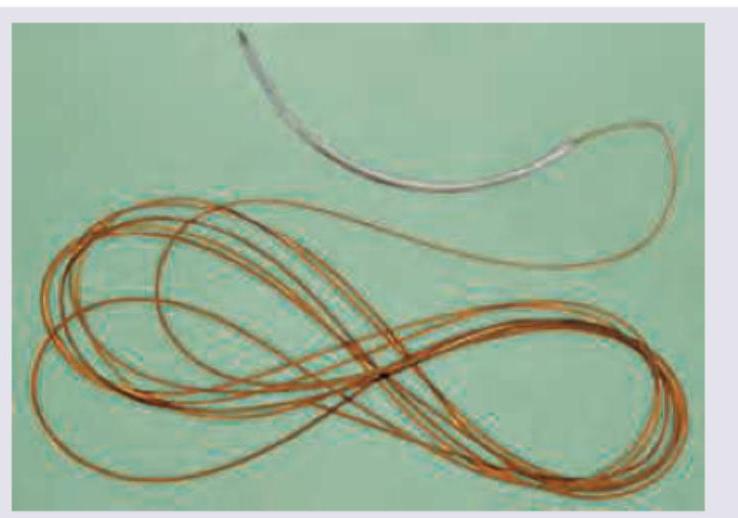
Question 312: What does the following image show?
- A. Stenting for bile duct obstruction
- B. Stenting for ESWL
- C. Stenting for PCNL
- D. Stenting for pyeloplasty (Correct Answer)
Explanation: ***Stenting for pyeloplasty*** - The image shows a **double J stent** placed in the ureter, which is commonly used to ensure **urine drainage** and **prevent stricture** after reconstructive surgeries like pyeloplasty. - The stent extends from the renal pelvis (upper coiled end) down into the bladder (lower coiled end), typical positioning for urinary tract procedures. *Stenting for bile duct obstruction* - Stents for **bile duct obstruction** are placed within the biliary system, which is anatomically distinct from the urinary tract shown. - These stents would be visible in the upper abdomen, associated with the liver and pancreas, not spanning the kidney and bladder as seen here. *Stenting for ESWL* - **Extracorporeal Shock Wave Lithotripsy (ESWL)** is a procedure to break up kidney stones; stents may be placed before or after to facilitate stone fragment passage or relieve obstruction. - While a stent might be placed after ESWL, the image itself shows the placement and course of the stent, which is a common intervention following reconstructive procedures such as pyeloplasty. *Stenting for PCNL* - **Percutaneous Nephrolithotomy (PCNL)** is a surgical procedure to remove large kidney stones directly from the kidney. - After PCNL, a **nephrostomy tube** or a **ureteral stent** may be placed, but the primary indication shown in the image (a long-term indwelling stent from kidney to bladder) is most consistent with facilitating healing and drainage after reconstruction such as pyeloplasty.
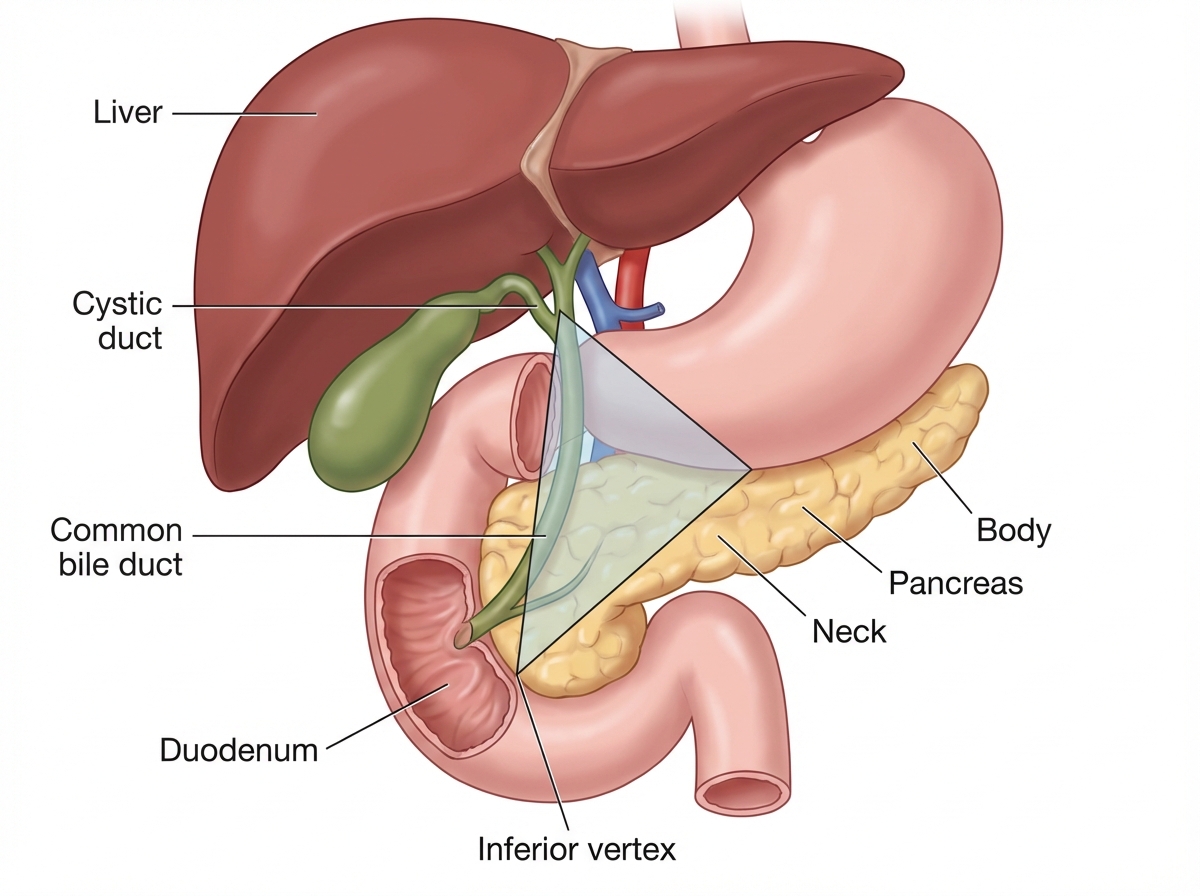
Question 313: A patient with obstructive jaundice has the following imaging findings suggestive of pancreatic cancer. Which is the most appropriate method for obtaining tissue diagnosis?
- A. EUS guided trans-gastric biopsy (Correct Answer)
- B. CECT guided biopsy
- C. MRI guided biopsy
- D. Laparoscopic biopsy
Explanation: ***EUS guided trans-gastric biopsy*** - **Endoscopic Ultrasound (EUS)** provides high-resolution imaging of the pancreas and surrounding structures, allowing for precise targeting of lesions for biopsy. - EUS-guided fine-needle aspiration (FNA) can accurately diagnose pancreatic tumors causing **obstructive jaundice** with minimal risk of tumor seeding. *CECT guided biopsy* - While computed tomography (CECT) can identify pancreatic masses, **percutaneous CECT-guided biopsy** carries a higher risk of complications such as bleeding, pancreatitis, and tumor seeding, especially for lesions near vital structures. - This method is less accurate for small lesions and may not always provide sufficient tissue for complete diagnosis compared to EUS-FNA. *MRI guided biopsy* - **MRI-guided biopsy** is not a standard or preferred method for biopsying pancreatic lesions due to technical challenges and the availability of more efficient and less invasive alternatives like EUS-FNA. - While MRI is excellent for imaging tissue characteristics, its real-time guidance capabilities for biopsy are limited compared to ultrasound. *Laparoscopic biopsy* - **Laparoscopic biopsy** is a more invasive surgical procedure compared to EUS-FNA and is typically reserved for cases where less invasive methods have failed or when **surgical staging** is required. - It involves general anesthesia, longer recovery, and higher risks of complications, making it less appropriate for obtaining a primary tissue diagnosis in obstructive jaundice due to a pancreatic mass.
Question 314: Which retractor is shown in the image?
- A. Morris retractor
- B. Deaver retractor (Correct Answer)
- C. Langenbeck retractor
- D. Doyen retractor
Explanation: ***Deaver retractor*** - The Deaver retractor is easily identifiable by its distinct **flat, C-shaped, curved blade** at one end and a **long handle with a fenestrated grip**. - It is commonly used in deep abdominal and thoracic procedures to **retract organs and tissues**, providing excellent exposure. *Morris retractor* - The Morris retractor typically features a **curved blade** that is less pronounced than a Deaver and often includes a **fenestrated handle**. - However, its blade is generally **flatter and broader** compared to the distinctive C-shape of the Deaver. *Langenbeck retractor* - A Langenbeck retractor is characterized by a **small, L-shaped blade** and a handle, designed for retracting small incisions and delicate tissues. - Its blade is significantly smaller and has a **sharper, angled bend** compared to the broad, C-shaped blade shown. *Doyen retractor* - The Doyen retractor, also known as a Doyen rib raspatory, is typically used to **retract ribs** and protect lung tissue during thoracic surgeries. - It has a distinctive **hooked end** or a spoon-like blade, which is quite different from the broad, curved blade in the image.