Factor V mutation most commonly initially presents as:-
Which of the following conditions is most commonly associated with cryoglobulinemia?
Which of the following is seen in Rheumatoid Arthritis?
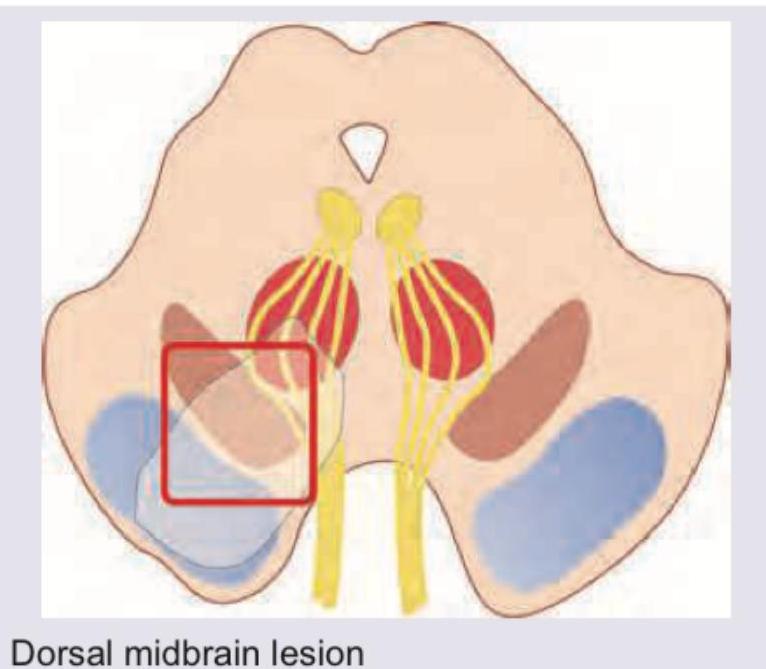
All are true about the mid brain stroke syndrome shown except:
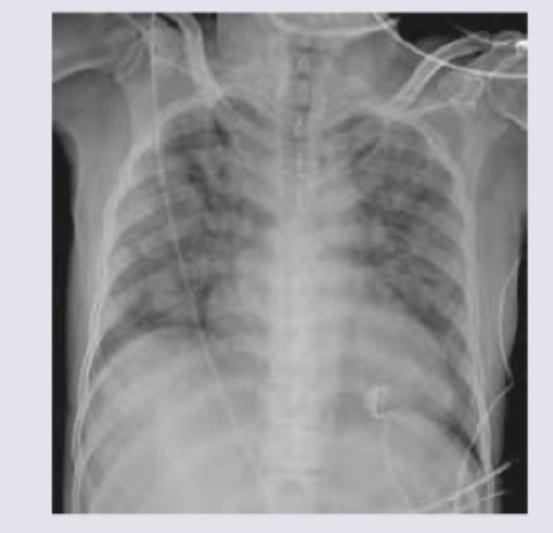
A patient in ICU was given blood transfusion. 3 hours later SpO2 is reduced to 75% with respiratory difficulty. CVP is 15 cm water and PCWP is 25 mm Hg . CXR is shown below. What is the diagnosis?
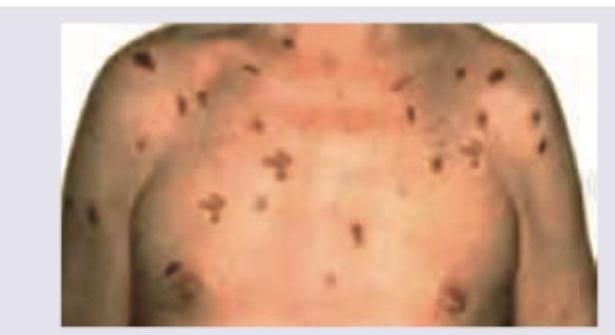
A patient undergone a Solid organ transplant is having the following lesions which are present on oral mucosa and sites shown below. Which of the following is incriminated in causing the same?
The finding shown below is used for diagnosis of CNS parasitic lesion. Which of the following best describes the condition?
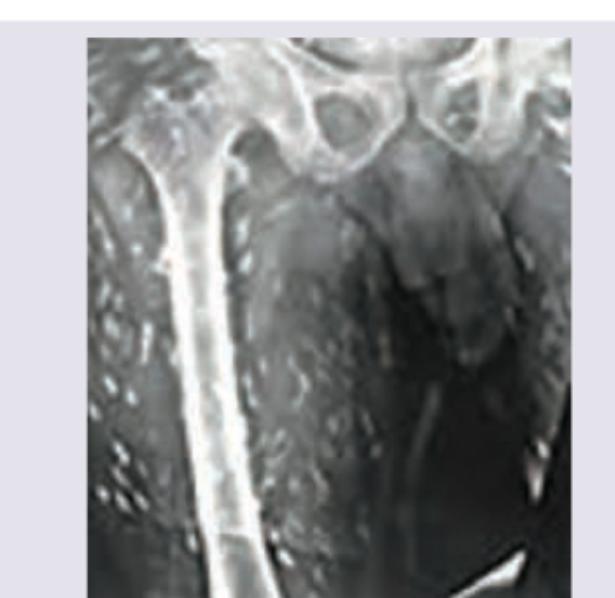
Which one of the following is implicated in the etiology of these adhesions around the liver?
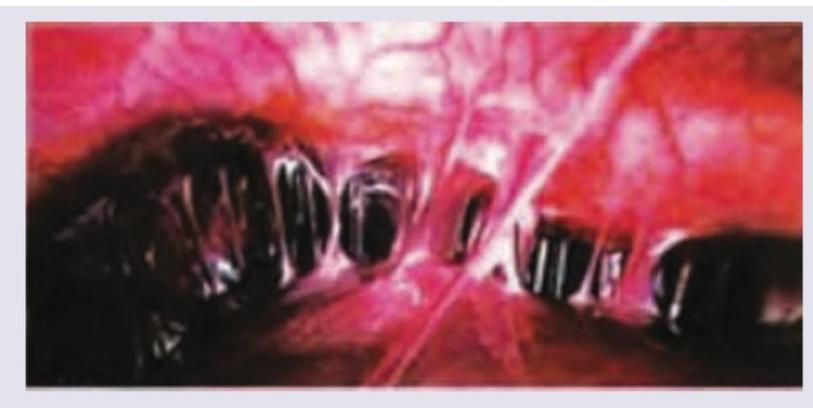
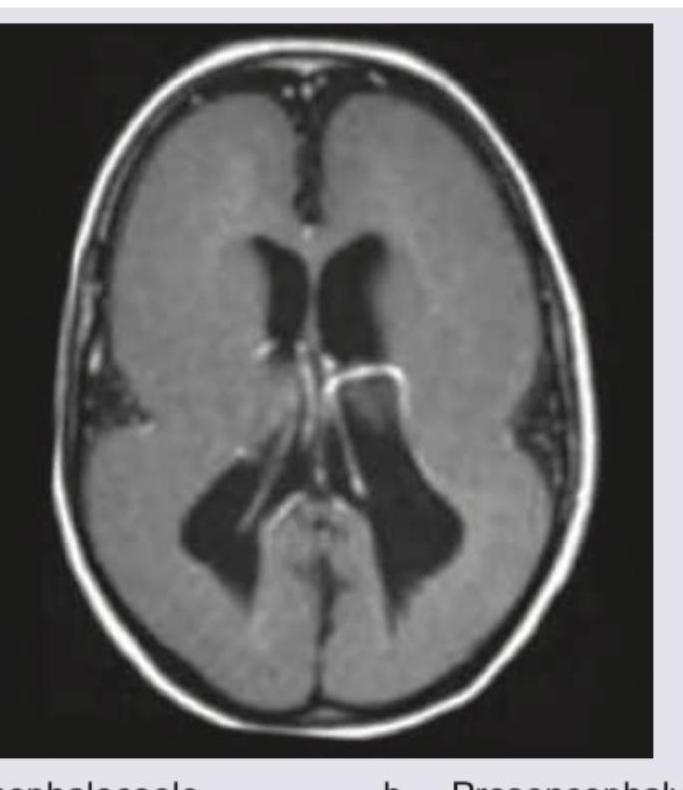
Identify the following abnormality?

Which of the following will best describe this patient?
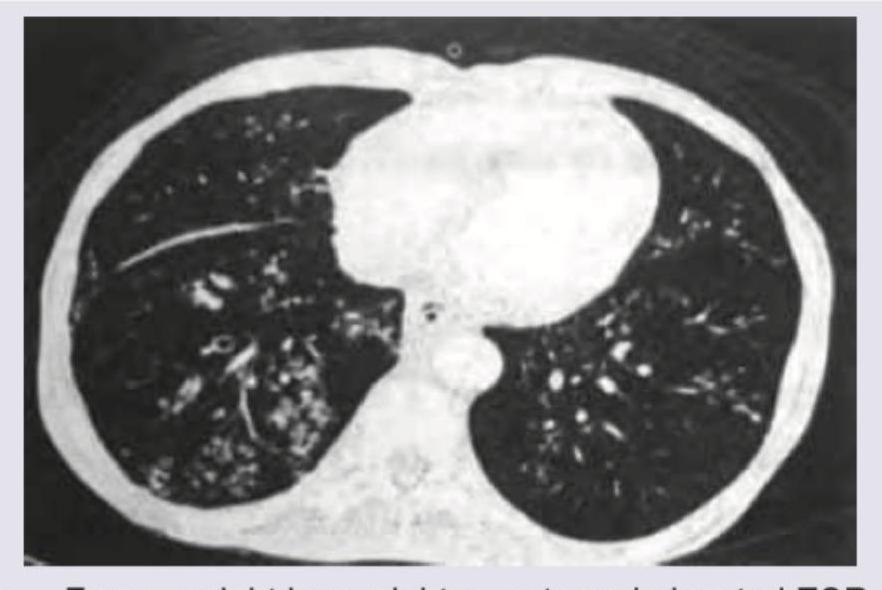
NEET-PG 2018 - Internal Medicine NEET-PG Practice Questions and MCQs
Question 31: Factor V mutation most commonly initially presents as:-
- A. Thrombosis
- B. Disseminated Intravascular Coagulation (DIC)
- C. Pulmonary Embolism
- D. Deep Vein Thrombosis (DVT) (Correct Answer)
Explanation: ***Deep Vein Thrombosis (DVT)*** - Factor V Leiden mutation is a common inherited **thrombophilia**, significantly increasing the risk of **venous thromboembolism (VTE)**. - While VTE encompasses DVT and pulmonary embolism, **DVT is the most frequent initial presentation** because it is the primary thrombotic event leading to other complications [2]. *Thrombosis* - This is a general term for the formation of a **blood clot** that obstructs blood flow. - While Factor V Leiden causes thrombosis, **DVT is a specific and common type** of thrombosis that typically presents first [1]. *Disseminated Intravascular Coagulation (DIC)* - DIC is a complex, life-threatening condition characterized by widespread activation of coagulation leading to both **thrombosis and hemorrhage**. - It is typically triggered by severe underlying conditions like sepsis or trauma, and is **not a primary presentation of Factor V Leiden mutation**. *Pulmonary Embolism (PE)* - PE occurs when a **blood clot travels to the lungs**, often originating from a DVT. - While Factor V Leiden increases PE risk, **DVT is usually the antecedent event** and thus the more common initial clinical presentation [1].
Question 32: Which of the following conditions is most commonly associated with cryoglobulinemia?
- A. Ovarian cancer
- B. Hepatitis c (Correct Answer)
- C. Diabetes
- D. Leukemia
Explanation: No relevant references were found in the provided sources to support the connection between Hepatitis C and cryoglobulinemia. The available text discusses taste physiology, Lambert-Eaton Myasthenic Syndrome (LEMS), and administrative frontmatter (author bios and prefaces), which are not relevant to the clinical question regarding cryoglobulinemia associations. ***Hepatitis C*** - **Hepatitis C virus (HCV)** infection is the most common cause of **mixed cryoglobulinemia**, particularly Type II and Type III. - HCV-associated cryoglobulinemia often presents with **purpura, arthralgia, and glomerulonephritis**. *Ovarian cancer* - While certain cancers can be associated with paraneoplastic syndromes, **ovarian cancer** is not a common cause of cryoglobulinemia. - Cryoglobulinemia associated with malignancies is typically seen with **hematologic cancers** rather than solid tumors like ovarian cancer. *Diabetes* - **Diabetes mellitus** is a metabolic disorder primarily affecting glucose regulation and is not directly linked to the formation of cryoglobulins. - There is no established common association between diabetes and cryoglobulinemia. *Leukemia* - Although some **hematologic malignancies** like multiple myeloma or Waldenström's macroglobulinemia can be associated with cryoglobulinemia (Type I), **leukemia** is not the most common cause overall. - The most prevalent association for mixed cryoglobulinemia remains **chronic infections**, specifically Hepatitis C.
Question 33: Which of the following is seen in Rheumatoid Arthritis?
- A. Presence of Rheumatoid Factor (RF)
- B. Presence of Anti-CCP antibodies
- C. Higher risk of extra-articular manifestations
- D. All of the above (Correct Answer)
Explanation: ***All of the above*** - **Rheumatoid arthritis** is an autoimmune disease characterized by chronic inflammation that can affect various body systems, and the presence of **Rheumatoid Factor (RF)**, **Anti-Cyclic Citrullinated Peptide (Anti-CCP) antibodies**, and a **higher risk of extra-articular manifestations** are all characteristic features [1]. - While RF and anti-CCP are diagnostic markers, extra-articular manifestations highlight the systemic nature of the disease, affecting organs beyond the joints. *Presence of Rheumatoid Factor (RF)* - While many patients with **rheumatoid arthritis** test positive for **RF**, it is not specific to RA and can be seen in other conditions, such as systemic lupus erythematosus, Sjögren's syndrome, and chronic infections [1]. - Approximately 20% of RA patients are seronegative for RF. *Presence of Anti-CCP antibodies* - **Anti-CCP antibodies** are highly specific for **rheumatoid arthritis** and often appear early in the disease course, making them a valuable diagnostic and prognostic marker [1]. - Their presence is strongly associated with an erosive disease course. *Higher risk of extra-articular manifestations* - **Extra-articular manifestations** of **rheumatoid arthritis** indicate systemic involvement and can include rheumatoid nodules, vasculitis, pleuritis, pericarditis, scleritis, and Felty's syndrome [1]. - The presence of these manifestations often correlates with more severe disease and a poorer prognosis [1].
Question 34: All are true about the mid brain stroke syndrome shown except:
- A. Dorsal midbrain lesion
- B. Anterior cerebral peduncle is involved (Correct Answer)
- C. Contralateral tremor and ataxia
- D. Red nucleus involvement causes movement disorders
Explanation: ***Anterior cerebral peduncle is involved*** - The **anterior cerebral peduncle (crus cerebri)** is located in the **ventral midbrain** and contains descending motor tracts, but the lesion shown affects the **dorsal midbrain structures**. - This statement is **false** because the lesion does not extend to involve the anterior cerebral peduncle, making this the correct answer for the "except" question. *Dorsal midbrain lesion* - The image clearly shows a lesion in the **dorsal aspect of the midbrain**, affecting structures such as the **red nucleus** and surrounding areas. - This statement is **true** as it accurately describes the anatomical location of the stroke shown in the image. *Ipsilateral 3rd nerve palsy* - **Weber's syndrome** (ventral midbrain stroke) commonly presents with ipsilateral 3rd nerve palsy, and some dorsal midbrain lesions can extend to affect **oculomotor nerve fascicles**. - This statement is **true** as 3rd nerve palsy can occur with midbrain strokes, particularly when the lesion affects nerve pathways in the midbrain. *Contralateral hemiplegia* - Midbrain strokes can cause **contralateral weakness** through involvement of **corticospinal tract fibers** that pass through or near the affected area. - This statement is **true** as motor deficits are commonly seen in midbrain stroke syndromes, even with dorsal lesions that may affect descending motor connections.
Question 35: A patient in ICU was given blood transfusion. 3 hours later SpO2 is reduced to 75% with respiratory difficulty. CVP is 15 cm water and PCWP is 25 mm Hg . CXR is shown below. What is the diagnosis?
- A. Tension pneumothorax
- B. Transfusion related acute lung injury
- C. Transfusion associated circulatory overload (Correct Answer)
- D. Mismatched blood transfusion
Explanation: ***Transfusion associated circulatory overload*** - The combination of **respiratory difficulty**, **reduced SpO2**, **elevated CVP (15 cm water)**, and **markedly elevated PCWP (25 mm Hg)** after a blood transfusion strongly indicates hydrostatic pulmonary edema due to fluid overload. - The CXR image showing **diffuse bilateral infiltrates** (pulmonary edema) further supports this diagnosis, especially with the elevated cardiac filling pressures. *Tension pneumothorax* - A tension pneumothorax would present with **unilateral lung collapse**, **tracheal deviation**, and potentially **hypotension**, none of which are explicitly described or suggested by the CXR. - While it causes respiratory distress, the hemodynamic parameters (CVP and PCWP) and bilateral CXR findings are inconsistent with a pneumothorax. *Transfusion related acute lung injury* - TRALI also causes acute respiratory distress and hypoxemia after transfusion, but it is characterized by **non-cardiogenic pulmonary edema** with a **normal or low CVP** and **normal or mildly elevated PCWP** (<18 mm Hg), differentiating it from TACO. - The elevated CVP and PCWP strongly point away from TRALI, which is immune-mediated and involves capillary leakage. *Mismatched blood transfusion* - An acute hemolytic transfusion reaction (mismatched blood transfusion) typically presents with symptoms such as **fever, chills, flank pain, hemoglobinuria**, and potentially **DIC** or **renal failure**. - While it's a serious transfusion reaction, the primary clinical presentation and elevated cardiac filling pressures are not characteristic of an acute hemolytic reaction.
Question 36: A patient undergone a Solid organ transplant is having the following lesions which are present on oral mucosa and sites shown below. Which of the following is incriminated in causing the same?
- A. KSHV (Correct Answer)
- B. HHV6
- C. HHV7
- D. CMV
Explanation: ***KSHV*** - The image shows multiple **violaceous cutaneous lesions** which are characteristic of **Kaposi's sarcoma (KS)**. - In a solid organ transplant recipient, KS is commonly associated with **Kaposi's sarcoma-associated herpesvirus (KSHV)**, also known as HHV-8. Immunosuppression due to antirejection medications can reactivate latent KSHV infection. *HHV6* - HHV-6 is primarily associated with **roseola infantum** (exanthem subitum) in children. - While HHV-6 can cause complications in immunocompromised individuals, its typical manifestations do not involve the characteristic violaceous skin lesions seen in Kaposi's sarcoma. *HHV7* - HHV-7 is also associated with **roseola-like illnesses** and is generally considered a less pathogenic virus compared to other human herpesviruses. - It does not cause Kaposi's sarcoma, and its clinical manifestations in transplant patients are typically different from the lesions depicted. *CMV* - **Cytomegalovirus (CMV)** is a common opportunistic infection in solid organ transplant recipients, causing a variety of clinical syndromes. - While CMV can lead to numerous symptoms (e.g., fever, leukopenia, pneumonitis, colitis), it does not directly cause the characteristic skin lesions of Kaposi's sarcoma.
Question 37: The finding shown below is used for diagnosis of CNS parasitic lesion. Which of the following best describes the condition?
- A. Minor criteria
- B. Absolute criteria
- C. Epidemiological criteria
- D. Major criteria
Explanation: ***Major criteria*** - The image likely depicts **multiple calcified cysts**, which in the context of CNS parasitic lesions (e.g., neurocysticercosis), would be considered a **major diagnostic criterion** for the disease. - Major criteria are significant findings, often radiographic evidence of **cysts or calcifications**, that strongly support a diagnosis of neurocysticercosis when combined with other criteria. *Minor criteria* - Minor criteria include less specific findings, such as **seizures** or headaches, or findings that support the diagnosis but are not definitive on their own. - While supportive, these findings are typically not sufficient for diagnosis without major or other criteria. *Absolute criteria* - Absolute criteria are definitive findings, such as a **histopathological demonstration of the parasite** or direct visualization of the scolex on imaging, which are direct proof of infection. - The image shows calcifications, which are strong evidence but not necessarily "absolute" proof of active parasitic presence without further context like a viable cyst with a scolex. *Epidemiological criteria* - Epidemiological criteria relate to the patient's **exposure history** or origin from areas endemic for the parasite. - These criteria help in narrowing down the differential diagnosis but do not provide direct evidence of the lesion itself.
Question 38: Which one of the following is implicated in the etiology of these adhesions around the liver?
- A. Chlamydial infection (Correct Answer)
- B. Perforion of dermoid cyst
- C. Pseudomyxoma peritonei
- D. Liver metastases in ovarian cancer
Explanation: ***Chlamydial infection*** - The image shows **Fitz-Hugh-Curtis syndrome**, characterized by **violin-string adhesions** visible between the liver capsule and the parietal peritoneum. - This condition is a perihepatitis that occurs as a complication of **pelvic inflammatory disease (PID)**, most commonly caused by **Chlamydia trachomatis** or Neisseria gonorrhoeae. *Perforation of dermoid cyst* - A perforated dermoid cyst (mature cystic teratoma) typically causes a **chemical peritonitis** due to the leakage of sebaceous material, hair, and other contents. - While it can lead to adhesions, these are usually diffuse and not specifically the **violin-string type perihepatic adhesions** characteristic of Fitz-Hugh-Curtis syndrome. *Pseudomyxoma peritonei* - Pseudomyxoma peritonei is characterized by the accumulation of **gelatinous ascites** and mucin-producing tumor cells in the peritoneal cavity, often originating from a ruptured appendiceal mucinous neoplasm. - It results in widespread mucinous deposits and adhesions, which are distinct from the fibrous, violin-string adhesions around the liver seen in the image. *Liver metastases in ovarian cancer* - Liver metastases from ovarian cancer would appear as **nodular lesions within the liver parenchyma** or on its surface, not as fibrous adhesions between the liver and abdominal wall. - While ovarian cancer can cause ascites and peritoneal carcinomatosis, the presentation of **perihepatic adhesions** in the image is not typical for direct metastatic spread to the liver surface in this manner.
Question 39: Identify the following abnormality?
- A. Encephalocoele
- B. Prosencephaly
- C. Schizencephaly (Correct Answer)
- D. Lissencephaly
Explanation: ***Schizencephaly*** - The image shows a **cleft-like defect** extending from the pial surface to the ventricle, lined by **gray matter**, which is characteristic of schizencephaly. - This typically results in communication between the **subarachnoid space** and the **ventricular system**. *Encephalocoele* - An encephalocoele is a **protrusion of brain tissue** and meninges through a defect in the skull, which is not depicted in this image. - It usually presents as a **sac-like bulge** on the head, often in the occipital or frontal regions. *Prosencephaly* - This term usually refers to the malformation spectrum associated with **holoprosencephaly**, characterized by a failure of the prosencephalon (forebrain) to properly divide. - Features include **fusion of the cerebral hemispheres**, a single ventricle, and facial anomalies, not a cortical cleft as seen here. *Lissencephaly* - Lissencephaly is characterized by a **lack of gyri and sulci** (smooth brain surface) or abnormally broad and flattened gyri, leading to a thickened cortex. - The image clearly displays presence of gyri and sulci, although with an additional unusual cleft, ruling out a primary diagnosis of lissencephaly.
Question 40: Which of the following will best describe this patient?
- A. Fever, weight loss, night sweats and elevated ESR (Correct Answer)
- B. Rusty sputum with gram positive diplococci
- C. Acute dyspnea, elevated JVP and long history of air travel
- D. Acute dyspnea, pink frothy sputum and mid-diastolic rumble
Explanation: ***Fever, weight loss, night sweats and elevated ESR*** - The CT scan shows numerous **small, diffuse nodules** throughout both lung fields, consistent with **miliary tuberculosis (TB)**. - The systemic symptoms of **fever, weight loss, night sweats**, and an **elevated ESR** are classic constitutional symptoms of disseminated TB. *Rusty sputum with gram positive diplococci* - This description is characteristic of **Streptococcus pneumoniae (pneumococcal pneumonia)**. - Pneumococcal pneumonia typically presents with lobar consolidation on imaging, not diffuse miliary nodules. *Acute dyspnea, elevated JVP and long history of air travel* - This constellation of symptoms (acute dyspnea, elevated JVP) and risk factor (long history of air travel) strongly suggests **pulmonary embolism (PE)**. - Imaging findings for PE would typically include a filling defect in the pulmonary arteries, rather than diffuse nodularity. *Acute dyspnea, pink frothy sputum and mid-diastolic rumble* - These symptoms point towards **left-sided heart failure (acute pulmonary edema)**, often associated with **mitral stenosis** (suggested by the mid-diastolic rumble). - Pulmonary edema on CT would show ground-glass opacities, septal thickening, and pleural effusions, not diffuse nodular infiltrates.