TRALI occurs within how many hours of transfusion?
Which one of the following statements about Graves' disease is FALSE?
In Bartter syndrome defect is seen in:
Patient presenting with cutaneous vasculitis, glomerulonephritis, peripheral neuropathy, Which investigation is to be performed next that will help you diagnose the condition?
Which is not included in AIDS related complex?
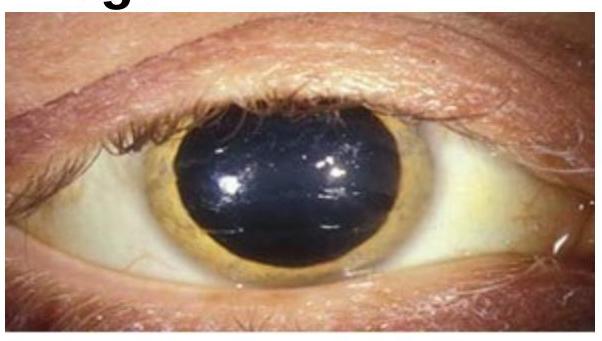
Choose the best method of diagnosis for the clinical sign represented in the image.
What is the earliest feature of third cranial nerve involvement in a patient with diabetes mellitus?
Which condition is associated with the ECG pattern known as pseudo P pulmonale?
What is a potential cause of cardiogenic shock other than myocardial infarction (MI)?
Which of the following is the MOST characteristic feature of ataxia telangiectasia?
NEET-PG 2018 - Internal Medicine NEET-PG Practice Questions and MCQs
Question 11: TRALI occurs within how many hours of transfusion?
- A. 6 hours (Correct Answer)
- B. 48 hours
- C. 72 hours
- D. 12 hours
Explanation: ***6 hours*** - **Transfusion-related acute lung injury (TRALI)** is defined as new acute lung injury occurring during or within **6 hours** after the completion of a blood transfusion [1]. - It is a severe and potentially life-threatening transfusion reaction characterized by **acute respiratory distress**, **hypoxemia**, and **bilateral pulmonary infiltrates** on chest imaging [1]. *48 hours* - While other transfusion reactions or complications may manifest within 48 hours, TRALI has a more **acute onset**, typically within the first 6 hours. - A pulmonary event occurring between 6 and 48 hours post-transfusion might be considered **delayed TRALI** or another diagnosis like **transfusion-associated circulatory overload (TACO)**, but the classic definition refers to the 6-hour window. *72 hours* - Reactions occurring 72 hours after transfusion are generally considered **delayed transfusion reactions**, which include conditions like **delayed hemolytic transfusion reactions** or **post-transfusion purpura**. - This timeframe is too long for the typical presentation of TRALI, which is characterized by rapid onset. *12 hours* - Although 12 hours falls within an acute window, the most commonly accepted and diagnostically crucial timeframe for TRALI is **within 6 hours** of transfusion. - A reaction occurring between 6 and 12 hours would still be considered suspiciously TRALI, but the strict definition emphasizes the earlier onset.
Question 12: Which one of the following statements about Graves' disease is FALSE?
- A. Common in male (Correct Answer)
- B. Referred to as toxic diffuse goiter
- C. Results in hyperthyroidism
- D. Autoimmune disorder
Explanation: ***Common in male*** - Graves' disease is significantly **more common in females** than males, with a female-to-male ratio of approximately 7:1 [1]. It is a female predominant disease [2]. - The peak incidence is between the ages of 20 and 50 years, and it is the most common cause of **hyperthyroidism** in women [1], [2]. *Results in hyperthyroidism* - Graves' disease is characterized by the production of **autoantibodies** against the TSH receptor, leading to excessive stimulation of the thyroid gland [1]. - This overstimulation results in **increased synthesis and release of thyroid hormones**, causing a state of hyperthyroidism [2]. *Autoimmune disorder* - Graves' disease is a classic example of an **organ-specific autoimmune disease** [2]. - The immune system mistakenly produces antibodies that mimic the action of TSH, leading to thyroid overactivity [1]. *Referred to as toxic diffuse goiter* - The term "toxic" refers to the **hyperthyroid state** (thyrotoxicosis), and "diffuse goiter" describes the generally uniform enlargement of the entire thyroid gland [1]. - This terminology accurately reflects the typical presentation of Graves' disease, which involves an overactive, diffusely enlarged thyroid gland [2].
Question 13: In Bartter syndrome defect is seen in:
- A. Defect in proximal convoluted tubule (PCT)
- B. Defect in distal convoluted tubule (DCT)
- C. No defect
- D. Defect in thick ascending limb of loop of Henle (Correct Answer)
Explanation: ***Defect in thick ascending limb of loop of Henle*** - Bartter syndrome results from a **genetic defect** affecting the activity of the **Na-K-2Cl cotransporter (NKCC2)** in the thick ascending limb of the loop of Henle. - This defect impairs **sodium, potassium, and chloride reabsorption**, leading to their increased excretion and characteristic electrolyte imbalances. *Defect in proximal convoluted tubule (PCT)* - Defects in the **proximal convoluted tubule** are typically associated with conditions like **Fanconi syndrome**, affecting reabsorption of glucose, amino acids, phosphate, and bicarbonate [1]. - This does not align with the characteristic **electrolyte imbalances** seen in Bartter syndrome, particularly hypokalemia and metabolic alkalosis. *Defect in distal convoluted tubule (DCT)* - Defects in the **distal convoluted tubule** are seen in conditions like **Gitelman syndrome**, which affects the Na-Cl cotransporter. - While both Bartter and Gitelman syndromes present with hypokalemia and metabolic alkalosis, the specific transporter affected and the severity of certain electrolyte disturbances differ. *No defect* - Bartter syndrome is a well-defined **genetic disorder** characterized by specific renal tubular defects. - Stating there is no defect is incorrect, as the syndrome arises directly from impaired renal tubule function.
Question 14: Patient presenting with cutaneous vasculitis, glomerulonephritis, peripheral neuropathy, Which investigation is to be performed next that will help you diagnose the condition?
- A. ANCA (Correct Answer)
- B. RA factor
- C. Hbsag
- D. MIF
Explanation: ### ANCA - The combination of **cutaneous vasculitis**, **glomerulonephritis**, and **peripheral neuropathy** points towards a small-vessel vasculitis, for which **ANCA (anti-neutrophil cytoplasmic antibodies)** testing is crucial [1]. - ANCA is highly specific for conditions like **Granulomatosis with Polyangiitis (GPA)** and **Microscopic Polyangiitis (MPA)** [1]. ### RA factor - **Rheumatoid factor (RF)** is primarily associated with **rheumatoid arthritis**, which typically presents with symmetrical polyarthritis, not the constellation of symptoms described. - While RF can be positive in some vasculitides, it is not the most specific initial test for the given clinical presentation. ### Hbsag - **Hepatitis B surface antigen (HbsAg)** typically screens for **Hepatitis B infection**, which can cause **polyarteritis nodosa (PAN)**, a medium-vessel vasculitis. - However, the patient's symptoms (cutaneous vasculitis, glomerulonephritis) are more characteristic of **small-vessel vasculitis**, making ANCA a more direct investigation [1]. ### MIF - **MIF (Macrophage Migration Inhibitory Factor)** is a cytokine involved in inflammation, but it is not a routine diagnostic marker for vasculitis. - It is not used as a primary investigation to diagnose specific autoimmune or inflammatory conditions like vasculitis.
Question 15: Which is not included in AIDS related complex?
- A. Recurrent genital candidiasis
- B. Generalised lymphadenopathy
- C. Chronic diarrhea
- D. Ectopic pregnancy (Correct Answer)
Explanation: ***Ectopic pregnancy*** - **Ectopic pregnancy** is a gynecological condition related to reproductive health and is **not a direct manifestation** of HIV infection or one of the opportunistic infections/conditions characteristic of AIDS-related complex. - While HIV can affect overall health during pregnancy, an ectopic pregnancy itself is a different medical issue. *Recurrent genital candidiasis* - **Recurrent genital candidiasis** can be a sign of **diminished immune function** in HIV-positive women [1]. - It is often considered an AIDS-defining condition or a common opportunistic infection seen in the progression of HIV to AIDS-related complex [1]. *Generalised lymphadenopathy* - **Generalized lymphadenopathy**, specifically **persistent generalized lymphadenopathy (PGL)**, is a common early manifestation of HIV infection [1]. - It reflects ongoing immune activation and is part of the spectrum of conditions included in AIDS-related complex [1]. *Chronic diarrhea* - **Chronic diarrhea** (lasting more than one month) is a frequent and significant symptom in individuals with HIV infection, particularly as the disease progresses [1]. - It can be caused by various opportunistic infections or directly by HIV, and is a component of AIDS-related complex or AIDS-defining illness [1].
Question 16: Choose the best method of diagnosis for the clinical sign represented in the image.
- A. Serum copper
- B. Serum ceruloplasmin (Correct Answer)
- C. Karyotyping
- D. PCR
Explanation: ***Serum ceruloplasmin*** - The image shows a **Kayser-Fleischer ring**, a greenish-brown discoloration in the periphery of the cornea, which is pathognomonic for **Wilson's disease**. - **Wilson's disease** is a genetic disorder of copper metabolism characterized by **low serum ceruloplasmin** levels (the primary copper-carrying protein in the blood) and increased copper deposition in various tissues. *Serum copper* - While Wilson's disease involves copper accumulation, **total serum copper** can be normal or even elevated due to widespread tissue damage releasing copper into the circulation, making it an unreliable diagnostic marker on its own. - A low serum copper level can be seen, but it is not as specific as low ceruloplasmin, as much of the copper in serum is bound to ceruloplasmin. *Karyotyping* - **Karyotyping** is used to analyze the number and structure of chromosomes and is primarily indicated for diagnosing chromosomal abnormalities, such as Down syndrome or Turner syndrome. - It is not relevant for diagnosing metabolic disorders like Wilson's disease, which is caused by a mutation in a single gene (ATP7B), not a chromosomal aberration. *PCR* - **PCR (Polymerase Chain Reaction)** is a technique used to amplify DNA sequences and can be used for genetic testing to identify specific mutations. - While genetic testing for the **ATP7B gene** mutation is a confirmatory test for Wilson's disease, it is not the primary or best method for initial diagnosis, especially when classic clinical signs and biochemical markers (like low ceruloplasmin) are present.
Question 17: What is the earliest feature of third cranial nerve involvement in a patient with diabetes mellitus?
- A. Normal light and accommodation reflex
- B. Abnormal light reflex
- C. Abnormal light and accommodation reflex
- D. Normal light reflex (Correct Answer)
Explanation: **Normal light reflex** - Third cranial nerve palsy in diabetes mellitus is often due to **ischemic infarction** affecting the vasa nervorum that supply the nerve [1]. - This typically spares the **superficial parasympathetic fibers** responsible for pupillary constriction, leading to a normal light reflex [2]. *Abnormal light reflex* - An abnormal light reflex (dilated pupil) would indicate involvement of the **parasympathetic fibers** on the surface of the third nerve [2]. - Such involvement is less typical in diabetic neuropathy unless the lesion is very extensive or non-ischemic [1]. *Normal light and accommodation reflex* - While the light reflex is typically normal, **accommodation reflex** can be variably affected, as it also involves the ciliary muscle which is innervated by parasympathetic fibers [2]. - If accommodation is completely normal, it suggests very minimal or no neurological deficit related to the third nerve. *Abnormal light and accommodation reflex* - Abnormalities in both reflexes would suggest significant involvement of the **parasympathetic fibers**, indicating a more widespread or compressive lesion [3]. - This presentation is more characteristic of mass lesions (e.g., aneurysms) rather than isolated diabetic ischemic neuropathy [3].
Question 18: Which condition is associated with the ECG pattern known as pseudo P pulmonale?
- A. Hyponatremia
- B. Hypocalcemia
- C. Hypokalemia
- D. Hypercalcemia (Correct Answer)
Explanation: ***Hypercalcemia*** - **Hypercalcemia** can cause a characteristic ECG pattern known as pseudo P pulmonale due to its effects on **myocardial repolarization**. - This condition leads to a **shortened QT interval** which causes the T wave to merge with the P wave, giving the appearance of a tall, peaked P wave. *Hypokalemia* - **Hypokalemia** typically presents with **flattened T waves**, prominent U waves, and ST-segment depression on an ECG [1]. - It can prolong repolarization, which is the opposite effect observed with pseudo P pulmonale [1]. *Hyponatremia* - **Hyponatremia** has a less defined direct effect on ECG patterns compared to other electrolyte imbalances. - Severe hyponatremia may lead to **QRS widening** or **bradycardia**, but not pseudo P pulmonale [1]. *Hypocalcemia* - **Hypocalcemia** characteristically causes **prolongation of the QT interval** on an ECG due to delayed ventricular repolarization [2]. - This is distinct from the shortened QT seen in hypercalcemia that contributes to pseudo P pulmonale.
Question 19: What is a potential cause of cardiogenic shock other than myocardial infarction (MI)?
- A. Acute mitral regurgitation (Correct Answer)
- B. Ventricular septal rupture
- C. Isolated right ventricular shock
- D. None of the options
Explanation: ***Acute mitral regurgitation*** - **Acute mitral regurgitation** is a severe form of valvular heart disease where the mitral valve fails to close properly, leading to a sudden backflow of blood into the left atrium during systole. [1] - This significantly reduces **forward cardiac output** and increases left atrial pressure, which can rapidly lead to pulmonary edema and cardiogenic shock, even in the absence of MI. [1] *Ventricular septal rupture* - While a **ventricular septal rupture** can cause cardiogenic shock, it is typically a **complication of myocardial infarction**, meaning it would fall under MI as the underlying cause. [2] - This condition involves a hole in the septum separating the ventricles, leading to a shunt and increased workload on the right ventricle, causing cardiogenic shock. *Isolated right ventricular shock* - **Isolated right ventricular shock** is often caused by conditions like a **massive pulmonary embolism** or a right ventricular infarction. [2] - While it can lead to shock, it is distinct from general cardiogenic shock which often implies left ventricular dysfunction or severe myocardial compromise, and the question asks for a cause *other than* MI, which can cause right ventricular shock. *None of the options* - This option is incorrect because **acute mitral regurgitation** is a distinct and significant cause of cardiogenic shock, independent of MI. [1]
Question 20: Which of the following is the MOST characteristic feature of ataxia telangiectasia?
- A. Increases the risk of lymphoid malignancies (Correct Answer)
- B. Increase in serum alpha-fetoprotein (AFP) levels
- C. Genetic inheritance pattern is autosomal recessive
- D. None of the options
Explanation: ***Increases the risk of lymphoid malignancies*** - Ataxia-telangiectasia (A-T) is characterized by a high predisposition to **lymphoid malignancies**, particularly lymphomas and leukemias, due to defective DNA repair mechanisms. - The **ATM gene mutation** in A-T leads to chromosomal instability, making cells more susceptible to uncontrolled proliferation associated with cancer. *Increase in serum alpha-fetoprotein (AFP) levels* - While elevated serum **alpha-fetoprotein (AFP)** is a biochemical hallmark of Ataxia-telangiectasia, it is a laboratory finding, not a direct clinical feature or primary characteristic of the disease pathology itself. - AFP elevation in A-T is thought to be related to **hepatic dysfunction** or impaired clearance, but not as directly defining as the increased malignancy risk. *Genetic inheritance pattern is autosomal recessive* - The **autosomal recessive** inheritance pattern describes how the disease is passed down through families, specifically requiring two copies of the mutated gene. - While fundamental to the genetics of A-T, it is a mode of inheritance and not a *characteristic clinical feature* or direct pathophysiological consequence of the disease. *None of the options* - This option is incorrect because the increased risk of lymphoid malignancies is indeed a highly characteristic and clinically significant feature of Ataxia-telangiectasia.