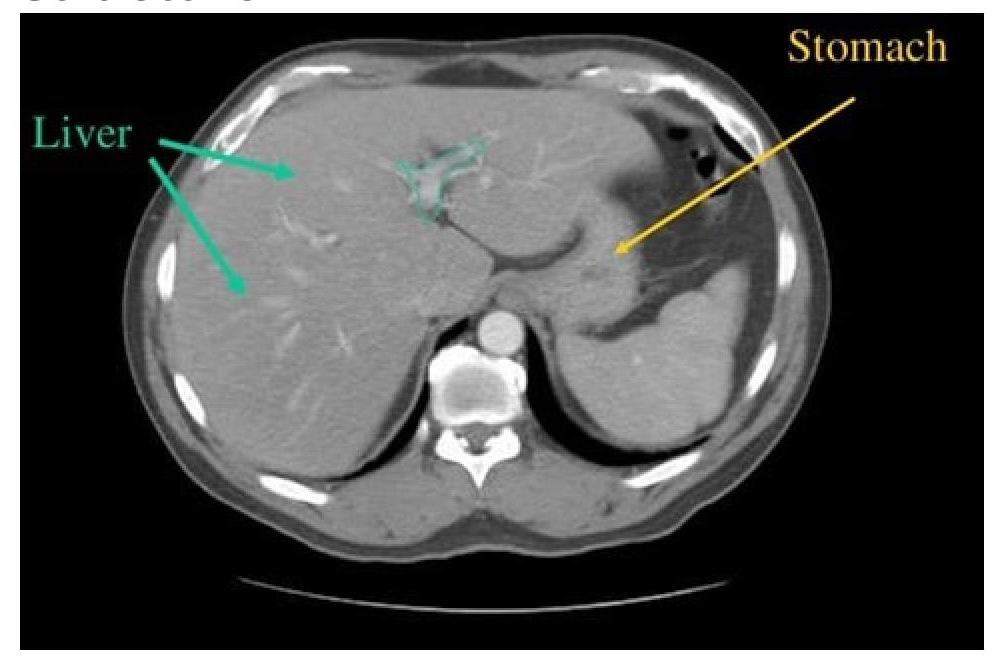
CT scan of abdomen showing a structure branching within the liver. Identify the structure.

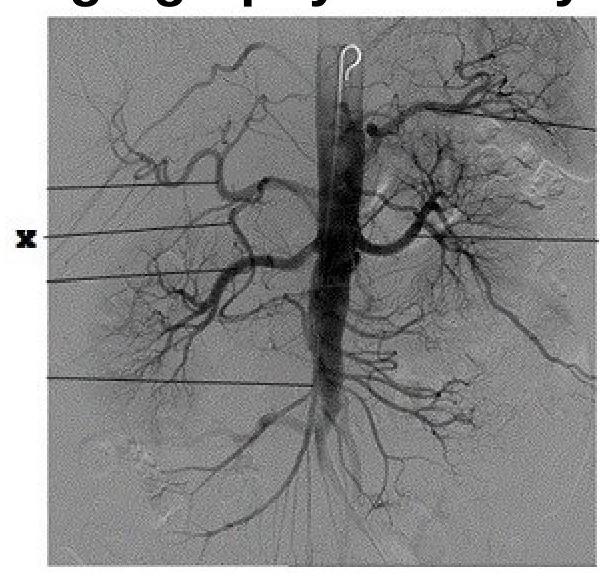
Identify the artery labeled as 'X' in the provided angiography anatomy image.
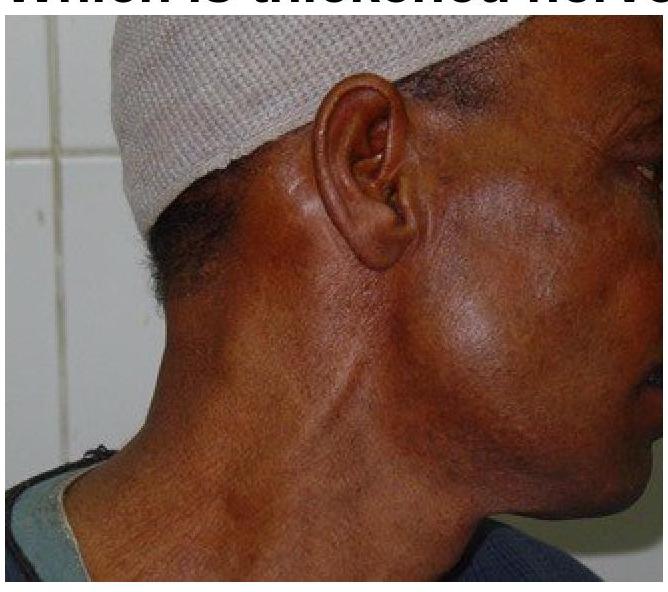
Which thickened nerve is shown in the image?

Hard palate contains:
What constitutes the Malpighian layer of skin?
What is the primary function of the deltoid muscle?
Nerves of pharyngeal arch develop from
Wallenberg syndrome involves which artery?
Nasopharyngeal chordoma arises from:-
During acute tonsillitis, referred pain from the tonsil to the middle ear occurs via which nerve?
NEET-PG 2018 - Anatomy NEET-PG Practice Questions and MCQs
Question 11: CT scan of abdomen showing a structure branching within the liver. Identify the structure.
- A. Portal vein (Correct Answer)
- B. Superior vena cava
- C. Inferior vena cava
- D. Splenic vein
Explanation: ***Portal vein*** - The image shows a **branching vessel within the liver parenchyma**. The **portal vein** enters the liver at the porta hepatis and branches extensively to supply the liver with nutrient-rich, deoxygenated blood from the gastrointestinal tract. - On a CT scan, the portal vein and its branches appear as prominent, contrast-filled structures centrally located within the liver, consistent with the identified structure. *Superior Vena Cava* - The **superior vena cava** is located in the **chest**, superior to the diaphragm, and drains blood from the upper body into the right atrium; it does not branch within the liver. - This vessel would not be visible in an abdominal CT slice at this level and does not show intrahepatic branching. *Inferior Vena Cava* - The **inferior vena cava (IVC)** is a large vessel located **posterior to the liver**, collecting deoxygenated blood from the lower body and liver (via hepatic veins) before emptying into the right atrium. - While it is in the abdomen, it does not branch within the liver parenchyma in the same manner as the portal vein; rather, **hepatic veins** drain into it from the liver. *Splenic Vein* - The **splenic vein** runs along the **posterior aspect of the pancreas** and eventually joins with the superior mesenteric vein to form the portal vein outside the liver. - It does not enter or branch within the liver itself; its location is too far posterior and outside the liver to match the structure indicated.
Question 12: Identify the artery labeled as 'X' in the provided angiography anatomy image.
- A. Superior mesenteric artery (Correct Answer)
- B. Subclavian artery
- C. Celiac trunk
- D. Brachiocephalic trunk
Explanation: ***Superior mesenteric artery*** - The image displays a selective angiogram highlighting an artery branching off the **aorta** in the abdominal region and supplying multiple loops of bowel, characteristic of the superior mesenteric artery. - The location and extensive branching pattern supplying various abdominal structures confirm its identity as the **superior mesenteric artery**, which typically arises below the celiac trunk. *Subclavian artery* - The **subclavian artery** is located in the chest and shoulder region, supplying the upper limbs and parts of the head and neck. - Its anatomical location and distribution are distinctly different from the abdominal artery shown in the image. *Celiac trunk* - The **celiac trunk** is an earlier branch off the aorta, typically arising just below the diaphragm, and it branches into the splenic, left gastric, and common hepatic arteries. - The artery labeled 'X' arises lower than where the celiac trunk would typically originate and demonstrates a different branching pattern. *Brachiocephalic trunk* - The **brachiocephalic trunk** (also known as the innominate artery) is a major artery in the upper chest, typically the first branch off the aortic arch. - It supplies blood to the right arm and head, not abdominal organs, making it anatomically incorrect for the artery labeled 'X'.
Question 13: Which thickened nerve is shown in the image?
- A. Facial Nerve
- B. Greater Auricular Nerve (Correct Answer)
- C. Vagus Nerve
- D. Glossopharyngeal Nerve
Explanation: ***Greater auricular nerve*** - The image clearly shows a **thickened, rope-like structure** running superficially on the side of the neck, ascending towards the earlobe. - This anatomical location and appearance are highly characteristic of an enlarged **greater auricular nerve**, often seen in conditions like **leprosy**. *Facial Nerve* - The **facial nerve** is primarily a motor nerve that innervates the muscles of facial expression and is located deeper within the parotid gland. - It would not typically present as a thickened, superficial structure visible on the surface of the neck or behind the earlobe. *Vagus Nerve* - The **vagus nerve** is a cranial nerve with extensive autonomic functions, running through the neck within the carotid sheath, much deeper than the structure shown. - It is not superficially visible or palpable in this manner under normal or pathological conditions that cause thickening. *Glossopharyngeal Nerve* - The **glossopharyngeal nerve** is another cranial nerve that exits the skull and descends in the neck, primarily involved in swallowing and taste. - Like the vagus nerve, it is located deep within the neck and would not be visible or thickened superficially as depicted.
Question 14: Hard palate contains:
- A. Keratinised, submucosa, minor salivary gland (Correct Answer)
- B. Keratinised, absent submucosal layer, minor salivary gland
- C. Non keratinised, submucosal layer, minor salivary gland
- D. Non keratinised, absent submucosa, minor salivary gland
Explanation: ***Keratinised, submucosa, minor salivary gland*** - The oral epithelium of the **hard palate** is predominantly **keratinized stratified squamous epithelium**, which provides protection against mechanical stress during mastication. - The hard palate has a **unique structure**: in the **median raphe and anterior region**, the mucosa is directly attached to periosteum (mucoperiosteum with no submucosa), but in the **anterolateral and posterolateral regions**, a **submucosa IS present** containing **minor salivary glands** (predominantly mucous type). - Since the question asks what the hard palate "contains," and it DOES contain submucosa in the lateral regions where glands are located, this is the correct answer. *Keratinised, absent submucosal layer, minor salivary gland* - While it is true that the **submucosa is absent in the midline/anterior region** of the hard palate, this option is incorrect because the hard palate DOES contain submucosa in the **lateral and posterior regions** where the **minor salivary glands** are located. - The presence of glands requires underlying submucosa for their placement. *Non keratinised, submucosal layer, minor salivary gland* - The hard palate is primarily covered by **keratinized epithelium**, not non-keratinized epithelium, which makes this option incorrect. - Non-keratinized epithelium is typically found in areas like the **soft palate, buccal mucosa, and ventral tongue** where less mechanical stress occurs. *Non keratinised, absent submucosa, minor salivary gland* - This option is incorrect on both counts: the epithelium is **keratinized** (not non-keratinized) and the **submucosa is present** in lateral/posterior regions where glands are located. - This combination does not accurately describe any region of the hard palate.
Question 15: What constitutes the Malpighian layer of skin?
- A. Spinosum and basale (Correct Answer)
- B. Corneum and lucidum
- C. Spinosum only
- D. Granulosum only
Explanation: The Malpighian layer is a historical term used to collectively refer to the stratum spinosum and stratum basale of the epidermis [1]. These two layers are responsible for keratinocyte proliferation (basale) and establishing strong intercellular connections via desmosomes (spinosum) [1].
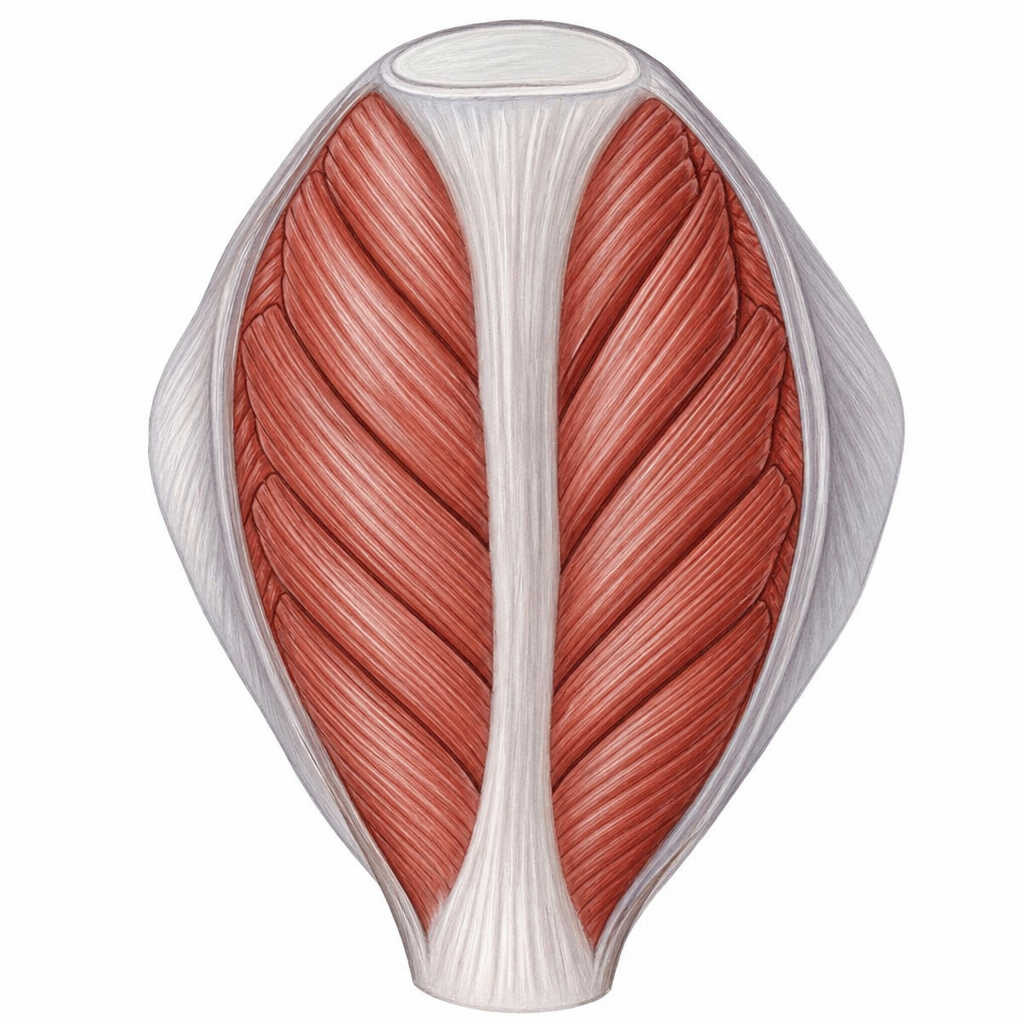
Question 16: What is the primary function of the deltoid muscle?
- A. Adduction of the shoulder
- B. Abduction of the shoulder (Correct Answer)
- C. Flexion of the elbow
- D. Extension of the wrist
Explanation: ***Abduction of the shoulder*** - The **deltoid muscle** is the major muscle responsible for **abducting the arm** at the shoulder joint, particularly after the initial 15-20 degrees. - Its different parts (anterior, middle, posterior) also contribute to flexion, extension, and rotation, but **abduction** is its primary and most powerful action. *Adduction of the shoulder* - **Adduction of the shoulder** involves moving the arm towards the midline of the body, which is primarily performed by muscles such as the **latissimus dorsi** and **pectoralis major**. - While some fibers of the deltoid can assist in adduction from certain positions, it is not its primary function. *Flexion of the elbow* - **Flexion of the elbow** involves bending the arm at the elbow joint and is primarily performed by muscles like the **biceps brachii**, **brachialis**, and **brachioradialis**. - The deltoid muscle is located at the shoulder and has no direct action on the elbow joint. *Extension of the wrist* - **Extension of the wrist** involves bending the hand backward at the wrist joint and is primarily performed by muscles in the forearm such as the **extensor carpi radialis** and **extensor digitorum**. - The deltoid muscle is a shoulder muscle and does not act on the wrist joint.
Question 17: Nerves of pharyngeal arch develop from
- A. Mesoderm
- B. Neural crest cells (Correct Answer)
- C. Neuroectoderm
- D. Ectoderm
Explanation: ***Neural crest cells*** - **Neural crest cells** are a multipotent, migratory population of cells that arise from the dorsal part of the neural tube and contribute to a wide array of tissues, including the nerves of the pharyngeal arches (clefts). [1] - They give rise to components of the peripheral nervous system, including **sensory ganglia**, autonomic ganglia, and some cranial nerves associated with the pharyngeal arches. [2] *Mesoderm* - **Mesoderm** is one of the three primary germ layers that forms during early embryonic development. - It primarily gives rise to muscle, bone, connective tissue, and the circulatory system, but not the nerves of the pharyngeal structures. *Neuroectoderm* - **Neuroectoderm** refers to the part of the ectoderm that gives rise to the nervous system, but specifically it differentiates into the neural tube and neural crest. - While neural crest cells originate from neuroectoderm, the direct derivative for the pharyngeal nerves are the **neural crest cells** themselves after migration. *Ectoderm* - The **ectoderm** is the outermost of the three germ layers and gives rise to the epidermis, hair, nails, and the nervous system. - While the nervous system originates from ectoderm, the specific cell type for pharyngeal arch nerves is the **neural crest**, which is a specialized derivative of the ectoderm.
Question 18: Wallenberg syndrome involves which artery?
- A. Subclavian artery
- B. Posterior cerebral artery
- C. Posterior inferior cerebellar artery (Correct Answer)
- D. Anterior inferior cerebellar artery
Explanation: ***Posterior inferior cerebellar artery*** - **Wallenberg syndrome**, also known as **lateral medullary syndrome**, is most commonly caused by an infarction in the territory supplied by the **posterior inferior cerebellar artery (PICA)**. - The PICA supplies the **lateral medulla**, which contains several crucial nuclei and tracts, including the nucleus ambiguus, trigeminal nucleus, vestibular nuclei, and spinothalamic tract, leading to the characteristic clinical presentation of Wallenberg syndrome. *Subclavian artery* - The **subclavian artery** is a large artery in the upper thorax that supplies blood to the upper limbs, head, and neck. - While it can be involved in conditions like **subclavian steal syndrome**, it does not directly supply the lateral medulla responsible for Wallenberg syndrome. *Posterior cerebral artery* - The **posterior cerebral artery** primarily supplies the occipital lobe, temporal lobe, and parts of the thalamus and midbrain. - Infarction in the PCA territory typically leads to symptoms like **hemianopia**, visual field defects, and memory deficits, not the constellation of symptoms seen in Wallenberg syndrome. *Anterior inferior cerebellar artery* - The **anterior inferior cerebellar artery (AICA)** supplies the anterior and lateral parts of the cerebellum and the pontomedullary junction, leading to **lateral pontine syndrome** when infarcted. - Symptoms of AICA infarction include ipsilateral facial paralysis, hearing loss, and cerebellar ataxia, which are distinct from Wallenberg syndrome.
Question 19: Nasopharyngeal chordoma arises from:-
- A. Luschka's bursa
- B. Pharyngeal bursa
- C. Rathke's pouch
- D. Notochord (Correct Answer)
Explanation: Correct Option: Notochord - **Chordomas** are rare malignant tumors that arise from embryonic remnants of the **notochord** [1] - The notochord is a flexible rod-like structure that forms the primitive axial skeleton during embryonic development - Chordomas typically occur along the **midline** at sites where notochordal remnants persist, most commonly at the **skull base (clivus/nasopharynx)** and **sacrococcygeal region** [1] Incorrect Option: Luschka's bursa - **Luschka's bursa** (also known as the pharyngeal bursa) is a small indentation or pocket in the nasopharynx posterior to the pharyngeal tonsil - While located in the nasopharynx, it is a **normal anatomical structure**, not an embryological remnant that gives rise to tumors - Not associated with chordoma development Incorrect Option: Pharyngeal bursa - **Pharyngeal bursa** is another term for **Luschka's bursa** (they are synonymous) - It is a normal anatomical structure in the nasopharynx - Not related to the embryonic remnants that give rise to chordomas Incorrect Option: Rathke's pouch - **Rathke's pouch** is an embryonic invagination of the stomodeum (primitive oral cavity) that gives rise to the **anterior pituitary gland** - Tumors arising from remnants of Rathke's pouch are **craniopharyngiomas**, which are distinct from chordomas - Craniopharyngiomas are typically suprasellar, while chordomas are more commonly found at the clivus or sacrum
Question 20: During acute tonsillitis, referred pain from the tonsil to the middle ear occurs via which nerve?
- A. Facial nerve
- B. Glossopharyngeal nerve (Correct Answer)
- C. Trigeminal nerve
- D. Vagus nerve
Explanation: ***Glossopharyngeal nerve*** - The **glossopharyngeal nerve (CN IX)** provides sensory innervation to the palatine tonsil via its tonsillar branches - CN IX also supplies the middle ear via the **tympanic nerve (Jacobson's nerve)**, which forms the tympanic plexus - This shared sensory pathway explains **referred otalgia** (ear pain) during acute tonsillitis - Inflammation of the tonsil stimulates CN IX, and the brain misinterprets this as pain from the middle ear *Facial nerve* - The **facial nerve (CN VII)** primarily provides motor innervation to muscles of facial expression and taste to the anterior two-thirds of the tongue - While it has a small sensory component (nervus intermedius) for the external auditory canal, it does not innervate the tonsil - Cannot serve as the pathway for referred pain from tonsil to middle ear *Trigeminal nerve* - The **trigeminal nerve (CN V)** provides sensory innervation to the face, anterior scalp, and oral cavity - Does not innervate the palatine tonsil or the middle ear cavity - Not involved in tonsillar referred otalgia *Vagus nerve* - The **vagus nerve (CN X)** provides sensory innervation to parts of the pharynx, larynx, and external auditory canal (via Arnold's nerve) - While it contributes to pharyngeal sensation, the **glossopharyngeal nerve is the primary pathway** for referred otalgia from tonsillar inflammation due to its direct innervation of both the tonsil and middle ear