Cardiovascular Drugs Indian Medical PG Flashcards - Medical Study Cards
Master Cardiovascular Drugs with OnCourse flashcards. These spaced repetition flashcards are designed for medical students preparing for NEET PG, USMLE Step 1, USMLE Step 2, MBBS exams, and other medical licensing examinations.
Cardiovascular Drugs Flashcard Deck - 172 Cards
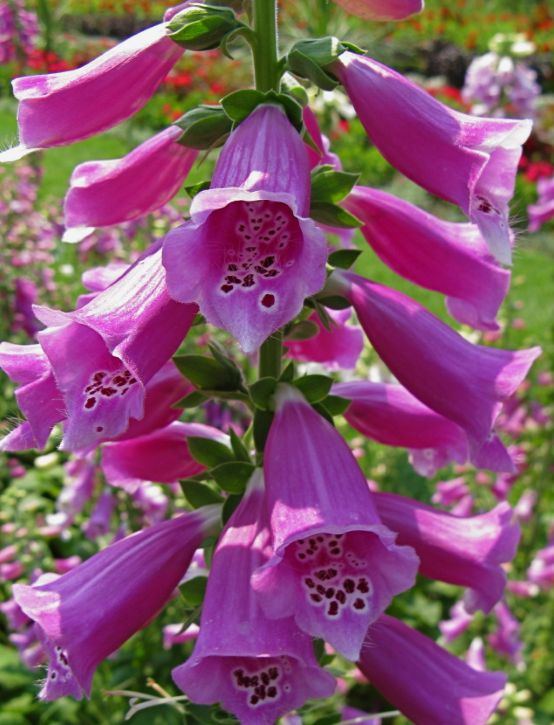
Flashcard 1: The following is a flower of? _____
Answer: Digitalis Purpurea
Flashcard 2: Ezetimibe indirectly _____ HMG CoA reductase activity and thus increases cholesterol synthesis by the liver
Answer: increases
Flashcard 3: Blood & Inflammation (Dyslipidemia drugs) _____, a supplement high in omega-3 fatty acids, may be used to lower serum triglyceride levels
Answer: Fish oil
Flashcard 4: Cardiovascular (Antiarrhythmics) _____ is an ion that may be used as an antiarrhythmic to treat torsades de pointes
Answer: Magnesium
Flashcard 5: Class _____ antiarrhythmics treat arrhythmias by directly blocking Ca2+ current in the SA and AV nodes
Answer: IV
Flashcard 6: Milrinone causes arteriolar _____ and thus decreased afterload
Answer: dilation
Flashcard 7: Class I_____ antiarrhythmics are especially effective at treating atrial fibrillation (and flutter)
Answer: C
Flashcard 8: _____ inhibits the cholesterol transport protein NPC1L1 in the intestinal mucosa and reduces the absorption of both dietary and biliary cholesterol
Answer: Ezetimibe
Flashcard 9: First Aid Pharmacology: Cardiovascular_____ and acebutolol are both partial -agonists that are contraindicated in angina
Answer: Pindolol
Flashcard 10: Cardiovascular/RenalACE inhibitors and ARBs _____ sodium and bicarbonate reabsorption at the proximal convoluted tubule
Answer: decrease
Flashcard 11: Nitrates are often combined with _____ to help prevent reflex sympathetic activation
Answer: -blockers
Flashcard 12: Sacubitril is an antihypertensive that may be combined with _____ for the treatment of chronic systolic heart failure
Answer: ARBs
Flashcard 13: Adenosine activates inhibitory _____ receptors on the myocardium of the SA and AV nodes
Answer: A1
Flashcard 14: Potent vasodilation (e.g. following hypertensive therapy) may cause hypotension followed by reflex _____ and increased renin levels
Answer: tachycardia
Flashcard 15: Dyslipidemia drugs _____ exert their effects by inhibiting the enzyme HMG CoA reductase, thus decreasing cholesterol production
Answer: Statins (e.g. simvastatin, atorvastatin, rosuvastatin)
Flashcard 16: Calcium Channel Blockers (CCBs) _____ CCBs decrease cardiac contractility and cardiac output
Answer: Non-dihydropyridine
Flashcard 17: Cardiovascular (Cardiac Glycosides) _____ toxicity may cause blurry yellow vision, known as xanthopsia
Answer: Digitalis
Flashcard 18: Hydralazine can cause hypotension, which may induce a reflex _____ that can worsen angina
Answer: tachycardia
Flashcard 19: Class I_____ antiarrhythmics can cause neurological side effects (e.g. paresthesias, tremor, convulsions)
Answer: B
Flashcard 20: Nonspecific adverse effects of dihydropyridine CCBs include headache, _____, and flushing
Answer: dizziness
Flashcard 21: _____ is a selective bradykinin B2 receptor competitive antagonist.
Answer: Icatibant
Flashcard 22: _____ is approved for use in homozygous familial hypercholesterolemia.
Answer: Lomitapide
Flashcard 23: First Aid Pharmacology: Cardiovascular/RenalARBs are contraindicated during _____ due to possible teratogenic effects
Answer: pregnancy
Flashcard 24: Cardiovascular (Antiarrhythmics) _____ is a class III antiarrhythmic that also has class II (-blocker) activity
Answer: Sotalol
Flashcard 25: _____ and tadalafil are examples of PDE-5 inhibitors
Answer: Sildenafil
Flashcard 26: Vasospastic angina is relieved by _____ drugs, dihydropyridine Ca2+ channel blockers, and smoke cessation (if applicable)
Answer: nitrate
Flashcard 27: Prostacyclin analogs (epoprostenol/iloprost) can cause decreased platelet _____ and are potent vasodilators.
Answer: aggregation
Flashcard 28: Cardiovascular (Antihypertensives) _____ and angiotensin II receptor blockers are first line treatment for hypertension in patients with heart failure, MI, and/or diabetes
Answer: ACE inhibitors
Flashcard 29: Cardiovascular (Antiarrhythmics) _____, a class IA antiarrhythmic, can cause a reversible SLE-like syndrome as an adverse effect
Answer: Procainamide
Flashcard 30: Iloprost and Epoprostenol are _____ analogues that can be used to treat Pulmonary Hypertension
Answer: prostacyclin (PGI2)
Flashcard 31: Triptans are contraindicated in patients with _____ or Prinzmental angina
Answer: CAD
Flashcard 32: Class _____ antiarrhythmics treat arrhythmias by blocking sympathetic input to the SA and AV nodes
Answer: II
Flashcard 33: drugs_____ is an 2 agonist that may be used to treat hypertensive urgency (limited situations)
Answer: Clonidine
Flashcard 34: Cardiovascular (Antiarrhythmics) _____ is a first line agent for acute treatment of supraventricular arrhythmias
Answer: Adenosine
Flashcard 35: What is the mechanism of action of Vernakalant?_____ and voltage-dependent block of the early and late components of the sodium current.
Answer: frequency
Flashcard 36: Calcium Channel Blockers (CCBs) _____ CCBs primarily block L-type calcium channels in smooth muscle
Answer: Dihydropyridine
Flashcard 37: _____ is a soluble guanylate cyclase stimulator, indicated in the treatment of pulmonary artery hypertension.
Answer: Riociguat
Flashcard 38: Ivabradine is indicated for chronic _____ in patients who cannot take beta blockers
Answer: stable angina
Flashcard 39: Pharmacology: Blood & Inflammation (Dyslipidemia drugs) _____ are the most effective drugs for decreasing serum triglycerides
Answer: Fibrates
Flashcard 40: Ivabradine can cause cardiac side effects of _____ and hypertension
Answer: bradycardia
Flashcard 41: Side effects of PDE-5 inhibitors include headache, flushing, _____, and cyanopia (blue-tinted vision)
Answer: dyspepsia
Flashcard 42: All type III antiarrhythmics (K+ channel blockers) can _____ the QT interval on EKG
Answer: widen
Flashcard 43: Calcium Channel Blockers (CCBs) _____ CCBs may be used to treat Raynaud's phenomenon, which is an exaggerated vascular response to cold temperature or emotional stress
Answer: Dihydropyridine
Flashcard 44: Hydralazine is contraindicated in patients with _____ and CAD
Answer: angina
Flashcard 45: Class I_____ antiarrhythmics may have proarrhythmic effects and are thus contraindicated in patients with structural heart disease or ischemic heart disease
Answer: C
Flashcard 46: -blockers treat angina by reducing _____ and contractility, thus decreasing myocardial O2 demand
Answer: HR
Flashcard 47: Because Class IC antiarrhythmics have a strong binding affinity and dissociate primarily during diastole, an _____ heart rate results in an increased QRS complex
Answer: increased
Flashcard 48: Digoxin exerts parasympathomimetic effects via direct stimulation of the _____ nerve, causing AV nodal inhibition
Answer: vagus
Flashcard 49: Calcium Channel Blockers (CCBs) _____ CCBs are relatively contraindicated in patients with heart block or heart failure due to their ability to cause cardiac depression
Answer: Non-dihydropyridine
Flashcard 50: Dyslipidemia drugs _____ upregulate the enzyme lipoprotein lipase (LPL) by activating PPAR-
Answer: Fibrates
Flashcard 51: PCSK9 Inhibitors (_____ and evolocumab) work by inactivating LDL-receptor degradation, resulting in a dramatic decrease in LDL
Answer: alirocumab
Flashcard 52: _____ is a newer antiarrhythmic agent indicated in atrial fibrillation.
Answer: Vernakalant
Flashcard 53: _____ inhibitors such as sildenafil (viagra) cause decreased cGMP breakdown, thus maintaining an erection
Answer: PDE-5
Flashcard 54: Cardiovascular/Renal_____ is a direct renin inhibitor
Answer: Aliskiren
Flashcard 55: What four drug classes are used in the treatment of primary hypertension? 1. _____2. ACE inhibitors3. Angiotensin II receptor blockers (ARBs)4. Dihydropyridine Ca2+ channel blockers
Answer: Thiazide diuretics
Flashcard 56: Adverse effects associated with adenosine include _____ pain and a sense of impending doom
Answer: chest
Flashcard 57: _____ is a selective endothelin receptor A (ET A) antagonist which is used in the management of pulmonary artery hypertension
Answer: Ambrisentan
Flashcard 58: Cardiovascular _____ blockers are a first-line treatment for Prinzmetal angina, due to their ability to prevent vasoconstriction in the coronary vasculature
Answer: Ca2+ channel
Flashcard 59: Cardiovascular (Antihypertensives) _____ is safe to use in pregnant women experiencing hypertensive emergency
Answer: Hydralazine
Flashcard 60: Dyslipidemia drugs _____ is the most effective drug for increasing serum HDL
Answer: Niacin (B3)
Flashcard 61: Class III antiarrhythmics (K+ channel blockers) exert their effects by prolonging phase _____ and 3 of the myocardial action potential
Answer: 2
Flashcard 62: Class I antiarrhythmics _____ the slope of phase 0 (upstroke) of the myocardial action potential
Answer: decrease
Flashcard 63: Activation of A1 receptors in the myocardium by adenosine _____ inward Ca2+ current
Answer: decreases
Flashcard 64: To remember the drugs that are safe to treat hypertension in pregnancy: H_____LabetalolMethyldopaNifedipine
Answer: ydralazine
Flashcard 65: Nitrates primarily cause _____ dilation, causing decreased pre-load
Answer: venous
Flashcard 66: Cardiovascular (Antiarrhythmics) _____ is an anti-arrhythmic that rarely causes immunologic reactions, resulting in thrombocytopenia
Answer: Quinidine
Flashcard 67: Cardiovascular/Renal_____ inhibitors may cause a dry cough due to lung irritation, secondary to increased bradykinin
Answer: ACE
Flashcard 68: In adults, Alprostadil can be used for _____ dysfunction or critical limb ischemia due to its ability to cause potent vasodilation
Answer: erectile
Flashcard 69: Calcium Channel Blockers (CCBs) _____ CCBs are useful for treating angina due to their ability to cause coronary vaso-dilation
Answer: Dihydropyridine
Flashcard 70: Niacin leads to _____ serum LDL by reducing VLDL synthesis
Answer: moderately decreased
Flashcard 71: Cardiovascular (Antiarrhythmics) _____ is a lipophilic class III antiarrhythmic that also shares properties with class I, II, and IV antiarrhythmics
Answer: Amiodarone
Flashcard 72: Nebivolol blocks _____ receptors and stimulates 3 receptors
Answer: 1
Flashcard 73: Cabergoline, Bromocriptine, and Pergolide are D2 agonists (_____ derivatives) and associated with valvular heart disease.
Answer: ergot
Flashcard 74: drugs_____ is an 2 agonist that is primarily used to treat gestational hypertension
Answer: -methyldopa
Flashcard 75: Cardiovascular/Renal_____ inhibitors are contraindicated in patients with hereditary angioedema, which is characterized by a C1 esterase inhibitor deficiency
Answer: ACE
Flashcard 76: Because iloprost and epoprostenol are potent vasodilators, these may cause symptoms of _____, headache, and hypotension
Answer: cutaneous flushing
Flashcard 77: Hydralazine combined with a _____ provides a mortality benefit for some patients with heart failure
Answer: nitrate
Flashcard 78: _____ is a topical non-selective -blocker that is used to treat open angle glaucoma
Answer: Timolol
Flashcard 79: Dyslipidemia drugs _____ is a lipid-lowering agent that blocks absorption of cholesterol at the small intestinal brush border
Answer: Ezetimibe
Flashcard 80: Dyslipidemia drugs _____ significantly reduce LDL levels (30-60% reductions)
Answer: Statins
Flashcard 81: ACE inhibitors can cause significant _____ which can lead to syncope in patients with high renin levels (e.g. heart failure, diuretic use)
Answer: hypotension
Flashcard 82: Drugs used for management of HOCM include _____ blockers and non-dihydropyridine calcium channel blockers
Answer: beta
Flashcard 83: _____ is the only lipid-lowering agent that lowers lipoprotein(a) levels significantly.
Answer: Niacin
Flashcard 84: Hydralazine is often co-administered with a _____ to minimize the reflexive sympathetic activation and tachycardia
Answer: -blocker
Flashcard 85: Does digoxin reduce mortality in patients with chronic heart failure?_____
Answer: No
Flashcard 86: Cardiovascular/Renal_____ inhibitors decrease heart remodeling induced by high levels of angiotensin II (e.g. chronic hypertension)
Answer: ACE
Flashcard 87: Nesiritide, a _____ analog, causes Na+ loss through diuresis
Answer: BNP
Flashcard 88: Cardiovascular (Antiarrhythmics) _____ and sotalol (class III antiarrhythmics) may be used to treat ventricular tachycardia
Answer: Amiodarone
Flashcard 89: class II antiarrhythmics, such as _____, can be used for intra-operative or other acute supraventricular arrhythmias (very short acting)
Answer: Intravenous
Flashcard 90: Adenosine causes coronary _____ via its action on A2 receptors
Answer: dilation
Flashcard 91: Hydralazine is often combined with an _____ to treat heart failure due to LV systolic dysfunction
Answer: organic nitrate
Flashcard 92: Selective _____ receptor agonist used in the long term management of HTN isMoxonidine
Answer: imidazoline
Flashcard 93: Cardiovascular (Antiarrhythmics) _____, a class III antiarrhythmic, can cause both hyper- or hypo-thyroidism
Answer: Amiodarone
Flashcard 94: _____, Rosuvastatin and Pitavastatin have a long half-life and may be taken at any time of the day.
Answer: Atorvastatin
Flashcard 95: Nesiritide causes arteriolar and venous _____ and thus decreased afterload and preload
Answer: dilation
Flashcard 96: Amiodarone, a class III antiarrhythmic, can act as a _____, resulting in gray corneal microdeposits
Answer: hapten
Flashcard 97: Bile acid resins (e.g. cholestyramine) indirectly _____ HMG CoA reductase activity and thus increase cholesterol synthesis by the liver
Answer: increase
Flashcard 98: Black and elderly patients respond well to _____ and long-acting dihydropyridine Ca2+ channel blockers for treatment of primary hypertension
Answer: hydrochlorothiazide
Flashcard 99: Antihypertensives _____ causes vasodilation equally at the arteries and veins via nitric oxide, which is useful during the treatment of hypertensive emergency
Answer: Nitroprusside
Flashcard 100: Sildenafil inhibits _____ and prolongs the vasodilatory effect of nitric oxide
Answer: PDE-5
Flashcard 101: Class I antiarrhythmics bind to Na+ channels in their _____ or inactivated state
Answer: open
Flashcard 102: Calcium Channel Blockers (CCBs) _____ CCBs primarily block L-type calcium channels in cardiac muscle
Answer: Non-dihydropyridine
Flashcard 103: Hydralazine primarily dilates _____, leading to a decreased after-load
Answer: arterioles
Flashcard 104: At _____ doses, dopamine stimulates 1 receptors
Answer: medium
Flashcard 105: What does Ivabradine do to:Chronotropy = _____Inotropy = No effect
Answer: Negative Effect
Flashcard 106: Drug useful in mx of hypertension with gout include _____ and calcium channel blockers
Answer: ARBs
Flashcard 107: Calcium Channel Blockers (CCBs) _____ Ca2+ channel blockers may cause hyper-prolactinemia as an adverse effect
Answer: Non-dihydropyridine
Flashcard 108: Antihypertensives _____ is a D1 receptor agonist that may be used in the treatment of hypertensive emergency to prevent kidney damage
Answer: Fenoldopam
Flashcard 109: Class II antiarrhythmics (-blockers) suppress abnormal pacemakers by decreasing the _____ of phase 4 of the nodal action potential
Answer: slope
Flashcard 110: First Aid Pharmacology: Cardiovascular_____ works by inhibiting the funny sodium (If) channels, prolonging phase 4 of the nodal action potential
Answer: Ivabradine
Flashcard 111: Class _____ antiarrhythmics block activated and inactivated L-type calcium channels
Answer: IV
Flashcard 112: Class I_____ antiarrhythmics can cause QT interval prolongation which precipitates torsades de pointes
Answer: A
Flashcard 113: Class _____ antiarrhythmics treat ventricular arrhythmias, especially in ischemic tissue (e.g. post-MI)
Answer: IB
Flashcard 114: First Aid Pharmacology: Respiratory _____ is a non-selective competitive endothelin-1 receptor antagonist used to treat pulmonary hypertension
Answer: Bosentan
Flashcard 115: Nitrates may cause throbbing _____ and cutaneous flushing as possible side effects
Answer: headaches
Flashcard 116: Capillary hemangiomas in sensitive areas require immediate rx to reduce the bulk of the tumor, with drugs such as _____
Answer: propranolol
Flashcard 117: Which anti-VEGF ligands are given intra-venously?_____
Answer: Verteporfin
Flashcard 118: The oral thrombin inhibitor which can be used for the prevention of stroke in patients with non-valvular atrial fibrillation is _____.
Answer: dabigatran
Flashcard 119: What is the DOC for rx of supraventricular bradyarrhythmia (eg. atrioventricular block (type 1 or 2))?_____
Answer: IV atropine
Flashcard 120: _____ is a calcium sensitiser that can be administered to patients with acute decompensated congestive heart failure
Answer: Levosimendan
Flashcard 121: _____ is a cardioselective beta blocker having NO release properties
Answer: Celiprolol
Flashcard 122: Ketamine has a direct _____ ionotropic effect on the myocardium
Answer: negative
Flashcard 123: _____ CCBs must be avoided in patients in hypertrophic cardiomyopathy, as it can lead to an increase in LVOT obstruction
Answer: Dihydropyridine
Flashcard 124: Lidocaine is _____effective in the treatment of atrial fibrillation.
Answer: in
Flashcard 125: ACE inhibitors by inhibiting the formation of angiotensin II shifts the renal pressure natriuresis curve to _____
Answer: left
Flashcard 126: Microsomal triglyceride transfer inhibitor (MTP) is _____.
Answer: lomitapide
Flashcard 127: Amiodarone inhibits type _____ deiodinase.
Answer: I and II
Flashcard 128: Which antiarrhythmic drug can be associated with gynecomastia?_____
Answer: Digoxin
Flashcard 129: ACE inhibitors, when used for a long time in patients with hypertension, causes a reduction in _____.
Answer: filtration fraction
Flashcard 130: The following is a flower of? _____
Answer: Digitalis Purpurea
Flashcard 131: _____ is a myosin activator used in the mx of systolic heart failure
Answer: Omecamtiv Mecarbil
Flashcard 132: _____ is approved for treatment of heart failure with reduced ejection fraction and can be used in renal impairment
Answer: Empaglifozin (Anti diabetic)
Flashcard 133: Which opioid analgesic is associated with QT prolongation?_____
Answer: Methadone
Flashcard 134: Does MgSO4 help in controlling hypertension?_____
Answer: NO
Flashcard 135: Which SGLT-2 inhibitor is associated with decrease in the risk of mortality from cardiovascular causes in diabetic patients?_____
Answer: Empagliflozin
Flashcard 136: Which beta-blocker has additional anti-oxidant and CCB property?_____
Answer: Carvedilol
Flashcard 137: _____ is a frequent side effect of oral verapamil.
Answer: Constipation
Flashcard 138: All parts of plant Nerium odorum contain neriodin, neriodorein and karabin which are _____
Answer: cardiac glycosides
Flashcard 139: _____ is a newer antianginal drug that is a pFOX inhibitor
Answer: Trimetazidine
Flashcard 140: _____ can be administered as a single bolus dose for coronary thrombolysis.
Answer: Tenecteplase
Flashcard 141: Which alpha 1 blocker has additional PDE inhibitory effect?_____
Answer: Prazosin
Flashcard 142: Most powerful vasoconstrictor is _____.
Answer: urotensin2
Flashcard 143: What is the first line pharmacologic rx for multifocal atrial tachycardia?_____
Answer: CCBs like verapamil and diltiazem
Flashcard 144: _____ is an oral soluble guanylate cyclase stimulator that can be used in the treatment of chronic heart failure with reduced ejection fraction.
Answer: Vericiguat
Flashcard 145: Beventalol has _____ blocking action
Answer: plus
Flashcard 146: Which ACE inhibitors are NOT prodrugs?_____
Answer: Lisinopril and Captopril
Flashcard 147: _____, an angiotensin receptor blocker (ARB) has shown evidence of having PPAR gamma agonist action.
Answer: Telmisartan
Flashcard 148: _____ is a neprilysin and ACE inhibitor developed for heart failure
Answer: Omapatrilat
Flashcard 149: Cilnidipine is a dihydropyridine calcium channel blocker which blocks _____type calcium channels.
Answer: both N and L-
Flashcard 150: _____ - Most Rapid-acting PDE-5 inhibitor
Answer: Avanafil
Flashcard 151: Inhaled _____ is approved for use in persistent pulmonary hypertension.
Answer: nitric oxide (NO)
Flashcard 152: Verapamil can be used in the treatment of _____.
Answer: PSVT::Arrythmia
Flashcard 153: Alirocumab is a PCSK9 inhibitor that is approved for use in _____ hypercholesterolemia.
Answer: familial
Flashcard 154: Conditions aggravating digoxin toxicity:_____kalemia_____calcemia_____magnesemia_____natremia
Answer: Hypo; Hyper; Hypo; Hyper
Flashcard 155: _____ is an orally active prostacyclin receptor agonist.
Answer: Selexipag
Flashcard 156: _____ man syndrome which is most likely caused by _____.
Answer: Blue::Color; amiodarone
Flashcard 157: _____ is a PDE-3 inhibitor used in the management of peripheral vascular disease
Answer: Cilostazol
Flashcard 158: _____ is a tocolytic agent that causes tachycardia, pulmonary edema, hypotension and hypokalemia in mother
Answer: Ritodrine
Flashcard 159: Drug of choice of paroxysmal supraventricular tachycardia is ?
Answer: Adenosine
Flashcard 160: Drug of choice for hypertension with hyperlipidemia is
Answer: Amlodipine
Flashcard 161: Drug of choice for classical angina attack -
Answer: Nitroglycerin
Flashcard 162: Drug of choice for torsades de pointes?
Answer: Magnesium sulfate
Flashcard 163: Drug of choice for cardiogenic shock -
Answer: Norepinephrine
Flashcard 164: The drug of choice for type IIa and IIb hyperlipoproteinemias are _______.
Answer: Statins
Flashcard 165: Drug of choice for acute PSVT
Answer: Adenosine
Flashcard 166: Drug of choice for ventricular arrhythmias due to mycardial infarction (MI) is:
Answer: Amiodarone
Flashcard 167: Drug of choice for Right heart failure is
Answer: Sacubitril/Valsartan
Flashcard 168: The drug of choice for type III/IV hyperlipoproteinemias are _______.
Answer: Fibrates
Flashcard 169: Drug of choice for hypertension with osteoporosis:
Answer: ACE inhibitors
Flashcard 170: Drug of choice for ventricular tachycardia in a patient with myocardial ischemia is:
Answer: Lignocaine
Flashcard 171: Drug of choice for managing asthmatic patient with hypertension:
Answer: ACE inhibitors or ARBs
Flashcard 172: Drug of choice for Digoxin induced Ventricular Tachycardia:-
Answer: Lidocaine
Keywords: Cardiovascular Drugs flashcards, medical flashcards, NEET PG preparation, USMLE Step 1 flashcards, Anki alternative, spaced repetition medical, OnCourse flashcards