Immunopathology Indian Medical PG Flashcards - Medical Study Cards
Master Immunopathology with OnCourse flashcards. These spaced repetition flashcards are designed for medical students preparing for NEET PG, USMLE Step 1, USMLE Step 2, MBBS exams, and other medical licensing examinations.
Immunopathology Flashcard Deck - 83 Cards
Flashcard 1: LE cell is a phagocytic _____ or _____ that has engulfed the denatured nucleus of an injured cell
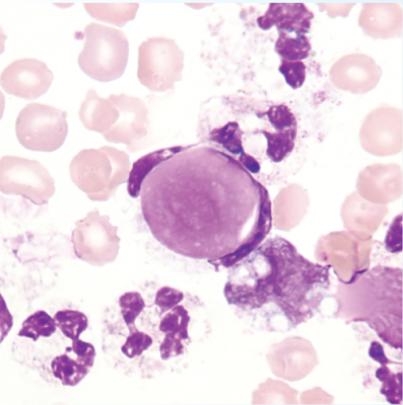
Answer: neutrophil
Flashcard 2: --- Do with heme ---
Type II Hypersensitivity Disorders - Cytotoxic:
Transfusion Reaction
- Antibody against _____
- IgM isohemagglutinins formed naturally in response to bacterial flora cause opsonization and complement activation
- Leads to hemolysis
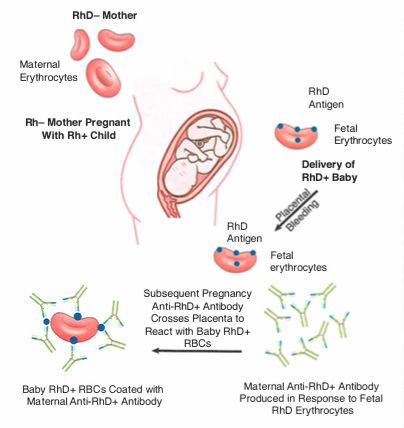
**Hemolytic Disease of the Newborn (Erythroblastosis fetalis)
Antibody = _____
- Formed in _____ mother carrying _____ child
- First pregnancy _____ (doesn't have to be viable pregnancy)
- Antibody crosses placenta and injures subsequent fetuses
- Prevent with _____ (anti-Rh, binds fetal red cells and prevents mothers immune system from reacting)
ABO blood typing and screening for other preformed Abs; always done in case of transplants.
Universal donor: type _____
Universal recipient: type _____
(Ex) Type A can donate to _____ and _____. Type A can receive donations from _____ and _____.
- Anti-B antibodies prevent donation from type B and type AB.
HLA Typing - Microcytotoxicity test
Tests for MHC _____
Test hundreds of different haplotypes to find a potential match.
Cells recognized by antibody will be attacked by complement and thus become leaky and take up dye.
HLA Typing - Mixed lymphocyte reaction
Tests for MHC class _____
Take donor cells and irradiate them (prevent proliferation). Irradiated cells are mixed with donor cells to see if proliferation occurs.
Higher radioactivity (thymidine) signifies _____ compatibility.
Answer: ABO blood glycoproteins
Flashcard 3: _____ cells are plasma cells characterized by the accumulation of multiple Russell bodies
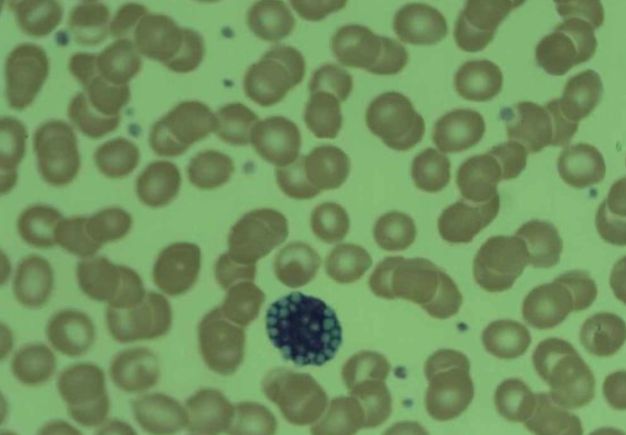
Answer: Mott
Flashcard 4: _____ syndrome is most commonly due to mutated CD40L on Th cells
Answer: Hyper-IgM
Flashcard 5: --- Do with heme ---Type II Hypersensitivity Disorders - Cytotoxic:Transfusion Reaction - Antibody against _____ - IgM isohemagglutinins formed naturally in response to bacterial flora cause opsonization and complement activation - Leads to hemolysis**Hemolytic Disease of the Newborn (Erythroblastosis fetalis)Antibody = Anti-RhD+ IgG - Formed in Rh- mother carrying Rh+ child - First pregnancy sensitizes (doesn't have to be viable pregnancy) - Antibody crosses placenta and injures subsequent fetuses - Prevent with RhoGAM (anti-Rh, binds fetal red cells and prevents mothers immune system from reacting) ABO blood typing and screening for other preformed Abs; always done in case of transplants.Universal donor: type OUniversal recipient: type AB (Ex) Type A can donate to type A and type AB. Type A can receive donations from type A and type O. - Anti-B antibodies prevent donation from type B and type AB. HLA Typing - Microcytotoxicity testTests for MHC class I (HLA-A, HLA-B)Test hundreds of different haplotypes to find a potential match. Cells recognized by antibody will be attacked by complement and thus become leaky and take up dye. HLA Typing - Mixed lymphocyte reactionTests for MHC class II (HLA-DR)Take donor cells and irradiate them (prevent proliferation). Irradiated cells are mixed with donor cells to see if proliferation occurs. Higher radioactivity (thymidine) signifies lower compatibility.
Answer: ABO blood glycoproteins
Flashcard 6: B-cell activation requires a costimulatory signal from binding between the _____ (B cell) and CD40 ligand (Th2 cell)
Answer: CD40 receptor
Flashcard 7: _____ is caused by a defect in the BTK gene
Answer: X-linked (Bruton) agammaglobulinemia
Flashcard 8: What HLA subtypes are associated with type I diabetes mellitus? _____ and DR4
Answer: DR3
Flashcard 9: IFN- acts to stimulate an anticancer immune environment in three ways- inhibit the proliferation of _____- activating lymphocytes- enhancing expression of MHCI/II
Answer: cancer cells
Flashcard 10: Type I HSR occurs due to cross-linking of Ig_____ on presensitized mast cells and basophils by antigen
Answer: E
Flashcard 11: _____ disease is characterized by recurrent infection and granuloma formation with catalase-positive organisms
Answer: Chronic granulomatous
Flashcard 12: Defective _____ interactions can cause autoimmune lymphoproliferative syndrome
Answer: Fas-FasL
Flashcard 13: Isolated IgA deficiency is associated with deficiency of IgG subtypes IgG_____ and IgG4.
Answer: 2
Flashcard 14: Inflammation in _____-myositis is mediated by CD-8+ T cells
Answer: poly
Flashcard 15: _____ cells are plasma cells characterized by the accumulation of multiple Russell bodies
Answer: Mott
Flashcard 16: What HLA subtypes are associated with Graves disease? _____ and DR3
Answer: B8
Flashcard 17: In _____ reaction, the locally formed immune complexes precipitate in the vessel wall and cause fibrinoid necrosis
Answer: Arthus
Flashcard 18: Definite diagnosis of IgG4-RD may be made by demonstrating IgG4 level exceeding _____ mg/dL, or >10 IgG4+ plasma cells per high-power field and an IgG4+:IgG+ plasma cell ratio of at least 40% on histologic tissue section
Answer: 135
Flashcard 19: _____ and centromeric pattern of staining is seen in systemic sclerosis
Answer: Nucleolar
Flashcard 20: Superantigens result in a large release of cytokines, leading to massive _____ and shock
Answer: vasodilation/hypotension
Flashcard 21: Tumor cells evade CD_____ T-cell immune surveillance by down-regulating MHC I expression
Answer: 8+
Flashcard 22: Immunodeficiences with decreased _____-cells tend to produce recurrent viral and fungal infections
Answer: T
Flashcard 23: _____ is due to a defect in LFA-1 integrin (CD18) protein on phagocytes
Answer: Leukocyte adhesion deficiency (type 1)
Flashcard 24: IgA antibodies of _____ are highly sensitive for nasopharyngeal cancer
Answer: VCA
Flashcard 25: Endotoxin/Lipopolysaccharide binding to CD14 and TLR4 of Macrophages releases _____, IL-6, TNF-a, and NO (proinflammatory cytokines)
Answer: IL-1
Flashcard 26: Vogt Koyanagi Harada syndrome is an autoimmune disease associated with HLA-_____ and HLA-DR4
Answer: DR1
Flashcard 27: Patients with _____ deficiency (complement) are unable to form the MAC (membrane attack complex) leading to increased Neisseria infections
Answer: C5b-C9
Flashcard 28: _____ is due to a defect in NADPH oxidase
Answer: Chronic granulomatous disease (CGD)
Flashcard 29: Activated regulatory T cells produce _____ IL-35 and TGF- (anti-inflammatory cytokines)
Answer: IL-10
Flashcard 30: Individuals with autoimmune polyendocrine syndrome 1 develop autoantibodies against IL-_____ and IL-22
Answer: 17
Flashcard 31: Chediak-Higashi syndrome is caused by a defect in the _____ gene, resulting in impaired phagolysosome formation
Answer: lysosomal trafficking regulator (LYST)
Flashcard 32: _____ is associated with defect at the level of the lymphoid stem cell.
Answer: Swiss type agammaglobulinemia
Flashcard 33: Type _____ collagen is targeted by autoantibodies in Goodpasture syndrome
Answer: IV
Flashcard 34: _____ or diffuse nuclear staining may reflect antibodies to chromatin and histones and, occasionally, double-stranded DNA.
Answer: Homogeneous
Flashcard 35: Immunodeficiencies with decreased _____-cells tend to produce recurrent bacterial, enterovirus, and Giardia infections
Answer: B
Flashcard 36: _____ on the surface of blood cells protects against complement-mediated damage by inhibiting C3 convertase
Answer: Decay accelerating factor (DAF)
Flashcard 37: VKC is primarily a type _____ hypersensitivity reaction, but also involves type 4
Answer: 1
Flashcard 38: _____ is a subtype of rhinitis due to a type I hypersensitivity reaction (e.g. to pollen)
Answer: Allergic rhinitis
Flashcard 39: Asthma pathogenesis: TH2 cells secrete IL-_____ which mediates class switching to IgE
Answer: 4
Flashcard 40: _____ cells are identified by expression of CD3, CD4, CD25, and FOXP3
Answer: Regulatory T
Flashcard 41: _____ deficiency results in hereditary angioedema
Answer: C1 esterase inhibitor
Flashcard 42: _____ is caused by cross-reactivity between Streptococcus pyogenes (GAS) antigens (M protein) and self-antigens
Answer: Rheumatic fever
Flashcard 43: _____ amyloidosis is characterized by systemic deposition of AL amyloid, which is derived from Ig light chain
Answer: Primary
Flashcard 44: LE cell is a phagocytic _____ or macrophage that has engulfed the denatured nucleus of an injured cell
Answer: neutrophil
Flashcard 45: Atypical HUS is often associated with defects in complement _____, membrane cofactor protein (CD46), and factor I
Answer: factor H
Flashcard 46: _____ is an IgM autoantibody against Fc portion of IgG
Answer: Rheumatoid factor
Flashcard 47: _____ is an antiphospholipid antibody that may result in false-positive VDRL and RPR tests
Answer: Anti-cardiolipin
Flashcard 48: In type III HSRs, antigen-antibody complexes activate _____, which attracts neutrophils
Answer: complement
Flashcard 49: _____ or peripheral staining may reflect antibodies to double-stranded DNA and sometimes to nuclear envelope proteins
Answer: Rim
Flashcard 50: Cytotoxic T cells may induce apoptosis of target cells via release of _____ and granzymes, which leads to activation of caspases
Answer: perforins
Flashcard 51: Deficiency of _____ is the most common complement protein deficiency.
Answer: C2
Flashcard 52: Deficiency of IgG1 causes repeated infections with _____ organisms
Answer: bacterial
Flashcard 53: Which interleukins produced by Th2 stimulate alternate pathway of macrophage activation?_____
Answer: IL-4 and IL-13
Flashcard 54: X-linked lymphoproliferative syndrome is due to mutations in the gene encoding an adaptor molecule called _____..
Answer: SLAM-associated protein (SAP)
Flashcard 55: Immediate phase of an allergic response is due to activation of _____
Answer: mast cells
Flashcard 56: _____ selectively recruits eosinophils.
Answer: Eotaxin (Specific chemokine)
Flashcard 57: Second/Late phase of an allergic response which usually occurs 2-24 hours after exposure is due to activation of _____
Answer: eosinophils
Flashcard 58: Type _____ antibodies in pernicious anemia recognize the and subunits of the gastric proton pump
Answer: III
Flashcard 59: Normal CD4+: CD8+ T lymphocyte ratio is _____
Answer: 2:1
Flashcard 60: _____ is the most serious form of combined immunodeficiency.
Answer: Reticular dysgenesis
Flashcard 61: Is graft rejection humoral or cell mediated?_____
Answer: Both
Flashcard 62: Chronic hemolytic transfusion reaction (AHTR) is Ig_____ mediated and caused by antibodies in patients previously sensitized to RBC antigens
Answer: G
Flashcard 63: Type _____ antibodies in pernicious anemia blocks the binding of vitamin B12 to intrinsic factor
Answer: I
Flashcard 64: Florid hyperplasia of B cell follicles and Follicle lysis is seen in _____ stages of HIV infection
Answer: early
Flashcard 65: _____ pattern of staining is one of the most commonly observed patterns of fluorescence (least specific) and seen with antibodies to non-DNA nuclear constituents such as Sm antigen, ribonucleoprotein, and SS-A and SS-B reactive antigens.
Answer: Speckled
Flashcard 66: Type 1 lepra rx is a type _____ hypersensitivity reaction
Answer: IV
Flashcard 67: Biopsy for IgG4 disease will demonstrate dense _____ infiltrate
Answer: lymphoplasmacytic
Flashcard 68: Phlyctenular conjunctivitis is a type _____ hypersensitivity reaction
Answer: 4
Flashcard 69: _____ differs from other types of hypersensitivity reactions in that, a single injection can serve both as the sensitizing dose and the shocking dose
Answer: Serum sickness
Flashcard 70: Deficiency of IgG3 causes repeated infections with _____ organisms
Answer: viral
Flashcard 71: SchultzDale phenomenon is a type _____ hypersensitivity reaction
Answer: I
Flashcard 72: Which immunoglobulin is responsible for hemolysis and opsonization?_____
Answer: IgM
Flashcard 73: Insulin resistant diabetes (against insulin receptor) is a type _____ hypersensitivity reaction*mechanism?
Answer: II
Flashcard 74: Severe lymphoid involution and hyalinization of the germinal centers is seen in _____ stages of HIV infection
Answer: late
Flashcard 75: Paracortical hyperplasia is caused by stimuli that trigger _____-cell mediated immune responses (eg. viral infections)
Answer: T
Flashcard 76: The immune ring of wessely is due to type _____ hypersensitivity reaction
Answer: 3
Flashcard 77: Vasculitis due to ANCA is a type of type _____ hypersensitivity reaction*mechanism?
Answer: II
Flashcard 78: Acute hemolytic transfusion reaction (AHTR) is Ig_____ mediated and caused by ABO incompatibility
Answer: M
Flashcard 79: Nude mice is not resistant to xenograft due to absence of _____.
Answer: T cell
Flashcard 80: Vascular rejection in organ graft is a type of type _____ hypersensitivity reaction*mechanism?
Answer: II
Flashcard 81: The most widely used method for detecting ANAs is _____
Answer: indirect immunofluorescence
Flashcard 82: Type 1 hypersensitivity occurs with _____ cell proliferation where the major cytokines involved are IL-4, IL-5 and IL-13.
Answer: TH2
Flashcard 83: A _____ nitro blue tetrazolium test is useful for diagnosis of Chronic granulomatous disease.
Answer: negative
Keywords: Immunopathology flashcards, medical flashcards, NEET PG preparation, USMLE Step 1 flashcards, Anki alternative, spaced repetition medical, OnCourse flashcards