Diseases of the Nose and Paranasal Sinuses Indian Medical PG Flashcards - Medical Study Cards
Master Diseases of the Nose and Paranasal Sinuses with OnCourse flashcards. These spaced repetition flashcards are designed for medical students preparing for NEET PG, USMLE Step 1, USMLE Step 2, MBBS exams, and other medical licensing examinations.
Diseases of the Nose and Paranasal Sinuses Flashcard Deck - 123 Cards
Flashcard 1: The immediate management for Septal hematoma is _____
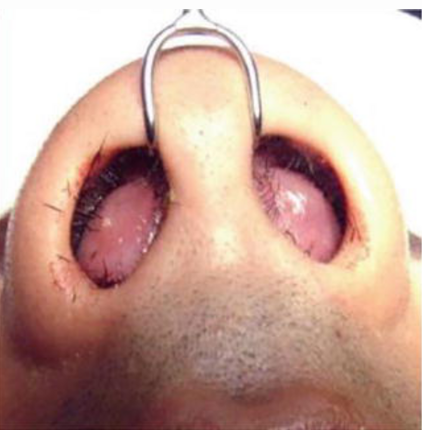
Answer: incision and drainage
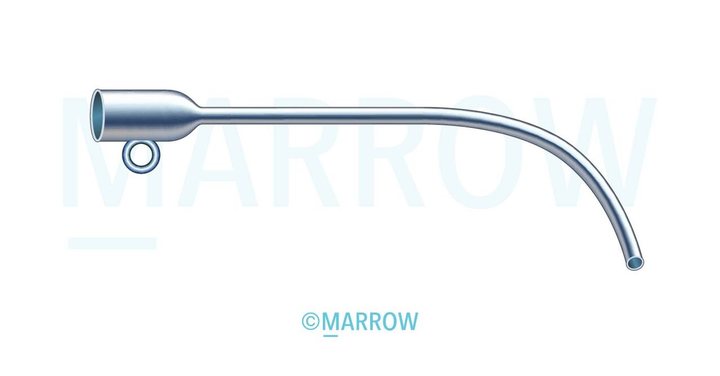
Flashcard 2: _____ is used in irrigation of maxillary sinus after intranasal antrostomy or Caldwell–Luc operation
Answer: Rose’s sinus douching cannula
Flashcard 3: The treatment of choice for inverted papilloma is _____
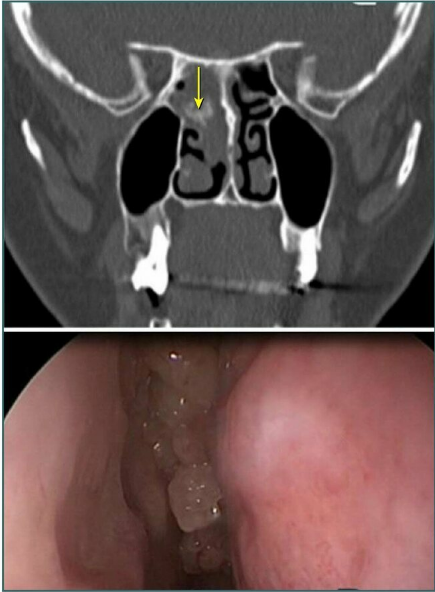
Answer: medial maxillectomy
Flashcard 4: Fossa of Rosenmuller (yellow arrow) is visualized during the _____ pass of diagnostic nasal endoscopy.
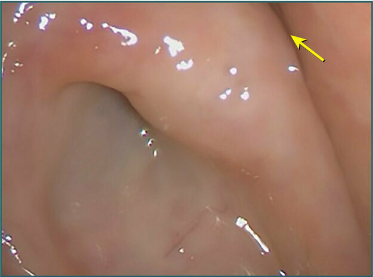
Answer: first
Flashcard 5: _____ may cause mechanical obstruction to frontal sinus drainage and lead to frontal sinusitis
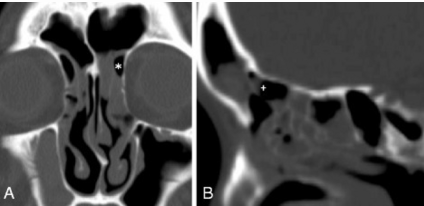
Answer: Agger nasi
Flashcard 6: _____ hypertrophy of the turbinates is seen in hypertrophic rhinitis.
Answer: Mulberry
Flashcard 7: _____ forceps is mainly used to reduce the bony nasal fracture.
Answer: Walsham
Flashcard 8: Most common cause of acute sinusitis is _____ rhinitis followed by bacterial invasion.
Answer: viral
Flashcard 9: Hypertrophied turbinate feels _____ on probe testing and cannot be moved up and down
Answer: firm
Flashcard 10: Clinical features of _____ polyps include nasal stuffiness, headache (due to sinusitis), sneezing, watery nasal discharge, anosmia/ hyposmia, mass protruding from the nasal cavity
Answer: ethmoidal
Flashcard 11: Rhinitis sicca affects _____ 1/3rd of the nose since this part is exposed to the effect of the dry, dusty air.
Answer: anterior
Flashcard 12: Antrochoanal polyps are _____lateral and single
Answer: uni
Flashcard 13: Choanal atresia is _____lateral>bilateral
Answer: uni
Flashcard 14: Ethmoidal polyps are _____lateral and multiple
Answer: bi
Flashcard 15: Chronic rhinosinusitis frequently causes _____ cysts in the maxillary sinus
Answer: mucus retention
Flashcard 16: Antral lavage is contraindicated in _____ maxillary sinusitis because of the risk of osteomyelitis
Answer: acute
Flashcard 17: Clinical features of _____ polyps include unilateral nasal obstruction which becomes bilateral when it grows posteriorly and obstructs opposite choana, mucoid nasal discharge, hyponasal voice
Answer: antrochoanal
Flashcard 18: Modified _____ operation is done for atrophic rhinitis.
Answer: Young s
Flashcard 19: Headache is localised to the frontal region in _____ and frontal sinusitis
Answer: maxillary
Flashcard 20: Alkaline nasal solution used to remove crusts in atrophic rhinits consists of a solution of: _____, Sodium bicarbonate and Sodium biboratedissolved in 280ml of water
Answer: Sodium chloride
Flashcard 21: DNS is associated with _____trophy of turbinates on opposite side of deviation.
Answer: hyper
Flashcard 22: _____ and allergy are main etiological factors for antrochoanal polyp
Answer: Infection
Flashcard 23: Both _____ can spread to the paranasal sinuses and result in necrosis around the nose
Answer: Mucormycosis and Aspergillus fumigatus
Flashcard 24: _____% cases of choanal atresia are bony and rest are mixed
Answer: 30
Flashcard 25: _____ test is done before selecting patient for surgery for DNS.
Answer: Cottle
Flashcard 26: The artery responsible for posterior epistaxis is _____, located at the posterior end of the middle turbinate
Answer: sphenopalatine artery
Flashcard 27: _____ rhinitis is also known as Ozaena.
Answer: Atrophic
Flashcard 28: Indications for surgery in a case of DNS are:Persistent _____ and recurrent headachesRecurrent sinusitis and otitis media.Recurrent epistaxis from septal spur.Septal deviation causing sleep apnea or hypopnoea syndrome.
Answer: nasal obstruction
Flashcard 29: Epistaxis may cause life-threatening hemorrhages if they occur in the _____ segment of the nostril (Woodruff's plexus)
Answer: posterior
Flashcard 30: _____lateral nasal obstruction, nasal discharge, and epistaxis are the main presenting symptoms for inverted papilloma
Answer: Uni
Flashcard 31: Rhinoscleroma has 3 stages: _____, granulomatous and cicatricial
Answer: Atrophic
Flashcard 32: Rhinitis caseosa is usually associated with suppurative _____ and is more common in males
Answer: sinusitis
Flashcard 33: Treatment for inverted papilloma is _____ via lateral rhinotomy or midfacial degloving approach
Answer: medial maxillectomy
Flashcard 34: _____ and allergy are the main etiological factors for an Antrochonal polyp
Answer: Infection
Flashcard 35: Antrochoanal polyp feels _____ on probe testing and can be moved up and down
Answer: soft
Flashcard 36: _____lateral nasal obstruction is seen with C-shaped DNS and bilateral with S-shaped DNS
Answer: Uni
Flashcard 37: Syphilis causes perforation in the _____ part of the septum
Answer: bony
Flashcard 38: DNS may be associated with developmental errors such as _____
Answer: cleft lip/plate
Flashcard 39: Which investigation is used to confirm the diagnosis of sinusitis?_____
Answer: Diagnostic nasal endoscopy
Flashcard 40: Rhinosporidiosis most commonly affects the immuno_____ individuals
Answer: competent
Flashcard 41: Which tumor arises from the olfactory epithelium of the nose?_____
Answer: Esthesioneuroblastoma
Flashcard 42: Antral lavage is used to confirm the diagnosis of _____ maxillary sinusitis and also therapeutic to remove pus.
Answer: chronic
Flashcard 43: Is fusterberg sign positive in a nasal glioma?_____
Answer: No
Flashcard 44: Edema of the both eyelids is seen in _____ sinusitis
Answer: ethmoid
Flashcard 45: What is the definitive test for diagnosing sinusitis?_____
Answer: Nasal endoscopy
Flashcard 46: Blood tinged nasal discharge, frank epistaxis, nasal stuffiness are all features of rhinos_____
Answer: poridiosis
Flashcard 47: Intrinsic causes of ET obstruction include Allergic _____, Rhinosinusitis or URTI
Answer: Rhinitis
Flashcard 48: Investigation of choice for antrochoanal polyp - _____
Answer: Nasal endoscopy
Flashcard 49: In Atrophic rhinitis, patient complain of paradoxical obstruction due to degeneration of _____ of nasal mucosa
Answer: sensory nerves
Flashcard 50: What is the most common presenting feature of septal hematoma?_____
Answer: Bilateral nasal obstruction
Flashcard 51: Can anosmia occur with DNS?_____
Answer: Yes
Flashcard 52: _____ incision is used in submucous resection surgery for deviated nasal septum
Answer: Killians
Flashcard 53: Can atrophic rhinitis occur with DNS?_____
Answer: Yes
Flashcard 54: Submucosal _____ extract can be used as a treatment option for atrophic rhinitis
Answer: placental
Flashcard 55: Capillary hemangioma arises from the _____ of the nose
Answer: septum
Flashcard 56: Headache in _____ sinusitis shows characteristic periodicity, also called as "office headache"
Answer: frontal
Flashcard 57: DNS is more common in _____ races
Answer: caucasian
Flashcard 58: FESS is contraindicated in any _____ complication of an acute infection
Answer: intracranial
Flashcard 59: Luc's forcep is used to take biopsy from nose or throat or to avulse a _____
Answer: polyp
Flashcard 60: What is the treatment of mucocele?_____
Answer: Frontoethmoidectomy
Flashcard 61: After dacryocystorhinostomy, the lacrimal sac drains into the _____ meatus.
Answer: middle
Flashcard 62: Angiofibroma can present with Progressive nasal obstruction, leading to rhinolalia _____
Answer: clausa
Flashcard 63: Medical treatment of rhinitis sicca consists of application of antibiotics and _____
Answer: steroids
Flashcard 64: What is the most common presenting feature of a nasal meningocele?_____
Answer: Nasal obstruction
Flashcard 65: _____ is contraindicated in diagnosing angiofibroma
Answer: Biopsy
Flashcard 66: _____lateral nasal obstruction and epistaxis are the presenting features of esthesioneuroblastoma
Answer: Uni
Flashcard 67: Deformity seen after cicatricial stage in rhinoscleroma is known as _____
Answer: tapir nose
Flashcard 68: What is the treatment of choice for antrochoanal polyp?_____
Answer: FESS
Flashcard 69: Which gender is more commonly affected by primary atrophic rhinitis?_____
Answer: females
Flashcard 70: Rhinitis caseosa is a _____lateral condition
Answer: uni
Flashcard 71: What is the most common benign tumor of the nasal cavity?_____
Answer: Inverted papilloma
Flashcard 72: Main etiological factor for ethmoidal polyps is _____
Answer: allergy
Flashcard 73: Orbital complications are most commonly seen following _____ sinus infection
Answer: ethmoidal
Flashcard 74: In a _____ nose, the midline of the dorsum of the nose from the frontonasal angle to the tip is curved
Answer: crooked
Flashcard 75: Horizontal # of the nasal septum is called _____ fracture
Answer: Jarjaway
Flashcard 76: What is the most common cause of septal perforation?_____
Answer: Trauma
Flashcard 77: McGovern s technique is used in _____
Answer: choanal atresia
Flashcard 78: What is the management of septal hematoma of the nose?_____
Answer: Aspiration/ I&D
Flashcard 79: What is the pathognomonic sign of chronic maxillary sinusitis?_____
Answer: Muco-pus in the middle meatus
Flashcard 80: What is the treatment of choice for ethmoidal polyps?_____
Answer: FESS
Flashcard 81: _____ management is the mainstay treatment for rhinoscleroma*consisting of?
Answer: Medical (Surgical/Medical)
Flashcard 82: DNS causes _____lateral atrophic rhinitis
Answer: uni
Flashcard 83: Patients requiring postnasal packs should _____always be hospitalized
Answer:
Flashcard 84: _____ is used in irrigation of maxillary sinus after intranasal antrostomy or Caldwell Luc operation
Answer: Rose s sinus douching cannula (Instrument)
Flashcard 85: Staging of juvenile nasopharyngeal angiofibroma (Modified sessions, et al):Extension into >1 sinus: _____
Answer: IB
Flashcard 86: _____ is the first step to control epistaxis.
Answer: Trotter s method
Flashcard 87: _____ is also known as nasal cholesteatoma.
Answer: Rhinitis caseosa
Flashcard 88: Nasoantral window of _____ meatus for Caldwell Luc operation
Answer: in diameter is done through {{c1 (inferior)
Flashcard 89: Headache localised to occiput/vertex is seen in _____ sinusitis
Answer: sphenoid
Flashcard 90: _____ may be present with DNS due to vessels over spur or due to crusting of nasal mucosa
Answer: Epistaxis
Flashcard 91: Edema of the upper eyelid is seen in _____ sinusitis
Answer: frontal
Flashcard 92: Atrophic rhinitis is mostly a _____lateral condition.
Answer: bi
Flashcard 93: Site of origin of antrochoanal polyp: _____
Answer: Mucosa of maxillary antrum.
Flashcard 94: Most common malignant tumor of nasal cavity is _____
Answer: squamous cell carcinoma
Flashcard 95: The _____ sinus is the most common sinus involved in sinusitis in children.
Answer: ethmoid
Flashcard 96: Laser used for nasal polyps is _____
Answer: KTP
Flashcard 97: Woody hard external nose with atrophic nasal mucosa and foul smelling nasal discharge and crustations is seen in _____
Answer: Rhinoscleroma
Flashcard 98: Will CSF leak be seen in a nasal glioma?_____
Answer: No
Flashcard 99: Which sinus is more prone to develop mucoceles?_____
Answer: Frontal
Flashcard 100: In a _____ nose, midline is straight but deviated to one side.
Answer: deviated
Flashcard 101: In patients with a recurrent antrochoanal polyp, _____ operation may be required to excise the origin of the polyp.
Answer: CaldwellLuc
Flashcard 102: What is the rate of recurrence for an inverted papilloma?_____
Answer: 0-78%
Flashcard 103: Laser used for epistaxis is _____
Answer: KTP
Flashcard 104: Complications of septal hematoma include: _____ deformity and abscess formation
Answer: saddle
Flashcard 105: Atrophic rhinitis presents with foul smell from nose and _____ anosmia
Answer: merciful
Flashcard 106: Allergic rhinitis causes _____trophy of turbinates
Answer: hyper
Flashcard 107: The immediate management for Septal hematoma is _____
Answer: incision and drainage
Flashcard 108: Parosmia is most commonly seen in the recovery phase of _____ anosmia, probaby due to misdirected regeneration of nerve fibers
Answer: postinfluenzal
Flashcard 109: _____ is the preferred method of sphenopalatine artery ligation
Answer: Transnasal endoscopic sphenopalatine artery ligation (TESPAL)
Flashcard 110: Recurrent _____ is the most common presentation of angiofibroma.
Answer: spontaneous epistaxis
Flashcard 111: Atrophic rhinitis may present with _____ in spite of roomy chambers due to large crusts filling nasal cavity
Answer: nasal obstruction
Flashcard 112: Pain over the bridge of the nose and deep to the eye that is aggravated by the movements of the eyeball is seen in _____ sinusitis
Answer: ethmoid
Flashcard 113: _____ may be present with DNS due to associated sinusitis or due to spur pressing on lateral wall of nose.
Answer: Headache
Flashcard 114: What is the most common presenting feature of a nasal glioma?_____
Answer: Nasal obstruction
Flashcard 115: Maximum changes in hypertrophic rhinitis are seen in the _____ turbinate
Answer: inferior
Flashcard 116: After _____ weeks it is difficult to reduce a nasal # since the process of callus formation and the bony and fibrous union would have started.
Answer: 2
Flashcard 117: Proof puncture/antral lavage involve puncturing the medial wall of _____ sinus in the region of inferior meatus and irrigating the sinus.
Answer: maxillary
Flashcard 118: What age group is commonly affected by ethmoidal polyps?_____
Answer: Middle age
Flashcard 119: What is the investigation of choice for ethmoidal polyps?_____
Answer: NCCT
Flashcard 120: What is the investigation of choice for antrochoanal polyp?_____
Answer: Nasal endoscopy
Flashcard 121: What is the investigation of choice for diagnosis of inverted papilloma?_____
Answer: Biopsy
Flashcard 122: Cottle's test is used to check abnormality of the vestibular component of the nasal _____
Answer: valve::Valve/Vestibule
Flashcard 123: The treatment of choice for inverted papilloma is _____
Answer: medial maxillectomy
Keywords: Diseases of the Nose and Paranasal Sinuses flashcards, medical flashcards, NEET PG preparation, USMLE Step 1 flashcards, Anki alternative, spaced repetition medical, OnCourse flashcards