
Squamous Cell Carcinoma — Flashcards

_____ is an intraepidermal squamous cell carcinoma characterized by a persistent, non-elevated, red, scaly, or crusted plaque.
Regarding the incidence of the three main types of skin cancer in the United States, _____ > Squamous >> Melanoma
Cutaneous horn can show features of _____ carcinoma at its base
Risk factors for squamous cell carcinoma of skin include _____ therapy, arsenic poisoning, and chronic inflammation (e.g. draining sinus tract)
One precursor lesion of _____ is Bowenoid papulosis, which is an in situ carcinoma of the penis that presents as reddish papules
_____ is a clinical-histological pattern (often associated with Cutaneous T-cell Lymphoma) characterized by boggy cutaneous plaques with follicular prominence and accumulation of mucin within the hair follicles.
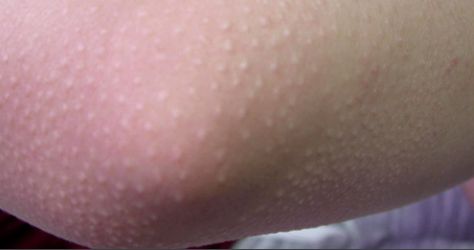
Which skin cancer presents as an ulcerative red lesion with frequent scale? _____
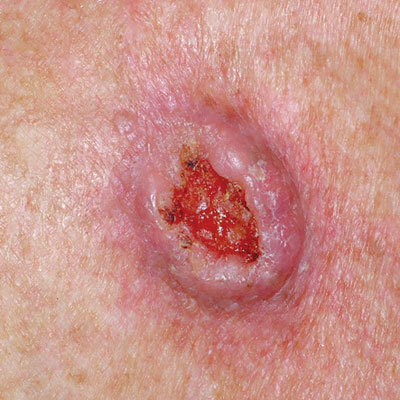
Superficial _____ cell carcinoma may present as a scaling plaque
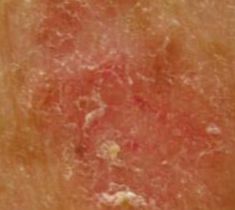
DNA analysis of person with fine scaly erythematous plaques, showing clonal arrangements of T cell receptor genes, is suggestive of _____
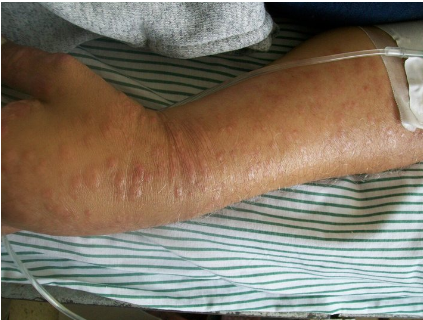
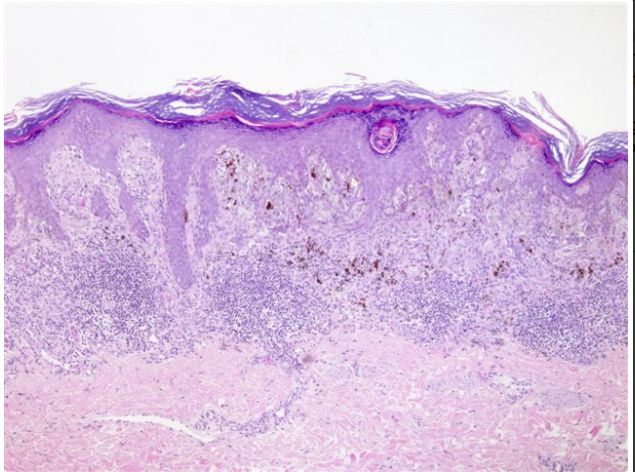
What type of nevus shows fascicular growth (elongated rete ridges)? _____
Squamous Cell Carcinoma Flashcards for NEET-PG
Study 10 flashcards on Squamous Cell Carcinoma for NEET-PG Dermatology. These active recall cards cover the key concepts, clinical associations, and high-yield facts from this chapter of Skin Tumors. Each card is designed to test your understanding rather than just recognition, building stronger and more durable memories for exam day.
For personalised spaced repetition scheduling and unlimited flashcards, download the Oncourse app.
Frequently Asked Questions
Are Squamous Cell Carcinoma flashcards free?
How many flashcards does this chapter have?
How should I use these flashcards for NEET-PG?
Are there more flashcards for Skin Tumors?
Want unlimited flashcards?
Get full access to all flashcards, spaced repetition, and progress tracking.
Scan to download app