Oncology — Pediatrics
Free FMGE lesson notes, MCQs, tables, flowcharts & PYQ papers for Pediatrics
Try 10 free Oncology questions
Answer each MCQ to check yourself, then unlock the explanation with your email.
A 4-year-old child presented with a palpable, painless, and slowly increasing abdominal mass in the right flank region, accompanied by episodes of fever and hematuria. Examination revealed hypertension. Following a CT scan of the abdomen, the patient underwent surgical resection of the mass. The histopathological examination is provided. Which drug is NOT part of standard chemotherapy regimens for this tumour?
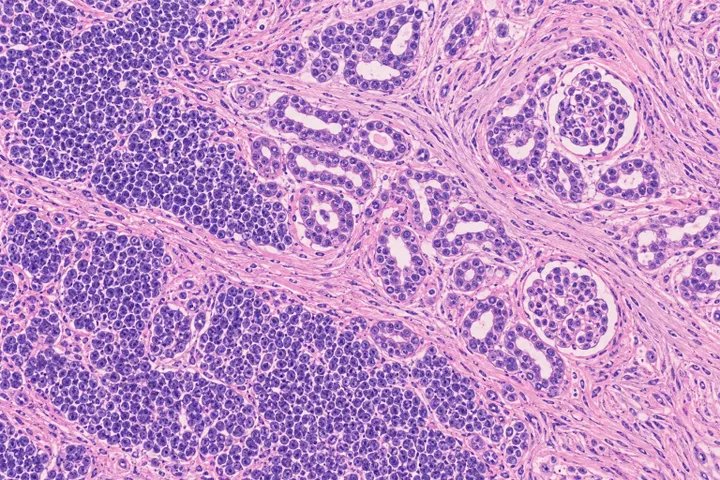
Answer: A. Bleomycin
In childhood ALL treated using a BFM protocol, which of the following is the most important prognostic factor?
Answer: B. Response to steroids
The following physical appearance is seen in which of the following conditions?
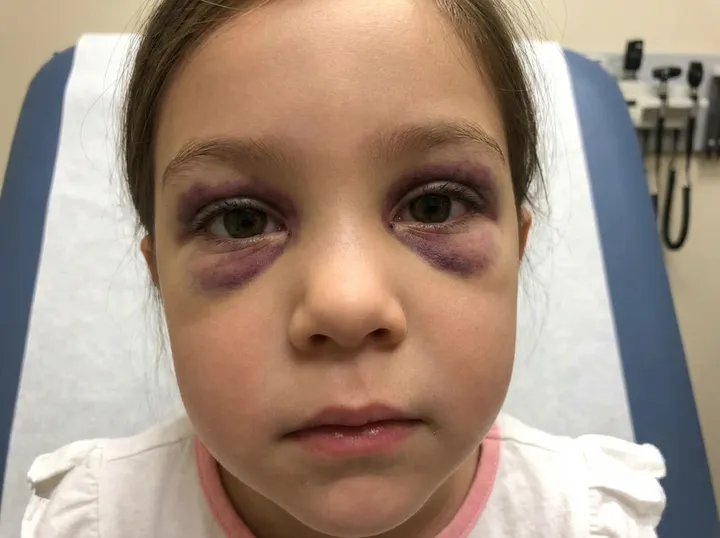
Answer: A. Neuroblastoma
Which combination of red-cell and white-cell abnormalities is demonstrated by the CBC in the image?
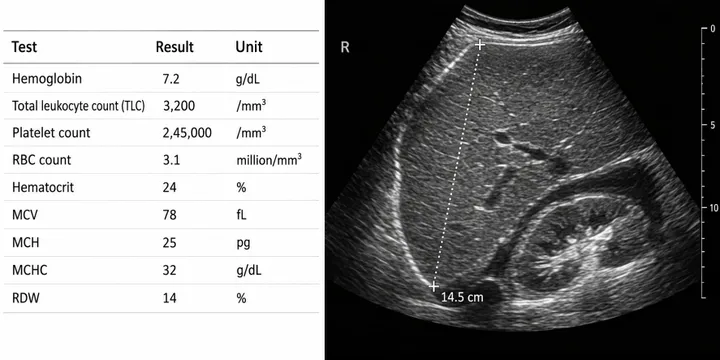
Answer: B. Anemia and leukopenia
What is the commonest site of metastasis for Wilms' tumor?
Answer: C. Lungs
What is the most likely diagnosis?
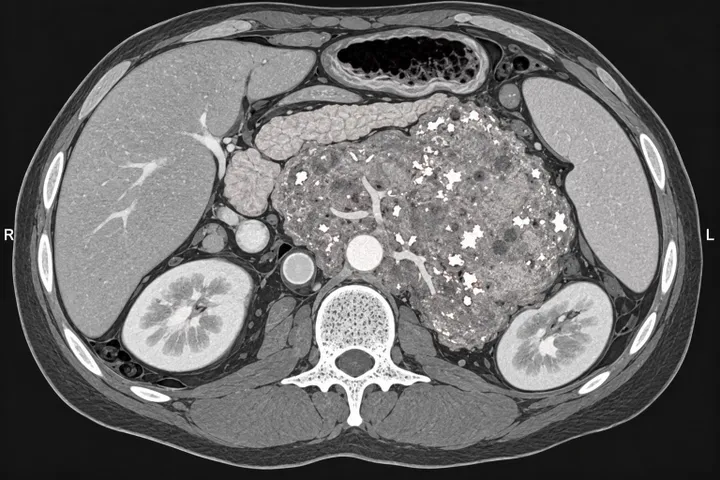
Answer: C. Neuroblastoma
A 2-year-old boy with high-risk neuroblastoma has achieved at least a partial response to prior first-line multimodal therapy. Which monoclonal antibody is approved as part of post-consolidation immunotherapy?
Answer: B. Dinutuximab
A 9-year-old female child presents with a history of headache and visual disturbances. What is the most likely diagnosis?
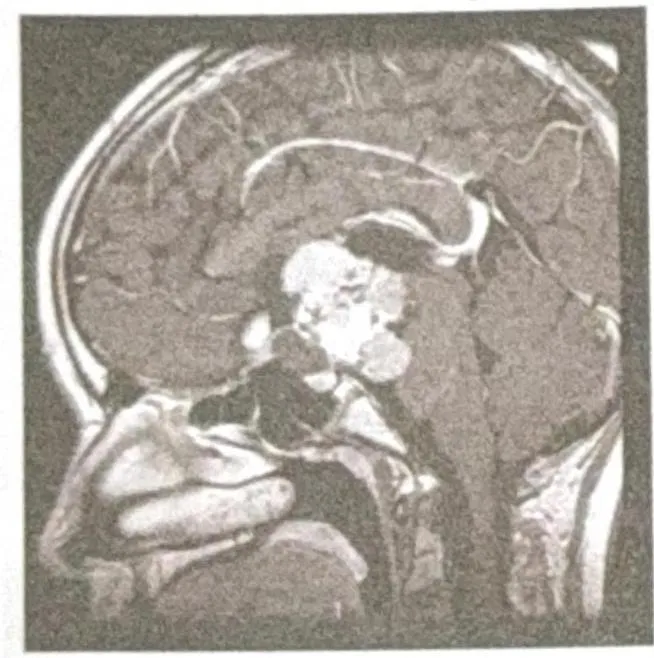
Answer: A. Craniopharyngioma
A 2-year-old boy presents with cough and breathlessness for last one month. On examination pallor is present and enlarged liver is palpable 3 cm below costal margin. CXR shows?
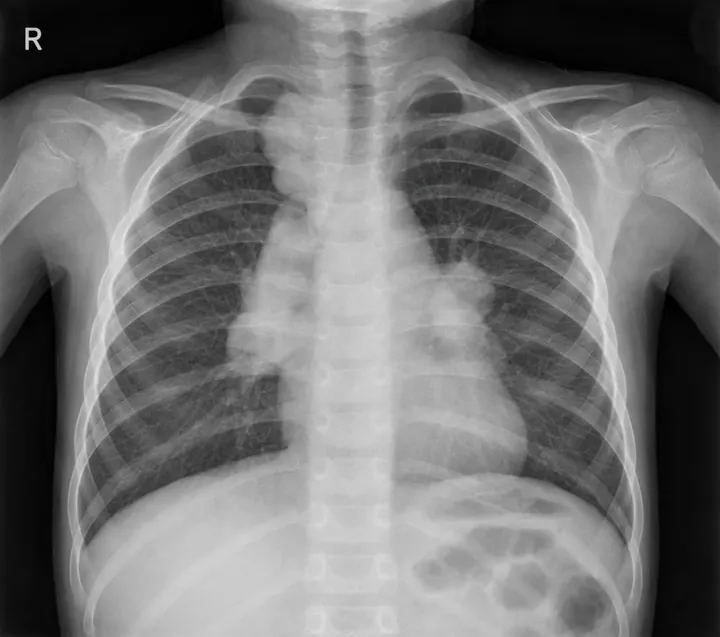
Answer: B. Mediastinal adenopathy
A 4-year-old child has progressive left proptosis with loss of vision over the last 4 weeks, hepatosplenomegaly, anemia, hyperleukocytosis and thrombocytopenia. The orbital lesion and marrow smear are shown. What is the most likely diagnosis?
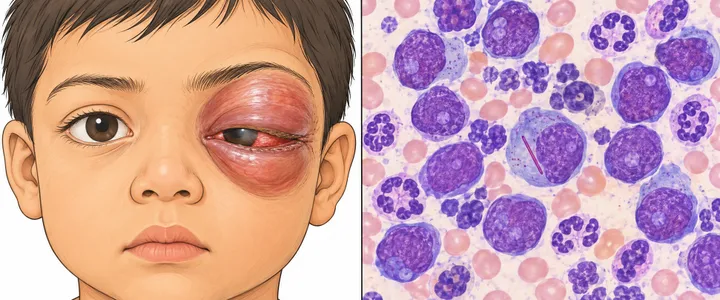
Answer: B. Granulocytic sarcoma
Chapter Downloads
12 chapters


About Oncology for FMGE
Oncology is an important topic within Pediatrics for FMGE preparation. Understanding the core concepts, key applications, and frequently tested areas in Oncology can make a significant difference in your exam performance. This page brings together all the study resources you need for Oncology in one place.
The downloadable PDFs include a comprehensive MCQ question bank with answer keys, concise lesson notes that cover high-yield points, comparison tables for quick revision, and flowcharts that simplify complex mechanisms and classifications. Previous year questions (PYQs) are also available so you can see exactly how Oncology has been tested in past FMGE exams.
All resources are free to download and designed for offline study. Whether you are doing a first read or a last-minute revision, these PDFs give you a structured way to cover Oncology under Pediatrics. For an even more interactive experience — with spaced-repetition flashcards, adaptive question practice, and AI-powered explanations — download the Oncourse app.
Frequently Asked Questions
How do I download Oncology MCQ PDF for FMGE?
Are the Oncology question banks free?
How many Oncology MCQs can I get for FMGE?
What formats are available for Oncology study material?
Is the Oncology content updated for the latest FMGE syllabus?
More Pediatrics downloads
Browse other topics