
Diuretic mechanisms of action — MCQs

A 61-year-old male is given acetazolamide to treat open-angle glaucoma. Upon diuresis, his urine is found to be highly alkaline. Which of the following accounts for the alkaline nature of this patient’s urine?
A new drug has been shown to block epithelial sodium channels in the cortical collecting duct. Which of the following is most likely to be decreased upon drug administration?
A 66-year-old man with congestive heart failure presents to the emergency department complaining of worsening shortness of breath. These symptoms have worsened over the last 3 days. He has a blood pressure of 126/85 mm Hg and heart rate of 82/min. Physical examination is notable for bibasilar crackles. A chest X-ray reveals bilateral pulmonary edema. His current medications include metoprolol succinate and captopril. You wish to add an additional medication targeted towards his symptoms. Of the following, which statement is correct regarding loop diuretics?
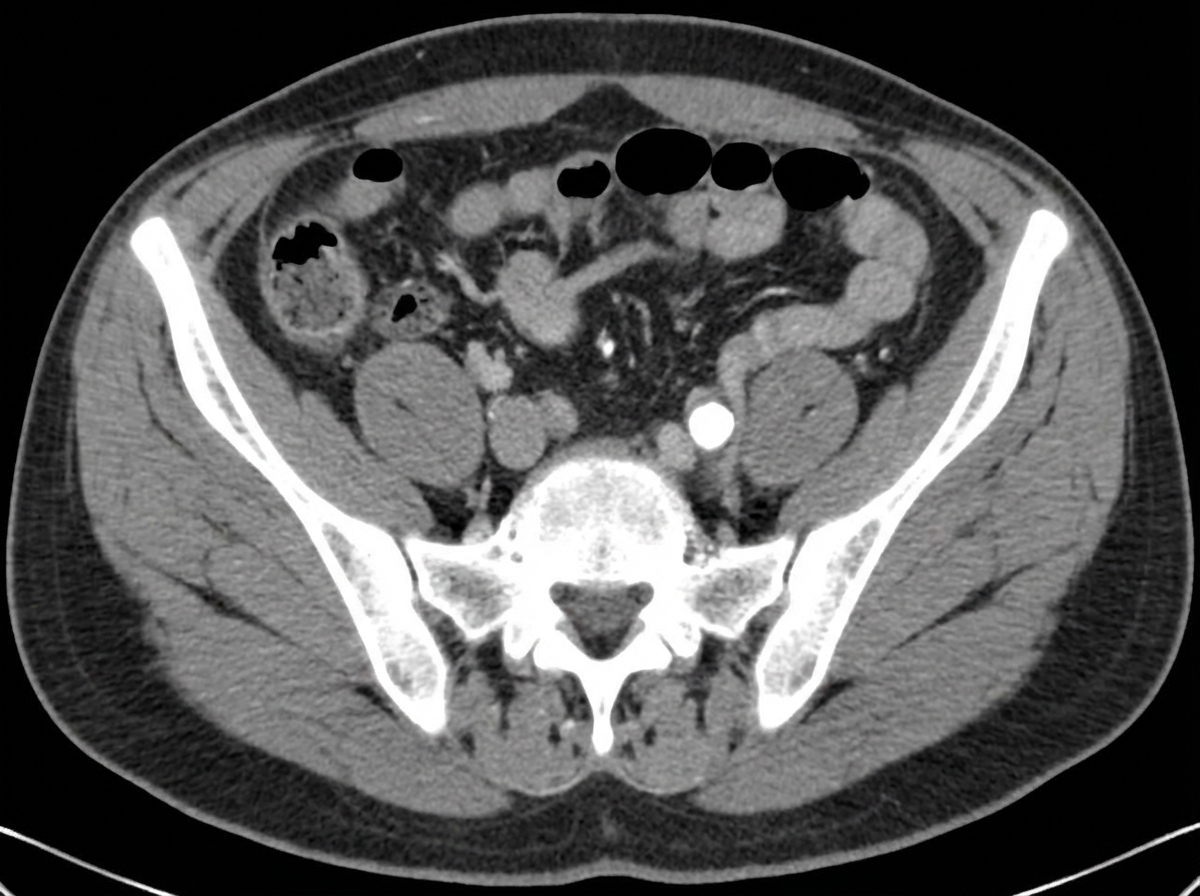
A 55-year-old woman presents to the emergency room with severe abdominal pain for the past 24 hours. She has also noticed blood in her urine. She does not have any significant past medical history. Family history is significant for her mother having cholecystitis status post cholecystectomy at age 45. Her vital signs include: temperature 36.8°C (98.2°F), pulse 103/min, respiratory rate 15/min, blood pressure 105/85 mm Hg. Physical examination is significant for a woman continuously moving on the exam table in an attempt to get comfortable. Laboratory findings are significant for the following: Serum electrolytes Na 138 mEq/L N: 135–145 mEq/L K 4.0 mEq/L N: 3.5–5.0 mEq/L Cl 102 mEq/L N: 98–108 mEq/L CO2 27 mEq/L N: 22–32 mEq/L Ca 9.2 mEq/dL N: 8.4–10.2 mEq/dL PO4 3.5 mg/dL N: 3.0–4.5 mg/dL A 24-hour urine collection is performed and reveals a urinary calcium of 345 mg/day (ref: < 300 mg/day in men; < 250 mg/day in women). A non-contrast CT of the abdomen is performed and is shown in the exhibit. The patient’s symptoms pass within the next 12 hours with hydration and acetaminophen for pain management. She is prescribed a medication to prevent subsequent episodes. At which of the following parts of the nephron does this medication most likely work?
Which mechanism primarily regulates sodium reabsorption in the collecting duct?
A 16-year-old boy is brought to the physician by his mother because she is worried about his behavior. Yesterday, he was expelled from school for repeatedly skipping classes. Over the past 2 months, he was suspended 3 times for bullying and aggressive behavior towards his peers and teachers. Once, his neighbor found him smoking cigarettes in his backyard. In the past, he consistently maintained an A grade average and had been a regular attendee of youth group events at their local church. The mother first noticed this change in behavior 3 months ago, around the time at which his father moved out after discovering his wife was having an affair. Which of the following defense mechanisms best describes the change in this patient's behavior?
An 18-year-old boy presents to the clinic with shortness of breath and fever for the last 2 days. He also has a cough for the same duration. He is asthmatic and uses inhaled albuterol for symptom relief when required. He used albuterol today 3 times at 10-minute intervals but has not had relief of his symptoms. On physical examination, his temperature is 38.3°C (101.0°F), pulse is 130/min, blood pressure is 116/80 mm Hg, and respirations are 28/min. Auscultation of the chest reveals bilateral crackles. Considering that he has already taken inhaled albuterol and has tachycardia, the physician nebulizes him with inhaled ipratropium bromide, which significantly improves his symptoms. Which of the following is the mechanism of action of this drug?
An investigator studying hormone synthesis and transport uses immunocytochemical techniques to localize a carrier protein in the central nervous system of an experimental animal. The investigator finds that this protein is synthesized together with a specific hormone from a composite precursor. The protein is involved in the transport of the hormone from the supraoptic and paraventricular nuclei to its destination. The hormone transported by these carrier proteins is most likely responsible for which of the following functions?
A 32-year-old woman is admitted to the emergency department for 36 hours of intense left-sided back pain that extends into her left groin. She reports that the pain started a day after a charitable 5 km (3.1 mi) marathon. The past medical history is relevant for multiple complaints of eye dryness and dry mouth. Physical examination is unremarkable, except for intense left-sided costovertebral pain. The results from laboratory tests are shown. Laboratory test Result Serum Na+ 137 Serum Cl- 110 Serum K+ 3.0 Serum creatinine (SCr) 0.82 Arterial blood gas Result pH 7.28 pO2 98 mm Hg pCO2 28.5 mm Hg SaO2% 98% HCO3- 15 mm Hg Which of the following explains this patient’s condition?
A 17-year-old boy comes to the physician for a follow-up examination. Two months ago, he suffered a spinal fracture after a fall from the roof. He feels well. His father has multiple endocrine neoplasia type 1. Vital signs are within normal limits. Examination shows no abnormalities. Laboratory studies show: Hemoglobin 13.7 g/dL Serum Creatinine 0.7 mg/dL Proteins Total 7.0 g/dL Albumin 4.1 g/dL Calcium 11.4 mg/dL Phosphorus 5.3 mg/dL Alkaline phosphatase 100 U/L Which of the following is the most likely cause of these findings?
Want unlimited practice?
Get full access to all questions, explanations, and performance tracking.
Scan to download app