
Antiseptics and disinfectants — MCQs

A patient with Graves' disease is treated with thiocyanate (a historical antithyroid agent). Thiocyanate helps reduce thyroid hormone production by:
The occupational health department at a hospital implements new safety precautions to prevent laboratory-acquired infections. One of the new precautions includes disinfecting the microbiology laboratory benches with 70% ethanol before and after use. This measure is most likely to be effective in preventing the transmission of which of the following viruses?
A 3-year-old boy is brought in by his parents to the emergency department for lethargy and vomiting. The patient was fine until this afternoon, when his parents found him in the garage with an unlabeled open bottle containing an odorless liquid. On exam, the patient is not alert or oriented, but is responsive to touch and pain. The patient is afebrile and pulse is 90/min, blood pressure is 100/60 mmHg, and respirations are 20/min. Which of the following is an antidote for the most likely cause of this patient’s presentation?
A group of medical students is studying bacteria and their pathogenesis. They have identified that a substantial number of bacteria cause human disease by producing exotoxins. Exotoxins are typically proteins, but they have different mechanisms of action and act at different sites. The following is a list of exotoxins together with mechanisms of action. Which of the following pairs is correctly matched?
A 45-year-old female with a history of gastroesophageal reflux disease presents to her family physician with symptoms of epigastric pain right after a meal. The physician performs a urea breath test which is positive and the patient is started on appropriate medical therapy. Three days later at a restaurant, she experienced severe flushing, tachycardia, hypotension, and vomiting after her first glass of wine. Which of the following is the mechanism of action of the medication causing this side effect?
A 72-year-old man has been recently diagnosed with stage 3 squamous cell carcinoma of the oral cavity. After the necessary laboratory workup, concurrent chemoradiation therapy has been planned. Radiation therapy is planned to take place over 7 weeks and he will receive radiation doses daily, Monday–Friday, in 2.0 Gy fractions. For concurrent chemotherapy, he will receive intravenous cisplatin at a dosage of 50 mg/m2 weekly for 7 weeks. Which of the following best explains the mechanism of action of the antineoplastic drug that the patient will receive?
A 67-year-old woman with advanced bladder cancer comes to the physician for a follow-up examination. She is currently undergoing chemotherapy with an agent that forms cross-links between DNA strands. Serum studies show a creatinine concentration of 2.1 mg/dL and a blood urea nitrogen concentration of 30 mg/dL. Urine dipstick of a clean-catch midstream specimen shows 2+ protein and 1+ glucose. Prior to initiation of chemotherapy, her laboratory values were within the reference range. In addition to hydration, administration of which of the following would most likely have prevented this patient's current condition?
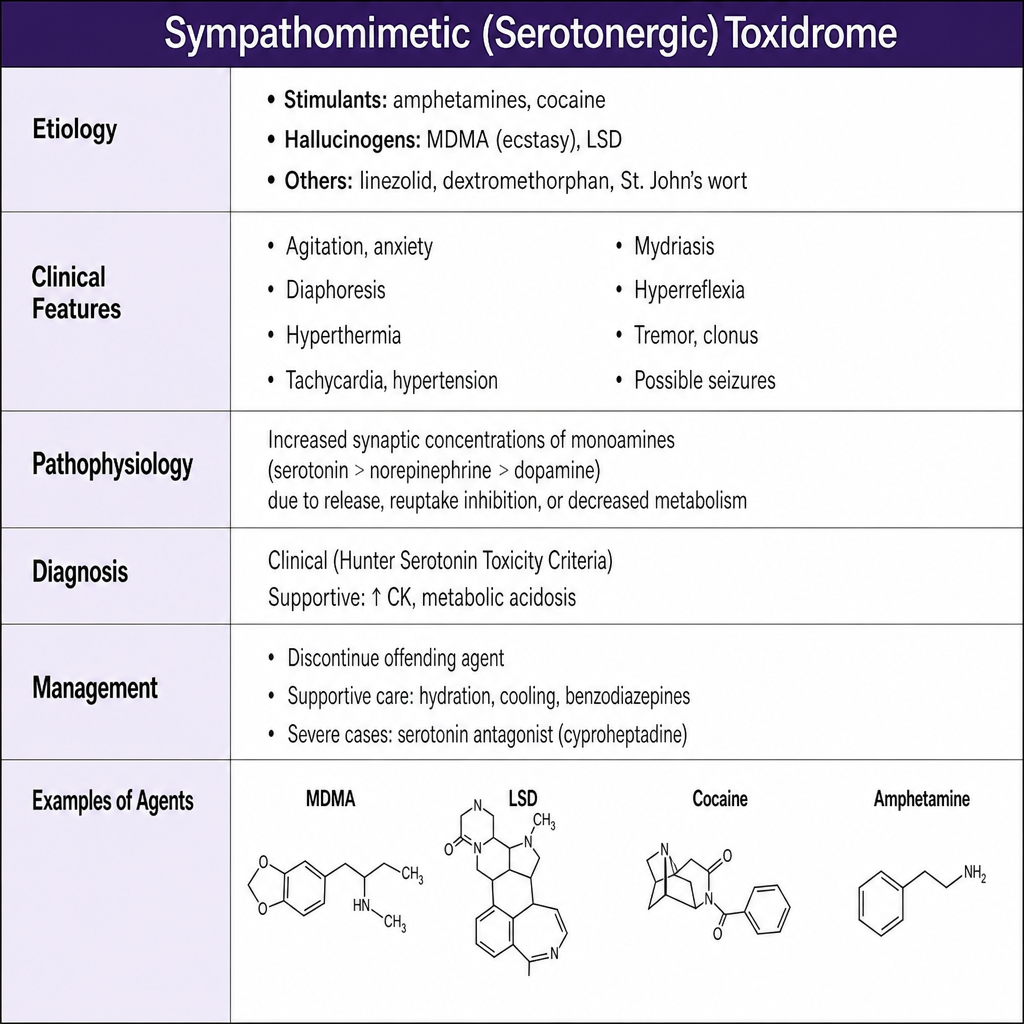
A 19-year-old woman is brought to the emergency department after ingesting an unknown substance at a party. On examination she is agitated, diaphoretic, and tachycardic (HR 138 bpm). Her pupils are 7 mm and reactive. Temperature is 39.8°C. She has hyperreflexia and bilateral ankle clonus. Which of the following agents is most likely responsible for this clinical picture?
A tourist with a travel history to India presents with complaints of abdominal pain and multiple episodes of watery diarrhea. He reports having food at a local restaurant the previous night. Which of the following antidiarrheal agents is used in this condition?
A patient from a North-Eastern state was diagnosed to have an infection with P. Falciparum malaria. What is the most appropriate treatment for this patient?
Want unlimited practice?
Get full access to all questions, explanations, and performance tracking.
Scan to download app