A 57-year-old woman is brought to the emergency department because of crampy abdominal pain and foul-smelling, watery diarrhea. One week ago, she underwent treatment of cellulitis with clindamycin. She has developed shortness of breath and urticaria after treatment with vancomycin in the past. Her temperature is 38.4°C (101.1°F). Abdominal examination shows mild tenderness in the left lower quadrant. Her leukocyte count is 12,800/mm3. An enzyme immunoassay is positive for glutamate dehydrogenase antigen and toxins A and B. Which of the following is the mechanism of action of the most appropriate pharmacotherapy for this patient's condition?
Q82
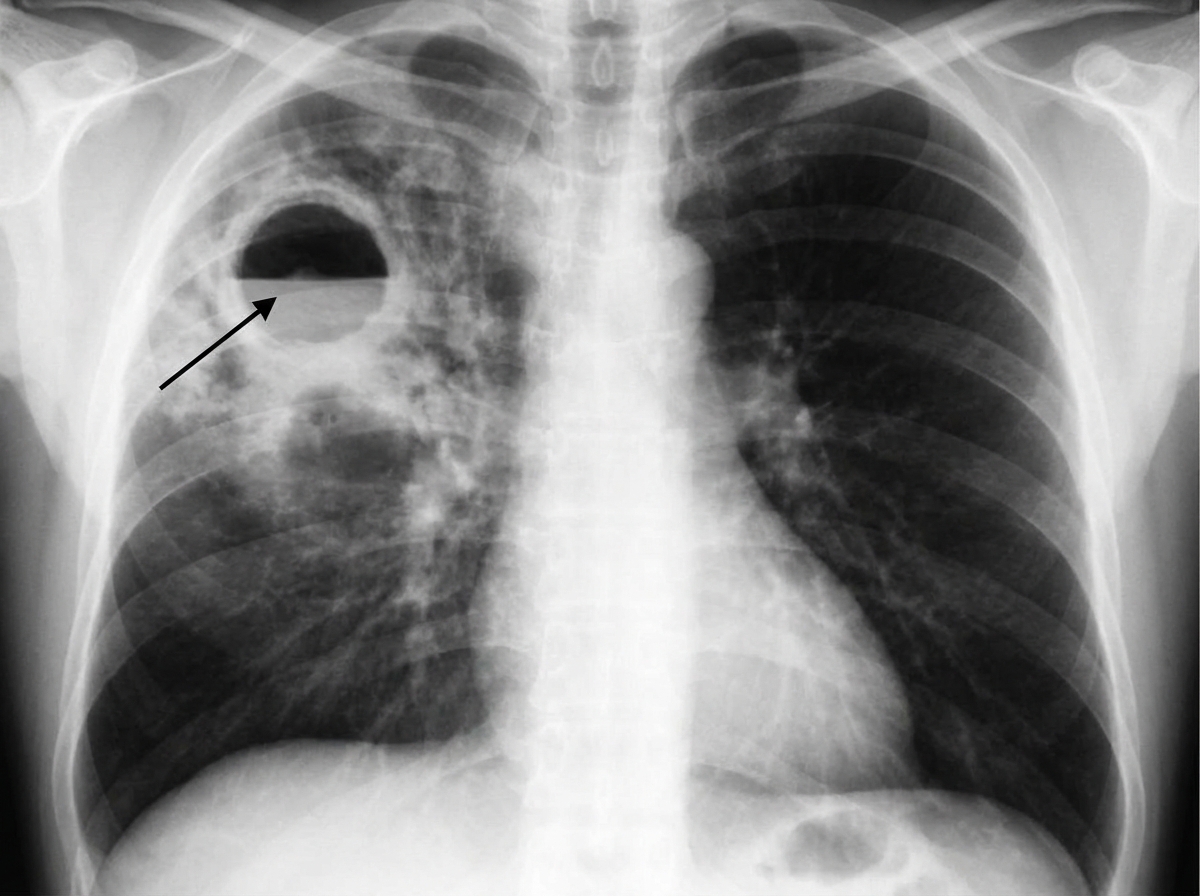
A 40-year-old man comes to the physician because of a 6-week history of increasing shortness of breath, fatigue, and fever. He has had a cough productive of foul-smelling sputum for 4 weeks. He was hospitalized for alcohol intoxication twice over the past 6 months. He has hypertension and depression. He has smoked one pack of cigarettes daily for 20 years and drinks 6 alcoholic beverages daily. Current medications include ramipril and fluoxetine. He appears malnourished. He is 185 cm (6 ft 1 in) tall and weighs 65.7 kg (145 lb); BMI is 19.1 kg/m2. His temperature is 38.3°C (100.9°F), pulse is 118/min, respirations are 24/min, and blood pressure is 147/96 mm Hg. Pulse oximetry on room air shows an oxygen saturation of 94%. Examination of the chest shows dullness to percussion over the right upper lung field. An x-ray of the chest shows a lung cavity with an air-fluid level and surrounding infiltrate in the right upper lobe of the lung. Which of the following is the most appropriate next step in management?
Q83
A 15-year-old boy presents with his father to the urgent care with 5 days of frequent diarrhea, occasionally with streaks of blood mixed in. Stool cultures are pending, but preliminary stool samples demonstrate fecal leukocytes and erythrocytes. His vital signs are as follows: blood pressure is 126/83 mm Hg, heart rate is 97/min, and respiratory rate is 15/min. He is started on outpatient therapy for presumed Shigella infection. Which of the following is the most appropriate therapy?
Q84
A 22-year-old man presents to a physician with a single painless ulcer on his glans penis that he first noticed 2 weeks ago. He mentions that he is sexually active with multiple partners. There is no history of fevers. Initially, he thought that the ulcer would go away on its own, but decided to come to the clinic because the ulcer persisted. On palpation of the ulcer, the edge and base are indurated. There is no purulence. Multiple painless, firm, and non-fixed lymph nodes are present in the inguinal regions bilaterally. The physician orders a Venereal Disease Research Laboratory (VDRL) test, which is positive. The Treponema pallidum particle agglutination assay is also positive. Upon discussing the diagnosis, the patient informs the physician that he has a severe allergy to penicillin and he declines treatment with an injectable medicine. Which of the following drugs is most appropriate for this patient?
Q85
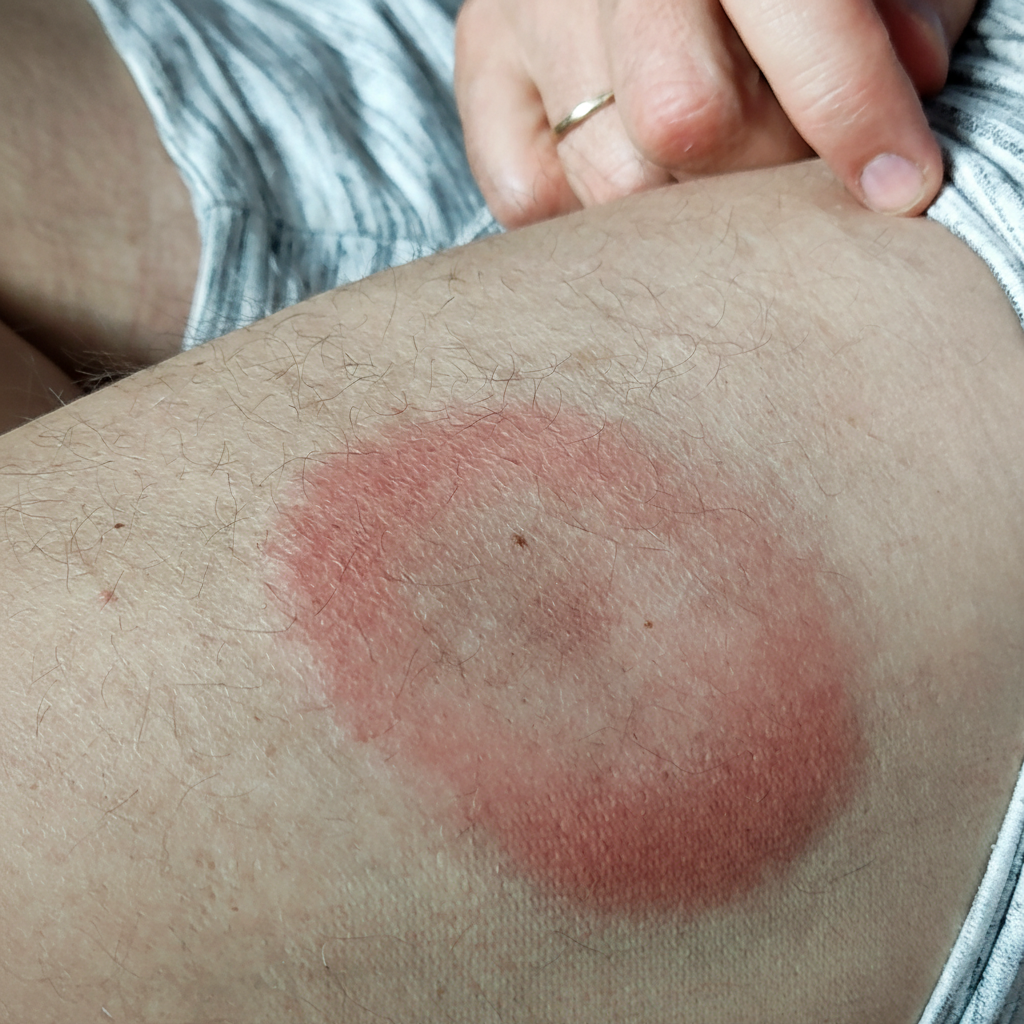
A 31-year-old woman, gravida 1, para 0, at 10 weeks' gestation comes to the physician because of a rash on her upper arm that appeared 3 days ago. She has also had headaches and muscle aches for 1 day. She went on a camping trip in Maine 10 days ago. Her temperature is 39°C (102.2°F). A photograph of her rash is shown. Which of the following is the most appropriate pharmacotherapy?
Q86
A 61-year-old woman who recently emigrated from India comes to the physician because of a 2-month history of fever, fatigue, night sweats, and a productive cough. She has had a 5-kg (11-lb) weight loss during this period. She has a history of type 2 diabetes mellitus and poorly controlled asthma. She has had multiple asthma exacerbations in the past year that were treated with glucocorticoids. An x-ray of the chest shows a cavitary lesion of the posterior apical segment of the left upper lobe with consolidation of the surrounding parenchyma. The pathogen identified on sputum culture is found to be resistant to multiple drugs, including streptomycin. Which of the following mechanisms is most likely involved in bacterial resistance to this drug?
Q87
A 35-year-old woman visits the office with complaints of yellowish vaginal discharge and increased urinary frequency for a week. She also complains of pain during urination. Past medical history is irrelevant. She admits to having multiple sexual partners in the past few months. Physical examination is within normal limits except for lower abdominal tenderness. Urine culture yields Chlamydia trachomatis. What is the most appropriate next step in the management of this patient?
Q88
A 30-year-old woman with HIV comes to the emergency department because of fever and multiple skin lesions for 1 week. She also has nausea, anorexia, and abdominal pain. The skin lesions are non-pruritic and painless. She has smoked one pack of cigarettes daily for 15 years and drinks 2 beers daily. She has been using intravenous crack cocaine for 6 years. She appears ill. Her temperature is 38°C (100.4°F), pulse is 105/min, blood pressure is 110/75 mm Hg. Her BMI is 19 kg/m2. Examination shows track marks on both cubital fossae. There are white patches on her palate that can be scraped off. There are several red papules measuring 1 to 2 cm on her face and trunk. Her CD4+T-lymphocyte count is 98/mm3 (N ≥ 500). Biopsy of a skin lesion shows vascular proliferation and small black bacteria on Warthin-Starry stain. Which of the following is the most appropriate pharmacotherapy?
Q89
You are treating a neonate with meningitis using ampicillin and a second antibiotic, X, that is known to cause ototoxicity. What is the mechanism of antibiotic X?
Q90
A 22-year-old female presents to an urgent care clinic for evaluation of a loose bowel movement that she developed after returning from her honeymoon in Mexico last week. She states that she has been having watery stools for the past 3 days at least 3 times per day. She now has abdominal cramps as well. She has no significant past medical history, and the only medication she takes is depot-medroxyprogesterone acetate. Her blood pressure is 104/72 mm Hg; heart rate is 104/min; respiration rate is 14/min, and temperature is 39.4°C (103.0°F). Her physical examination is normal aside from mild diffuse abdominal tenderness and dry mucous membranes. Stool examination reveals no ova. Fecal leukocytes are not present. A stool culture is pending. In addition to oral rehydration, which of the following is the best treatment option for this patient?
Antibiotics US Medical PG Practice Questions and MCQs
Question 81: A 57-year-old woman is brought to the emergency department because of crampy abdominal pain and foul-smelling, watery diarrhea. One week ago, she underwent treatment of cellulitis with clindamycin. She has developed shortness of breath and urticaria after treatment with vancomycin in the past. Her temperature is 38.4°C (101.1°F). Abdominal examination shows mild tenderness in the left lower quadrant. Her leukocyte count is 12,800/mm3. An enzyme immunoassay is positive for glutamate dehydrogenase antigen and toxins A and B. Which of the following is the mechanism of action of the most appropriate pharmacotherapy for this patient's condition?
A. Blocking of protein synthesis at 50S ribosomal subunit
B. Inhibition of cell wall peptidoglycan formation (Correct Answer)
C. Inhibition of RNA polymerase sigma subunit
D. Inhibition of bacterial topoisomerases II and IV
E. Generation of toxic free radical metabolites
Explanation: ***Inhibition of cell wall peptidoglycan formation***
- The patient presents with **foul-smelling, watery diarrhea**, recent **clindamycin use**, fever, **leukocytosis**, and positive **_C. difficile_ toxins A and B**, indicating **_C. difficile_ infection (CDI)**.
- According to **current IDSA/SHEA guidelines (2021)**, **oral vancomycin** is the **first-line therapy** for CDI, regardless of severity.
- While the patient has a history of adverse reactions to vancomycin in the past, this was likely with **IV vancomycin**. **Oral vancomycin** has **negligible systemic absorption** (<1%) and rarely causes systemic allergic reactions, making it safe to use even in patients with IV vancomycin allergy.
- **Vancomycin** acts by **inhibiting cell wall peptidoglycan formation**, binding to the D-Ala-D-Ala terminus of peptidoglycan precursors and preventing cross-linking.
*Generation of toxic free radical metabolites*
- This describes the mechanism of action of **metronidazole**, which was historically used as first-line therapy for mild-to-moderate CDI.
- However, **metronidazole is no longer recommended as first-line therapy** due to lower cure rates and higher recurrence rates compared to vancomycin.
- Metronidazole is now reserved for situations where vancomycin and fidaxomicin are unavailable.
*Blocking of protein synthesis at 50S ribosomal subunit*
- This mechanism describes drugs like **clindamycin**, **macrolides**, and **linezolid**.
- **Clindamycin** was the precipitating factor for this patient's CDI and should not be used for treatment.
*Inhibition of RNA polymerase sigma subunit*
- This describes the mechanism of action of **fidaxomicin**, which is also a first-line option for CDI with potentially lower recurrence rates than vancomycin.
- **Rifaximin** also inhibits bacterial RNA polymerase but is not typically used for initial CDI treatment.
- Fidaxomicin could be considered if oral vancomycin were truly contraindicated, but given the minimal systemic absorption of oral vancomycin, this is unlikely to be necessary.
*Inhibition of bacterial topoisomerases II and IV*
- This is the mechanism of action of **fluoroquinolones** (e.g., ciprofloxacin, levofloxacin).
- Fluoroquinolones are associated with an **increased risk of _C. difficile_ infection** and are contraindicated in its treatment.
Question 82: A 40-year-old man comes to the physician because of a 6-week history of increasing shortness of breath, fatigue, and fever. He has had a cough productive of foul-smelling sputum for 4 weeks. He was hospitalized for alcohol intoxication twice over the past 6 months. He has hypertension and depression. He has smoked one pack of cigarettes daily for 20 years and drinks 6 alcoholic beverages daily. Current medications include ramipril and fluoxetine. He appears malnourished. He is 185 cm (6 ft 1 in) tall and weighs 65.7 kg (145 lb); BMI is 19.1 kg/m2. His temperature is 38.3°C (100.9°F), pulse is 118/min, respirations are 24/min, and blood pressure is 147/96 mm Hg. Pulse oximetry on room air shows an oxygen saturation of 94%. Examination of the chest shows dullness to percussion over the right upper lung field. An x-ray of the chest shows a lung cavity with an air-fluid level and surrounding infiltrate in the right upper lobe of the lung. Which of the following is the most appropriate next step in management?
A. Clindamycin therapy (Correct Answer)
B. Metronidazole therapy
C. Sputum cultures
D. Vancomycin and levofloxacin therapy
E. Bronchoscopy and drainage of the lesion
Explanation: ***Clindamycin therapy***
- This patient presents with symptoms and signs highly suggestive of a **lung abscess**, including a several-week history of fever, fatigue, cough with **foul-smelling sputum**, and an X-ray showing a **cavity with an air-fluid level** in the lung. Given his history of alcohol abuse and malnutrition, he is at high risk for aspiration leading to infection with **anaerobic bacteria**.
- **Clindamycin** is an appropriate first-line antibiotic for lung abscess given its excellent activity against most oral anaerobes, which are the predominant pathogens in **aspiration pneumonia** leading to abscess formation.
*Metronidazole therapy*
- While metronidazole is effective against many anaerobes, it has **poor activity against aerobic bacteria** and is typically used in combination with other antibiotics for lung abscess.
- Unlike clindamycin, metronidazole has **limited efficacy against microaerophilic streptococci**, which are also common contributors to lung abscesses.
*Sputum cultures*
- Sputum cultures are **often unreliable** in diagnosing lung abscesses because it is difficult to obtain a sample without contamination by upper airway flora, especially anaerobes.
- Given the patient's severe presentation and classic findings, empiric antibiotic therapy should be initiated promptly rather than delaying treatment for culture results that may not be definitive.
*Vancomycin and levofloxacin therapy*
- This combination is a broad-spectrum regimen effective against a wide range of bacteria, including MRSA (vancomycin) and many typical and atypical respiratory pathogens (levofloxacin).
- However, it is **not specifically targeted at the anaerobic pathogens** most commonly responsible for aspiration-related lung abscesses, and could contribute to unnecessary antibiotic resistance.
*Bronchoscopy and drainage of the lesion*
- Bronchoscopy with drainage is generally reserved for **treatment failures** or cases where a foreign body or malignancy is suspected to be obstructing the airway and causing the abscess.
- Initial management of a lung abscess is typically medical with appropriate antibiotics, and drainage is considered if the patient does not respond to antibiotic therapy within a reasonable period.
Question 83: A 15-year-old boy presents with his father to the urgent care with 5 days of frequent diarrhea, occasionally with streaks of blood mixed in. Stool cultures are pending, but preliminary stool samples demonstrate fecal leukocytes and erythrocytes. His vital signs are as follows: blood pressure is 126/83 mm Hg, heart rate is 97/min, and respiratory rate is 15/min. He is started on outpatient therapy for presumed Shigella infection. Which of the following is the most appropriate therapy?
A. Oral doxycycline
B. Oral vancomycin
C. Oral TMP-SMX
D. Oral azithromycin (Correct Answer)
E. Oral ciprofloxacin
Explanation: ***Oral azithromycin***
- **Azithromycin** is the **first-line empiric treatment** for suspected **Shigella infection** based on current CDC and WHO guidelines, particularly in pediatric and adolescent patients.
- The presence of **fecal leukocytes and erythrocytes** indicates an invasive bacterial infection, which warrants antibiotic therapy to shorten the course of illness and reduce transmission risks.
- Azithromycin has excellent efficacy against Shigella with relatively low resistance rates compared to older agents, and it is well-tolerated in adolescents.
*Oral TMP-SMX*
- **TMP-SMX (trimethoprim-sulfamethoxazole)** was historically first-line for Shigella, but **widespread resistance** (often >50% globally) has made it no longer recommended for empiric therapy.
- It may still be used if culture and susceptibility testing confirm sensitivity, but should not be chosen empirically.
*Oral ciprofloxacin*
- **Ciprofloxacin**, a fluoroquinolone, is highly effective against **Shigella** and is first-line in adults.
- However, its use in **pediatric patients under 18 years** is generally limited due to potential adverse effects on **cartilage development** and risk of tendinopathy.
- In a 15-year-old, while approaching adult age, azithromycin remains preferred unless there are specific contraindications.
*Oral doxycycline*
- **Doxycycline** has limited activity against **Shigella** and is not considered appropriate empiric therapy for this infection.
- It is more commonly used for atypical pathogens, certain sexually transmitted infections, or specific tick-borne diseases.
*Oral vancomycin*
- **Oral vancomycin** is primarily used to treat **Clostridioides difficile infection** (CDI) and is completely ineffective against **Shigella**.
- Vancomycin acts only on gram-positive bacteria and does not penetrate the systemic circulation when given orally, making it unsuitable for gram-negative enteric infections.
Question 84: A 22-year-old man presents to a physician with a single painless ulcer on his glans penis that he first noticed 2 weeks ago. He mentions that he is sexually active with multiple partners. There is no history of fevers. Initially, he thought that the ulcer would go away on its own, but decided to come to the clinic because the ulcer persisted. On palpation of the ulcer, the edge and base are indurated. There is no purulence. Multiple painless, firm, and non-fixed lymph nodes are present in the inguinal regions bilaterally. The physician orders a Venereal Disease Research Laboratory (VDRL) test, which is positive. The Treponema pallidum particle agglutination assay is also positive. Upon discussing the diagnosis, the patient informs the physician that he has a severe allergy to penicillin and he declines treatment with an injectable medicine. Which of the following drugs is most appropriate for this patient?
A. Metronidazole
B. Azithromycin (Correct Answer)
C. Trimethoprim-sulfamethoxazole
D. Chloramphenicol
E. Ciprofloxacin
Explanation: ***Azithromycin***
- This patient presents with **primary syphilis**, characterized by a **painless chancre** with indurated borders, bilateral painless inguinal lymphadenopathy, and positive VDRL and T. pallidum particle agglutination assay.
- First-line treatment is **benzathine penicillin G** (intramuscular), but this patient has a severe penicillin allergy and refuses injectable treatment.
- **Doxycycline 100 mg PO twice daily for 14 days** is the **CDC-recommended alternative** for penicillin-allergic patients with primary syphilis.
- **Azithromycin** (2 g single dose) was historically used as an alternative but is **no longer recommended by the CDC** due to widespread macrolide resistance in *Treponema pallidum*.
- However, among the options listed, azithromycin has some historical efficacy against *T. pallidum*, making it the only potentially active agent presented, though suboptimal.
*Metronidazole*
- Used primarily for **anaerobic bacterial** and **protozoal infections** (*Trichomonas vaginalis*, *Giardia*, *Bacteroides*).
- Has **no activity** against *Treponema pallidum*.
*Trimethoprim-sulfamethoxazole*
- Broad-spectrum antibiotic effective for **urinary tract infections**, **Pneumocystis jirovecii** pneumonia, and some respiratory infections.
- **Not effective** against *Treponema pallidum* and not used for syphilis treatment.
*Chloramphenicol*
- Reserved for serious infections (typhoid fever, certain bacterial meningitis) due to risk of **aplastic anemia** and **bone marrow suppression**.
- **Not a standard treatment** for syphilis and carries significant toxicity risks.
*Ciprofloxacin*
- **Fluoroquinolone** antibiotic effective against many gram-negative bacteria and used for urinary tract and respiratory infections.
- **No significant activity** against *Treponema pallidum* and not used for syphilis treatment.
Question 85: A 31-year-old woman, gravida 1, para 0, at 10 weeks' gestation comes to the physician because of a rash on her upper arm that appeared 3 days ago. She has also had headaches and muscle aches for 1 day. She went on a camping trip in Maine 10 days ago. Her temperature is 39°C (102.2°F). A photograph of her rash is shown. Which of the following is the most appropriate pharmacotherapy?
A. Ceftriaxone
B. Doxycycline
C. Penicillin G
D. Amoxicillin (Correct Answer)
E. Clotrimazole
Explanation: ***Amoxicillin***
- This patient presents with symptoms highly suggestive of **Lyme disease**, including a recent camping trip in an endemic area (Maine), **fever**, **headaches**, **muscle aches**, and a classic **erythema migrans rash**.
- **Amoxicillin** is a safe and effective **first-line antibiotic** for treating Lyme disease in **pregnant women**, as doxycycline is contraindicated due to potential fetal harm.
*Ceftriaxone*
- **Ceftriaxone** is typically reserved for **later stages of Lyme disease**, particularly those with cardiac, neurological (meningitis, radiculopathy), or severe arthritic manifestations.
- While effective, it is not the initial treatment of choice for early Lyme disease during pregnancy, where oral options are preferred.
*Doxycycline*
- **Doxycycline** is the **first-line treatment** for Lyme disease in **non-pregnant adults** and children over 8 years old.
- However, it is **contraindicated in pregnancy** due to the risk of fetal dental discoloration and inhibition of bone growth.
*Penicillin G*
- **Penicillin G** is an **intravenous antibiotic** often used for severe infections but is not a preferred oral agent for early Lyme disease.
- While it has activity against *Borrelia burgdorferi*, oral amoxicillin is generally favored for early uncomplicated disease in situations where doxycycline is contraindicated.
*Clotrimazole*
- **Clotrimazole** is an **antifungal medication** used to treat fungal infections such as vaginitis, oral thrush, or skin fungal infections.
- It has **no activity against bacterial infections** like Lyme disease and would be ineffective in this case.
Question 86: A 61-year-old woman who recently emigrated from India comes to the physician because of a 2-month history of fever, fatigue, night sweats, and a productive cough. She has had a 5-kg (11-lb) weight loss during this period. She has a history of type 2 diabetes mellitus and poorly controlled asthma. She has had multiple asthma exacerbations in the past year that were treated with glucocorticoids. An x-ray of the chest shows a cavitary lesion of the posterior apical segment of the left upper lobe with consolidation of the surrounding parenchyma. The pathogen identified on sputum culture is found to be resistant to multiple drugs, including streptomycin. Which of the following mechanisms is most likely involved in bacterial resistance to this drug?
A. Alteration in the sequence of gyrA genes
B. Upregulation of arabinosyl transferase production
C. Upregulation of mycolic acid synthesis
D. Alteration in 30S ribosomal subunit (Correct Answer)
E. Inhibition of bacterial synthesis of RNA
Explanation: ***Alteration in 30S ribosomal subunit***
- Streptomycin is an **aminoglycoside antibiotic** that acts by binding to the **16S rRNA of the 30S ribosomal subunit**, which interferes with bacterial protein synthesis.
- **Resistance to streptomycin** most commonly arises from mutations in the genes encoding ribosomal proteins (e.g., *rpsL*) or the 16S rRNA that alter the drug's binding site on the 30S ribosomal subunit, preventing its inhibitory effect.
*Alteration in the sequence of gyrA genes*
- Mutations in the *gyrA* gene typically confer resistance to **fluoroquinolone antibiotics**, such as ciprofloxacin and levofloxacin.
- Fluoroquinolones target **DNA gyrase (topoisomerase II)**, which is encoded by *gyrA*, not the ribosomes.
*Upregulation of arabinosyl transferase production*
- **Arabinogalactan**, a major component of the mycobacterial cell wall, is synthesized by **arabinosyl transferases** (e.g., EmbB).
- Resistance to **ethambutol** is often associated with mutations or upregulation of these enzymes, leading to increased synthesis of the arabinogalactan layer.
*Upregulation of mycolic acid synthesis*
- **Mycolic acid** is a crucial component of the mycobacterial cell wall, and its synthesis is inhibited by drugs like **isoniazid**.
- Upregulation of mycolic acid synthesis or mutations in genes related to its production (e.g., *kasA*) can lead to **isoniazid resistance**, but not directly to streptomycin resistance.
*Inhibition of bacterial synthesis of RNA*
- **Rifampin** is an antibiotic that inhibits bacterial RNA synthesis by binding to the **DNA-dependent RNA polymerase**.
- While resistance to rifampin often involves mutations in the *rpoB* gene, this mechanism is specific to rifampin and not streptomycin.
Question 87: A 35-year-old woman visits the office with complaints of yellowish vaginal discharge and increased urinary frequency for a week. She also complains of pain during urination. Past medical history is irrelevant. She admits to having multiple sexual partners in the past few months. Physical examination is within normal limits except for lower abdominal tenderness. Urine culture yields Chlamydia trachomatis. What is the most appropriate next step in the management of this patient?
A. Acyclovir
B. Doxycycline (Correct Answer)
C. Metronidazole
D. Clindamycin
E. Boric acid
Explanation: ***Doxycycline***
- **Doxycycline** is a recommended first-line treatment for **Chlamydia trachomatis** infections (along with azithromycin).
- A 7-day course of **doxycycline 100 mg orally twice daily** is highly effective in eradicating the infection.
- **Alternative:** Azithromycin 1 g PO single dose is also first-line and may be preferred for compliance.
*Acyclovir*
- **Acyclovir** is an antiviral medication used to treat **herpes simplex virus (HSV)** infections.
- It is ineffective against **bacterial infections** like Chlamydia.
*Metronidazole*
- **Metronidazole** is an antibiotic primarily used for **anaerobic bacterial** and **parasitic infections** (e.g., bacterial vaginosis, trichomoniasis).
- It is not effective against **Chlamydia trachomatis**.
*Clindamycin*
- **Clindamycin** is an antibiotic effective against a range of **bacterial infections**, including some anaerobic bacteria.
- However, it is not a recommended treatment for **Chlamydia trachomatis** infections.
*Boric acid*
- **Boric acid** is an antifungal agent primarily used for treating **recurrent vulvovaginal candidiasis** (yeast infections).
- It has no role in treating **bacterial infections** like Chlamydia.
Question 88: A 30-year-old woman with HIV comes to the emergency department because of fever and multiple skin lesions for 1 week. She also has nausea, anorexia, and abdominal pain. The skin lesions are non-pruritic and painless. She has smoked one pack of cigarettes daily for 15 years and drinks 2 beers daily. She has been using intravenous crack cocaine for 6 years. She appears ill. Her temperature is 38°C (100.4°F), pulse is 105/min, blood pressure is 110/75 mm Hg. Her BMI is 19 kg/m2. Examination shows track marks on both cubital fossae. There are white patches on her palate that can be scraped off. There are several red papules measuring 1 to 2 cm on her face and trunk. Her CD4+T-lymphocyte count is 98/mm3 (N ≥ 500). Biopsy of a skin lesion shows vascular proliferation and small black bacteria on Warthin-Starry stain. Which of the following is the most appropriate pharmacotherapy?
A. Erythromycin (Correct Answer)
B. Vinblastine
C. Pyrimethamine and sulfadiazine
D. Nitazoxanide
E. Azithromycin and ethambutol
Explanation: ***Erythromycin***
- This patient presents with **bacillary angiomatosis**, characterized by distinctive **red papules** on the skin, systemic symptoms, history of HIV with a **low CD4+ count**, and **intravenous drug use**. The diagnosis is confirmed by skin biopsy showing **vascular proliferation** and **small black bacteria on Warthin-Starry stain**, indicative of **Bartonella infection**.
- **Erythromycin** is the first-line and highly effective antibiotic for treating **bacillary angiomatosis**, targeting the Bartonella bacteria responsible for the infection.
*Vinblastine*
- **Vinblastine** is a **chemotherapeutic agent** used in certain cancers, especially Kaposi sarcoma, which also presents with skin lesions in HIV patients.
- However, the biopsy findings of **Bartonella infection** and vascular proliferation rule out Kaposi sarcoma, as Kaposi sarcoma is caused by **human herpesvirus 8 (HHV-8)** and has different histological features.
*Pyrimethamine and sulfadiazine*
- This combination is the standard treatment for **toxoplasmosis**, a common opportunistic infection in HIV patients with low CD4+ counts.
- **Toxoplasmosis** primarily affects the **central nervous system**, causing focal neurological deficits, and does not typically present with the type of skin lesions and specific histopathology seen in this case.
*Nitazoxanide*
- **Nitazoxanide** is an **antiparasitic agent** used to treat infections like **cryptosporidiosis** and **giardiasis**, which cause gastrointestinal symptoms, particularly diarrhea.
- While this patient has abdominal pain, nausea, and anorexia the skin lesions and specific biopsy findings are not consistent with parasitic infections typically treated by nitazoxanide.
*Azithromycin and ethambutol*
- This combination is part of the treatment regimen for **Mycobacterium avium complex (MAC) infection**, which is an opportunistic infection in HIV patients with very low CD4+ counts (<50 cells/mm3).
- MAC infection can cause disseminated disease affecting multiple organs, but its skin manifestations are different, and the biopsy findings of **small black bacteria on Warthin-Starry stain** are characteristic of **Bartonella**, not mycobacteria.
Question 89: You are treating a neonate with meningitis using ampicillin and a second antibiotic, X, that is known to cause ototoxicity. What is the mechanism of antibiotic X?
A. It binds the 50S ribosomal subunit and inhibits formation of the initiation complex
B. It binds the 30S ribosomal subunit and inhibits formation of the initiation complex (Correct Answer)
C. It binds the 30S ribosomal subunit and reversibly inhibits translocation
D. It binds the 50S ribosomal subunit and inhibits peptidyltransferase
E. It binds the 50S ribosomal subunit and reversibly inhibits translocation
Explanation: ***It binds the 30s ribosomal subunit and inhibits formation of the initiation complex***
- The second antibiotic, X, is likely an **aminoglycoside**, such as **gentamicin** or **amikacin**, which are commonly used in combination with ampicillin for neonatal meningitis and are known to cause ototoxicity.
- Aminoglycosides exert their bactericidal effect by **irreversibly binding to the 30S ribosomal subunit**, thereby **inhibiting the formation of the initiation complex** and leading to misreading of mRNA.
*It binds the 50S ribosomal subunit and inhibits formation of the initiation complex*
- This mechanism is characteristic of **linezolid**, which targets the 50S ribosomal subunit to prevent the formation of the initiation complex.
- While linezolid can cause side effects, **ototoxicity** is less commonly associated with it compared to aminoglycosides, and it is not a primary drug for neonatal meningitis alongside ampicillin.
*It binds the 50S ribosomal subunit and inhibits peptidyltransferase*
- This is the mechanism of action for **chloramphenicol**, which inhibits **peptidyltransferase** activity on the 50S ribosomal subunit, preventing peptide bond formation.
- Although chloramphenicol can cause **ototoxicity** and **aplastic anemia**, its use in neonates is limited due to the risk of **Gray Baby Syndrome**.
*It binds the 30s ribosomal subunit and reversibly inhibits translocation*
- This describes the mechanism of action of **tetracyclines**, which reversibly bind to the 30S ribosomal subunit and prevent the attachment of aminoacyl-tRNA, thereby inhibiting protein synthesis.
- Tetracyclines are **contraindicated in neonates** due to their potential to cause **tooth discoloration** and **bone growth inhibition**, and ototoxicity is not their primary adverse effect.
*It binds the 50s ribosomal subunit and reversibly inhibits translocation*
- This mechanism of reversibly inhibiting translocation by binding to the 50S ribosomal subunit is characteristic of **macrolides** (e.g., erythromycin, azithromycin) and **clindamycin**.
- While some macrolides can cause **transient ototoxicity**, they are not typically the second antibiotic of choice for neonatal meningitis in combination with ampicillin, and clindamycin's side effect profile is different.
Question 90: A 22-year-old female presents to an urgent care clinic for evaluation of a loose bowel movement that she developed after returning from her honeymoon in Mexico last week. She states that she has been having watery stools for the past 3 days at least 3 times per day. She now has abdominal cramps as well. She has no significant past medical history, and the only medication she takes is depot-medroxyprogesterone acetate. Her blood pressure is 104/72 mm Hg; heart rate is 104/min; respiration rate is 14/min, and temperature is 39.4°C (103.0°F). Her physical examination is normal aside from mild diffuse abdominal tenderness and dry mucous membranes. Stool examination reveals no ova. Fecal leukocytes are not present. A stool culture is pending. In addition to oral rehydration, which of the following is the best treatment option for this patient?
A. Trimethoprim-sulfamethoxazole
B. Ciprofloxacin (Correct Answer)
C. Metronidazole
D. Albendazole
E. Doxycycline
Explanation: ***Ciprofloxacin***
- This patient presents with **traveler's diarrhea** characterized by watery stools, abdominal cramps, and fever after returning from Mexico. **Ciprofloxacin** is a fluoroquinolone antibiotic that is highly effective against common bacterial causes of traveler's diarrhea, such as **enterotoxigenic E. coli (ETEC)** and **Campylobacter**.
- Given her symptoms (fever, systemic symptoms, moderate-to-severe diarrhea), empirical antibiotic treatment is indicated in addition to oral rehydration, and ciprofloxacin is a preferred first-line agent.
*Trimethoprim-sulfamethoxazole*
- While **trimethoprim-sulfamethoxazole (TMP-SMX)** can be used for some enteric infections, resistance to this antibiotic among common pathogens causing traveler's diarrhea, particularly in regions like Mexico, is high.
- Due to increasing resistance, it is generally not recommended as a first-line empirical treatment for traveler's diarrhea, especially when fever is present.
*Metronidazole*
- **Metronidazole** is primarily effective against **anaerobic bacteria** and **parasites** like *Giardia* and *Entamoeba histolytica*.
- It is not the drug of choice for acute bacterial traveler's diarrhea, as the most common causes are aerobic gram-negative bacteria.
*Albendazole*
- **Albendazole** is an **antihelminthic** medication used to treat various parasitic worm infections.
- It is not indicated for acute bacterial causes of traveler's diarrhea, which is the most likely etiology given the rapid onset and systemic symptoms.
*Doxycycline*
- **Doxycycline** can be used as prophylaxis or treatment for certain bacterial infections, including some diarrheal diseases.
- However, for acute traveler's diarrhea with fever, **ciprofloxacin** offers broader and more reliable coverage against the common bacterial pathogens.