A 26-year-old woman comes to the emergency department 30 minutes after she was bitten by her neighbor's cat. She has no history of serious illness and takes no medications. She received all recommended immunizations during childhood but has not received any since then. Vital signs are within normal limits. Physical examination shows four puncture wounds on the thenar eminence of the right hand. There is mild swelling but no erythema. There is normal range of motion of her right thumb and wrist. The wound is cleaned with povidone iodine and irrigated with saline. Which of the following is the most appropriate next step in management?
Q42
A 13-year-old male is admitted to the hospital for treatment of acute lymphoblastic leukemia. During his hospital course, he develops a fever of 39.0 degrees Celsius. A CBC demonstrates a leukocyte count of <500 /mm^3. Which of the following is the most appropriate initial management of this patient?
Q43
A 22-year-old female with no past medical history presents to her primary care physician with a 3-day history of knee pain. She denies any recent injury or trauma. On physical examination her knee is warm, erythematous, and has diminished range of movement. The patient reports having multiple sexual partners over the last year and does not use protection regularly. Her blood pressure is 124/85 mmHg, heart rate is 76/min, and temperature is 38.3℃ (101.0℉). A joint aspiration is performed and a growth of gram-negative diplococci is noted on bacterial culture. What is the treatment of choice for this patient's condition?
Q44
A 61-year-old woman is brought to the emergency department because of fever, chills, and flank pain for 8 hours. Her temperature is 39.1°C (102.4°F). Physical examination shows right costovertebral angle tenderness. Urine dipstick is positive for nitrites. Urinalysis shows gram-negative rods. The patient is admitted to the hospital and treatment with a drug that directly inhibits bacterial DNA replication is begun. This drug inhibits a protein that is normally responsible for which of the following steps of DNA replication?
Q45
A 54-year-old man presents with fever, abdominal pain, nausea, and bloody diarrhea. He says that his symptoms started 36 hours ago and have not improved. Past medical history is significant for a left-leg abscess secondary to an injury he sustained from a fall 4 days ago while walking his dog. He has been taking clindamycin for this infection. In addition, he has long-standing gastroesophageal reflux disease, managed with omeprazole. His vital signs include: temperature 38.5°C (101.3°F), respiratory rate 19/min, heart rate 90/min, and blood pressure 110/70 mm Hg. Which of the following is the best course of treatment for this patient’s most likely diagnosis?
Q46
An investigator is studying the chemical structure of antibiotics and its effect on bacterial growth. He has synthesized a simple beta-lactam antibiotic and has added a bulky side chain to the molecule that inhibits the access of bacterial enzymes to the beta-lactam ring. The synthesized drug will most likely be appropriate for the treatment of which of the following conditions?
Q47
A 49-year-old woman comes to the physician because of a 4-month history of fatigue and recurrent pain in both of her wrists and her fingers. During this time, she has also had stiffness of her joints for about 80 minutes after waking up in the morning. Examination shows swelling and tenderness of the wrists and metacarpophalangeal joints bilaterally. Her serum erythrocyte sedimentation rate is 42 mm/h and rheumatoid factor is positive. Treatment is begun with a drug that results in decreased synthesis of deoxythymidine monophosphate. This mechanism is most similar to the mechanism of action of which of the following drugs?
Q48
A 7-year-old girl is brought by her parents to her pediatrician's office for a persistent cough observed over the past month. She was diagnosed with cystic fibrosis 2 years ago and has been receiving chest physiotherapy regularly and the flu vaccine yearly. Her parents tell the pediatrician that their daughter has been coughing day and night for the past month, and produces thick, purulent, foul-smelling sputum. They are concerned because this is the first time such an episode has occurred. She has not had a fever, chills or any other flu-like symptoms. On examination, her blood pressure is 100/60 mm Hg, the pulse is 82/min, and the respiratory rate is 16/min. Breath sounds are reduced over the lower lung fields along with a presence of expiratory wheezing. Her sputum culture comes back positive for an aerobic, non-lactose fermenting, oxidase-positive, gram-negative bacillus. Which of the following prophylactic regimes should be considered after treating this patient for her current symptoms?
Q49
A 42-year-old man with chronic hepatitis C is admitted to the hospital because of jaundice and abdominal distention. He is diagnosed with decompensated liver cirrhosis, and treatment with diuretics is begun. Two days after admission, he develops abdominal pain and fever. Physical examination shows tense ascites and diffuse abdominal tenderness. Paracentesis yields cloudy fluid with elevated polymorphonuclear (PMN) leukocyte count. A drug with which of the following mechanisms is most appropriate for this patient's condition?
Q50
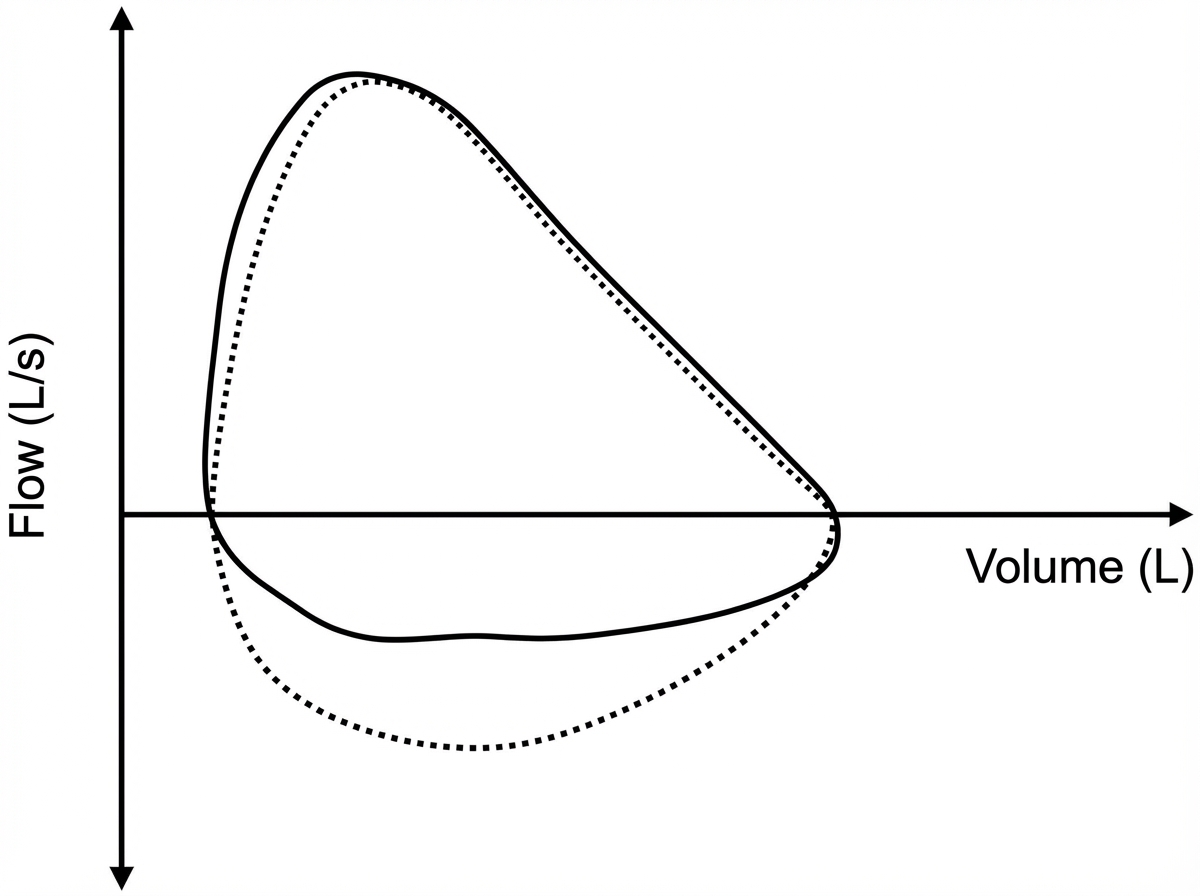
Five minutes after arriving in the postoperative care unit following total knee replacement under general anesthesia, a 55-year-old woman is acutely short of breath. The procedure was uncomplicated. Postoperatively, prophylactic treatment with cefazolin was begun and the patient received morphine and ketorolac for pain management. She has generalized anxiety disorder. Her only other medication is escitalopram. She has smoked one pack of cigarettes daily for 25 years. Her temperature is 37°C (98.6°F), pulse is 108/min, respirations are 26/min, and blood pressure is 95/52 mm Hg. A flow-volume loop obtained via pulmonary function testing is shown. Which of the following is the most likely underlying cause of this patient's symptoms?
Antibiotics US Medical PG Practice Questions and MCQs
Question 41: A 26-year-old woman comes to the emergency department 30 minutes after she was bitten by her neighbor's cat. She has no history of serious illness and takes no medications. She received all recommended immunizations during childhood but has not received any since then. Vital signs are within normal limits. Physical examination shows four puncture wounds on the thenar eminence of the right hand. There is mild swelling but no erythema. There is normal range of motion of her right thumb and wrist. The wound is cleaned with povidone iodine and irrigated with saline. Which of the following is the most appropriate next step in management?
A. Administer tetanus toxoid and tetanus IV immunoglobulin
B. Close the wound surgically
C. Administer oral amoxicillin-clavulanate (Correct Answer)
D. Close the wound with cyanoacrylate tissue adhesive
E. Obtain a wound culture
Explanation: ***Administer oral amoxicillin-clavulanate***
- **Cat bite wounds**, especially **puncture wounds** on the hands, have a high risk of infection due to the inoculation of oral bacteria (e.g., *Pasteurella multocida*, *Staphylococcus species*) deep into tissues, making **prophylactic antibiotics** crucial.
- **Amoxicillin-clavulanate** is the first-line prophylactic antibiotic for cat bites due to its broad spectrum covering common pathogens.
*Administer tetanus toxoid and tetanus IV immunoglobulin*
- While **tetanus prophylaxis** is important for wounds, the patient has a history of complete childhood immunizations, suggesting she only needs a **tetanus booster** if her last dose was more than five years ago (for dirty wounds) or ten years ago (for clean wounds), which is not specified but more likely the case than needing both toxoid and immunoglobulin.
- **Tetanus immunoglobulin (TIG)** is reserved for patients with unknown or incomplete immunization status, or very high-risk wounds, which is not indicated here given her history.
*Close the wound surgically*
- **Cat bite wounds**, particularly **puncture wounds**, should generally **not be surgically closed** due to the high risk of trapping bacteria and creating an anaerobic environment, thus increasing the risk of infection.
- The goal is to allow the wound to drain and heal by **secondary intention**.
*Close the wound with cyanoacrylate tissue adhesive*
- Similar to surgical closure, using tissue adhesive on a **cat bite puncture wound** is generally contraindicated due to the high risk of infection.
- This method would **seal in bacteria**, preventing drainage and promoting bacterial growth.
*Obtain a wound culture*
- A **wound culture** is typically obtained if there are already signs of established infection (e.g., significant erythema, purulent discharge, fever) or if prophylaxis fails.
- At this early stage, with only mild swelling and no overt signs of infection, **empiric prophylactic antibiotics** are more appropriate than waiting for culture results.
Question 42: A 13-year-old male is admitted to the hospital for treatment of acute lymphoblastic leukemia. During his hospital course, he develops a fever of 39.0 degrees Celsius. A CBC demonstrates a leukocyte count of <500 /mm^3. Which of the following is the most appropriate initial management of this patient?
A. Strict quarantine and hand-washing
B. IV ceftazidime (Correct Answer)
C. Oral ciprofloxacin and amoxicillin/clavulanic acid
D. Granulocyte colony-stimulating factor (G-CSF)
E. Oral doxycycline
Explanation: ***IV ceftazidime***
- This patient presents with **febrile neutropenia** (fever with a leukocyte count of <500/mm³), a life-threatening condition in immunocompromised patients.
- **Empiric broad-spectrum intravenous antibiotics**, such as ceftazidime, are crucial to cover potential gram-negative and gram-positive bacterial infections, and should be initiated immediately.
*Strict quarantine and hand-washing*
- While **infection control measures** like hand-washing and isolation are important for preventing infections, they are **not sufficient as initial management** for febrile neutropenia.
- Febrile neutropenia requires **prompt empiric antibiotic treatment** to address existing infections, not just prevention.
*Oral ciprofloxacin and amoxicillin/clavulanic acid*
- **Oral antibiotics are generally insufficient** for initial management of febrile neutropenia, especially in a hospitalized patient with a severe presentation.
- Parenteral administration of broad-spectrum antibiotics is initially preferred for better bioavailability and rapid action against potentially life-threatening infections.
*Granulocyte colony-stimulating factor (G-CSF)*
- **G-CSF can be used to promote granulocyte recovery** in some cases of chemotherapy-induced neutropenia, but it is **not indicated for the initial management of active febrile neutropenia**.
- Its role is primarily supportive, to shorten the duration of neutropenia, not to treat presumed bacterial infections.
*Oral doxycycline*
- **Doxycycline has a limited spectrum** of activity and is not a broad-spectrum antibiotic appropriate for empiric treatment of febrile neutropenia.
- It would **not adequately cover common bacterial pathogens** seen in immunocompromised patients.
Question 43: A 22-year-old female with no past medical history presents to her primary care physician with a 3-day history of knee pain. She denies any recent injury or trauma. On physical examination her knee is warm, erythematous, and has diminished range of movement. The patient reports having multiple sexual partners over the last year and does not use protection regularly. Her blood pressure is 124/85 mmHg, heart rate is 76/min, and temperature is 38.3℃ (101.0℉). A joint aspiration is performed and a growth of gram-negative diplococci is noted on bacterial culture. What is the treatment of choice for this patient's condition?
A. Vancomycin monotherapy
B. Fluoroquinolones
C. Nafcillin monotherapy and joint aspiration
D. Oxacillin and ceftriaxone
E. Ceftriaxone monotherapy and joint aspiration (Correct Answer)
Explanation: ***Ceftriaxone monotherapy and joint aspiration***
- The patient's presentation with **acute monoarthritis**, fever, and **gram-negative diplococci** on joint culture is highly suggestive of **gonococcal arthritis**. Intravenous ceftriaxone is the treatment of choice for disseminated gonococcal infection.
- While joint aspiration confirms the diagnosis and can relieve pressure, definitive treatment requires systemic antibiotics to clear the infection.
*Vancomycin monotherapy*
- **Vancomycin** is primarily effective against **gram-positive bacteria**, particularly MRSA, and would not adequately cover the gram-negative diplococci found in this case.
- Using vancomycin alone would leave the patient's gonococcal infection untreated, potentially leading to worsening of symptoms or complications.
*Fluoroquinolones*
- While some fluoroquinolones have activity against *Neisseria gonorrhoeae*, **widespread resistance** to this class of antibiotics has emerged, making them an unreliable choice for empiric or first-line treatment of gonococcal infections.
- The CDC no longer recommends fluoroquinolones for gonococcal infections due to high rates of resistance.
*Nafcillin monotherapy and joint aspiration*
- **Nafcillin** is a narrow-spectrum penicillin effective primarily against **methicillin-sensitive *Staphylococcus aureus*** and other gram-positive organisms.
- It would not provide appropriate coverage for the **gram-negative diplococci** identified in this patient's joint fluid.
*Oxacillin and ceftriaxone*
- While **ceftriaxone** is appropriate, the addition of **oxacillin** (another anti-staphylococcal penicillin) would be unnecessary.
- Oxacillin is primarily used for gram-positive infections and would not add benefit against **gonococcal arthritis**, increasing the risk of adverse effects without improving efficacy.
Question 44: A 61-year-old woman is brought to the emergency department because of fever, chills, and flank pain for 8 hours. Her temperature is 39.1°C (102.4°F). Physical examination shows right costovertebral angle tenderness. Urine dipstick is positive for nitrites. Urinalysis shows gram-negative rods. The patient is admitted to the hospital and treatment with a drug that directly inhibits bacterial DNA replication is begun. This drug inhibits a protein that is normally responsible for which of the following steps of DNA replication?
A. Excising RNA fragments in 5' to 3' direction
B. Cleaving DNA to relieve supercoils (Correct Answer)
C. Binding to single-stranded DNA to prevent reannealing
D. Unwinding DNA at replication fork
E. Joining of short DNA fragments
Explanation: ***Cleaving DNA to relieve supercoils***
- The patient's symptoms (fever, chills, flank pain, CVA tenderness, nitrites in urine, gram-negative rods) are consistent with **pyelonephritis**, typically caused by **gram-negative bacteria**.
- The drug described is an **antibiotic** that inhibits bacterial **DNA replication**. This mechanism points towards **fluoroquinolones**, which inhibit **DNA gyrase (topoisomerase II)** and **topoisomerase IV**. These enzymes are responsible for **cleaving DNA** to relieve supercoils during replication and transcription.
*Excising RNA fragments in 5' to 3' direction*
- This function is primarily carried out by **DNA polymerase I** in prokaryotes, which removes **RNA primers** during replication.
- While essential for replication, it is not the direct target of antibiotics that inhibit overall bacterial DNA replication in the described scenario.
*Binding to single-stranded DNA to prevent reannealing*
- This role is performed by **single-stranded binding proteins (SSBs)**, which stabilize the separated DNA strands at the replication fork.
- These proteins are not typically targeted by antibiotics that inhibit DNA replication.
*Unwinding DNA at replication fork*
- The unwinding of DNA at the replication fork is primarily carried out by **DNA helicase**.
- While crucial for replication, antibiotics like fluoroquinolones target different enzymes involved in managing DNA topology.
*Joining of short DNA fragments*
- The joining of Okazaki fragments on the lagging strand is catalyzed by **DNA ligase**.
- This enzyme is not the primary target of antibiotics designed to broadly inhibit bacterial DNA replication by interfering with DNA gyrase or topoisomerase IV.
Question 45: A 54-year-old man presents with fever, abdominal pain, nausea, and bloody diarrhea. He says that his symptoms started 36 hours ago and have not improved. Past medical history is significant for a left-leg abscess secondary to an injury he sustained from a fall 4 days ago while walking his dog. He has been taking clindamycin for this infection. In addition, he has long-standing gastroesophageal reflux disease, managed with omeprazole. His vital signs include: temperature 38.5°C (101.3°F), respiratory rate 19/min, heart rate 90/min, and blood pressure 110/70 mm Hg. Which of the following is the best course of treatment for this patient’s most likely diagnosis?
A. Tetracycline
B. Ciprofloxacin
C. Trimethoprim-sulfamethoxazole
D. Erythromycin
E. Vancomycin (Correct Answer)
Explanation: ***Vancomycin***
- The patient's history of recent **clindamycin** use for an abscess, development of **fever, abdominal pain, nausea, and bloody diarrhea**, and use of **omeprazole** (a risk factor), strongly suggests **_Clostridioides difficile_ infection (CDI)**.
- **Oral vancomycin** is a first-line treatment for **severe non-fulminant CDI**, which this patient's symptoms (fever, bloody diarrhea) are consistent with.
*Tetracycline*
- **Tetracycline** is typically used for bacterial infections like **chlamydia, Lyme disease, and rickettsial infections**; it is not effective against _C. difficile_.
- It works by **inhibiting bacterial protein synthesis** but does not target the cell wall of _C. difficile_.
*Ciprofloxacin*
- **Ciprofloxacin**, a fluoroquinolone, is generally **contraindicated in CDI** as it can be a risk factor for developing the infection or exacerbate it due to disruption of gut flora.
- While effective against many gram-negative bacteria, it has **no significant activity against _C. difficile_**.
*Trimethoprim-sulfamethoxazole*
- **Trimethoprim-sulfamethoxazole** is a combination antibiotic used for various bacterial infections, including **UTIs and some respiratory infections**.
- It is **not effective against _C. difficile_** and is not recommended for its treatment.
*Erythromycin*
- **Erythromycin**, a macrolide, is effective against a range of bacterial infections including **atypical pneumonia and skin infections**.
- It has **no role in the treatment of _C. difficile_ infection** and its use could potentially further disrupt the gut microbiome.
Question 46: An investigator is studying the chemical structure of antibiotics and its effect on bacterial growth. He has synthesized a simple beta-lactam antibiotic and has added a bulky side chain to the molecule that inhibits the access of bacterial enzymes to the beta-lactam ring. The synthesized drug will most likely be appropriate for the treatment of which of the following conditions?
A. Folliculitis (Correct Answer)
B. Nocardiosis
C. Atypical pneumonia
D. Erythema migrans
E. Otitis media
Explanation: ***Folliculitis***
- The bulky side chain provides **steric hindrance** that prevents **staphylococcal beta-lactamases** from accessing and degrading the **beta-lactam ring**.
- This modification creates an **anti-staphylococcal penicillin** (similar to methicillin, nafcillin, or oxacillin), which is effective against **methicillin-sensitive *Staphylococcus aureus* (MSSA)**.
- **Folliculitis** is most commonly caused by *S. aureus*, making this modified beta-lactam an appropriate treatment choice for MSSA-related folliculitis.
- The bulky side chain specifically protects against the **penicillinase** (beta-lactamase) produced by staphylococci.
*Otitis media*
- Otitis media is commonly caused by beta-lactamase-producing organisms like *Haemophilus influenzae* and *Moraxella catarrhalis*.
- However, the beta-lactamases produced by these gram-negative organisms are **not inhibited by bulky side chains** alone.
- Treatment of beta-lactamase-producing *H. influenzae* and *M. catarrhalis* requires **beta-lactamase inhibitors** (such as clavulanic acid combined with amoxicillin), not steric hindrance.
- The mechanism of protection differs: beta-lactamase inhibitors **suicide inhibitors** that bind to the enzyme, whereas bulky side chains provide **physical blocking**.
*Nocardiosis*
- Nocardiosis is caused by *Nocardia* species, which are **aerobic actinomycetes**.
- These bacteria are typically treated with **sulfonamides** (trimethoprim-sulfamethoxazole) for prolonged periods.
- Beta-lactam antibiotics are generally not first-line treatment, as *Nocardia* species often show intrinsic resistance or require specific antibiotic combinations.
*Atypical pneumonia*
- Atypical pneumonia is caused by organisms like *Mycoplasma pneumoniae*, *Chlamydophila pneumoniae*, and *Legionella pneumophila*.
- These organisms lack a **peptidoglycan cell wall**, which is the target of all **beta-lactam antibiotics**.
- Beta-lactams (regardless of modifications) are completely ineffective against atypical pneumonia pathogens.
- Treatment requires **macrolides** (azithromycin), **tetracyclines** (doxycycline), or **fluoroquinolones**.
*Erythema migrans*
- Erythema migrans is the characteristic rash of early **Lyme disease**, caused by *Borrelia burgdorferi*.
- While *Borrelia* is sensitive to certain beta-lactam antibiotics (amoxicillin, ceftriaxone), it does **not produce beta-lactamases**.
- The bulky side chain modification is unnecessary for treating *Borreria* infections, as there is no beta-lactamase to protect against.
- Standard treatment uses doxycycline, amoxicillin, or ceftriaxone—not anti-staphylococcal penicillins.
Question 47: A 49-year-old woman comes to the physician because of a 4-month history of fatigue and recurrent pain in both of her wrists and her fingers. During this time, she has also had stiffness of her joints for about 80 minutes after waking up in the morning. Examination shows swelling and tenderness of the wrists and metacarpophalangeal joints bilaterally. Her serum erythrocyte sedimentation rate is 42 mm/h and rheumatoid factor is positive. Treatment is begun with a drug that results in decreased synthesis of deoxythymidine monophosphate. This mechanism is most similar to the mechanism of action of which of the following drugs?
A. Trimethoprim (Correct Answer)
B. Gentamicin
C. Sulfamethoxazole
D. Doxycycline
E. Azithromycin
Explanation: ***Trimethoprim***
- The patient has **rheumatoid arthritis** being treated with **methotrexate**, which inhibits **dihydrofolate reductase** leading to decreased **deoxythymidine monophosphate (dTMP)** synthesis
- **Trimethoprim** also inhibits **dihydrofolate reductase** in bacteria, targeting the same enzyme in the folate metabolism pathway as methotrexate
- This makes their mechanisms of action most similar among the options provided
*Gentamicin*
- Aminoglycoside antibiotic that inhibits bacterial protein synthesis by irreversibly binding to the **30S ribosomal subunit**
- Mechanism is entirely different from inhibition of dTMP synthesis
*Sulfamethoxazole*
- Sulfonamide antibiotic that inhibits bacterial **dihydropteroate synthase** by competing with para-aminobenzoic acid (PABA)
- While it targets the folate pathway, it acts **earlier** in the pathway than trimethoprim or methotrexate (before dihydrofolate reductase)
*Doxycycline*
- Tetracycline antibiotic that inhibits bacterial protein synthesis by reversibly binding to the **30S ribosomal subunit**
- Does not involve the folate pathway or dTMP synthesis
*Azithromycin*
- Macrolide antibiotic that inhibits bacterial protein synthesis by binding to the **50S ribosomal subunit**
- Unrelated to dTMP synthesis or folate metabolism
Question 48: A 7-year-old girl is brought by her parents to her pediatrician's office for a persistent cough observed over the past month. She was diagnosed with cystic fibrosis 2 years ago and has been receiving chest physiotherapy regularly and the flu vaccine yearly. Her parents tell the pediatrician that their daughter has been coughing day and night for the past month, and produces thick, purulent, foul-smelling sputum. They are concerned because this is the first time such an episode has occurred. She has not had a fever, chills or any other flu-like symptoms. On examination, her blood pressure is 100/60 mm Hg, the pulse is 82/min, and the respiratory rate is 16/min. Breath sounds are reduced over the lower lung fields along with a presence of expiratory wheezing. Her sputum culture comes back positive for an aerobic, non-lactose fermenting, oxidase-positive, gram-negative bacillus. Which of the following prophylactic regimes should be considered after treating this patient for her current symptoms?
A. Oral trimethoprim-sulfamethoxazole
B. Oral amoxicillin/clavulanic acid
C. Oral ciprofloxacin
D. Inhaled levofloxacin
E. Inhaled tobramycin (Correct Answer)
Explanation: ***Inhaled tobramycin***
- The patient's symptoms (persistent cough, purulent sputum, reduced breath sounds, expiratory wheezing) coupled with a positive culture for an **aerobic, non-lactose fermenting, oxidase-positive, gram-negative bacillus** in a patient with cystic fibrosis (CF) strongly suggest a *Pseudomonas aeruginosa* infection.
- **Inhaled tobramycin** is a recommended prophylactic regimen for CF patients with chronic *Pseudomonas aeruginosa* colonization to reduce exacerbations and preserve lung function after initial eradication therapy.
*Oral trimethoprim-sulfamethoxazole*
- This antibiotic is primarily used for infections caused by *Staphylococcus aureus*, *Haemophilus influenzae*, and *Pneumocystis jirovecii*, but not typically for *Pseudomonas aeruginosa* in CF.
- While it has some activity against certain gram-negative bacteria, it is not the preferred prophylactic agent for *Pseudomonas* in CF due to resistance patterns and lack of efficacy compared to antipseudomonal agents.
*Oral amoxicillin/clavulanic acid*
- This combination antibiotic is effective against a broad spectrum of bacteria, including *Haemophilus influenzae* and *Moraxella catarrhalis*, but it does not have reliable activity against *Pseudomonas aeruginosa*.
- It is not indicated for prophylactic use against *Pseudomonas* in CF patients.
*Oral ciprofloxacin*
- While oral ciprofloxacin is active against *Pseudomonas aeruginosa* and is sometimes used for acute exacerbations, chronic daily oral quinolone use is generally avoided for prophylaxis due to concerns about resistance development and significant side effects.
- **Inhaled antibiotics** are preferred for chronic suppression in CF as they deliver high concentrations directly to the lungs, minimizing systemic side effects.
*Inhaled levofloxacin*
- Similar to other quinolones, inhaled levofloxacin can be used for *Pseudomonas* infections in CF. However, given the options, **inhaled tobramycin** has a more established and broader role as a first-line inhaled prophylactic option for *Pseudomonas* in CF.
- Resistance patterns and individual patient response would guide the choice between different inhaled antibiotics, but tobramycin is a classic prophylactic agent in this setting.
Question 49: A 42-year-old man with chronic hepatitis C is admitted to the hospital because of jaundice and abdominal distention. He is diagnosed with decompensated liver cirrhosis, and treatment with diuretics is begun. Two days after admission, he develops abdominal pain and fever. Physical examination shows tense ascites and diffuse abdominal tenderness. Paracentesis yields cloudy fluid with elevated polymorphonuclear (PMN) leukocyte count. A drug with which of the following mechanisms is most appropriate for this patient's condition?
A. Free radical creation within bacterial cell
B. Inhibition of bacterial 50S subunit
C. Inhibition of bacterial RNA polymerase
D. Inhibition of bacterial peptidoglycan crosslinking (Correct Answer)
E. Inhibition of bacterial DNA gyrase
Explanation: ***Inhibition of bacterial peptidoglycan crosslinking***
- The patient's symptoms (fever, abdominal pain, diffuse tenderness, cloudy ascitic fluid with elevated PMN count) are highly suggestive of **spontaneous bacterial peritonitis (SBP)**, a common complication of decompensated cirrhosis.
- The most appropriate treatment for SBP is **broad-spectrum antibiotics**, typically a third-generation cephalosporin like **cefotaxime** or **ceftriaxone**, which work by inhibiting bacterial peptidoglycan crosslinking in the cell wall (beta-lactam mechanism).
- These agents provide excellent coverage against the common gram-negative enteric pathogens (especially *E. coli*) that cause SBP.
*Free radical creation within bacterial cell*
- This mechanism is characteristic of **nitroimidazoles** (e.g., metronidazole), which are effective against anaerobic bacteria and certain protozoa.
- While anaerobes can occasionally be involved in secondary peritonitis, empiric treatment for SBP typically targets gram-negative enteric bacteria, for which nitroimidazoles are not first-line choices.
*Inhibition of bacterial 50S subunit*
- This mechanism is common to **macrolides** (e.g., azithromycin) and **lincosamides** (e.g., clindamycin).
- These antibiotics are generally not first-line empiric treatment for SBP, which primarily requires coverage of gram-negative aerobes.
*Inhibition of bacterial RNA polymerase*
- This is the mechanism of action for **rifampin**, which is primarily used for tuberculosis and prophylaxis against certain bacterial meningitis (e.g., *N. meningitidis*).
- Rifampin is not suitable as empiric monotherapy for SBP given the typical causative pathogens.
*Inhibition of bacterial DNA gyrase*
- This is the mechanism of **fluoroquinolones** (e.g., ciprofloxacin, levofloxacin), which inhibit DNA gyrase (topoisomerase II) and topoisomerase IV, preventing bacterial DNA replication.
- Fluoroquinolones can be used for SBP treatment and prophylaxis, but third-generation cephalosporins remain the preferred first-line empiric therapy for acute SBP in most clinical guidelines.
Question 50: Five minutes after arriving in the postoperative care unit following total knee replacement under general anesthesia, a 55-year-old woman is acutely short of breath. The procedure was uncomplicated. Postoperatively, prophylactic treatment with cefazolin was begun and the patient received morphine and ketorolac for pain management. She has generalized anxiety disorder. Her only other medication is escitalopram. She has smoked one pack of cigarettes daily for 25 years. Her temperature is 37°C (98.6°F), pulse is 108/min, respirations are 26/min, and blood pressure is 95/52 mm Hg. A flow-volume loop obtained via pulmonary function testing is shown. Which of the following is the most likely underlying cause of this patient's symptoms?
A. Decreased central respiratory drive
B. Neuromuscular blockade
C. Bronchial hyperresponsiveness
D. Rupture of an alveolar bleb
E. Type I hypersensitivity reaction (Correct Answer)
Explanation: ***Type I hypersensitivity reaction***
- The patient's acute shortness of breath, **tachycardia (pulse 108/min)**, **hypotension (95/52 mm Hg)**, and tachypnea (respirations 26/min) immediately post-surgery are highly suggestive of **anaphylaxis**, which is a severe, systemic type I hypersensitivity reaction.
- The sudden onset shortly after general anesthesia and initiation of prophylactic cefazolin points to a potential allergic reaction to a medication administered during this period (e.g., **antibiotics**, **neuromuscular blockers**, anesthetics).
*Decreased central respiratory drive*
- This would typically lead to **bradypnea** or hypopnea rather than the tachypnea seen in this patient.
- While opioids like morphine can depress respiratory drive, the patient's respiratory rate of 26/min indicates an *increased* drive.
*Neuromuscular blockade*
- Residual neuromuscular blockade would cause respiratory muscle weakness, leading to **shallow breathing** and potentially hypoventilation, but not typically the acute onset of shortness of breath with tachypnea and systemic hemodynamic instability observed here.
- The immediate onset of symptoms also points away from persistent effects of intraoperative neuromuscular blockers, which are usually reversed before emergence.
*Bronchial hyperresponsiveness*
- While the patient is a smoker, which can predispose to respiratory issues, **bronchial hyperresponsiveness** (e.g., asthma exacerbation) typically presents with **wheezing**, prolonged expiration, and often hypoxemia, which are not described.
- The severe hypotension and acute onset of systemic symptoms are not typical features of an isolated asthma flare-up.
*Rupture of an alveolar bleb*
- A ruptured bleb can cause a **pneumothorax**, leading to sudden shortness of breath and chest pain.
- However, it would not typically cause **systemic hypotension** or tachycardia to this degree without other signs of tension pneumothorax (e.g., tracheal deviation, absent breath sounds).