Three days after admission to the hospital following a motor vehicle accident, a 45-year-old woman develops a fever. A central venous catheter was placed on the day of admission for treatment of severe hypotension. Her temperature is 39.2°C (102.5°F). Examination shows erythema surrounding the catheter insertion site at the right internal jugular vein. Blood cultures show gram-positive, catalase-positive cocci that have a high minimum inhibitory concentration when exposed to novobiocin. Which of the following is the most appropriate pharmacotherapy?
Q32
A 77-year-old woman is brought to the emergency department from her nursing home because she was found down overnight. On presentation she was found to be delirious and was unable to answer questions. Chart review shows that she is allergic to cephalosporins. Her temperature is 102.2°F (39°C), blood pressure is 105/52 mmHg, pulse is 94/min, and respirations are 23/min. Physical exam reveals a productive cough. A metabolic panel is obtained with the following results:
Serum:
Na+: 135 mEq/L
Cl-: 95 mEq/L
K+: 4 mEq/L
HCO3-: 19 mEq/L
BUN: 40 mg/dL
Creatinine: 2.5 mg/dL
Glucose: 150 mg/dL
Based on these findings two different drugs are started empirically. Gram stain on a blood sample is performed showing the presence of gram-positive organisms on all samples. One of the drugs is subsequently stopped. The drug that was most likely stopped has which of the following characteristics?
Q33
A 68-year-old man comes to the physician because of headache, fatigue, and nonproductive cough for 1 week. He appears pale. Pulmonary examination shows no abnormalities. Laboratory studies show a hemoglobin concentration of 9.5 g/dL and an elevated serum lactate dehydrogenase concentration. A peripheral blood smear shows normal red blood cells that are clumped together. Results of cold agglutinin titer testing show a 4-fold elevation above normal. An x-ray of the chest shows diffuse, patchy infiltrates bilaterally. Treatment is begun with an antibiotic that is also used to promote gut motility. Which of the following is the primary mechanism of action of this drug?
Q34
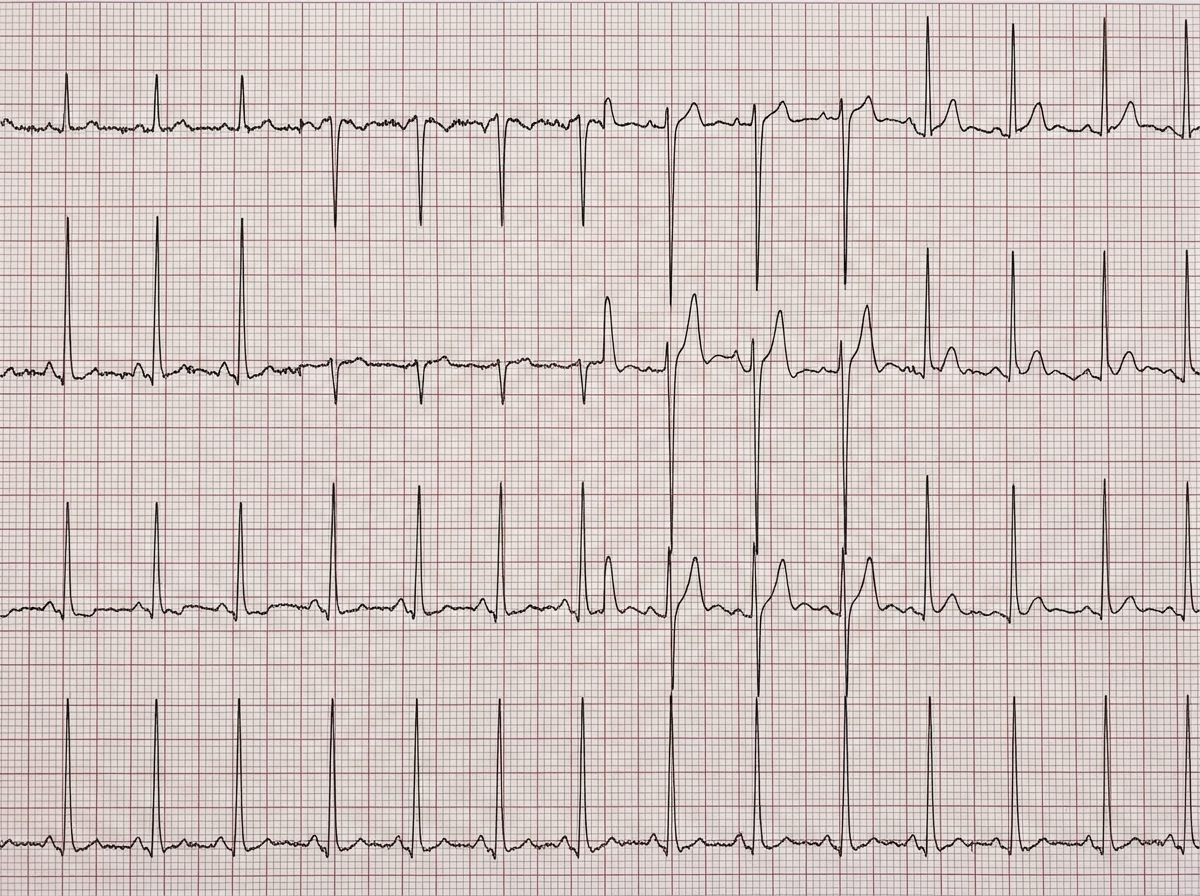
A 24-year-old woman comes to the emergency department because she has had dyspnea and palpitations occurring with mild exertion for the past 8 days. At first, the symptoms subsided immediately after cessation of activity, but they have become worse and now last up to 45 minutes. The patient returned from a summer camping trip in Vermont 6 weeks ago. Except for an episode of flu with fever and chills a month ago, she has no history of serious illness. Her father had a myocardial infarction at the age of 56. She drinks two to four beers on social occasions and occasionally smokes marijuana. Her temperature is 37°C (98.6°F), pulse is 47/min, respirations are 20/min, and blood pressure is 150/70 mm Hg. A resting ECG is shown. Two-step serological testing confirms the diagnosis. Which of the following is the most appropriate next step in management?
Q35
A 49-year-old man presents to the clinic for evaluation of puncture wounds on the dorsal aspect of his right second and third metacarpals. He states that he was in a fight 3 nights ago and he struck another individual in the mouth. The patient’s medical history is significant for peripheral vascular disease and hypertension. He takes aspirin, sulfasalazine, and lisinopril. He is allergic to penicillin. He drinks socially on weekends and smokes one and one-half packs of cigarettes daily. Vitals of the patient are as follows: blood pressure is 142/88 mm Hg; heart rate is 88/min; respiratory rate is 14/min; temperature is 38.9°C (102.1°F). On physical examination, the patient appears alert and oriented. His BMI is 33 kg/ m². His eyes are without scleral icterus. His right orbital region reveals ecchymosis along the superior and inferior borders. His heart is regular in rhythm and rate without murmurs. Capillary refill is 4 seconds in fingers and toes. His right dorsal second and third metacarpal region reveals two 3 mm lacerations with edema. Which of the following is the most appropriate management strategy for this patient?
Q36
A 29-year-old woman presents to the emergency department with a history of a fever that "won't break." She has taken acetaminophen without relief. Upon obtaining a past medical history you learn that the patient is a prostitute who is homeless with a significant history of intravenous drug use and alcohol abuse. The patient uses barrier protection occasionally when engaging in intercourse. On physical exam you note a murmur heard along the left mid-sternal border. The pulmonary exam reveals minor bibasilar crackles. Examination of the digits is notable for linea melanonychia. The patient's upper limbs demonstrate many bruises and scars in the antecubital fossa. Her temperature is 103.5°F (39.5°C), blood pressure is 100/70 mmHg, pulse is 112/min, respirations are 18/min, and oxygen saturation is 93% on room air.
The patient's BMI is 16 kg/m^2. The patient is started on vancomycin and gentamicin and sent for echocardiography. Based on the results of echocardiography the patient is scheduled for surgery the next day.
Vegetations are removed from the tricuspid valve during the surgical procedure and vancomycin and gentamicin are continued over the next 5 days. On post-operative day five, the patient presents with bleeding from her gums, oozing from her surgical sites, and recurrent epitaxis. Lab value are obtained as seen below:
Serum:
Na+: 135 mEq/L
Cl-: 90 mEq/L
K+: 4.4 mEq/L
HCO3-: 23 mEq/L
BUN: 20 mg/dL
Glucose: 110 mg/dL
Creatinine: 1.0 mg/dL
Ca2+: 10.1 mg/dL
AST: 9 U/L
ALT: 9 U/L
Leukocyte count and differential:
Leukocyte count: 6,000 cells/mm^3
Lymphocytes: 20%
Monocytes: 1%
Neutrophils: 78%
Eosinophils: 1%
Basophils: 0%
PT: 27 seconds
aPTT: 84 seconds
D-dimer: < 50 µg/L
Hemoglobin: 14 g/dL
Hematocrit: 40%
Platelet count: 150,000/mm^3
Mean corpuscular volume: 110 fL
Mean corpuscular hemoglobin concentration: 34 g/dL
RDW: 14%
Which of the following is the most likely cause of this patient's current symptoms?
Q37
An endocervical swab is performed and nucleic acid amplification testing via polymerase chain reaction is conducted. It is positive for Chlamydia trachomatis and negative for Neisseria gonorrhoeae. Which of the following is the most appropriate pharmacotherapy?
Q38
A 22-year-old man presents to clinic with a chief concern about a painless ulcer on his penis that he noticed 4 weeks ago and resolved one week ago. He denies any pain on urination or changes in urinary patterns. He admits to having multiple sexual partners in the past 3 months and inconsistent use of barrier protection. His vitals are within normal limits and his physical exam is unremarkable. He is given the appropriate antibiotic for this condition and sent home. What molecular structure is mimicked by the antibiotic most likely prescribed in this case?
Q39
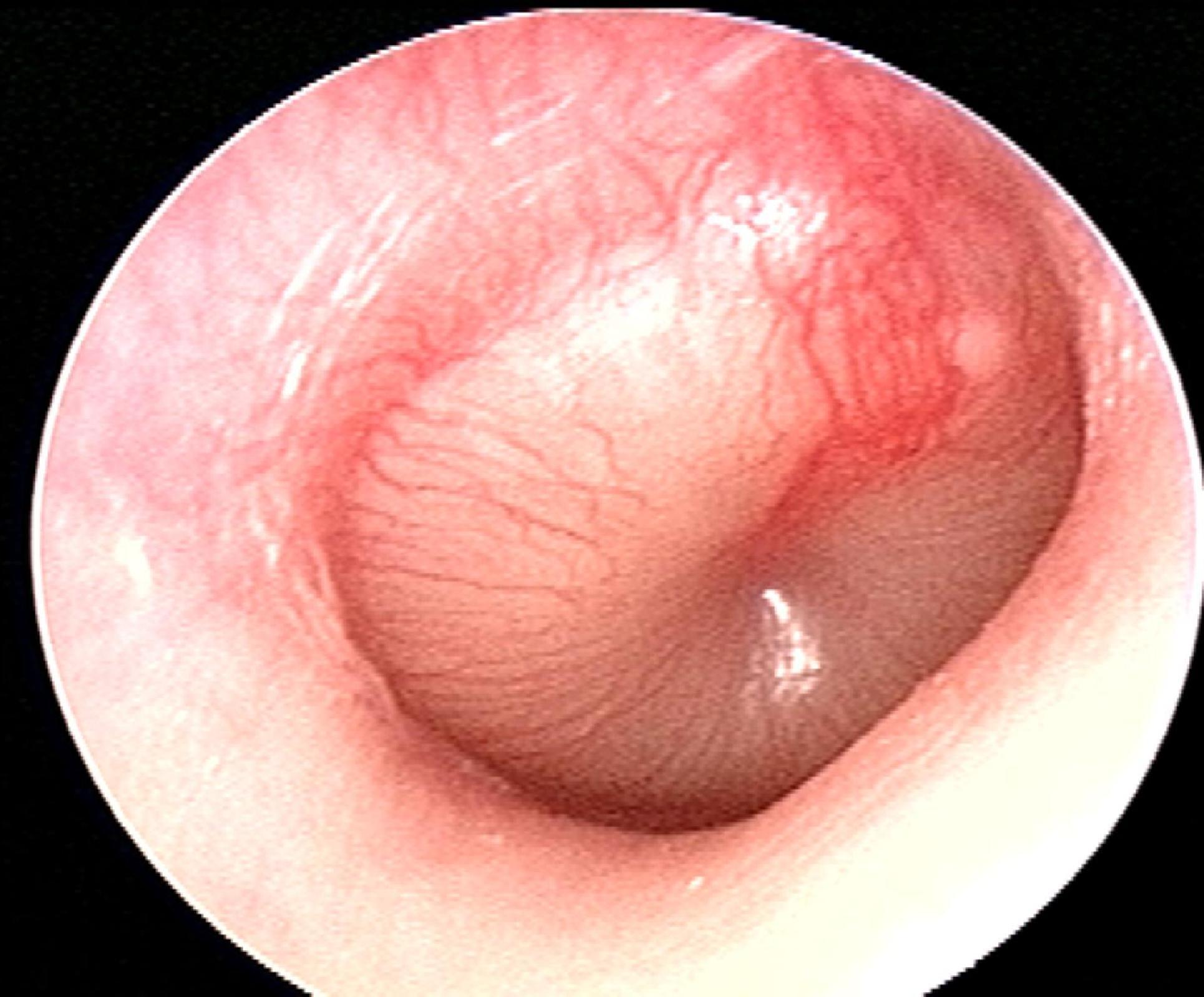
A 7-year-old boy is brought to the clinic by his parents due to right ear pain. For the past few days, the patient's parents say he has had a low-grade fever, a runny nose, and has been frequently pulling on his right ear. Past medical history is significant for a similar episode one month ago for which he has prescribed a 10-day course of amoxicillin. He is up-to-date on all vaccinations and is doing well at school. His temperature is 38.5°C (101.3°F), blood pressure is 106/75 mm Hg, pulse is 101/min, and respiratory rate is 20/min. Findings on otoscopic examination are shown in the image. The patient is treated with amoxicillin with clavulanic acid. Which of the following best describes the benefit of adding clavulanic acid to amoxicillin?
Q40
A 44-year-old woman presents to her primary care physician for worsening dysuria, hematuria, and lower abdominal pain. Her symptoms began approximately 2 days ago and have progressively worsened. She denies headache, nausea, vomiting, or diarrhea. She endorses feeling "feverish" and notes to having foul smelling urine. She has a past medical history of Romano-Ward syndrome and is not on any treatment. She experiences profuse diarrhea and nausea when taking carbapenems and develops a severe rash with cephalosporins. Her temperature is 100.4°F (38C), blood pressure is 138/93 mmHg, pulse is 100/min, and respirations are 18/min. On physical exam, the patient appears uncomfortable and there is tenderness to palpation around the bilateral flanks and costovertebral angle. A urinalysis and urine culture is obtained and appropriate antibiotics are administered. On her next clinical visit urine studies and a basic metabolic panel is obtained, which is shown below:
Serum:
Na+: 140 mEq/L
Cl-: 101 mEq/L
K+: 4.2 mEq/L
HCO3-: 22 mEq/L
BUN: 20 mg/dL
Glucose: 94 mg/dL
Creatinine: 2.4 mg/dL
Urinalysis
Color: Yellow
Appearance: Clear
Blood: Negative
pH: 7 (Normal 5-8)
Protein: Negative
Nitrite: Negative
Leukocyte esterase: Negative
Cast: Epithelial casts
FeNa: 3%
Urine culture
Preliminary report: 10,000 CFU/mL E. coli
Which of the following antibiotics was most likely given to this patient?
Antibiotics US Medical PG Practice Questions and MCQs
Question 31: Three days after admission to the hospital following a motor vehicle accident, a 45-year-old woman develops a fever. A central venous catheter was placed on the day of admission for treatment of severe hypotension. Her temperature is 39.2°C (102.5°F). Examination shows erythema surrounding the catheter insertion site at the right internal jugular vein. Blood cultures show gram-positive, catalase-positive cocci that have a high minimum inhibitory concentration when exposed to novobiocin. Which of the following is the most appropriate pharmacotherapy?
A. Clarithromycin
B. Vancomycin (Correct Answer)
C. Metronidazole
D. Penicillin G
E. Polymyxin B
Explanation: ***Vancomycin***
- The description of **gram-positive, catalase-positive cocci** that are **novobiocin-resistant** (high MIC) strongly points to **Staphylococcus epidermidis** or other coagulase-negative staphylococci. *S. epidermidis* is the most common cause of **catheter-related bloodstream infections** and is often **methicillin-resistant**, making **vancomycin** the drug of choice.
- The presence of erythema at the catheter site and fever in a patient with a central venous catheter indicates a **central line-associated bloodstream infection (CLABSI)**, for which empiric coverage with vancomycin is standard until sensitivities are known.
- The novobiocin resistance test helps differentiate *S. epidermidis* (resistant) from *S. saprophyticus* (sensitive).
*Clarithromycin*
- **Clarithromycin** is a macrolide antibiotic primarily used for respiratory tract infections and *Mycobacterium avium complex*.
- It is **not effective** against methicillin-resistant staphylococci and would not be appropriate for a suspected CLABSI.
*Metronidazole*
- **Metronidazole** is an antibiotic mainly used for **anaerobic bacterial infections** and certain parasitic infections.
- It has **no activity** against gram-positive cocci like staphylococci.
*Penicillin G*
- **Penicillin G** is a narrow-spectrum penicillin effective against some gram-positive cocci, like **Streptococcus pyogenes**.
- However, virtually all staphylococci, especially those causing hospital-acquired infections, are **resistant to penicillin G** due to beta-lactamase (penicillinase) production.
*Polymyxin B*
- **Polymyxin B** is an antibiotic primarily effective against **gram-negative bacteria**, particularly those with multi-drug resistance such as **Pseudomonas aeruginosa** and **Acinetobacter baumannii**.
- It has **no significant activity** against gram-positive cocci like staphylococci.
Question 32: A 77-year-old woman is brought to the emergency department from her nursing home because she was found down overnight. On presentation she was found to be delirious and was unable to answer questions. Chart review shows that she is allergic to cephalosporins. Her temperature is 102.2°F (39°C), blood pressure is 105/52 mmHg, pulse is 94/min, and respirations are 23/min. Physical exam reveals a productive cough. A metabolic panel is obtained with the following results:
Serum:
Na+: 135 mEq/L
Cl-: 95 mEq/L
K+: 4 mEq/L
HCO3-: 19 mEq/L
BUN: 40 mg/dL
Creatinine: 2.5 mg/dL
Glucose: 150 mg/dL
Based on these findings two different drugs are started empirically. Gram stain on a blood sample is performed showing the presence of gram-positive organisms on all samples. One of the drugs is subsequently stopped. The drug that was most likely stopped has which of the following characteristics?
A. Resistance conveyed through acetylation
B. Associated with red man syndrome
C. Single-ringed ß-lactam structure (Correct Answer)
D. Causes discolored teeth in children
E. Accumulates inside bacteria via O2-dependent uptake
Explanation: ***Single-ringed ß-lactam structure***
- The patient presents with **sepsis** due to **pneumonia** likely caused by **gram-positive organisms**. Given a cephalosporin allergy, **aztreonam** (a monobactam) would be an initial empirical antibiotic choice to cover gram-negative bacteria, alongside a drug for gram-positive coverage (like vancomycin).
- Since the **blood cultures** confirmed **gram-positive organisms**, the drug covering gram-negative bacteria (aztreonam) would be stopped. Aztreonam is characterized by its **single-ringed β-lactam structure**.
*Resistance conveyed through acetylation*
- This mechanism of resistance is typical of **aminoglycosides** (e.g., gentamicin) and **chloramphenicol**.
- Aminoglycosides were unlikely to be one of the empirically started drugs, as they are often used in combination with β-lactams, and this patient has a cephalosporin allergy.
*Associated with red man syndrome*
- **Red man syndrome** is a common adverse effect associated with **vancomycin** administration, especially with rapid infusion.
- Vancomycin would likely be continued, as it effectively targets gram-positive organisms, including **MRSA**, and is a suitable alternative given the cephalosporin allergy.
*Causes discolored teeth in children*
- This is a characteristic side effect of **tetracyclines** (e.g., doxycycline), which are contraindicated in young children and pregnant women due to their effects on bone and teeth development.
- Tetracyclines are not typically first-line empiric therapy for severe pneumonia or sepsis, especially in an elderly patient.
*Accumulates inside bacteria via O2-dependent uptake*
- This describes the mechanism of uptake for **aminoglycosides**. Their entry into bacteria is an **energy-dependent process** requiring oxygen.
- As mentioned, aminoglycosides are less likely to be the initial drug stopped in this scenario, as they target gram-negative bacteria.
Question 33: A 68-year-old man comes to the physician because of headache, fatigue, and nonproductive cough for 1 week. He appears pale. Pulmonary examination shows no abnormalities. Laboratory studies show a hemoglobin concentration of 9.5 g/dL and an elevated serum lactate dehydrogenase concentration. A peripheral blood smear shows normal red blood cells that are clumped together. Results of cold agglutinin titer testing show a 4-fold elevation above normal. An x-ray of the chest shows diffuse, patchy infiltrates bilaterally. Treatment is begun with an antibiotic that is also used to promote gut motility. Which of the following is the primary mechanism of action of this drug?
A. Inhibition of bacterial RNA polymerase
B. Inhibition of folic acid synthesis
C. Free radical creation within bacterial cells
D. Inhibition of transpeptidase cross-linking at the cell wall
E. Inhibition of peptide translocation at the 50S ribosomal subunit (Correct Answer)
Explanation: ***Inhibition of peptide translocation at the 50S ribosomal subunit***
- This drug described is likely **erythromycin** or another **macrolide antibiotic**, which inhibits bacterial protein synthesis by binding to the **50S ribosomal subunit** and preventing translocation.
- Macrolides are used to treat **atypical pneumonia** caused by *Mycoplasma pneumoniae*, which is indicated by the patient's symptoms (headache, fatigue, nonproductive cough, bilateral patchy infiltrates) and **cold agglutinin disease**.
*Inhibition of bacterial RNA polymerase*
- This is the mechanism of action of **rifampin**, which is primarily used for **tuberculosis** and **meningitis prophylaxis**, not for atypical pneumonia.
- Rifampin's side effects and spectrum of activity do not align with the implied clinical scenario, especially the gut motility promotion.
*Inhibition of folic acid synthesis*
- This is the mechanism for **sulfonamides** and **trimethoprim**, which are bacteriostatic and target different pathogens than those causing cold agglutinin positive pneumonia.
- These drugs are not known for promoting gut motility.
*Free radical creation within bacterial cells*
- This mechanism is characteristic of **metronidazole**, an antibiotic used for anaerobic bacterial and parasitic infections.
- Metronidazole does not fit the clinical context of atypical pneumonia with cold agglutinins, nor is it a macrolide that promotes gut motility.
*Inhibition of transpeptidase cross-linking at the cell wall*
- This describes the mechanism of **beta-lactam antibiotics** (e.g., penicillins, cephalosporins), which are ineffective against **atypical pneumonia** because *Mycoplasma* lacks a cell wall.
- Beta-lactams do not typically promote gut motility.
Question 34: A 24-year-old woman comes to the emergency department because she has had dyspnea and palpitations occurring with mild exertion for the past 8 days. At first, the symptoms subsided immediately after cessation of activity, but they have become worse and now last up to 45 minutes. The patient returned from a summer camping trip in Vermont 6 weeks ago. Except for an episode of flu with fever and chills a month ago, she has no history of serious illness. Her father had a myocardial infarction at the age of 56. She drinks two to four beers on social occasions and occasionally smokes marijuana. Her temperature is 37°C (98.6°F), pulse is 47/min, respirations are 20/min, and blood pressure is 150/70 mm Hg. A resting ECG is shown. Two-step serological testing confirms the diagnosis. Which of the following is the most appropriate next step in management?
A. Oral amoxicillin therapy
B. Permanent pacemaker implantation
C. Intravenous ceftriaxone therapy (Correct Answer)
D. Atropine therapy
E. Oral doxycycline therapy
Explanation: ***Intravenous ceftriaxone therapy***
- This patient's presentation is consistent with **Lyme carditis**: recent travel to Vermont (Lyme-endemic area), flu-like illness 4 weeks ago (suggesting early disseminated Lyme), followed by cardiac symptoms with **severe bradycardia (47/min)** and progressive dyspnea/palpitations.
- Two-step serological testing confirms *Borrelia burgdorferi* infection.
- **IV ceftriaxone** is the most appropriate initial therapy for this patient because she presents to the **emergency department with symptomatic, severe bradycardia** suggesting **advanced AV block** requiring hospitalization and continuous cardiac monitoring.
- Current guidelines recommend **IV antibiotics for Lyme carditis patients requiring hospitalization** for advanced conduction abnormalities or hemodynamic instability.
*Oral amoxicillin therapy*
- While **oral amoxicillin** is an alternative to doxycycline for early Lyme disease, it is **less commonly used** for Lyme carditis.
- In the setting of symptomatic bradycardia requiring emergency evaluation, **parenteral therapy with ceftriaxone** is preferred to ensure rapid treatment of potentially life-threatening conduction abnormalities.
*Permanent pacemaker implantation*
- **Temporary pacing** may be needed if severe symptomatic bradycardia persists despite medical management.
- However, **permanent pacemaker implantation is rarely necessary** for Lyme carditis, as conduction abnormalities typically resolve with appropriate antibiotic therapy.
- Treatment of the underlying infection is the priority; most patients recover normal conduction within 1-6 weeks.
*Atropine therapy*
- **Atropine** provides only temporary symptomatic relief of bradycardia and does not address the underlying infectious cause.
- While it may be used acutely for unstable bradycardia, **definitive treatment with antibiotics** targeting *Borrelia burgdorferi* is the appropriate next step in management.
*Oral doxycycline therapy*
- **Oral doxycycline** is highly effective for early Lyme disease and can be used for **Lyme carditis in hemodynamically stable outpatients** with mild conduction abnormalities (e.g., first-degree AV block, PR <300 ms).
- However, this patient presents to the **ED with severe symptomatic bradycardia** (pulse 47/min) and progressive symptoms, suggesting **advanced AV block requiring hospitalization** and cardiac monitoring.
- For hospitalized patients with Lyme carditis and advanced conduction disease, **IV ceftriaxone is preferred** over oral therapy to ensure adequate treatment and allow transition to oral therapy once stabilized.
Question 35: A 49-year-old man presents to the clinic for evaluation of puncture wounds on the dorsal aspect of his right second and third metacarpals. He states that he was in a fight 3 nights ago and he struck another individual in the mouth. The patient’s medical history is significant for peripheral vascular disease and hypertension. He takes aspirin, sulfasalazine, and lisinopril. He is allergic to penicillin. He drinks socially on weekends and smokes one and one-half packs of cigarettes daily. Vitals of the patient are as follows: blood pressure is 142/88 mm Hg; heart rate is 88/min; respiratory rate is 14/min; temperature is 38.9°C (102.1°F). On physical examination, the patient appears alert and oriented. His BMI is 33 kg/ m². His eyes are without scleral icterus. His right orbital region reveals ecchymosis along the superior and inferior borders. His heart is regular in rhythm and rate without murmurs. Capillary refill is 4 seconds in fingers and toes. His right dorsal second and third metacarpal region reveals two 3 mm lacerations with edema. Which of the following is the most appropriate management strategy for this patient?
A. Irrigation and debridement
B. Clindamycin plus doxycycline with irrigation and debridement (Correct Answer)
C. Amoxicillin-clavulanate with irrigation and debridement
D. Doxycycline with irrigation and debridement
E. Azithromycin with irrigation and debridement
Explanation: **Clindamycin plus doxycycline with irrigation and debridement**
- This patient presents with a **"fight bite"** (puncture wounds from striking someone's mouth), which is a **high-risk injury for infection** due to the polymicrobial oral flora. The presence of **fever (38.9°C)**, **edema**, and increased **capillary refill time (4 seconds)** indicates an active infection.
- The recommended empirical antibiotic regimen for fight bites includes coverage for **aerobes** (e.g., *Staphylococcus aureus*, *Streptococcus spp.*, *Eikenella corrodens*) and **anaerobes**. **Clindamycin** provides excellent anaerobic coverage, and **doxycycline** or a fluoroquinolone can cover *Eikenella corrodens* and other aerobes, making this a suitable combination, especially given the patient's penicillin allergy. **Irrigation and debridement** are crucial for removing contaminants and necrotic tissue.
*Irrigation and debridement*
- While **irrigation and debridement** are essential steps in managing infected wounds, they are insufficient on their own for a high-risk infected "fight bite."
- **Antibiotic therapy** is also necessary to treat the infection and prevent its spread, especially given the signs of systemic involvement (fever).
*Amoxicillin-clavulanate with irrigation and debridement*
- **Amoxicillin-clavulanate** is a commonly recommended first-line antibiotic for fight bites due to its broad spectrum, including coverage of aerobes and anaerobes (including *Eikenella corrodens*).
- However, this patient has a **penicillin allergy**, making amoxicillin-clavulanate an inappropriate choice.
*Doxycycline with irrigation and debridement*
- **Doxycycline** covers *Eikenella corrodens* and some other aerobes, but it provides **insufficient coverage for anaerobes**, which are a significant component of oral flora involved in fight bite infections.
- Monotherapy with doxycycline would likely not be effective against the polymicrobial infection present.
*Azithromycin with irrigation and debridement*
- **Azithromycin** has good activity against some aerobes but provides **poor coverage against anaerobes** and *Eikenella corrodens*, making it an unsuitable empirical choice for a fight bite.
- It would not adequately address the polymicrobial nature of the infection.
Question 36: A 29-year-old woman presents to the emergency department with a history of a fever that "won't break." She has taken acetaminophen without relief. Upon obtaining a past medical history you learn that the patient is a prostitute who is homeless with a significant history of intravenous drug use and alcohol abuse. The patient uses barrier protection occasionally when engaging in intercourse. On physical exam you note a murmur heard along the left mid-sternal border. The pulmonary exam reveals minor bibasilar crackles. Examination of the digits is notable for linea melanonychia. The patient's upper limbs demonstrate many bruises and scars in the antecubital fossa. Her temperature is 103.5°F (39.5°C), blood pressure is 100/70 mmHg, pulse is 112/min, respirations are 18/min, and oxygen saturation is 93% on room air.
The patient's BMI is 16 kg/m^2. The patient is started on vancomycin and gentamicin and sent for echocardiography. Based on the results of echocardiography the patient is scheduled for surgery the next day.
Vegetations are removed from the tricuspid valve during the surgical procedure and vancomycin and gentamicin are continued over the next 5 days. On post-operative day five, the patient presents with bleeding from her gums, oozing from her surgical sites, and recurrent epitaxis. Lab value are obtained as seen below:
Serum:
Na+: 135 mEq/L
Cl-: 90 mEq/L
K+: 4.4 mEq/L
HCO3-: 23 mEq/L
BUN: 20 mg/dL
Glucose: 110 mg/dL
Creatinine: 1.0 mg/dL
Ca2+: 10.1 mg/dL
AST: 9 U/L
ALT: 9 U/L
Leukocyte count and differential:
Leukocyte count: 6,000 cells/mm^3
Lymphocytes: 20%
Monocytes: 1%
Neutrophils: 78%
Eosinophils: 1%
Basophils: 0%
PT: 27 seconds
aPTT: 84 seconds
D-dimer: < 50 µg/L
Hemoglobin: 14 g/dL
Hematocrit: 40%
Platelet count: 150,000/mm^3
Mean corpuscular volume: 110 fL
Mean corpuscular hemoglobin concentration: 34 g/dL
RDW: 14%
Which of the following is the most likely cause of this patient's current symptoms?
A. Factor VIII deficiency
B. Defect in von Willebrand factor
C. Bacterial infection of the bloodstream
D. Antibiotic therapy (Correct Answer)
E. Coagulation cascade activation
Explanation: ***Correct: Antibiotic therapy***
- The patient developed **antibiotic-associated vitamin K deficiency** after 5 days of broad-spectrum antibiotics (vancomycin and gentamicin)
- **Mechanism**: Broad-spectrum antibiotics eliminate gut flora that synthesize **vitamin K**, leading to deficiency of vitamin K-dependent clotting factors (II, VII, IX, X)
- **Clinical features support this**: malnourished (BMI 16 kg/m²), alcohol abuse, post-operative NPO status—all risk factors for vitamin K deficiency
- **Lab findings**: Prolonged **both PT and aPTT** (vitamin K-dependent factors are in both pathways), normal D-dimer and platelet count (rules out DIC)
- **Macrocytosis (MCV 110 fL)** suggests chronic malnutrition and alcohol abuse, predisposing to vitamin deficiencies
*Incorrect: Factor VIII deficiency*
- Hemophilia A causes isolated **aPTT prolongation** with **normal PT**
- This patient has prolonged PT (factor VII is vitamin K-dependent, not affected in hemophilia)
- Would present earlier in life, not acutely post-operatively
*Incorrect: Defect in von Willebrand factor*
- Von Willebrand disease causes **normal PT** and variably prolonged aPTT
- Primarily affects **platelet function** and would show prolonged bleeding time
- Does not explain the marked PT prolongation seen here
*Incorrect: Bacterial infection of the bloodstream*
- While the patient had endocarditis, it was surgically treated
- Active **sepsis with DIC** would show elevated D-dimer, thrombocytopenia, and consumptive coagulopathy
- Normal D-dimer (< 50 µg/L) and adequate platelet count (150,000/mm³) rule out DIC
*Incorrect: Coagulation cascade activation*
- This refers to **DIC (disseminated intravascular coagulation)**
- DIC presents with elevated D-dimer, low platelets, low fibrinogen, and schistocytes
- Patient's **normal D-dimer** and normal platelet count exclude DIC as the primary diagnosis
Question 37: An endocervical swab is performed and nucleic acid amplification testing via polymerase chain reaction is conducted. It is positive for Chlamydia trachomatis and negative for Neisseria gonorrhoeae. Which of the following is the most appropriate pharmacotherapy?
A. Oral azithromycin (Correct Answer)
B. Intramuscular ceftriaxone plus oral azithromycin
C. Oral doxycycline
D. Intramuscular ceftriaxone
E. Intravenous cefoxitin plus oral doxycycline
Explanation: ***Oral azithromycin***
- A single 1-gram oral dose of **azithromycin** is a highly effective and convenient first-line treatment for uncomplicated **Chlamydia trachomatis** infections.
- Its long half-life allows for once-daily dosing, improving patient adherence.
*Intramuscular ceftriaxone plus oral azithromycin*
- This combination therapy is primarily used for suspected or confirmed **gonorrhea** and chlamydia coinfection, particularly if N. gonorrhoeae cannot be ruled out.
- Since **Neisseria gonorrhoeae** was explicitly negative, the ceftriaxone component is unnecessary.
*Oral doxycycline*
- **Doxycycline** (100 mg twice daily for 7 days) is an alternative first-line treatment for **Chlamydia trachomatis** infections and is highly effective.
- However, azithromycin is often preferred for its single-dose regimen which can improve treatment adherence, especially in asymptomatic patients.
*Intramuscular ceftriaxone*
- **Ceftriaxone** is the primary treatment for **Neisseria gonorrhoeae** infections.
- As the test for **N. gonorrhoeae** was negative, this treatment is not indicated for the current patient's diagnosis.
*Intravenous cefoxitin plus oral doxycycline*
- This regimen is typically reserved for more severe infections, such as **pelvic inflammatory disease (PID)**, often requiring hospitalization, which is not indicated by the simple positive chlamydia swab.
- Administering **IV cefoxitin** is an escalation beyond what is necessary for uncomplicated chlamydial cervicitis.
Question 38: A 22-year-old man presents to clinic with a chief concern about a painless ulcer on his penis that he noticed 4 weeks ago and resolved one week ago. He denies any pain on urination or changes in urinary patterns. He admits to having multiple sexual partners in the past 3 months and inconsistent use of barrier protection. His vitals are within normal limits and his physical exam is unremarkable. He is given the appropriate antibiotic for this condition and sent home. What molecular structure is mimicked by the antibiotic most likely prescribed in this case?
A. D-Ala-D-Ala (Correct Answer)
B. Retinoic acid
C. Uracil
D. Adenine
E. Folate intermediates
Explanation: ***D-Ala-D-Ala***
- The patient's presentation of a **painless penile ulcer** (chancre) that resolves spontaneously, along with high-risk sexual behavior, is highly suggestive of **primary syphilis**.
- The standard treatment for primary syphilis is **penicillin G**, a beta-lactam antibiotic that targets bacterial cell wall synthesis by mimicking the **D-Ala-D-Ala** terminus of peptidoglycan precursors.
- Penicillin binds to penicillin-binding proteins (transpeptidases) that normally recognize D-Ala-D-Ala, thereby inhibiting cell wall synthesis.
*Retinoic acid*
- **Retinoic acid** is a derivative of vitamin A involved in cell growth and differentiation.
- It is not a molecular structure mimicked by antibiotics used to treat bacterial infections like syphilis.
*Uracil*
- **Uracil** is a pyrimidine base found in RNA.
- While some antibiotics target nucleic acid synthesis, they do not specifically mimic uracil as their mechanism of action.
*Adenine*
- **Adenine** is a purine base found in both DNA and RNA.
- Antibiotics do not mimic adenine to exert their antibacterial effects.
*Folate intermediates*
- Some antibiotics, such as **sulfonamides**, do structurally mimic **PABA (para-aminobenzoic acid)**, which is a folate pathway intermediate.
- However, these antibiotics are not used to treat syphilis, and penicillin (the correct treatment) does not mimic folate intermediates.
Question 39: A 7-year-old boy is brought to the clinic by his parents due to right ear pain. For the past few days, the patient's parents say he has had a low-grade fever, a runny nose, and has been frequently pulling on his right ear. Past medical history is significant for a similar episode one month ago for which he has prescribed a 10-day course of amoxicillin. He is up-to-date on all vaccinations and is doing well at school. His temperature is 38.5°C (101.3°F), blood pressure is 106/75 mm Hg, pulse is 101/min, and respiratory rate is 20/min. Findings on otoscopic examination are shown in the image. The patient is treated with amoxicillin with clavulanic acid. Which of the following best describes the benefit of adding clavulanic acid to amoxicillin?
A. Tachyphylactic effect
B. Permissive effect
C. Additive effect
D. Inhibitor effect
E. Synergistic effect (Correct Answer)
Explanation: ***Synergistic effect***
- **Clavulanic acid** is a **beta-lactamase inhibitor** that augments the efficacy of **amoxicillin**, a beta-lactam antibiotic, against resistant bacteria.
- This combination results in a therapeutic effect that is greater than the sum of their individual effects, meaning clavulanic acid **protects amoxicillin from degradation** by bacterial beta-lactamases, allowing amoxicillin to exert its antimicrobial action effectively.
*Tachyphylactic effect*
- Refers to a **rapidly diminishing response** to successive doses of a drug, making it less effective over time due to receptor desensitization or depletion of mediators.
- It does not describe the interaction between amoxicillin and clavulanic acid, where the latter enhances the former's activity.
*Permissive effect*
- Describes a situation where one hormone or drug **allows another to exert its full effect**, often by upregulating receptors or acting as a co-factor, without directly having the primary effect itself.
- Clavulanic acid's role is more direct; it actively inhibits bacterial enzymes, protecting amoxicillin, rather than simply "permitting" its action.
*Additive effect*
- Occurs when the combined effect of two drugs is **equal to the sum of their individual effects**.
- In this case, clavulanic acid does not directly contribute to the antibacterial killing but rather enhances amoxicillin's ability to kill, making the combined effect **greater than additive**.
*Inhibitor effect*
- While clavulanic acid *is* an **inhibitor** (of beta-lactamase), saying it has an "inhibitor effect" on amoxicillin would be incorrect.
- The "inhibitor effect" refers to its action on bacterial enzymes, which then leads to a synergistic outcome with amoxicillin.
Question 40: A 44-year-old woman presents to her primary care physician for worsening dysuria, hematuria, and lower abdominal pain. Her symptoms began approximately 2 days ago and have progressively worsened. She denies headache, nausea, vomiting, or diarrhea. She endorses feeling "feverish" and notes to having foul smelling urine. She has a past medical history of Romano-Ward syndrome and is not on any treatment. She experiences profuse diarrhea and nausea when taking carbapenems and develops a severe rash with cephalosporins. Her temperature is 100.4°F (38C), blood pressure is 138/93 mmHg, pulse is 100/min, and respirations are 18/min. On physical exam, the patient appears uncomfortable and there is tenderness to palpation around the bilateral flanks and costovertebral angle. A urinalysis and urine culture is obtained and appropriate antibiotics are administered. On her next clinical visit urine studies and a basic metabolic panel is obtained, which is shown below:
Serum:
Na+: 140 mEq/L
Cl-: 101 mEq/L
K+: 4.2 mEq/L
HCO3-: 22 mEq/L
BUN: 20 mg/dL
Glucose: 94 mg/dL
Creatinine: 2.4 mg/dL
Urinalysis
Color: Yellow
Appearance: Clear
Blood: Negative
pH: 7 (Normal 5-8)
Protein: Negative
Nitrite: Negative
Leukocyte esterase: Negative
Cast: Epithelial casts
FeNa: 3%
Urine culture
Preliminary report: 10,000 CFU/mL E. coli
Which of the following antibiotics was most likely given to this patient?
A. Aztreonam (Correct Answer)
B. Vancomycin
C. Clindamycin
D. Levofloxacin
E. Tobramycin
Explanation: ***Aztreonam***
- This patient presents with **pyelonephritis** (fever, flank pain, dysuria, hematuria, CVA tenderness) with confirmed *E. coli* urinary tract infection
- She has **severe allergies to both carbapenems and cephalosporins**, eliminating most beta-lactam options
- **Aztreonam** is a monobactam antibiotic with excellent activity against **gram-negative bacteria** including *E. coli*
- Critically, aztreonam **does not cross-react** with other beta-lactams due to its unique monocyclic structure, making it safe in patients with penicillin/cephalosporin allergies
- **No QT prolongation** - safe in Romano-Ward syndrome
*Vancomycin*
- Primarily effective against **gram-positive bacteria** (MRSA, enterococci)
- **No activity against gram-negative organisms** like *E. coli*
- Would not be appropriate for this urinary tract infection
*Clindamycin*
- Used primarily for **anaerobic infections** and some gram-positive bacteria
- **Limited to no activity against *E. coli*** and other gram-negative organisms
- Not an effective choice for gram-negative pyelonephritis
*Levofloxacin*
- Fluoroquinolone with excellent gram-negative coverage and urinary penetration
- Generally a good choice for *E. coli* pyelonephritis
- **CONTRAINDICATED in this patient**: Fluoroquinolones cause **QT interval prolongation**, which is dangerous in patients with **Romano-Ward syndrome (congenital long QT syndrome)**
- This critical drug-disease interaction eliminates fluoroquinolones as an option
*Tobramycin*
- Aminoglycoside with good gram-negative coverage including *E. coli*
- **Highly nephrotoxic** - contraindicated in this patient with **acute kidney injury** (elevated creatinine 2.4 mg/dL, epithelial casts, FENa 3%)
- Risk of worsening renal function and ototoxicity makes it a poor choice