A 55-year-old female presents with pain in both hands and wrists for the past several years. It is associated with morning stiffness that lasts for almost an hour. Physical examination reveals tenderness and swelling in both hands and wrists, most severe over the proximal interphalangeal joints. Laboratory investigation reveals the presence of anti-cyclic citrullinated peptide (anti-CCP). Which of the following immune-mediated injuries is responsible for this patient’s condition?
Q62
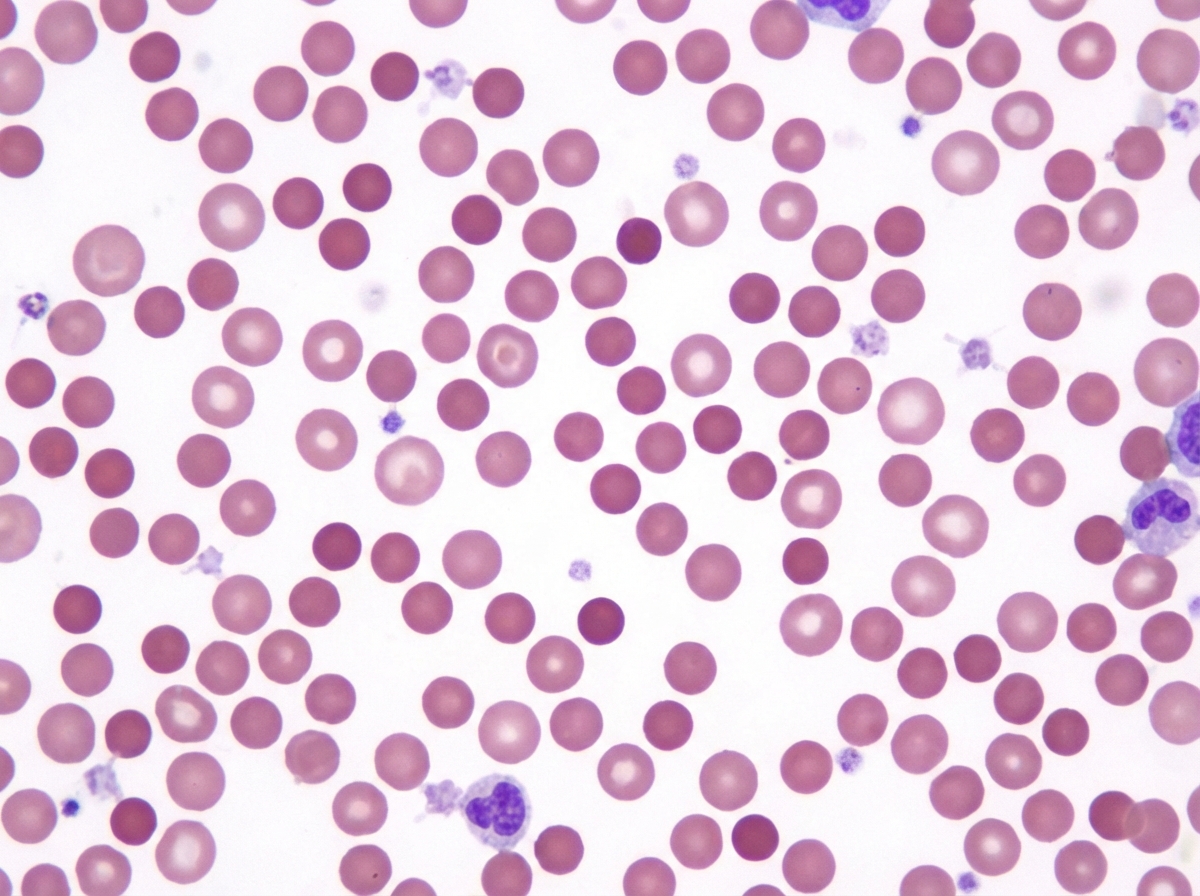
A 7-year-old boy is brought to the emergency department by his parents with a 2-day history of severe fatigue. His parents say that he has no past medical history, but caught an illness that was going around his school 1 week ago. While ill, he had several days of abdominal pain and bloody diarrhea. His family history is significant for several family members who required blood transfusions, and he lives in an old house. Physical exam reveals conjunctival pallor and mild jaundice. Which of the following would most likely be seen on peripheral blood smear in this patient?
Q63
A healthy 29-year-old woman comes to the doctor because of recurrent episodes of bleeding from the nose and gums during the past week. These episodes occur spontaneously and resolve with compression. She also had 1 episode of blood in the urine 2 days ago. Examination shows punctate, nonblanching, reddish macules over the neck, chest, and lower extremities. Her leukocyte count is 8,600/mm3, hemoglobin concentration is 12.9 g/dL, and platelet count is 26,500/mm3. A peripheral blood smear shows a reduced number of platelets with normal morphology. Evaluation of a bone marrow biopsy in this patient is most likely to show which of the following findings?
Q64
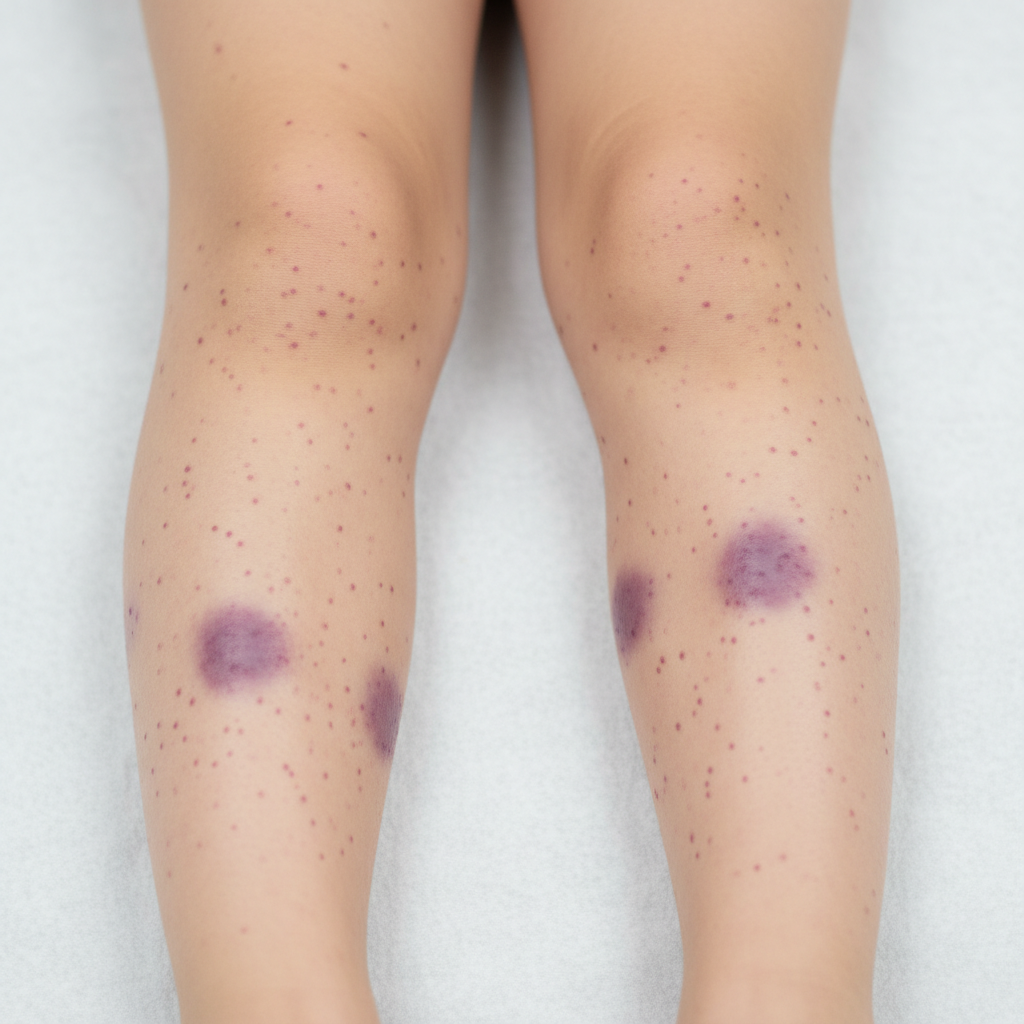
A 12-year-old boy, otherwise healthy, presents with frequent nosebleeds and lower extremity bruising. His mother reports that his symptoms started about 2 weeks ago and have not improved. The patient received the Tdap vaccine 2 weeks ago. He has no current medications. The review of systems is significant for the patient having a stomach ache after winning a hamburger eating competition 2 weeks ago. The vital signs include: temperature 37.0°C (98.6°F), blood pressure 110/75 mm Hg, pulse 95/min, respirations 15/min, and oxygen saturation 99% on room air. On physical exam, the patient is alert and cooperative. The cardiac exam is normal. The lungs are clear to auscultation bilaterally. The lower extremities findings are shown in the image. Laboratory results are pending. Which of the following best describes the pathogenesis of this patient’s condition?
Q65
A 68-year-old woman is being evaluated for fatigue during a follow-up visit after implantation of a prosthetic aortic valve a month ago. She reports she has been feeling more tired than usual but associates it with her recent surgery. A complete blood count (CBC) reveals a hemoglobin of 9.5 g/dL and a reticulocyte percentage of 2.8%. Additionally, the serum haptoglobin is decreased while the platelet count is within the normal range. The patient is suspected to have a type of hemolytic anemia secondary to her prosthetic heart valve. Which of the following will most likely be seen in this patient's blood smear?
Q66
A 4-year-old boy is brought to the emergency department with 2 days of fever and painful lumps in his legs bilaterally. In addition, he says that his arms and legs are extremely itchy. Since birth he has had recurrent skin and soft tissue infections. Physical exam reveals a pruritic erythematous scaling rash along both upper and lower extremities bilaterally. Palpation of the painful lesions reveal indurated tissue without any production of pus. Which of the following protein functions is most likely disrupted in this patient?
Q67
A previously healthy 59-year-old man comes to the physician with a 6-month history of worsening headaches, difficulty chewing, and progressive hearing loss. Examination shows a mildly tender, 1-cm, hard swelling over the left maxilla. The remainder of the examination shows no abnormalities. Serum studies show a calcium concentration of 8.5 mg/dL, alkaline phosphatase activity of 112 U/L, and parathyroid hormone concentration of 310 pg/mL. Audiometry shows bilateral mixed conductive and sensorineural hearing loss. Which of the following processes is the most likely cause of this patient's condition?
Q68
An 11-month-old male is brought to the emergency room by his mother. The mother reports that the child is in severe pain and has not moved his right leg since earlier this morning when he was crawling on the floor. The child did not fall or sustain any obvious injury. The child’s past medical history is notable for anemia and recurrent infections since birth. His temperature is 99.1°F (37.3°C), blood pressure is 100/65 mmHg, pulse is 120/min, and respirations are 22/min. Physical examination reveals mild macrocephaly and hepatosplenomegaly. Palpation of the right femur seems to exacerbate the child’s pain. A radiograph demonstrates a transverse mid-shaft femur fracture. Which of the following is the most likely cause of this patient’s condition?
Q69
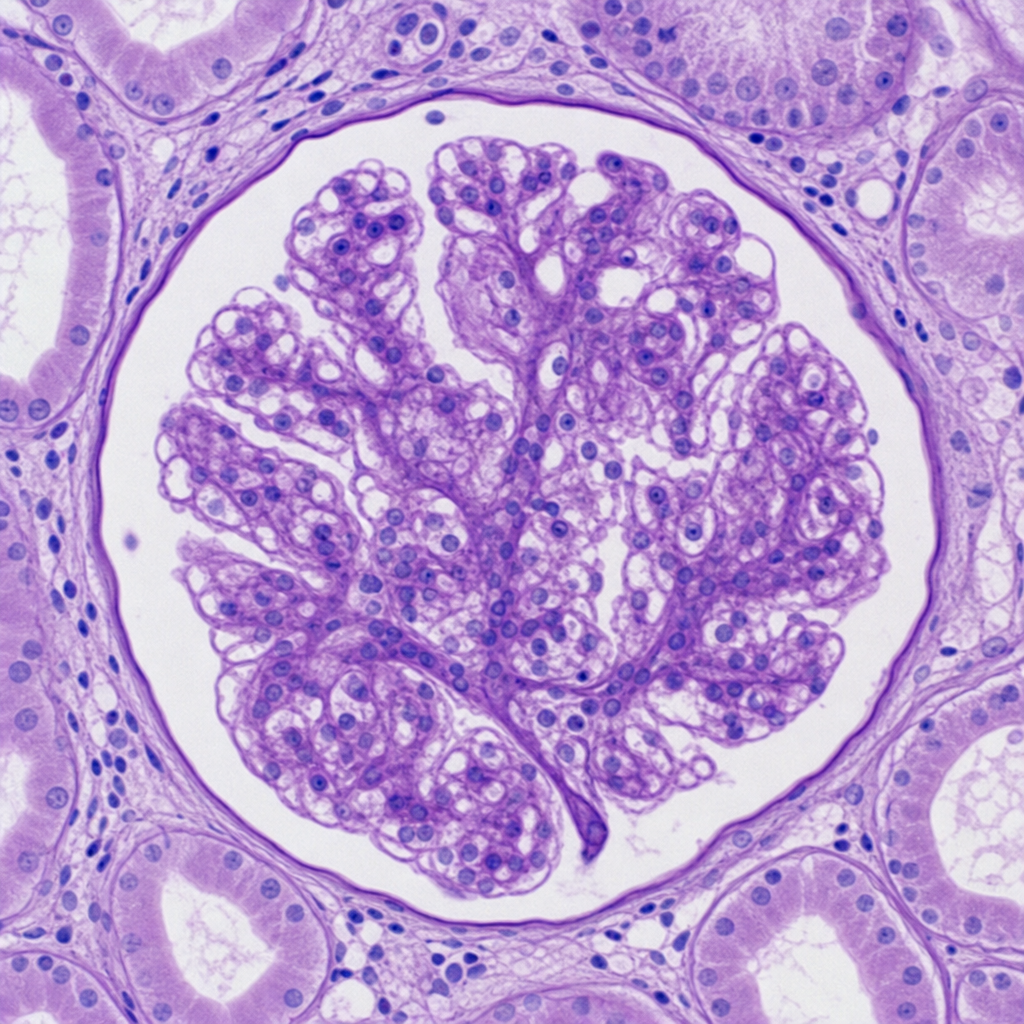
A 20-year-old man comes to the clinic complaining of fever and a sore throat for 5 days. He receives oral penicillin from his primary doctor. After a day of antibiotic treatment, he developed gross hematuria. As a child, he recalls having multiple episodes of hematuria. The vital signs are within normal limits. On physical examination, pharyngeal edema and cervical lymphadenopathy are present. His laboratory examination reveals the following:
WBC 11,000/mm3
Neutrophils 76%
Lymphocytes 23%
Eosinophils 1%
Platelets 150,000/mm3
Hemoglobin 14 g/dL
Hct 41.2%
BUN 16 mg/dL
Creatinine 0.9 mg/dL
ASO titer 100
Urinalysis shows hematuria but no proteinuria. Immunofluorescence shows granular IgA immune complex deposits in the mesangium. Hepatitis B, hepatitis C, and HIV serology are negative. ASO titers and C3 levels are within normal limits. What is the most likely diagnosis?
Q70
A 31-year-old man presents to his primary care physician with shortness of breath. He states that he had a “cold” 2 weeks ago and since then has had a persistent cough and worsening shortness of breath. He denies fever, chills, chest pain, sore throat, or rhinorrhea. His medical history is significant for seasonal allergies. He uses fluticasone nasal spray. He had his tonsils removed when he was 8 years of age. His mother and maternal grandfather have cirrhosis, and his father has depression and hypertension. The patient endorses that he smokes tobacco socially on the weekends and uses marijuana daily. He drinks 1-2 beers after work with his co-workers most evenings. A chest radiograph shows hyperinflation of the lungs and hyperlucency. Routine labs are drawn, as shown below.
Serum:
Na+: 139 mEq/L
Cl-: 105 mEq/L
K+: 4.0 mEq/L
HCO3-: 26 mEq/L
Urea nitrogen: 15 mg/dL
Glucose: 100 mg/dL
Creatinine: 0.8 mg/dL
Alkaline phosphatase: 98 U/L
Aspartate aminotransferase (AST, GOT): 46 U/L
Alanine aminotransferase (ALT, GPT): 49 U/L
Pulmonary function tests are pending. Which of the following is most likely to confirm the patient’s diagnosis?
Systemic Pathology US Medical PG Practice Questions and MCQs
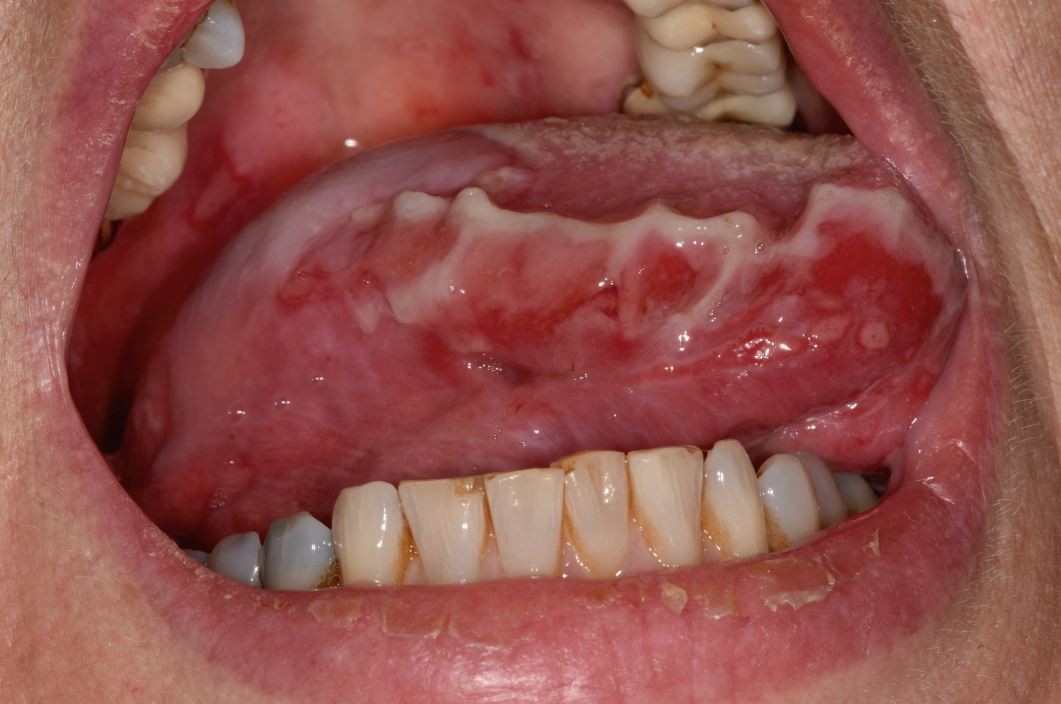
Question 61: A 55-year-old female presents with pain in both hands and wrists for the past several years. It is associated with morning stiffness that lasts for almost an hour. Physical examination reveals tenderness and swelling in both hands and wrists, most severe over the proximal interphalangeal joints. Laboratory investigation reveals the presence of anti-cyclic citrullinated peptide (anti-CCP). Which of the following immune-mediated injuries is responsible for this patient’s condition?
A. Both type II and III hypersensitivities
B. Type IV hypersensitivity (Correct Answer)
C. Type III hypersensitivity
D. Self-tolerance
E. IgE-mediated immune responses only
Explanation: ***Type IV hypersensitivity***
- **Rheumatoid arthritis** is primarily a **Type IV (delayed-type, cell-mediated) hypersensitivity** reaction involving **T-cells, macrophages, and cytokine-mediated inflammation**.
- The synovial membrane is infiltrated by **CD4+ T-cells (Th1 and Th17)** that recognize self-antigens (citrullinated peptides), leading to activation of macrophages and release of inflammatory cytokines **(TNF-α, IL-1, IL-6, IL-17)**.
- This **chronic T-cell driven inflammation** results in synovial hyperplasia, pannus formation, and progressive joint destruction—the hallmark pathology of RA.
- **Anti-CCP antibodies** are highly specific diagnostic markers indicating immune targeting of citrullinated proteins, but the actual joint damage mechanism is **cell-mediated immunity** (Type IV).
*Both type II and III hypersensitivities*
- While **immune complexes** (Type III) involving rheumatoid factor can be present in RA, and there may be minor antibody-mediated effects (Type II), these are **secondary phenomena**.
- The **primary pathogenic mechanism** driving synovial inflammation and joint destruction is **Type IV hypersensitivity** with T-cell and macrophage activation.
- This option is incorrect because it does not identify the predominant mechanism.
*IgE-mediated immune responses only*
- **IgE-mediated immune responses** characterize **Type I hypersensitivity**, seen in allergic conditions such as asthma, allergic rhinitis, and anaphylaxis.
- Rheumatoid arthritis involves **chronic autoimmune inflammation** with T-cell activation and cytokine release, not acute IgE-mediated mast cell degranulation.
- The clinical presentation does not align with Type I hypersensitivity.
*Type III hypersensitivity*
- **Type III hypersensitivity** involves **immune complex deposition** causing tissue damage, as seen in serum sickness, post-streptococcal glomerulonephritis, and systemic lupus erythematosus.
- While **rheumatoid factor immune complexes** can form in RA (particularly in seropositive patients), immune complex deposition is a **secondary feature**, not the primary driver of joint destruction.
- The **dominant pathophysiology** of RA is **T-cell mediated chronic inflammation** (Type IV), making this option incorrect.
*Self-tolerance*
- **Self-tolerance** refers to the immune system's normal ability to **not react** against the body's own tissues.
- RA results from a **breakdown of self-tolerance**, leading to autoimmunity—this is the **underlying defect**, not the **mechanism of tissue injury**.
- The question asks for the **immune-mediated injury mechanism**, which is Type IV hypersensitivity, not the state of tolerance itself.
Question 62: A 7-year-old boy is brought to the emergency department by his parents with a 2-day history of severe fatigue. His parents say that he has no past medical history, but caught an illness that was going around his school 1 week ago. While ill, he had several days of abdominal pain and bloody diarrhea. His family history is significant for several family members who required blood transfusions, and he lives in an old house. Physical exam reveals conjunctival pallor and mild jaundice. Which of the following would most likely be seen on peripheral blood smear in this patient?
A. Schistocytes (Correct Answer)
B. Degmacytes
C. Spherocytes
D. Codocytes
E. Echinocytes
Explanation: ***Schistocytes***
- This patient's presentation with recent **bloody diarrhea**, **fatigue**, **conjunctival pallor**, and **mild jaundice** is highly suggestive of **hemolytic uremic syndrome (HUS)**, often triggered by Shiga toxin-producing E. coli (STEC) infection.
- **Schistocytes**, or fragmented red blood cells, are a hallmark of **microangiopathic hemolytic anemia (MAHA)**, which is central to HUS pathogenesis due to damage to red blood cells as they pass through obstructed microvessels.
*Degmacytes*
- **Degmacytes**, also known as **bite cells**, are seen in conditions involving **oxidative stress** leading to Heinz body formation, such as **G6PD deficiency** or unstable hemoglobin variants.
- While hemolysis is present in this patient, the clinical context of prior diarrheal illness and the specific findings point away from primary oxidative damage.
*Spherocytes*
- **Spherocytes** are typically associated with **hereditary spherocytosis** or **autoimmune hemolytic anemia (AIHA)**.
- These conditions cause red blood cells to lose their biconcave shape and become spherical, leading to premature destruction, but they do not typically follow a diarrheal illness in this manner.
*Codocytes*
- **Codocytes**, or **target cells**, are characteristic of **thalassemias**, **liver disease**, and **iron deficiency anemia**.
- They indicate an increase in surface area to volume ratio of the red blood cell and are not typically seen with the acute hemolytic picture presented here.
*Echinocytes*
- **Echinocytes**, or **burr cells**, are often associated with **uremia**, **pyruvate kinase deficiency**, and sometimes occur as an artifact of blood smear preparation.
- While HUS can lead to kidney injury, echinocytes are not the primary and most characteristic finding in the acute hemolytic phase of HUS.
Question 63: A healthy 29-year-old woman comes to the doctor because of recurrent episodes of bleeding from the nose and gums during the past week. These episodes occur spontaneously and resolve with compression. She also had 1 episode of blood in the urine 2 days ago. Examination shows punctate, nonblanching, reddish macules over the neck, chest, and lower extremities. Her leukocyte count is 8,600/mm3, hemoglobin concentration is 12.9 g/dL, and platelet count is 26,500/mm3. A peripheral blood smear shows a reduced number of platelets with normal morphology. Evaluation of a bone marrow biopsy in this patient is most likely to show which of the following findings?
A. Ringed sideroblasts
B. Plasma cell hyperplasia
C. Megakaryocyte hyperplasia (Correct Answer)
D. Erythroid hyperplasia
E. Absence of hematopoietic cells
Explanation: ***Megakaryocyte hyperplasia***
- The patient's symptoms (bleeding from nose, gums, hematuria), signs (petechiae/purpura, **nonblanching reddish macules**), and lab findings (isolated **severe thrombocytopenia** with normal white cell and hemoglobin counts) are highly suggestive of **immune thrombocytopenia (ITP)**.
- In ITP, peripheral platelets are destroyed, leading to compensatory **megakaryocyte hyperplasia** in the bone marrow and possibly large, immature platelets on peripheral smear.
*Ringed sideroblasts*
- **Ringed sideroblasts** are characteristic of **myelodysplastic syndromes** or certain **sideroblastic anemias**, which primarily affect red blood cell production and are not indicated by the patient's presentation of isolated thrombocytopenia.
- While marrow abnormalities can occur, profound isolated thrombocytopenia as the primary symptom is not typical for sideroblastic disorders.
*Plasma cell hyperplasia*
- **Plasma cell hyperplasia** occurs in conditions like **multiple myeloma** or other plasma cell dyscrasias, characterized by monoclonal expansion of plasma cells often leading to bone pain, hypercalcemia, and renal issues, which are not present here.
- These conditions do not typically present with isolated severe thrombocytopenia as the primary manifestation.
*Erythroid hyperplasia*
- **Erythroid hyperplasia** is observed in conditions of increased red blood cell demand or production, such as **hemolytic anemias** or **polycythemia**, which is inconsistent with the patient's normal hemoglobin and absence of anemia.
- This finding would not explain the isolated and severe thrombocytopenia.
*Absence of hematopoietic cells*
- The **absence of hematopoietic cells** (i.e., **aplastic anemia**) would be associated with **pancytopenia** (low red blood cells, white blood cells, and platelets), which is not seen in this patient, who has isolated thrombocytopenia.
- The patient's presentation points to increased peripheral destruction rather than bone marrow failure.
Question 64: A 12-year-old boy, otherwise healthy, presents with frequent nosebleeds and lower extremity bruising. His mother reports that his symptoms started about 2 weeks ago and have not improved. The patient received the Tdap vaccine 2 weeks ago. He has no current medications. The review of systems is significant for the patient having a stomach ache after winning a hamburger eating competition 2 weeks ago. The vital signs include: temperature 37.0°C (98.6°F), blood pressure 110/75 mm Hg, pulse 95/min, respirations 15/min, and oxygen saturation 99% on room air. On physical exam, the patient is alert and cooperative. The cardiac exam is normal. The lungs are clear to auscultation bilaterally. The lower extremities findings are shown in the image. Laboratory results are pending. Which of the following best describes the pathogenesis of this patient’s condition?
A. Shiga-toxin mediated damage to vascular endothelium, resulting in microthrombi formation
B. Systemic activation of clotting cascade resulting in platelet and coagulation factor consumption
C. IgG autoantibodies against platelet glycoproteins (Correct Answer)
D. Deposition of IgA immune complexes
E. Deficiency of ADAMTS13
Explanation: ***IgG autoantibodies against platelet glycoproteins***
- The patient's symptoms of **nosebleeds** and **bruising** (petechiae/purpura on lower extremities) following a recent **infection/illness** (stomach ache) and/or **vaccination** (Tdap) are highly suggestive of **immune thrombocytopenia (ITP)**.
- ITP involves the production of **autoantibodies**, usually IgG, that target **platelet glycoproteins** (e.g., GP IIb/IIIa), leading to accelerated platelet destruction by macrophages in the spleen.
*Shiga-toxin mediated damage to vascular endothelium, resulting in microthrombi formation*
- This describes the pathogenesis of **hemolytic uremic syndrome (HUS)**, typically caused by E. coli O157:H7 infection, leading to **thrombocytopenia**, microangiopathic hemolytic anemia, and acute kidney injury.
- While the patient had a stomach ache, there's no mention of **bloody diarrhea**, renal symptoms, or anemia to suggest HUS.
*Systemic activation of clotting cascade resulting in platelet and coagulation factor consumption*
- This describes **disseminated intravascular coagulation (DIC)**, a severe condition characterized by widespread activation of the coagulation system, leading to both **thrombosis** and bleeding.
- DIC is usually associated with severe underlying conditions like **sepsis**, trauma, or malignancy, and would typically present with more systemic involvement and deranged coagulation studies, which are not described.
*Deposition of IgA immune complexes*
- This is characteristic of **IgA vasculitis (Henoch-Schönlein purpura)**, which presents with a classic tetrad of **palpable purpura**, arthritis/arthralgia, abdominal pain, and renal disease.
- While the patient has lower extremity bruising and a history of abdominal pain, the absence of **palpable purpura** and systemic features like arthritis or renal involvement makes IgA vasculitis less likely than ITP given the prominent bleeding symptoms.
*Deficiency of ADAMTS13*
- A deficiency in **ADAMTS13** (a metalloprotease that cleaves vWF multimers) is the hallmark of **thrombotic thrombocytopenic purpura (TTP)**.
- TTP presents with the classic pentad of **thrombocytopenia**, microangiopathic hemolytic anemia, renal failure, neurological symptoms, and fever, none of which are fully described in this patient.
Question 65: A 68-year-old woman is being evaluated for fatigue during a follow-up visit after implantation of a prosthetic aortic valve a month ago. She reports she has been feeling more tired than usual but associates it with her recent surgery. A complete blood count (CBC) reveals a hemoglobin of 9.5 g/dL and a reticulocyte percentage of 2.8%. Additionally, the serum haptoglobin is decreased while the platelet count is within the normal range. The patient is suspected to have a type of hemolytic anemia secondary to her prosthetic heart valve. Which of the following will most likely be seen in this patient's blood smear?
A. Degmacytes
B. Basophilic stippling
C. Acanthocytes
D. Dacrocytes
E. Schistocytes (Correct Answer)
Explanation: ***Schistocytes***
- The presence of a **prosthetic aortic valve** and signs of **hemolytic anemia** (fatigue, decreased hemoglobin, elevated reticulocyte percentage, and decreased haptoglobin) strongly suggest **mechanical hemolysis**.
- **Schistocytes** (fragmented red blood cells) are the hallmark of **microangiopathic hemolytic anemia** and are formed when red blood cells are mechanically damaged while passing through prosthetic heart valves or damaged capillaries.
*Degmacytes*
- **Degmacytes**, or "bite cells," are seen in conditions involving **oxidative stress**, such as **G6PD deficiency**, where hemoglobin precipitates as **Heinz bodies** and is subsequently removed by splenic macrophages.
- While they are a sign of hemolysis, the clinical context of a prosthetic valve points more directly to mechanical fragmentation rather than oxidative damage.
*Basophilic stippling*
- **Basophilic stippling** refers to the presence of diffuse punctate basophilic granules within red blood cells, representing aggregated ribosomes.
- This finding is characteristic of **lead poisoning** and certain **thalassemias**, neither of which is indicated in this patient's presentation.
*Acanthocytes*
- **Acanthocytes**, or "spur cells," are red blood cells with irregularly spaced, thorny projections.
- They are typically associated with severe liver disease (**cirrhosis**), **abetalipoproteinemia**, or **splenectomy**, and are not commonly seen in mechanical hemolysis.
*Dacrocytes*
- **Dacrocytes**, or "teardrop cells," are red blood cells with a single elongated or pointed end.
- They are classically associated with **myelofibrosis** and other infiltrative bone marrow disorders, which are not suggested by the patient's symptoms or laboratory findings.
Question 66: A 4-year-old boy is brought to the emergency department with 2 days of fever and painful lumps in his legs bilaterally. In addition, he says that his arms and legs are extremely itchy. Since birth he has had recurrent skin and soft tissue infections. Physical exam reveals a pruritic erythematous scaling rash along both upper and lower extremities bilaterally. Palpation of the painful lesions reveal indurated tissue without any production of pus. Which of the following protein functions is most likely disrupted in this patient?
A. Transcription factor activity (Correct Answer)
B. Reactive oxygen species production
C. Actin polymerization
D. B-cell survival during selection
E. Phagolysosome formation and development
Explanation: ***Transcription factor activity***
- This patient's presentation with **recurrent skin and soft tissue infections since birth**, **eczematous rash**, and **cold abscesses** (indurated tissue without pus) is characteristic of **Hyper-IgE syndrome (Job's syndrome)**.
- Hyper-IgE syndrome is most commonly caused by autosomal dominant mutations in **STAT3 (Signal Transducer and Activator of Transcription 3)**, which is a critical **transcription factor**.
- STAT3 regulates the expression of genes involved in **Th17 cell differentiation**, immune cell signaling, and inflammatory responses, leading to impaired neutrophil chemotaxis and the characteristic clinical features.
*B-cell survival during selection*
- This function is primarily associated with immune deficiencies affecting **B-cell development** and antibody production, such as **X-linked agammaglobulinemia** or **common variable immunodeficiency**.
- While these can lead to recurrent infections, they do not present with the characteristic eczematous rash or cold abscesses seen in Hyper-IgE syndrome.
*Actin polymerization*
- Defects in **actin polymerization** are characteristic of **Wiskott-Aldrich syndrome (WAS)**, caused by mutations in the WAS protein, which regulates actin cytoskeleton reorganization.
- WAS presents with thrombocytopenia, eczema, and recurrent infections, but the triad differs from the presentation here, and cold abscesses are not a typical feature.
*Phagolysosome formation and development*
- Deficiencies in **phagolysosome formation** are characteristic of **Chediak-Higashi syndrome (CHS)**, which presents with oculocutaneous albinism, peripheral neuropathy, and recurrent pyogenic infections.
- The clinical picture here does not align with the features of CHS.
*Reactive oxygen species production*
- Impaired **reactive oxygen species (ROS) production** is the hallmark of **Chronic Granulomatous Disease (CGD)**, leading to recurrent catalase-positive bacterial and fungal infections with granuloma formation.
- While CGD involves recurrent infections, it does not typically present with eczematous rash or the characteristic cold abscesses of Hyper-IgE syndrome.
Question 67: A previously healthy 59-year-old man comes to the physician with a 6-month history of worsening headaches, difficulty chewing, and progressive hearing loss. Examination shows a mildly tender, 1-cm, hard swelling over the left maxilla. The remainder of the examination shows no abnormalities. Serum studies show a calcium concentration of 8.5 mg/dL, alkaline phosphatase activity of 112 U/L, and parathyroid hormone concentration of 310 pg/mL. Audiometry shows bilateral mixed conductive and sensorineural hearing loss. Which of the following processes is the most likely cause of this patient's condition?
A. Defective synthesis of dynein
B. Decreased activity of carbonic anhydrase II
C. Decreased expression of menin protein
D. Increased activity of nuclear factor-κB (Correct Answer)
E. Defective synthesis of type I collagen
Explanation: ***Increased activity of nuclear factor-κB***
- The patient's symptoms (worsening headaches, difficulty chewing, hearing loss, localized bony swelling) and laboratory findings (elevated alkaline phosphatase, normal calcium, elevated PTH) are highly suggestive of **Paget's disease of bone** (osteitis deformans).
- **Paget's disease** is characterized by focal areas of increased bone turnover, involving both excessive bone resorption by osteoclasts and disorganized bone formation by osteoblasts, often linked to increased **NF-κB activity** in osteoclasts.
*Defective synthesis of dynein*
- **Dynein defects** are associated with conditions like primary ciliary dyskinesia, which presents with chronic sinopulmonary infections and situs inversus.
- This condition does not explain the patient's bone remodeling issues or localized bony swelling.
*Decreased activity of carbonic anhydrase II*
- **Carbonic anhydrase II deficiency** causes osteopetrosis (marble bone disease), a condition characterized by abnormally dense bones due to impaired osteoclast function.
- This would typically lead to symptoms like bone fractures, cranial nerve compression, and pancytopenia, which are distinct from the presented case.
*Decreased expression of menin protein*
- **Menin protein deficiency**, due to mutations in the *MEN1* gene, is associated with Multiple Endocrine Neoplasia type 1 (MEN1), involving tumors of the parathyroid, pituitary, and pancreas.
- While the patient has elevated PTH, the primary features of bone remodeling and localized swelling point away from MEN1 as the primary diagnosis.
*Defective synthesis of type I collagen*
- **Defective type I collagen synthesis** is characteristic of osteogenesis imperfecta, leading to brittle bones, frequent fractures, and blue sclera.
- This is a generalized skeletal disorder with a genetic basis, typically presenting earlier in life, and does not align with the patient's localized bone overgrowth and increased osteoclast activity.
Question 68: An 11-month-old male is brought to the emergency room by his mother. The mother reports that the child is in severe pain and has not moved his right leg since earlier this morning when he was crawling on the floor. The child did not fall or sustain any obvious injury. The child’s past medical history is notable for anemia and recurrent infections since birth. His temperature is 99.1°F (37.3°C), blood pressure is 100/65 mmHg, pulse is 120/min, and respirations are 22/min. Physical examination reveals mild macrocephaly and hepatosplenomegaly. Palpation of the right femur seems to exacerbate the child’s pain. A radiograph demonstrates a transverse mid-shaft femur fracture. Which of the following is the most likely cause of this patient’s condition?
A. Endochondral ossification deficiency
B. Vitamin deficiency
C. Surreptitious child abuse
D. Collagen production deficiency
E. Acidification deficiency (Correct Answer)
Explanation: ***Acidification deficiency***
- This symptom describes **osteopetrosis**, a genetic disorder characterized by **defective osteoclast function**. Osteoclasts require an acidic environment (via carbonic anhydrase II and H+-ATPase) to resorb bone. This leads to impaired bone reabsorption, resulting in abnormally dense, yet brittle, bones prone to fracture.
- The history of **anemia** and **recurrent infections** since birth, along with **mild macrocephaly** and **hepatosplenomegaly**, are classic features of osteopetrosis, as the bone marrow space is reduced by excess bone, impairing hematopoiesis.
*Endochondral ossification deficiency*
- This condition is characteristic of **achondroplasia**, where there is a failure of cartilage to convert to bone, leading to dwarfism.
- While it affects bone development, it does not typically present with the described combination of **bone fragility** leading to fractures, **anemia**, **recurrent infections**, and **hepatosplenomegaly**.
*Vitamin deficiency*
- A common vitamin deficiency leading to bone issues is **Vitamin D deficiency** (rickets in children), which causes soft bones and deformities.
- However, it would not explain the **anemia**, **recurrent infections**, **macrocephaly**, and **hepatosplenomegaly** seen in this patient.
*Surreptitious child abuse*
- While an unexplained transverse fracture, especially in a non-ambulatory child, always raises suspicion for abuse, the presence of **anemia**, **recurrent infections**, **macrocephaly**, and **hepatosplenomegaly** points to an underlying systemic disease.
- Child abuse alone would not account for the systemic clinical findings, making it less likely given the comprehensive clinical picture.
*Collagen production deficiency*
- A deficiency in collagen production, such as in **osteogenesis imperfecta**, leads to extremely fragile bones and recurrent fractures.
- However, osteogenesis imperfecta typically presents with **blue sclerae**, **hearing loss**, and **dental abnormalities**, which are not mentioned in this case, and it does not explain the **anemia**, **recurrent infections**, or **hepatosplenomegaly**.
Question 69: A 20-year-old man comes to the clinic complaining of fever and a sore throat for 5 days. He receives oral penicillin from his primary doctor. After a day of antibiotic treatment, he developed gross hematuria. As a child, he recalls having multiple episodes of hematuria. The vital signs are within normal limits. On physical examination, pharyngeal edema and cervical lymphadenopathy are present. His laboratory examination reveals the following:
WBC 11,000/mm3
Neutrophils 76%
Lymphocytes 23%
Eosinophils 1%
Platelets 150,000/mm3
Hemoglobin 14 g/dL
Hct 41.2%
BUN 16 mg/dL
Creatinine 0.9 mg/dL
ASO titer 100
Urinalysis shows hematuria but no proteinuria. Immunofluorescence shows granular IgA immune complex deposits in the mesangium. Hepatitis B, hepatitis C, and HIV serology are negative. ASO titers and C3 levels are within normal limits. What is the most likely diagnosis?
A. Berger’s disease (Correct Answer)
B. Penicillin-induced hypersensitivity reaction
C. Celiac disease
D. Hemolytic uremic syndrome
E. Post-streptococcal glomerulonephritis
Explanation: ***Berger's disease***
- The co-occurrence of **gross hematuria with an upper respiratory tract infection** (sore throat), the history of **recurrent hematuria**, and the urinalysis showing **hematuria without proteinuria** strongly suggest Berger's disease.
- The definitive diagnostic finding is the **granular IgA immune complex deposits in the mesangium** on immunofluorescence of renal biopsy, which is pathognomonic for IgA nephropathy (Berger's disease).
- The timing is classic for IgA nephropathy: hematuria occurring **concurrently or within 1-2 days** of the upper respiratory infection (synpharyngitic hematuria).
*Penicillin-induced hypersensitivity reaction*
- This condition typically presents with a **rash, fever, and eosinophilia**, not primarily with gross hematuria. While some drug-induced kidney injuries can occur, the specific IgA deposits and recurrent history point away from this.
- The patient's lab results do not show **eosinophilia** (1%), which would be expected in a hypersensitivity reaction.
*Celiac disease*
- Celiac disease is an **autoimmune disorder of the small intestine** triggered by gluten; it primarily causes gastrointestinal symptoms like diarrhea, weight loss, and malabsorption.
- While IgA nephropathy can be associated with celiac disease, celiac disease itself would not cause the presented acute onset of **gross hematuria** or the specific renal biopsy findings.
*Hemolytic uremic syndrome*
- HUS is characterized by the triad of **microangiopathic hemolytic anemia, thrombocytopenia, and acute kidney injury**.
- This patient does not have **anemia** (Hb 14 g/dL), **thrombocytopenia** (platelets 150,000/mm3), or an elevated **BUN/Creatinine** indicative of acute kidney injury.
*Post-streptococcal glomerulonephritis*
- PSGN typically occurs **1-3 weeks after a streptococcal infection**, presenting with hematuria, proteinuria, edema, and hypertension. In this case, the hematuria occurred **within days of the URI onset**, which is the typical timing for IgA nephropathy, not PSGN.
- Key lab findings for PSGN include **low C3 levels** and significantly elevated **ASO titers**, neither of which (ASO titer 100, C3 within normal limits) were present in this patient.
Question 70: A 31-year-old man presents to his primary care physician with shortness of breath. He states that he had a “cold” 2 weeks ago and since then has had a persistent cough and worsening shortness of breath. He denies fever, chills, chest pain, sore throat, or rhinorrhea. His medical history is significant for seasonal allergies. He uses fluticasone nasal spray. He had his tonsils removed when he was 8 years of age. His mother and maternal grandfather have cirrhosis, and his father has depression and hypertension. The patient endorses that he smokes tobacco socially on the weekends and uses marijuana daily. He drinks 1-2 beers after work with his co-workers most evenings. A chest radiograph shows hyperinflation of the lungs and hyperlucency. Routine labs are drawn, as shown below.
Serum:
Na+: 139 mEq/L
Cl-: 105 mEq/L
K+: 4.0 mEq/L
HCO3-: 26 mEq/L
Urea nitrogen: 15 mg/dL
Glucose: 100 mg/dL
Creatinine: 0.8 mg/dL
Alkaline phosphatase: 98 U/L
Aspartate aminotransferase (AST, GOT): 46 U/L
Alanine aminotransferase (ALT, GPT): 49 U/L
Pulmonary function tests are pending. Which of the following is most likely to confirm the patient’s diagnosis?
A. Enzyme-linked immunosorbent assay (Correct Answer)
B. Bronchoalveolar lavage
C. Abdominal ultrasound
D. Viral hepatitis serologies
E. Pulmonary function tests
Explanation: ***Enzyme-linked immunosorbent assay (ELISA)***
- This patient's presentation with **early-onset emphysema at age 31**, **hyperinflation and hyperlucency** on chest X-ray, and **strong family history of cirrhosis** (mother and maternal grandfather) strongly suggests **alpha-1 antitrypsin deficiency**.
- **ELISA is used to measure serum alpha-1 antitrypsin levels**, which is the key confirmatory test for this diagnosis. Low levels (<50-80 mg/dL) confirm the deficiency.
- Alpha-1 antitrypsin deficiency causes **panacinar emphysema** (especially in lower lobes) and can also cause **liver cirrhosis**, explaining the family history and mildly elevated transaminases.
- Once low levels are detected, **phenotyping or genotyping** can further characterize the specific mutation (most commonly PiZZ).
*Pulmonary function tests*
- PFTs would demonstrate **obstructive lung disease** with reduced FEV1/FVC ratio and confirm the presence of airflow limitation.
- However, PFTs are **non-specific** and would not distinguish alpha-1 antitrypsin deficiency from other causes of COPD/emphysema (smoking-related, chronic bronchitis, etc.).
- While diagnostically useful for characterizing severity, PFTs do not confirm the underlying etiology.
*Bronchoalveolar lavage*
- **Bronchoalveolar lavage (BAL)** is useful for diagnosing **infections**, **interstitial lung diseases**, **malignancies**, or **alveolar hemorrhage**.
- It is not indicated for confirming emphysema or alpha-1 antitrypsin deficiency, as these are diagnosed through clinical presentation, imaging, and serologic testing.
*Abdominal ultrasound*
- An **abdominal ultrasound** could evaluate for **liver disease** (cirrhosis, hepatomegaly) associated with alpha-1 antitrypsin deficiency.
- While it might reveal liver involvement, it does not confirm the pulmonary diagnosis or the underlying enzymatic deficiency itself.
- It would be considered as part of a comprehensive evaluation but is not the confirmatory test.
*Viral hepatitis serologies*
- These would test for **hepatitis A, B, C** infection, which are common causes of cirrhosis and elevated transaminases.
- However, the patient's respiratory symptoms, imaging findings of emphysema, young age, and family history point toward alpha-1 antitrypsin deficiency rather than viral hepatitis.
- While worth checking given the liver enzyme elevation, this would not confirm the primary diagnosis.