A 30-year-old Caucasian male presents with hemoptysis and uremia. Blood tests show the presence of anti-basement membrane antibodies specific for collagen located in glomerular and pulmonary basement membranes. The patient undergoes plasmapheresis to help reduce the amount of anti-basement membrane antibodies. Which of the following diseases is of the same hypersensitivity category as this disease?
Q12
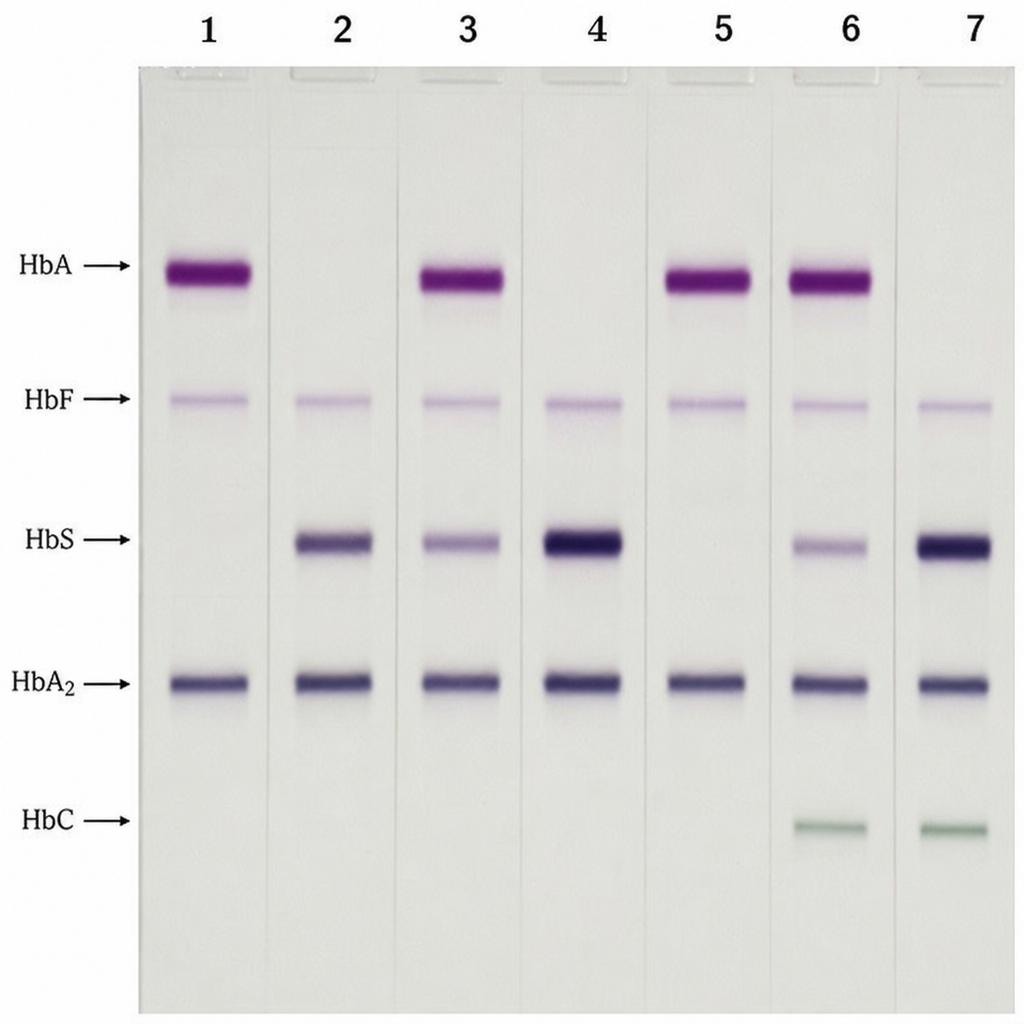
A 62-year-old man presents to the emergency department with a 2-day history of fatigue, exertional dyspnea, and the sensation of his heartbeat roaring in the ears. He informs you that he recently had an acute upper respiratory infection. He is a retired car salesman, and he informs you that he and his partner enjoy traveling to the tropics. His medical history is significant for gout, hypertension, hypercholesterolemia, diabetes mellitus type II, and multiple basal cell carcinomas on his face and neck. He currently smokes 1 pack of cigarettes per day, drinks a 6-pack of beer per day, and denies any illicit drug use. His vital signs include: temperature 36.7°C (98.0°F), blood pressure 126/74 mm Hg, heart rate 111/min, and respiratory rate 23/min. On physical examination, his pulses are bounding, his complexion is pale, and scleral icterus is apparent. The spleen is moderately enlarged. Oxygen saturation was initially 81% on room air, with a new oxygen requirement of 8 L by face mask. Laboratory analysis results show a hemoglobin level of 7.1 g/dL and elevated total bilirubin. Of the following options, which laboratory test can help to make the diagnosis?
Q13
A 63-year-old woman is brought to the physician by her husband for the evaluation of progressive memory loss for the past 5 months. During the last 2 weeks, she has also had problems getting dressed and finding her way back home from the grocery store. She has had several episodes of jerky, repetitive, twitching movements that resolved spontaneously. She used to work as a teacher but quit her job due to her memory loss. The patient has hypertension. There is no family history of serious illness. Her only medication is hydrochlorothiazide. Her temperature is 37°C (98.6°F), pulse is 65/min, and blood pressure is 125/80 mmHg. She is oriented only to person and place. She follows commands and speaks fluently, but sometimes cannot recall objects. She is unable to read and seems to have difficulty recognizing objects. Cranial nerves II-XII are intact. Examination shows full muscle strength. Deep tendon reflexes are 2+ bilaterally. Babinski sign is absent. Sensation to pinprick and light touch is normal. Which of the following is the most likely underlying cause of this patient's symptoms?
Q14
A 21-year-old woman with a history of acute lymphoblastic leukemia comes to the physician because she has not had a menstrual period for 12 months. Menarche occurred at the age of 11 years, and menses occurred at regular 28-day intervals until they became irregular 1 year ago. Physical examination shows normal female genitalia and bimanual examination shows a normal-sized uterus. Laboratory studies show markedly elevated FSH levels consistent with premature ovarian failure. Fluorescence in situ hybridization studies show a 46,XY karyotype in the peripheral blood cells. Which of the following is the most likely explanation for the male karyotype found on chromosomal analysis?
Q15
A 1-year-old boy presents to the physician with a fever and a persistent cough for the past 5 days. His parents noted that since birth, he has had a history of recurrent skin infections, ear infections, and episodes of pneumonia with organisms including Staphylococcus aureus, Pseudomonas, and Candida. Physical exam is notable for prominent facial scars in the periorbital and nasal regions, which his parents explain are a result of healed abscesses from previous skin infections. A sputum sample is obtained from the patient and the culture grows Aspergillus. Which of the following diagnostic test findings would confirm the patient’s underlying genetic disease?
Q16
A 35-year-old woman comes to the physician for the evaluation of fatigue and dizziness for the past 2 months. During this period, she has also had mild upper abdominal pain that is not related to food intake. She has no personal or family history of serious illness. She immigrated to the United States from Italy 10 years ago. Menses occur at regular 28-day intervals with moderate flow. She does not smoke or drink alcohol. She takes no medications. Her vital signs are within normal limits. The spleen is palpated 2 cm below the left costal margin. There is no scleral icterus. Neurologic examination shows no abnormalities. Laboratory studies show:
Hemoglobin 11.2 g/dL
Mean corpuscular volume 62 μm3
Leukocyte count 7,000/mm3
Platelet count 260,000/mm3
A peripheral blood smear shows target cells. The patient is started on iron supplementation. Three weeks later, her laboratory studies are unchanged. Which of the following is the most likely underlying cause of this patient’s condition?
Q17
A 34-year-old Caucasian female presents with truncal obesity, a rounded "moon face", and a "buffalo hump". Serum analysis shows hyperglycemia. It is determined that a pituitary adenoma is the cause of these symptoms. Adrenal examination is expected to show?
Q18
A 3-year-old girl presents with her mother for a well-child checkup. Recent laboratory data has demonstrated a persistent normocytic anemia. Her mother denies any previous history of blood clots in her past, but she says that her mother has also had to be treated for pulmonary embolism in the recent past, and her brother has had to deal with anemia his entire life. The patient's past medical history is noncontributory other than frequent middle ear infections. The vital signs upon arrival include: temperature, 36.7°C (98.0°F); blood pressure, 106/74 mm Hg; heart rate, 111/min and regular; and respiratory rate, 17/min. On physical examination, her pulses are bounding and fingernails are pale, but breath sounds remain clear. Oxygen saturation was initially 91% on room air and electrocardiogram (ECG) shows sinus tachycardia. The patient's primary care physician orders a peripheral blood smear to further evaluate this finding, and preliminary results show a hemolytic anemia. Based on the clinical presentation and laboratory findings, which of the following pathophysiologic mechanisms is most likely responsible for this patient's condition?
Q19
A pathologist receives a skin biopsy specimen from a patient who is suspected to have developed graft-versus-host disease (GVHD) following allogeneic stem-cell transplantation. The treating physician informs the pathologist that he is specifically concerned about the diagnosis as the patient developed skin lesions on the 90th-day post-transplantation and therefore, by definition, it should be considered a case of acute GVHD. However, the lesions clinically appear like those of chronic GVHD. The pathologist examines the slide under the microscope and confirms the diagnosis of chronic GVHD. Which of the following findings on skin biopsy is most likely to have helped the pathologist to confirm the diagnosis?
Q20
A 57-year-old man with diabetes mellitus type 2 presents for a routine follow-up. His blood glucose levels have been inconsistently controlled with metformin and lifestyle modifications since his diagnosis 3 years ago. He is currently is on metformin and diet control with exercise. The vital signs are as follows a blood pressure of 122/82 mm Hg, a pulse of 83/min, a temperature of 36.3°C (97.4°F), and a respiratory rate of 10/min. At this current visit, the urinalysis results are as follows:
pH 6.2
Color light yellow
RBC none
WBC none
Protein 4+
Cast none
Glucose absent
Crystal none
Ketone absent
Nitrite absent
24-h urine protein excretion 3.7 g
The urine albumin loss mapping shows:
Urine albumin loss/24h current: 215 mg
Urine albumin loss/24h 3 months ago: 28 mg
The blood sugar analysis shows:
Fasting blood sugar 153 mg/dL
Post-prandial blood sugar 225 mg/dL
HbA1c 7.4%
Which of the following best describes the expected microscopic finding on renal biopsy?
Systemic Pathology US Medical PG Practice Questions and MCQs
Question 11: A 30-year-old Caucasian male presents with hemoptysis and uremia. Blood tests show the presence of anti-basement membrane antibodies specific for collagen located in glomerular and pulmonary basement membranes. The patient undergoes plasmapheresis to help reduce the amount of anti-basement membrane antibodies. Which of the following diseases is of the same hypersensitivity category as this disease?
A. Myasthenia gravis (Correct Answer)
B. Poison ivy rash
C. Systemic lupus erythematosus
D. A PPD test
E. Seasonal allergies
Explanation: ***Myasthenia gravis***
- This condition is a **Type II hypersensitivity reaction** where antibodies target **acetylcholine receptors** at the neuromuscular junction, impairing nerve-to-muscle signaling.
- The patient's presentation of hemoptysis and uremia with **anti-basement membrane antibodies** is characteristic of **Goodpasture syndrome**, which is also a **Type II hypersensitivity reaction**.
*Poison ivy rash*
- This is a classic example of a **Type IV hypersensitivity reaction** (delayed-type hypersensitivity), mediated by **T-cells** reacting to haptens from the plant.
- Goodpasture syndrome, described in the stem, involves **antibody-mediated cytotoxicity** (Type II), not T-cell mediated delayed hypersensitivity.
*Systemic lupus erythematosus*
- This is primarily considered a **Type III hypersensitivity disorder**, involving the formation and deposition of **immune complexes** in various tissues.
- While SLE can have Type II features (e.g., hemolytic anemia), its predominant mechanism is distinct from the **direct antibody-mediated destruction** seen in Goodpasture syndrome.
*A PPD test*
- A positive PPD (purified protein derivative) test for tuberculosis is a manifestation of **Type IV hypersensitivity**, or **delayed-type hypersensitivity**.
- It involves the activation of **sensitized T-cells** upon re-exposure to the antigen, leading to an inflammatory response 24-72 hours later, rather than immediate antibody-mediated effects.
*Seasonal allergies*
- Also known as **allergic rhinitis**, this is a **Type I hypersensitivity reaction**, mediated by **IgE antibodies** binding to mast cells and basophils.
- Upon re-exposure to pollen or other allergens, these cells release histamines and other inflammatory mediators, causing immediate symptoms like sneezing and rhinorrhea, which is distinct from Type II hypersensitivity.
Question 12: A 62-year-old man presents to the emergency department with a 2-day history of fatigue, exertional dyspnea, and the sensation of his heartbeat roaring in the ears. He informs you that he recently had an acute upper respiratory infection. He is a retired car salesman, and he informs you that he and his partner enjoy traveling to the tropics. His medical history is significant for gout, hypertension, hypercholesterolemia, diabetes mellitus type II, and multiple basal cell carcinomas on his face and neck. He currently smokes 1 pack of cigarettes per day, drinks a 6-pack of beer per day, and denies any illicit drug use. His vital signs include: temperature 36.7°C (98.0°F), blood pressure 126/74 mm Hg, heart rate 111/min, and respiratory rate 23/min. On physical examination, his pulses are bounding, his complexion is pale, and scleral icterus is apparent. The spleen is moderately enlarged. Oxygen saturation was initially 81% on room air, with a new oxygen requirement of 8 L by face mask. Laboratory analysis results show a hemoglobin level of 7.1 g/dL and elevated total bilirubin. Of the following options, which laboratory test can help to make the diagnosis?
A. Radioallergosorbent test (RAST)
B. Direct Coombs Test (Correct Answer)
C. Serum ferritin
D. Testing for hemosiderin in the urine sediment
E. Hemoglobin electrophoresis
Explanation: ***Direct Coombs Test***
- The patient's symptoms (fatigue, dyspnea, "roaring in the ears," bounding pulses, pallor, elevated heart rate, splenomegaly, low hemoglobin, and elevated bilirubin) are highly suggestive of **hemolytic anemia**.
- A direct Coombs test (direct antiglobulin test) detects antibodies or complement components bound to the surface of red blood cells, which is the hallmark of **autoimmune hemolytic anemia**.
*Radioallergosorbent test (RAST)*
- The RAST is used to detect **IgE antibodies** to specific allergens in the blood.
- It is a test for **allergies** and is not relevant to the diagnosis of hemolytic anemia.
*Serum ferritin*
- **Serum ferritin** is a measure of the body's iron stores and is used to diagnose **iron deficiency anemia**.
- While the patient has anemia, the clinical picture points to a hemolytic process, not iron deficiency.
*Testing for hemosiderin in the urine sediment*
- **Hemosiderin in the urine** indicates chronic intravascular hemolysis when free hemoglobin is filtered by the kidneys and reabsorbed by renal tubules, leading to iron deposition.
- While relevant to hemolysis, the direct Coombs test is a more specific and immediate diagnostic tool for **autoimmune hemolytic anemia** given the acute presentation.
*Hemoglobin electrophoresis*
- **Hemoglobin electrophoresis** is used to identify abnormal hemoglobin variants, such as those found in **sickle cell disease** or **thalassemia**.
- While these conditions can cause hemolytic anemia, the acute onset following an upper respiratory infection and the overall clinical picture are more consistent with autoimmune destruction of red blood cells.
Question 13: A 63-year-old woman is brought to the physician by her husband for the evaluation of progressive memory loss for the past 5 months. During the last 2 weeks, she has also had problems getting dressed and finding her way back home from the grocery store. She has had several episodes of jerky, repetitive, twitching movements that resolved spontaneously. She used to work as a teacher but quit her job due to her memory loss. The patient has hypertension. There is no family history of serious illness. Her only medication is hydrochlorothiazide. Her temperature is 37°C (98.6°F), pulse is 65/min, and blood pressure is 125/80 mmHg. She is oriented only to person and place. She follows commands and speaks fluently, but sometimes cannot recall objects. She is unable to read and seems to have difficulty recognizing objects. Cranial nerves II-XII are intact. Examination shows full muscle strength. Deep tendon reflexes are 2+ bilaterally. Babinski sign is absent. Sensation to pinprick and light touch is normal. Which of the following is the most likely underlying cause of this patient's symptoms?
A. Severe cerebral ischemia
B. Substantia nigra degeneration
C. Mutant prion accumulation (Correct Answer)
D. Copper accumulation in the CNS
E. Decreased CSF absorption
Explanation: ***Mutant prion accumulation***
- The patient's rapidly progressive dementia, **myoclonus** (jerky, repetitive, twitching movements), and visual/spatial disorientation (problems getting dressed, finding way home) are highly characteristic of **Creutzfeldt-Jakob disease (CJD)**.
- CJD is caused by the accumulation of abnormally folded prion proteins (PrPSc), leading to **spongiform encephalopathy** and rapid neurodegeneration.
*Severe cerebral ischemia*
- While it can cause cognitive impairment, severe cerebral ischemia (e.g., **vascular dementia**) typically presents with a more step-wise decline and focal neurological deficits, which are not explicitly described here.
- **Myoclonus** is not a primary or typical feature of vascular dementia.
*Substantia nigra degeneration*
- Degeneration of the substantia nigra is characteristic of **Parkinson's disease**, leading to motor symptoms like **bradykinesia, rigidity, tremor, and postural instability**.
- While Parkinson's can later involve dementia, it does not typically present with rapid cognitive decline and prominent myoclonus as the initial and dominant symptoms.
*Copper accumulation in the CNS*
- **Wilson's disease** involves copper accumulation, causing liver disease, psychiatric symptoms, and neurological issues like **dystonia, tremor, and dysarthria**.
- It usually presents at a younger age and does not typically manifest with rapid dementia and myoclonus as the primary features.
*Decreased CSF absorption*
- **Normal pressure hydrocephalus (NPH)**, caused by decreased CSF absorption, classically presents with the triad of **gait disturbance, urinary incontinence, and dementia**.
- The dementia in NPH is typically insidious, and prominent myoclonus is not a defining characteristic.
Question 14: A 21-year-old woman with a history of acute lymphoblastic leukemia comes to the physician because she has not had a menstrual period for 12 months. Menarche occurred at the age of 11 years, and menses occurred at regular 28-day intervals until they became irregular 1 year ago. Physical examination shows normal female genitalia and bimanual examination shows a normal-sized uterus. Laboratory studies show markedly elevated FSH levels consistent with premature ovarian failure. Fluorescence in situ hybridization studies show a 46,XY karyotype in the peripheral blood cells. Which of the following is the most likely explanation for the male karyotype found on chromosomal analysis?
A. Radiation therapy
B. Impaired SRY gene function
C. Müllerian duct agenesis
D. Allogeneic bone marrow transplant (Correct Answer)
E. 21-hydroxylase deficiency
Explanation: ***Allogeneic bone marrow transplant***
- The presence of a **46,XY karyotype** in the peripheral blood of a phenotypically female patient strongly suggests donor cells from a male individual. This phenomenon is known as **chimerism** and is a direct consequence of receiving a bone marrow transplant from a male donor.
- Given the patient's history of **acute lymphoblastic leukemia**, an allogeneic bone marrow transplant (allo-BMT) is a common treatment, making this the most plausible explanation for the observed male karyotype in her blood.
*Radiation therapy*
- While radiation therapy is a treatment for leukemia and can cause **premature ovarian failure** (consistent with elevated FSH and amenorrhea), it does not alter the patient's intrinsic karyotype.
- Radiation can cause **chromosomal damage** and mutations, but it would not introduce a 46,XY karyotype into the patient's somatic cells if she were genetically female.
*Impaired SRY gene function*
- Impaired **SRY gene** function in a genetically XY individual leads to **complete gonadal dysgenesis** or **Swyer syndrome**, resulting in a phenotypically female appearance but with streak gonads and lack of pubertal development.
- This scenario would explain a 46,XY karyotype in a female body, but it would not account for menarche at age 11, regular menses, and subsequent premature ovarian failure, as individuals with impaired SRY function do not develop functional ovaries capable of menstruation.
*Müllerian duct agenesis*
- **Müllerian duct agenesis** (also known as Mayer-Rokitansky-Küster-Hauser syndrome) results in the congenital absence of a uterus and often parts of the vagina in a genetically 46,XX female.
- This condition does not involve a 46,XY karyotype or premature ovarian failure; instead, patients have normal ovarian function and secondary sexual characteristics, but lack a uterus and thus do not menstruate. The patient **has** a normal-sized uterus.
*21-hydroxylase deficiency*
- **21-hydroxylase deficiency** is a form of congenital adrenal hyperplasia that can cause **virilization** in genetic females (46,XX) due to excessive androgen production.
- It would not result in a 46,XY karyotype in peripheral blood, nor does it typically lead to premature ovarian failure. Instead, it often presents with ambiguous genitalia at birth or signs of androgen excess later in life.
Question 15: A 1-year-old boy presents to the physician with a fever and a persistent cough for the past 5 days. His parents noted that since birth, he has had a history of recurrent skin infections, ear infections, and episodes of pneumonia with organisms including Staphylococcus aureus, Pseudomonas, and Candida. Physical exam is notable for prominent facial scars in the periorbital and nasal regions, which his parents explain are a result of healed abscesses from previous skin infections. A sputum sample is obtained from the patient and the culture grows Aspergillus. Which of the following diagnostic test findings would confirm the patient’s underlying genetic disease?
A. Quantitative serum immunoglobulin test
B. Flow cytometry for CD18 protein
C. Complete blood count
D. Fluorescent in situ hybridization
E. Dihydrorhodamine test (Correct Answer)
Explanation: ***Dihydrorhodamine test***
- This patient's history of **recurrent bacterial and fungal infections** (Staphylococcus aureus, Pseudomonas, Candida, Aspergillus), especially with **catalase-positive organisms**, and the presence of severe skin abscesses, is highly suggestive of **chronic granulomatous disease (CGD)**.
- The **dihydrorhodamine (DHR) test** measures the ability of phagocytes to produce a **respiratory burst** using **NADPH oxidase**, which is deficient in CGD. A decrease or absence of fluorescence in the DHR test confirms the diagnosis.
*Quantitative serum immunoglobulin test*
- This test measures the levels of different **immunoglobulin classes (IgA, IgG, IgM, IgE)** in the blood.
- While helpful in diagnosing **humoral immunodeficiencies**, it would likely be normal or show non-specific abnormalities in CGD, which is a **phagocytic disorder**.
*Flow cytometry for CD18 protein*
- Flow cytometry for **CD18 protein** is used to diagnose **leukocyte adhesion deficiency (LAD)**, which is characterized by a defect in integrin components.
- LAD presents with recurrent bacterial infections, but also commonly features **delayed umbilical cord separation** and **impaired wound healing**, which are not mentioned in this case.
*Complete blood count*
- A **complete blood count (CBC)** assesses the number and types of blood cells.
- While a CBC might show **leukocytosis** (elevated white blood cell count) due to infection, it is a non-specific finding and would not confirm the underlying genetic disease.
*Fluorescent in situ hybridization*
- **Fluorescent in situ hybridization (FISH)** is a cytogenetic technique used to detect **chromosomal abnormalities** or specific gene deletions.
- While CGD is a genetic disorder, FISH is not the primary diagnostic test for confirming the functional defect of **NADPH oxidase** in phagocytes.
Question 16: A 35-year-old woman comes to the physician for the evaluation of fatigue and dizziness for the past 2 months. During this period, she has also had mild upper abdominal pain that is not related to food intake. She has no personal or family history of serious illness. She immigrated to the United States from Italy 10 years ago. Menses occur at regular 28-day intervals with moderate flow. She does not smoke or drink alcohol. She takes no medications. Her vital signs are within normal limits. The spleen is palpated 2 cm below the left costal margin. There is no scleral icterus. Neurologic examination shows no abnormalities. Laboratory studies show:
Hemoglobin 11.2 g/dL
Mean corpuscular volume 62 μm3
Leukocyte count 7,000/mm3
Platelet count 260,000/mm3
A peripheral blood smear shows target cells. The patient is started on iron supplementation. Three weeks later, her laboratory studies are unchanged. Which of the following is the most likely underlying cause of this patient’s condition?
A. Defective ankyrin and spectrin production
B. Vitamin B12 deficiency
C. Mutation in the δ-ALA synthase gene
D. Ferrochelatase and ALA dehydratase inhibition
E. Mutation in the beta-globin gene (Correct Answer)
Explanation: ***Mutation in the beta-globin gene***
- The patient presents with **microcytic anemia** (MCV 62 µm$^3$) that is unresponsive to iron supplementation, a history of immigration from Italy, and splenomegaly. These findings are highly characteristic of **beta-thalassemia minor**, which results from mutations in the beta-globin gene leading to reduced or absent beta-globin chain synthesis.
- The presence of **target cells** on the peripheral blood smear is also a classic finding in thalassemia, reflecting an excess of membrane relative to hemoglobin content within the red blood cells due to impaired hemoglobin synthesis.
*Defective ankyrin and spectrin production*
- This describes the underlying defect in **hereditary spherocytosis**, an inherited condition characterized by defective red blood cell membrane proteins.
- While hereditary spherocytosis can cause anemia and splenomegaly, it typically presents with **spherocytes** (not target cells) on the peripheral smear and an elevated mean corpuscular hemoglobin concentration (MCHC).
*Vitamin B12 deficiency*
- Vitamin B12 deficiency (pernicious anemia) causes **macrocytic anemia** (high MCV), not the microcytic anemia seen in this patient.
- It would also typically present with neurological symptoms and megaloblastic changes in the bone marrow, which are not described here.
*Mutation in the $\delta$-ALA synthase gene*
- A mutation in the $\delta$-ALA synthase gene (specifically the X-linked ALAS2 gene) is associated with **X-linked sideroblastic anemia**, which is a microcytic anemia.
- However, sideroblastic anemias are typically characterized by **ringed sideroblasts** in the bone marrow and iron overload, and usually respond to pyridoxine (vitamin B6) rather than being unresponsive to iron supplementation in the way seen here, and splenomegaly is less common.
*Ferrochelatase and ALA dehydratase inhibition*
- This describes the mechanism of **lead poisoning**, where lead inhibits key enzymes in heme synthesis.
- Lead poisoning typically causes **microcytic, hypochromic anemia** with **basophilic stippling** on peripheral blood smear, and often presents with neurological symptoms (e.g., foot drop) and abdominal pain (colic), though splenomegaly is not a classic feature, and the lack of iron responsiveness points away from this diagnosis when thalassemia is a strong contender.
Question 17: A 34-year-old Caucasian female presents with truncal obesity, a rounded "moon face", and a "buffalo hump". Serum analysis shows hyperglycemia. It is determined that a pituitary adenoma is the cause of these symptoms. Adrenal examination is expected to show?
A. Atrophy of the adrenal medulla
B. Atrophy of the adrenal gland
C. Atrophy of the adrenal cortex
D. Diffuse hyperplasia of the adrenal cortex (Correct Answer)
E. Adrenal adenoma
Explanation: ***Diffuse hyperplasia of the adrenal cortex***
- A **pituitary adenoma** causing **Cushing's disease** leads to excessive secretion of **ACTH**.
- This chronic overstimulation promotes **diffuse hyperplasia** of the zona fasciculata and reticularis of the **adrenal cortex** to produce more cortisol.
*Atrophy of the adrenal medulla*
- The adrenal medulla is responsible for producing **catecholamines** (**epinephrine**, **norepinephrine**) and is not directly affected by ACTH or cortisol levels in this manner.
- Its structure and function would remain largely unchanged in Cushing's disease stemming from a pituitary adenoma.
*Atrophy of the adrenal gland*
- **Atrophy of the adrenal glands** typically occurs with chronic exogenous corticosteroid use, which suppresses ACTH and leads to disuse atrophy.
- In Cushing's disease, the adrenal glands are continually stimulated by elevated ACTH, leading to hypertrophy/hyperplasia, not atrophy.
*Atrophy of the adrenal cortex*
- **Adrenal cortical atrophy** occurs when ACTH stimulation is chronically suppressed, such as with prolonged exogenous glucocorticoid therapy.
- In this case, autonomous excessive ACTH production from a pituitary adenoma would stimulate, not suppress, the adrenal cortex, leading to hyperplasia.
*Adrenal adenoma*
- An **adrenal adenoma** itself can cause **Cushing's syndrome** by autonomously producing cortisol, but it typically suppresses ACTH from the pituitary.
- If the primary problem is a pituitary adenoma (Cushing's disease), the adrenal glands would be diffusely hyperplastic due to ACTH overstimulation, not present as a single adenoma.
Question 18: A 3-year-old girl presents with her mother for a well-child checkup. Recent laboratory data has demonstrated a persistent normocytic anemia. Her mother denies any previous history of blood clots in her past, but she says that her mother has also had to be treated for pulmonary embolism in the recent past, and her brother has had to deal with anemia his entire life. The patient's past medical history is noncontributory other than frequent middle ear infections. The vital signs upon arrival include: temperature, 36.7°C (98.0°F); blood pressure, 106/74 mm Hg; heart rate, 111/min and regular; and respiratory rate, 17/min. On physical examination, her pulses are bounding and fingernails are pale, but breath sounds remain clear. Oxygen saturation was initially 91% on room air and electrocardiogram (ECG) shows sinus tachycardia. The patient's primary care physician orders a peripheral blood smear to further evaluate this finding, and preliminary results show a hemolytic anemia. Based on the clinical presentation and laboratory findings, which of the following pathophysiologic mechanisms is most likely responsible for this patient's condition?
A. A recessive beta-globin mutation causing morphological changes to the RBC (Correct Answer)
B. An abnormality of the RBC membrane leading to morphological changes
C. Increased red blood cell sensitivity to complement activation, making patients prone to thrombotic events
D. An X-linked recessive disease in which red blood cells are increasingly sensitive to oxidative stress
E. Secondarily caused by EBV, mycoplasma, CLL, or rheumatoid disease
Explanation: ***A recessive beta-globin mutation causing morphological changes to the RBC***
- The presentation of **normocytic hemolytic anemia** in a young child with a family history of **anemia** in a brother and **thrombotic events** (pulmonary embolism in the mother) is highly suggestive of **sickle cell anemia**.
- Sickle cell anemia is caused by a **recessive mutation in the beta-globin gene**, leading to **hemoglobin S (HbS)**, which polymerizes under deoxygenated conditions, causing **sickling of red blood cells** and subsequent hemolysis and vaso-occlusion.
*An abnormality of the RBC membrane leading to morphological changes*
- This description typically points to conditions like **hereditary spherocytosis** or **hereditary elliptocytosis**.
- While these also cause hemolytic anemia and abnormal RBC morphology, they usually have different inheritance patterns and typically do not present with the thrombotic complications described in the family history here.
*Increased red blood cell sensitivity to complement activation, making patients prone to thrombotic events*
- This is characteristic of **Paroxysmal Nocturnal Hemoglobinuria (PNH)**.
- While PNH involves thrombotic events and hemolytic anemia, it is an acquired clonal disorder that usually presents later in life and is less likely to be the cause of lifelong anemia in a brother and present in a 3-year-old in this manner.
*An X-linked recessive disease in which red blood cells are increasingly sensitive to oxidative stress*
- This describes **Glucose-6-Phosphate Dehydrogenase (G6PD) deficiency**.
- G6PD deficiency causes hemolytic anemia, often triggered by **oxidative stressors** like certain foods, drugs, or infections, but typically does not present with the chronic baseline anemia and family history of thrombotic events seen here.
*Secondarily caused by EBV, mycoplasma, CLL, or rheumatoid disease*
- This refers to **autoimmune hemolytic anemia (AIHA)**, which can be triggered by infections (like EBV, Mycoplasma) or autoimmune conditions (like CLL, rheumatoid disease).
- AIHA is typically an acquired condition, not a genetic one with a family history of lifelong anemia and thrombotic tendencies, and is less common as a chronic presenting condition in a 3-year-old without other underlying autoimmune signs.
Question 19: A pathologist receives a skin biopsy specimen from a patient who is suspected to have developed graft-versus-host disease (GVHD) following allogeneic stem-cell transplantation. The treating physician informs the pathologist that he is specifically concerned about the diagnosis as the patient developed skin lesions on the 90th-day post-transplantation and therefore, by definition, it should be considered a case of acute GVHD. However, the lesions clinically appear like those of chronic GVHD. The pathologist examines the slide under the microscope and confirms the diagnosis of chronic GVHD. Which of the following findings on skin biopsy is most likely to have helped the pathologist to confirm the diagnosis?
A. Complete separation of the dermis and epidermis
B. Focal vacuolization in the basal cell layer
C. Lymphocytic infiltration of the superficial dermis
D. Hypergranulosis (Correct Answer)
E. Diffuse vacuolization in the basal cell layer
Explanation: ***Hypergranulosis***
- The presence of **hypergranulosis** (thickening of the granular layer) is a characteristic histological feature often seen in **chronic graft-versus-host disease (GVHD)**, especially in the sclerodermoid variant.
- This finding, along with other changes like epidermal atrophy and dermal fibrosis, helps differentiate chronic GVHD from acute forms.
*Complete separation of the dermis and epidermis*
- **Dermal-epidermal separation** (e.g., **subepidermal bullae**) is characteristic of severe acute GVHD (grade III-IV), indicating extensive tissue damage.
- It is not a typical feature of chronic GVHD, and its presence would suggest a more acute process.
*Focal vacuolization in the basal cell layer*
- **Focal vacuolization** and **dyskeratosis** (apoptotic keratinocytes) in the basal layer are classic microscopic signs of **acute graft-versus-host disease (GVHD)**.
- While some basal layer changes can occur in chronic GVHD, focal involvement specifically points towards an acute process rather than chronic features.
*Lymphocytic infiltration of the superficial dermis*
- **Lymphocytic infiltrate** in the superficial dermis is present in both acute and chronic GVHD, making it a **non-specific finding** for differentiating between the two.
- More specific features are needed to confirm a diagnosis of chronic GVHD.
*Diffuse vacuolization in the basal cell layer*
- Diffuse **vacuolar degeneration** of the basal cell layer is also a hallmark of **acute graft-versus-host disease (GVHD)**, indicating early epidermal damage.
- This feature points towards an acute process rather than the typical changes observed in chronic GVHD.
Question 20: A 57-year-old man with diabetes mellitus type 2 presents for a routine follow-up. His blood glucose levels have been inconsistently controlled with metformin and lifestyle modifications since his diagnosis 3 years ago. He is currently is on metformin and diet control with exercise. The vital signs are as follows a blood pressure of 122/82 mm Hg, a pulse of 83/min, a temperature of 36.3°C (97.4°F), and a respiratory rate of 10/min. At this current visit, the urinalysis results are as follows:
pH 6.2
Color light yellow
RBC none
WBC none
Protein 4+
Cast none
Glucose absent
Crystal none
Ketone absent
Nitrite absent
24-h urine protein excretion 3.7 g
The urine albumin loss mapping shows:
Urine albumin loss/24h current: 215 mg
Urine albumin loss/24h 3 months ago: 28 mg
The blood sugar analysis shows:
Fasting blood sugar 153 mg/dL
Post-prandial blood sugar 225 mg/dL
HbA1c 7.4%
Which of the following best describes the expected microscopic finding on renal biopsy?
A. Glomerular basement membrane thickening and mesangial expansion (Correct Answer)
B. Normal kidney biopsy; no pathological finding is evident at this time
C. Glomerular hypertrophy with slight glomerular basement membrane thickening
D. Kimmelstiel-Wilson nodules and tubulointerstitial fibrosis
E. Significant global glomerulosclerosis
Explanation: ***Glomerular basement membrane thickening and mesangial expansion***
- This patient presents with **nephrotic-range proteinuria (4+ protein, 3.7g/24-h urine protein excretion)** and poorly controlled diabetes, indicating **diabetic nephropathy**.
- **Glomerular basement membrane (GBM) thickening** and **mesangial expansion** are the **earliest and most characteristic histological changes** of diabetic nephropathy, representing the diffuse form of diabetic glomerulosclerosis.
- These changes precede more advanced findings like Kimmelstiel-Wilson nodules and occur before end-stage renal disease develops.
*Normal kidney biopsy; no pathological finding is evident at this time*
- The patient's **significant proteinuria (3.7 g/24h, nephrotic range)** and rapidly increasing **urine albumin loss (from 28 to 215 mg over 3 months)** indicate definite renal pathology, ruling out a normal biopsy.
- Poorly controlled **diabetes** over three years, coupled with these abnormal findings, strongly suggests **diabetic nephropathy** with established structural changes.
*Glomerular hypertrophy with slight glomerular basement membrane thickening*
- While **glomerular hypertrophy** can be an early change in diabetic nephropathy, the extent of **proteinuria (4+ and 3.7g/24h, nephrotic range)** suggests more advanced damage than "slight" GBM thickening alone.
- The biopsy would likely show **prominent GBM thickening and mesangial expansion**, not just slight changes, given the degree of proteinuria.
*Kimmelstiel-Wilson nodules and tubulointerstitial fibrosis*
- **Kimmelstiel-Wilson nodules** (nodular mesangial sclerosis) are pathognomonic for **diabetic nephropathy** but represent a more **advanced, nodular form** of glomerulosclerosis.
- While these findings can occur in diabetic nephropathy, the **diffuse form with GBM thickening and mesangial expansion** is more common and typically precedes nodular changes.
*Significant global glomerulosclerosis*
- **Global glomerulosclerosis** implies widespread scarring of glomeruli, which is a feature of **end-stage renal disease**.
- While the patient has significant diabetic nephropathy, **GBM thickening and mesangial expansion** are more precise descriptions of the characteristic findings at this stage of disease progression, before end-stage changes occur.