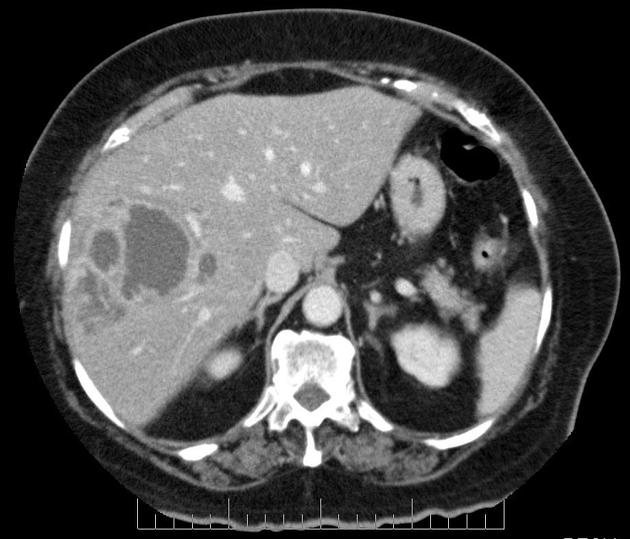
A 46-year-old man comes to the physician because of a 4-month history of progressively worsening fatigue and loss of appetite. Five years ago, he received a kidney transplant from a living family member. Current medications include sirolimus and mycophenolate. His blood pressure is 150/95 mm Hg. Laboratory studies show normocytic, normochromic anemia and a serum creatinine concentration of 3.1 mg/dL; his vital signs and laboratory studies were normal 6 months ago. Which of the following is the most likely underlying mechanism of this patient’s increase in creatinine concentration?
Q122
A 53-year-old woman presents to her physician for evaluation of sudden onset respiratory distress for the past few hours. The past medical history includes a myocardial infarction 2 years ago. The vital signs include a blood pressure 70/40 mm Hg, pulse 92/min, respiratory rate 28/min, and SpO2 92% on room air. The physical examination reveals bilateral basal crepitations on auscultation. The echocardiogram reveals an ejection fraction of 34%. She is admitted to the medical floor and started on furosemide. The urine output in 24 hours is 400 mL. The blood urea nitrogen is 45 mg/dL and the serum creatinine is 1.85 mg/dL. The fractional excretion of sodium is 2.4%. Urinalysis revealed muddy brown granular casts. Which of the following is the most likely cause of the abnormal urinalysis?
Q123
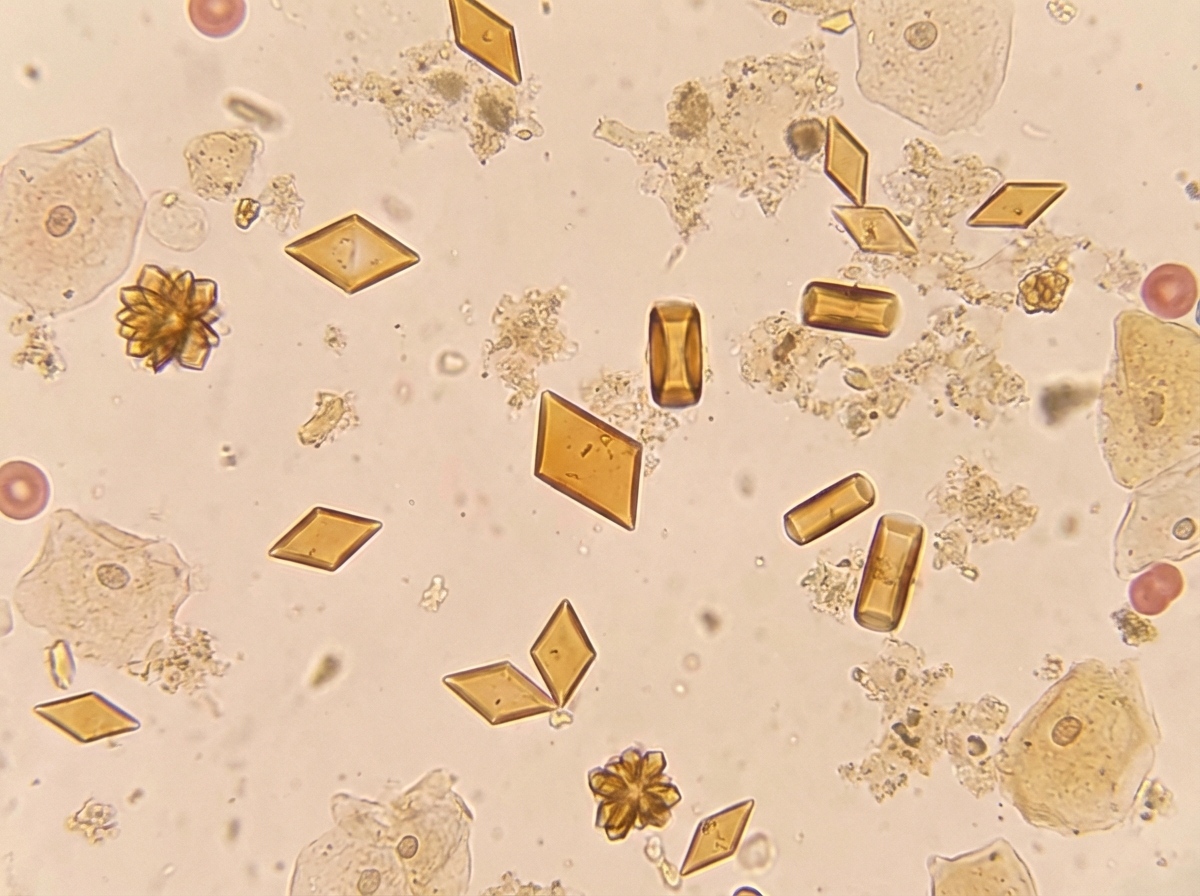
A 45-year-old woman presents with severe, acute-onset colicky abdominal pain and nausea. She also describes bone pain, constipation, headache, decreased vision, and menstrual irregularity. Past medical history is significant for surgical removal of an insulinoma one year ago. Two months ago, she was prescribed fluoxetine for depression but hasn’t found it very helpful. Family history is significant for a rare genetic syndrome. Non-contrast CT, CBC, CMP, and urinalysis are ordered in the diagnostic work-up. Urine sediment is significant for the findings shown in the picture. Which of the following will also be a likely significant finding in the diagnostic workup?
Q124
An autopsy of a patient's heart who recently died in a motor vehicle accident shows multiple nodules near the line of closure on the ventricular side of the mitral valve leaflet. Microscopic examination shows that these nodules are composed of immune complexes, mononuclear cells, and thrombi interwoven with fibrin strands. These nodules are most likely to be found in which of the following patients?
Q125
A 32-year-old man presents with a history of diarrhea several days after eating a hot dog at a neighborhood barbeque. He notes that the diarrhea is visibly bloody, but he has not experienced a fever. He adds that several other people from his neighborhood had similar complaints, many of which required hospitalization after eating food at the same barbeque. His temperature is 37°C (98.6°F ), respiratory rate is 16/min, pulse is 77/min, and blood pressure is 100/88 mm Hg. A physical examination is performed and is within normal limits. Blood is drawn for laboratory testing. The results are as follows:
Hb%: 12 gm/dL
Total count (WBC): 13,100/mm3
Differential count:
Neutrophils: 80%
Lymphocytes: 15%
Monocytes: 5%
ESR: 10 mm/hr
Glucose, Serum: 90 mg/dL
BUN: 21 mg/dL
Creatinine, Serum: 1.96 mg/dL
Sodium, Serum: 138 mmol/L
Potassium, Serum: 5.2 mmol/L
Chloride, Serum: 103 mmol/L
Bilirubin, Total: 2.5 mg/dL
Alkaline Phosphatase, Serum: 66 IU/L
Aspartate aminotransferase (AST): 32 IU/L
Alanine aminotransferase (ALT): 34 IU/L
Urinalysis is normal except for RBC casts. What is the most concerning possible complication?
Q126
A 56-year-old African American woman comes to the physician because of frequent urination. For the past year, she has had to urinate multiple times every hour. She has been thirstier and hungrier than usual. She has not had any pain with urination. She has no time to exercise because she works as an accountant. Her diet mostly consists of pizza and cheeseburgers. Her vital signs are within normal limits. Physical examination shows no abnormalities. Today, her blood glucose level is 200 mg/dL and her hemoglobin A1c is 7.4%. Urinalysis shows microalbuminuria. Which of the following is the most likely cause of this patient's proteinuria?
Q127
A 67-year-old man comes to the emergency department for the evaluation of two episodes of red urine since this morning. He has no pain with urination. He reports lower back pain and fever. Six months ago, he was diagnosed with osteoarthritis of the right knee that he manages with 1–2 tablets of ibuprofen per day. He has smoked one pack of cigarettes daily for the past 45 years. He does not drink alcohol. His temperature is 38.5°C (101.3°F), pulse is 95/min, and blood pressure is 130/80 mm Hg. Physical examination shows faint, diffuse maculopapular rash, and bilateral flank pain. The remainder of the examination shows no abnormalities. Urinalysis shows:
Blood +3
Protein +1
RBC 10–12/hpf
RBC cast negative
Eosinophils numerous
Which of the following is the most likely diagnosis?
Q128
A 12-year-old boy who recently immigrated from Namibia is being evaluated for exertional shortness of breath and joint pain for the past month. His mother reports that he used to play soccer but now is unable to finish a game before he runs out of air or begins to complain of knee pain. He was a good student but his grades have recently been declining over the past few months. The mother recalls that he had a sore throat and didn't go to school for 3 days a few months ago. He had chickenpox at the age of 5 and suffers from recurrent rhinitis. He is currently taking over-the-counter multivitamins. His blood pressure is 110/90 mm Hg, pulse rate is 55/min, and respiratory rate is 12/min. On physical examination, subcutaneous nodules are noted on his elbows bilaterally. On cardiac auscultation, a holosystolic murmur is heard over the mitral area that is localized. Lab work shows:
Hemoglobin 12.9 g/dL
Hematocrit 37.7%
Leukocyte count 5,500/mm3
Neutrophils 65%
Lymphocytes 30%
Monocytes 5%
Mean corpuscular volume 82.2 fL
Platelet count 139,000/mm3
Erythrocyte sedimentation rate 35 mm/h
C-reactive protein 14 mg/dL
Antistreptolysin O (ASO) 400 IU (normal range: < 200 IU)
Which is the mechanism behind the cause of this boy's symptoms?
Q129
A 46-year-old man diagnosed with pancreatic adenocarcinoma is admitted with fever, malaise, and dyspnea. He says that symptoms onset 2 days ago and have progressively worsened. Past medical history is significant for multiple abdominal surgeries including stenting of the pancreatic duct. Current inpatient medications are rosuvastatin 20 mg orally daily, aspirin 81 mg orally daily, esomeprazole 20 mg orally daily, oxycontin 10 mg orally twice daily, lorazepam 2 mg orally 3 times daily PRN, and ondansetron 10 mg IV. On admission, his vital signs include blood pressure 105/75 mm Hg, respirations 22/min, pulse 90/min, and temperature 37.0°C (98.6°F). On his second day after admission, the patient acutely becomes obtunded. Repeat vital signs show blood pressure 85/55 mm Hg, respirations 32/min, pulse 115/min. Physical examination reveals multiple ecchymoses on the trunk and extremities and active bleeding from all IV and venipuncture sites. There is also significant erythema and swelling of the posterior aspect of the left leg. Laboratory findings are significant for thrombocytopenia, prolonged PT and PTT, and an elevated D-dimer. Blood cultures are pending. Which of the following is most likely responsible for this patient’s current condition?
Q130
A section from the thymus of a patient with myasthenia gravis is examined (see image). The function of the portion of the thymus designated by the arrow plays what role in the pathophysiology of this disease?
Systemic Pathology US Medical PG Practice Questions and MCQs
Question 121: A 46-year-old man comes to the physician because of a 4-month history of progressively worsening fatigue and loss of appetite. Five years ago, he received a kidney transplant from a living family member. Current medications include sirolimus and mycophenolate. His blood pressure is 150/95 mm Hg. Laboratory studies show normocytic, normochromic anemia and a serum creatinine concentration of 3.1 mg/dL; his vital signs and laboratory studies were normal 6 months ago. Which of the following is the most likely underlying mechanism of this patient’s increase in creatinine concentration?
A. Drug-induced tubular vacuolization
B. CD8+ T cell-mediated parenchymal cell damage
C. CD4+ T cell-mediated intimal smooth muscle proliferation (Correct Answer)
D. Donor T cell-mediated epithelial cell damage
E. Donor endothelial cell damage by preformed host antibodies
Explanation: ***CD4+ T cell-mediated intimal smooth muscle proliferation***
- The patient's history of a kidney transplant 5 years ago, worsening fatigue, loss of appetite, elevated blood pressure (150/95 mm Hg), and a significant increase in serum creatinine from normal to 3.1 mg/dL, along with normocytic, normochromic anemia, strongly suggests **chronic rejection** of the renal allograft.
- **Chronic rejection** in kidney transplantation is primarily mediated by **CD4+ T cells** which induce injury to vessel walls, leading to **intimal smooth muscle proliferation** and progressive obliteration of the vascular lumen, causing chronic ischemia and graft dysfunction.
*Drug-induced tubular vacuolization*
- **Drug-induced tubular vacuolization** can occur with medications like sirolimus, but it typically presents with **acute kidney injury** and specific biopsy findings, not the progressive, chronic decline seen here.
- While sirolimus can cause nephrotoxicity, the clinical picture of hypertension, anemia, and a gradual increase in creatinine over months, years after transplant, is more indicative of chronic rejection rather than a primary direct tubular injury.
*CD8+ T cell-mediated parenchymal cell damage*
- **CD8+ T cell-mediated parenchymal cell damage** is characteristic of **acute cellular rejection** and typically presents with a more rapid onset of graft dysfunction and specific histological features like tubulitis and interstitial inflammation.
- This patient's symptoms have developed progressively over 4 months, which is more consistent with chronic rather than acute processes.
*Donor T cell-mediated epithelial cell damage*
- **Donor T cell-mediated epithelial cell damage** is associated with **graft-versus-host disease (GVHD)**, which primarily occurs after **hematopoietic stem cell transplantation**, not solid organ transplants like a kidney.
- GVHD manifests in organs like the skin, liver, and GI tract, not typically as isolated chronic allograft nephropathy.
*Donor endothelial cell damage by preformed host antibodies*
- **Donor endothelial cell damage by preformed host antibodies** is the mechanism of **hyperacute rejection**, which occurs within minutes to hours post-transplant due to pre-existing host antibodies (e.g., ABO incompatible, preformed anti-HLA antibodies) and leads to immediate graft failure.
- The patient had a successful transplant 5 years ago and developed symptoms gradually, ruling out hyperacute rejection.
Question 122: A 53-year-old woman presents to her physician for evaluation of sudden onset respiratory distress for the past few hours. The past medical history includes a myocardial infarction 2 years ago. The vital signs include a blood pressure 70/40 mm Hg, pulse 92/min, respiratory rate 28/min, and SpO2 92% on room air. The physical examination reveals bilateral basal crepitations on auscultation. The echocardiogram reveals an ejection fraction of 34%. She is admitted to the medical floor and started on furosemide. The urine output in 24 hours is 400 mL. The blood urea nitrogen is 45 mg/dL and the serum creatinine is 1.85 mg/dL. The fractional excretion of sodium is 2.4%. Urinalysis revealed muddy brown granular casts. Which of the following is the most likely cause of the abnormal urinalysis?
A. Acute interstitial nephritis
B. Acute tubular necrosis (Correct Answer)
C. Acute pyelonephritis
D. Chronic kidney disease
E. Acute glomerulonephritis
Explanation: ***Acute tubular necrosis***
- The presence of **muddy brown granular casts** on urinalysis is pathognomonic for **acute tubular necrosis (ATN)**, indicating damage to the renal tubules.
- The patient's history of **cardiogenic shock** (low BP 70/40 mm Hg, respiratory distress, low SpO2, low ejection fraction of 34%) led to **renal hypoperfusion** and ischemic tubular injury.
- The **fractional excretion of sodium (FENa) of 2.4%** (>2%) is characteristic of **intrinsic renal injury** (ATN), as damaged tubules cannot effectively reabsorb sodium.
- **Oliguria** (400 mL/24 hours), elevated **BUN (45 mg/dL)** and **creatinine (1.85 mg/dL)** further support acute kidney injury from ATN.
*Acute interstitial nephritis*
- This condition is typically associated with **drug hypersensitivity** (e.g., NSAIDs, antibiotics, PPIs) or **infections** and is characterized by inflammatory infiltrate in the renal interstitium.
- Urinalysis typically shows **white blood cell casts** and **eosinophiluria**, not muddy brown granular casts.
*Acute pyelonephritis*
- This is an **infection of the kidney** parenchyma, usually caused by bacterial ascension from the urinary tract.
- Symptoms often include **fever, flank pain, dysuria**, and urinalysis reveals **leukocyturia** (white blood cells) and **bacterial casts**, not muddy brown granular casts.
*Chronic kidney disease*
- While the patient has elevated creatinine and BUN, **chronic kidney disease (CKD)** develops over months to years and is characterized by persistent kidney damage or decreased function.
- Urinalysis in CKD often shows **broad waxy casts** and typically does not present with such **acute, sudden onset** of severe renal dysfunction with muddy brown granular casts.
*Acute glomerulonephritis*
- This condition involves inflammation of the glomeruli and typically presents with **hematuria, proteinuria, and red blood cell casts** (dysmorphic RBCs).
- The patient's clinical picture, including the absence of significant hematuria and the presence of **muddy brown granular casts**, does not fit acute glomerulonephritis.
Question 123: A 45-year-old woman presents with severe, acute-onset colicky abdominal pain and nausea. She also describes bone pain, constipation, headache, decreased vision, and menstrual irregularity. Past medical history is significant for surgical removal of an insulinoma one year ago. Two months ago, she was prescribed fluoxetine for depression but hasn’t found it very helpful. Family history is significant for a rare genetic syndrome. Non-contrast CT, CBC, CMP, and urinalysis are ordered in the diagnostic work-up. Urine sediment is significant for the findings shown in the picture. Which of the following will also be a likely significant finding in the diagnostic workup?
A. Decreased urine pH (Correct Answer)
B. Hypokalemia and non-anion gap acidosis
C. Diagnosis confirmed with cyanide-nitroprusside test
D. Elevated hemoglobin on CBC with significantly low levels of EPO
E. Imaging demonstrates staghorn calculi
Explanation: ***Decreased urine pH***
- The urine sediment shows **uric acid crystals** (rhomboid or rosette-shaped), which are pathognomonic for acidic urine.
- Uric acid stones form when **urine pH < 5.5**, as uric acid is insoluble in acidic conditions.
- This patient's complex presentation with history of insulinoma and family history of rare genetic syndrome suggests **MEN1 (Multiple Endocrine Neoplasia Type 1)**, which includes parathyroid adenomas, pancreatic tumors, and pituitary tumors.
- The symptoms of bone pain, abdominal pain, constipation, and neurological changes ("stones, bones, abdominal groans, psychiatric moans") suggest **hypercalcemia from primary hyperparathyroidism**.
- While calcium stones (not uric acid) are more common in hypercalcemia, the image specifically shows uric acid crystals, making decreased urine pH the most relevant finding in this diagnostic workup.
*Hypokalemia and non-anion gap acidosis*
- This constellation is characteristic of **Type 1 (distal) renal tubular acidosis**.
- While RTA can predispose to kidney stones (typically calcium phosphate in alkaline urine), it does not match the uric acid crystals shown in the image.
- The patient's symptoms are more consistent with hypercalcemia from MEN1 rather than RTA.
*Diagnosis confirmed with cyanide-nitroprusside test*
- The **cyanide-nitroprusside test** detects elevated cystine levels and is used to diagnose **cystinuria**.
- However, the image shows **uric acid crystals**, not hexagonal cystine crystals.
- This test would not be relevant to the current clinical picture.
*Elevated hemoglobin on CBC with significantly low levels of EPO*
- This suggests **polycythemia vera** or primary polycythemia, a myeloproliferative disorder.
- While some MEN syndromes can have associated findings, this is unrelated to the uric acid crystals and the primary presentation.
- There is no indication of polycythemia in this patient's presentation.
*Imaging demonstrates staghorn calculi*
- **Staghorn calculi** are typically **struvite stones** caused by urease-producing bacteria (e.g., *Proteus*) in **alkaline urine** with urinary tract infections.
- The image shows **uric acid crystals**, which form in acidic urine and typically produce small stones, not staghorn calculi.
- Staghorn calculi are inconsistent with the presented urine sediment findings.
Question 124: An autopsy of a patient's heart who recently died in a motor vehicle accident shows multiple nodules near the line of closure on the ventricular side of the mitral valve leaflet. Microscopic examination shows that these nodules are composed of immune complexes, mononuclear cells, and thrombi interwoven with fibrin strands. These nodules are most likely to be found in which of the following patients?
A. A 41-year-old female with a facial rash and nonerosive arthritis (Correct Answer)
B. A 6-year-old female with subcutaneous nodules and erythema marginatum
C. A 62-year-old male with Cardiobacterium hominis bacteremia
D. A 54-year-old male who recently underwent dental surgery
E. A 71-year-old male with acute-onset high fever and nail bed hemorrhages
Explanation: ***A 41-year-old female with a facial rash and nonerosive arthritis***
- The description of nodules composed of **immune complexes, mononuclear cells, and thrombi interwoven with fibrin strands** on the **ventricular side of the mitral valve leaflets** is classic for **Libman-Sacks endocarditis**.
- **Libman-Sacks endocarditis** is strongly associated with **systemic lupus erythematosus (SLE)**, which commonly presents with a **malar rash** and **nonerosive arthritis** in young to middle-aged women.
*A 6-year-old female with subcutaneous nodules and erythema marginatum*
- This presentation is characteristic of **acute rheumatic fever**, which causes **Aschoff bodies** (fibrinoid necrosis surrounded by inflammatory cells) in the heart.
- While it affects heart valves, the characteristic lesions are **fibrinous vegetations along the lines of closure** (Rheumatic Heart Disease) rather than immune complex-rich nodules on the ventricular surface described, and it is most commonly associated with **streptococcal infection**, not immune complexes as the primary driver.
*A 62-year-old male with Cardiobacterium hominis bacteremia*
- **Cardiobacterium hominis** is a HACEK group organism that can cause **subacute infective endocarditis**.
- Infective endocarditis involves vegetations composed of **microorganisms, fibrin, inflammatory cells, and red blood cells**, which typically occur on the **atrial side of the mitral valve** or the **ventricular side of the aortic valve**, and the primary component is bacteria, not immune complexes.
*A 54-year-old male who recently underwent dental surgery*
- Recent dental surgery is a common risk factor for **infective endocarditis**, often caused by **viridans group streptococci**.
- The lesions in infective endocarditis are primarily composed of **bacterial colonies and fibrin**, and they typically develop on the **atrial side of the mitral valve** (high-pressure side) and are destructive, differing from the immune complex-rich, non-destructive nodules of Libman-Sacks endocarditis.
*A 71-year-old male with acute-onset high fever and nail bed hemorrhages*
- **Acute-onset high fever** and **nail bed hemorrhages (splinter hemorrhages)** are signs of **acute infective endocarditis**, often caused by virulent organisms like *Staphylococcus aureus*.
- Although vegetation can occur on the heart valves, the composition is primarily bacterial colonies and inflammatory cells, and the primary location is usually the **aortic or mitral valve**, typically in areas of turbulent flow or previous damage, differing microscopically from Libman-Sacks endocarditis.
Question 125: A 32-year-old man presents with a history of diarrhea several days after eating a hot dog at a neighborhood barbeque. He notes that the diarrhea is visibly bloody, but he has not experienced a fever. He adds that several other people from his neighborhood had similar complaints, many of which required hospitalization after eating food at the same barbeque. His temperature is 37°C (98.6°F ), respiratory rate is 16/min, pulse is 77/min, and blood pressure is 100/88 mm Hg. A physical examination is performed and is within normal limits. Blood is drawn for laboratory testing. The results are as follows:
Hb%: 12 gm/dL
Total count (WBC): 13,100/mm3
Differential count:
Neutrophils: 80%
Lymphocytes: 15%
Monocytes: 5%
ESR: 10 mm/hr
Glucose, Serum: 90 mg/dL
BUN: 21 mg/dL
Creatinine, Serum: 1.96 mg/dL
Sodium, Serum: 138 mmol/L
Potassium, Serum: 5.2 mmol/L
Chloride, Serum: 103 mmol/L
Bilirubin, Total: 2.5 mg/dL
Alkaline Phosphatase, Serum: 66 IU/L
Aspartate aminotransferase (AST): 32 IU/L
Alanine aminotransferase (ALT): 34 IU/L
Urinalysis is normal except for RBC casts. What is the most concerning possible complication?
A. Disseminated intravascular coagulation
B. Guillain-Barré syndrome
C. Hemolytic uremic syndrome (Correct Answer)
D. Plummer-Vinson syndrome
E. Rotatory nystagmus
Explanation: ***Hemolytic uremic syndrome***
- The patient presents with **bloody diarrhea** following suspected food poisoning (likely *E. coli O157:H7* from undercooked hot dog), elevated creatinine (1.96 mg/dL) and BUN indicating **acute kidney injury**, elevated total bilirubin (2.5 mg/dL) suggesting **hemolysis**, and **RBC casts in the urine**, which are pathognomonic for glomerular disease.
- HUS is characterized by a triad of **microangiopathic hemolytic anemia**, **thrombocytopenia**, and **acute kidney injury**. While platelet count is not provided in this case, the combination of bloody diarrhea following food exposure, evidence of hemolysis (elevated bilirubin with normal liver enzymes), acute renal failure, and RBC casts strongly suggests HUS.
- HUS is the most serious complication of **Shiga toxin-producing E. coli** infection and can lead to permanent renal damage or death if untreated.
*Disseminated intravascular coagulation*
- While DIC involves widespread clotting and bleeding, it typically presents with more severe systemic symptoms like **petechiae**, **purpura**, fever, and significant derangements in coagulation tests (e.g., prolonged PT/aPTT, decreased fibrinogen, elevated D-dimer), which are not described here.
- The localized presentation with primarily renal involvement and absence of systemic coagulopathy makes HUS more likely than DIC.
*Guillain-Barré syndrome*
- GBS is an **autoimmune disorder** affecting the peripheral nervous system, characterized by **ascending paralysis** and areflexia, usually following an infection (often *Campylobacter jejuni*).
- There are no neurological symptoms such as weakness, paresthesias, or paralysis mentioned in this patient's presentation, and the prominent renal findings point away from GBS.
*Plummer-Vinson syndrome*
- Plummer-Vinson syndrome is a rare condition characterized by **iron deficiency anemia**, **dysphagia** due to esophageal webs, and glossitis.
- This patient presents with acute GI infection and acute kidney injury, not chronic iron deficiency anemia features or dysphagia. This option is not relevant to the clinical scenario.
*Rotatory nystagmus*
- **Rotatory nystagmus** is an involuntary eye movement pattern, usually indicating a vestibular or central nervous system disorder.
- This is a physical examination finding, not a complication or syndrome. There is no mention of visual disturbances or neurological deficits in this patient's presentation.
Question 126: A 56-year-old African American woman comes to the physician because of frequent urination. For the past year, she has had to urinate multiple times every hour. She has been thirstier and hungrier than usual. She has not had any pain with urination. She has no time to exercise because she works as an accountant. Her diet mostly consists of pizza and cheeseburgers. Her vital signs are within normal limits. Physical examination shows no abnormalities. Today, her blood glucose level is 200 mg/dL and her hemoglobin A1c is 7.4%. Urinalysis shows microalbuminuria. Which of the following is the most likely cause of this patient's proteinuria?
A. Calcific sclerosis of glomerular arterioles
B. Loss of glomerular electrical charge
C. Renal papillary necrosis
D. Increased glomerular filtration
E. Diffuse nodular glomerulosclerosis (Correct Answer)
Explanation: ***Diffuse nodular glomerulosclerosis***
- The patient presents with symptoms of **polyuria**, **polydipsia**, and **polyphagia**, along with elevated **blood glucose** (200 mg/dL) and **HbA1c** (7.4%), confirming a diagnosis of **diabetes mellitus**.
- **Diffuse nodular glomerulosclerosis**, also known as **Kimmelstiel-Wilson disease**, is a characteristic renal lesion seen in **diabetic nephropathy**, leading to proteinuria, including microalbuminuria.
*Calcific sclerosis of glomerular arterioles*
- While **vascular calcification** can occur in the context of chronic kidney disease, particularly in diabetic patients, **calcific sclerosis of glomerular arterioles** itself is not the primary mechanism leading to **proteinuria**.
- More common and direct causes of proteinuria in diabetes are related to **glomerular damage**, such as the nodular or diffuse type of glomerulosclerosis.
*Loss of glomerular electrical charge*
- The **glomerular basement membrane (GBM)** possesses negatively charged proteoglycans (e.g., **heparan sulfate**), which repel negatively charged proteins like albumin, contributing to the filtration barrier.
- While damage to the GBM in conditions like minimal change disease can cause a loss of this negative charge leading to massive proteinuria, it is not the primary or most characteristic mechanism of **microalbuminuria** in **early diabetic nephropathy**.
*Renal papillary necrosis*
- **Renal papillary necrosis** is characterized by ischemic coagulative necrosis of the renal papillae, most commonly associated with **analgesic abuse**, **sickle cell disease**, and severe **diabetes mellitus**.
- While it can cause hematuria, flank pain, and even kidney failure, it is not the direct or primary cause of **proteinuria** in the context of early diabetic nephropathy.
*Increased glomerular filtration*
- **Increased glomerular filtration**, also known as **hyperfiltration**, is an early pathological change in diabetes mellitus, where GFR is elevated.
- While hyperfiltration can contribute to **glomerular damage** over time and is a risk factor for nephropathy progression, it is not the direct cause of **microalbuminuria** itself; rather, it is the underlying **glomerular structural changes** that result from sustained hyperfiltration and metabolic derangements that lead to leakage of proteins.
Question 127: A 67-year-old man comes to the emergency department for the evaluation of two episodes of red urine since this morning. He has no pain with urination. He reports lower back pain and fever. Six months ago, he was diagnosed with osteoarthritis of the right knee that he manages with 1–2 tablets of ibuprofen per day. He has smoked one pack of cigarettes daily for the past 45 years. He does not drink alcohol. His temperature is 38.5°C (101.3°F), pulse is 95/min, and blood pressure is 130/80 mm Hg. Physical examination shows faint, diffuse maculopapular rash, and bilateral flank pain. The remainder of the examination shows no abnormalities. Urinalysis shows:
Blood +3
Protein +1
RBC 10–12/hpf
RBC cast negative
Eosinophils numerous
Which of the following is the most likely diagnosis?
A. Acute glomerulonephritis
B. Renal cell carcinoma
C. Acute tubular necrosis
D. Acute tubulointerstitial nephritis (Correct Answer)
E. Crystal-induced acute kidney injury
Explanation: ***Acute tubulointerstitial nephritis***
- The patient's history of daily **ibuprofen use**, along with **fever**, **rash**, **flank pain**, and **eosinophilia** in the urine, is highly suggestive of **acute tubulointerstitial nephritis (ATIN)**, often drug-induced.
- The urinalysis showing **hematuria** (+3 blood, 10-12 RBCs/hpf), **proteinuria** (+1 protein), and significantly **numerous eosinophils** further supports this diagnosis, as ATIN is characterized by inflammation of the renal tubules and interstitium.
*Acute glomerulonephritis*
- While acute glomerulonephritis can present with hematuria and proteinuria, it typically involves the presence of **RBC casts**, which are noted as negative in this patient's urinalysis.
- The significant eosinophilia and response to ibuprofen are not characteristic features of acute glomerulonephritis.
*Renal cell carcinoma*
- Renal cell carcinoma can cause painless hematuria and flank pain, but it is less likely to present with acute symptoms such as **fever**, **rash**, and **eosinophilia**.
- This condition does not typically cause the diffuse maculopapular rash or the specific urinalysis findings of numerous eosinophils.
*Acute tubular necrosis*
- Acute tubular necrosis (ATN) is often associated with ischemia or nephrotoxic agents and typically presents with muddy brown casts in the urine, not red blood cell casts or numerous eosinophils.
- While ATN can cause acute kidney injury, the rash, fever, and eosinophils point away from this diagnosis.
*Crystal-induced acute kidney injury*
- Crystal-induced AKI might occur with certain drugs or metabolic conditions and would typically show evidence of crystals in the urine (e.g., uric acid, oxalate), which are not mentioned here.
- The presence of fever, rash, and marked eosinophilia is not typical for crystal-induced injury.
Question 128: A 12-year-old boy who recently immigrated from Namibia is being evaluated for exertional shortness of breath and joint pain for the past month. His mother reports that he used to play soccer but now is unable to finish a game before he runs out of air or begins to complain of knee pain. He was a good student but his grades have recently been declining over the past few months. The mother recalls that he had a sore throat and didn't go to school for 3 days a few months ago. He had chickenpox at the age of 5 and suffers from recurrent rhinitis. He is currently taking over-the-counter multivitamins. His blood pressure is 110/90 mm Hg, pulse rate is 55/min, and respiratory rate is 12/min. On physical examination, subcutaneous nodules are noted on his elbows bilaterally. On cardiac auscultation, a holosystolic murmur is heard over the mitral area that is localized. Lab work shows:
Hemoglobin 12.9 g/dL
Hematocrit 37.7%
Leukocyte count 5,500/mm3
Neutrophils 65%
Lymphocytes 30%
Monocytes 5%
Mean corpuscular volume 82.2 fL
Platelet count 139,000/mm3
Erythrocyte sedimentation rate 35 mm/h
C-reactive protein 14 mg/dL
Antistreptolysin O (ASO) 400 IU (normal range: < 200 IU)
Which is the mechanism behind the cause of this boy's symptoms?
A. Type III hypersensitivity reaction
B. Type I hypersensitivity reaction
C. Congenital immunodeficiency
D. Type II hypersensitivity reaction (Correct Answer)
E. Type IV hypersensitivity reaction
Explanation: ***Type II hypersensitivity reaction***
- This scenario describes **acute rheumatic fever (ARF)**, characterized by a preceding **streptococcal pharyngitis** followed by a Type II hypersensitivity reaction via **molecular mimicry**. The **anti-streptolysin O (ASO) titer of 400 IU** is elevated (normal < 200 IU), indicating a recent streptococcal infection.
- In ARF, antibodies produced against **Streptococcus pyogenes M protein** cross-react with host tissues (molecular mimicry), leading to direct antibody-mediated damage to the **heart (rheumatic carditis)**, joints, skin, and CNS. The patient's exertional shortness of breath and holosystolic murmur point to **mitral regurgitation**, a hallmark of rheumatic heart disease.
- Classic ARF presents with **Jones criteria**: carditis, polyarthritis, subcutaneous nodules, erythema marginatum, and Sydenham chorea.
*Type III hypersensitivity reaction*
- This involves the formation of **immune complexes** that deposit in tissues, leading to inflammation (e.g., serum sickness, **post-streptococcal glomerulonephritis**, lupus nephritis). While immune complexes may play a minor role in ARF, the primary mechanism is **direct antibody cross-reactivity** (Type II), not immune complex deposition.
- **Key distinction**: Post-streptococcal glomerulonephritis (which occurs 1-2 weeks after strep infection with hematuria and edema) is Type III, while ARF (which occurs 2-4 weeks after with carditis and arthritis) is Type II.
- The clinical features here—subcutaneous nodules, carditis, polyarthritis—are classic for ARF, not a Type III hypersensitivity reaction.
*Type I hypersensitivity reaction*
- This is an **immediate hypersensitivity** mediated by **IgE antibodies** and mast cell degranulation, causing reactions like asthma, anaphylaxis, or allergic rhinitis.
- The presented symptoms of polyarthritis and carditis developing weeks after a streptococcal infection do not align with an IgE-mediated allergic response.
*Congenital immunodeficiency*
- This refers to genetic defects in the immune system, leading to increased susceptibility to infections or autoimmune conditions.
- While immunodeficiencies can increase infection risk, they don't explain the specific constellation of symptoms—carditis, migratory polyarthritis, and subcutaneous nodules—following a streptococcal infection that points to acute rheumatic fever, an autoimmune sequela.
*Type IV hypersensitivity reaction*
- This is a **delayed-type hypersensitivity** reaction mediated by **T-cells** (e.g., contact dermatitis, tuberculin skin test, granuloma formation).
- The pathophysiology of ARF involves antibody-mediated mechanisms (humoral immunity), not primarily T-cell-mediated delayed reactions.
Question 129: A 46-year-old man diagnosed with pancreatic adenocarcinoma is admitted with fever, malaise, and dyspnea. He says that symptoms onset 2 days ago and have progressively worsened. Past medical history is significant for multiple abdominal surgeries including stenting of the pancreatic duct. Current inpatient medications are rosuvastatin 20 mg orally daily, aspirin 81 mg orally daily, esomeprazole 20 mg orally daily, oxycontin 10 mg orally twice daily, lorazepam 2 mg orally 3 times daily PRN, and ondansetron 10 mg IV. On admission, his vital signs include blood pressure 105/75 mm Hg, respirations 22/min, pulse 90/min, and temperature 37.0°C (98.6°F). On his second day after admission, the patient acutely becomes obtunded. Repeat vital signs show blood pressure 85/55 mm Hg, respirations 32/min, pulse 115/min. Physical examination reveals multiple ecchymoses on the trunk and extremities and active bleeding from all IV and venipuncture sites. There is also significant erythema and swelling of the posterior aspect of the left leg. Laboratory findings are significant for thrombocytopenia, prolonged PT and PTT, and an elevated D-dimer. Blood cultures are pending. Which of the following is most likely responsible for this patient’s current condition?
A. Factor VIII inhibitor
B. von Willebrand disease
C. Vitamin K deficiency
D. Disseminated intravascular coagulation (Correct Answer)
E. Antiphospholipid syndrome
Explanation: ***Disseminated intravascular coagulation***
- The patient's presentation with **acute obtundation**, **hypotension**, **tachycardia**, multiple **ecchymoses**, bleeding from venipuncture sites, and swelling of the left leg, along with laboratory findings of **thrombocytopenia**, **prolonged PT and PTT**, and **elevated D-dimer**, are all classic signs of **disseminated intravascular coagulation (DIC)**.
- DIC is a life-threatening condition often triggered by underlying conditions such as **sepsis** (indicated by fever, malaise, dyspnea, and potential infection associated with pancreatic duct stenting) or **malignancy** (pancreatic adenocarcinoma), leading to widespread uncontrolled activation of coagulation followed by consumption of clotting factors and platelets.
*Factor VIII inhibitor*
- While a **Factor VIII inhibitor** can cause bleeding and prolonged PTT, it would not typically cause **thrombocytopenia** or markedly elevated D-dimer.
- It's a rare acquired condition, usually presenting as isolated bleeding, not the systemic collapse seen here.
*von Willebrand disease*
- **Von Willebrand disease** is a genetic bleeding disorder characterized by mucocutaneous bleeding and prolonged PTT if severe, but it does **not typically cause thrombocytopenia**, normal PT, or greatly elevated D-dimer.
- The acute, severe, systemic nature of the patient's symptoms is not consistent with VWD.
*Vitamin K deficiency*
- **Vitamin K deficiency** can prolong PT and PTT, leading to bleeding, but it does **not cause thrombocytopenia** or elevated D-dimer.
- This condition is often seen in malabsorption or liver disease, and while the patient has pancreatic cancer, the specific lab abnormalities point away from isolated vitamin K deficiency.
*Antiphospholipid syndrome*
- **Antiphospholipid syndrome** typically causes **thrombotic events** (clots) rather than bleeding, although it can be associated with some thrombocytopenia.
- The patient's predominant symptoms of widespread bleeding and consumption coagulopathy are not consistent with this syndrome.
Question 130: A section from the thymus of a patient with myasthenia gravis is examined (see image). The function of the portion of the thymus designated by the arrow plays what role in the pathophysiology of this disease?
A. Premature involution of the thymus
B. Failure of hematopoietic progenitor cells to differentiate in thymus
C. Failure to bind MHC class II molecules
D. Failure of apoptosis of negatively selected T cells (Correct Answer)
E. Failure of afferent lymph vessels to form
Explanation: ***Failure of apoptosis of negatively selected T cells***
- In myasthenia gravis, the thymus commonly shows **hyperplasia** and aggregates of **B cells**, suggesting an inappropriate immune response.
- The arrow likely points to **medullary thymic epithelial cells (mTECs)**, which are crucial for negative selection, and their dysfunction can lead to failure of apoptosis of self-reactive T cells.
*Premature involution of the thymus*
- **Thymic involution** is a normal age-related process leading to reduced T-cell output, not a primary driver of myasthenia gravis.
- In myasthenia gravis, the thymus often shows signs of **hyperactivity** rather than premature atrophy.
*Failure of hematopoietic progenitor cells to differentiate in thymus*
- This scenario would lead to **severe immunodeficiency** due to a lack of mature T cells, which is not characteristic of myasthenia gravis.
- Myasthenia gravis involves an **autoimmune attack**, implying the presence and malfunction of immune cells.
*Failure to bind MHC class II molecules*
- Failure to bind MHC class II molecules would impact **positive selection** in the thymus, leading to a deficiency in CD4+ T cells.
- While T-cell education is crucial, the primary autoimmune pathology in myasthenia gravis relates more to the *tolerance* mechanisms rather than the initial MHC binding.
*Failure of afferent lymph vessels to form*
- Afferent lymph vessels are not typically associated with directly contributing to the **pathophysiology of T-cell selection** within the thymus.
- This would primarily affect the drainage and potential antigen presentation from peripheral tissues to lymph nodes, not the intrinsic thymic T-cell education.