
Epigenetic mechanisms in cancer — MCQs

A 65-year-old man comes to the physician because of a 1-month history of progressive back pain. He has also had a 5-kg (11-lb) weight loss over the past 3 months. His only medications are a daily multivitamin and ibuprofen, which he takes daily for the back pain. Physical examination shows tenderness to palpation over the lower spine and the left iliac crest. His hemoglobin concentration is 9.3 g/dL, his serum calcium concentration is 12 mg/dL, and his serum creatinine concentration is 2.1 mg/dL. A bone marrow biopsy shows 21% plasma cells. A diagnosis of multiple myeloma is established. In preparation for an autologous hematopoietic stem cell transplantation, the patient receives a myeloablative treatment regimen that includes busulfan. Which of the following drugs acts via a similar mechanism of action to busulfan?
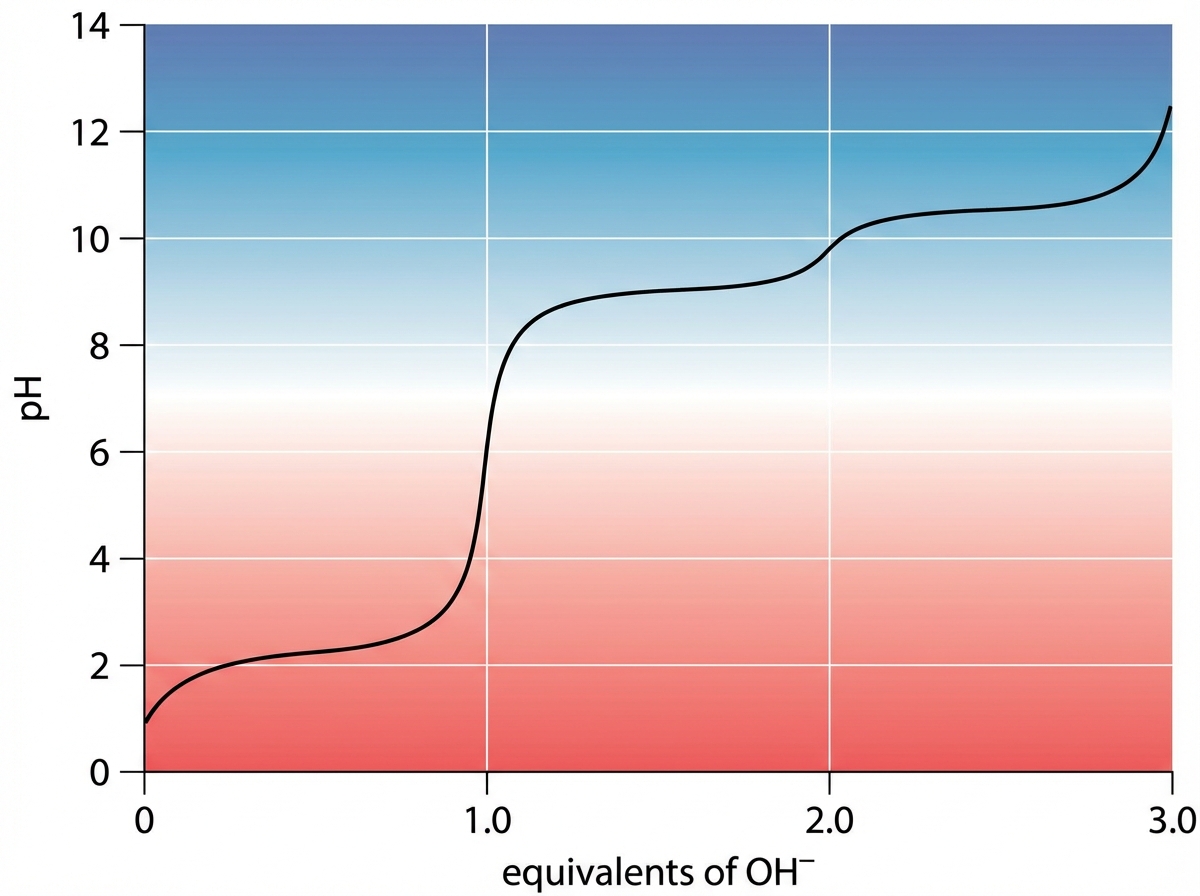
An investigator studying epigenetic mechanisms isolates histone proteins, the structural motifs involved in DNA binding and regulation of transcription. The peptide bonds of histone proteins are hydrolyzed and one type of amino acid is isolated. At normal body pH, this amino acid has a net charge of +1 . The investigator performs titration of this amino acid and obtains the graph shown. The isolated amino acid is most likely which of the following?
A 5-year-old African-American boy is brought to the physician because of fatigue and night sweats for the past month. During this time, he has also lost 3 kg (6.6 lbs). Before the onset of symptoms, he had been healthy except for a febrile seizure as an infant. His brother had chickenpox 2 months ago. He is at the 75th percentile for height and 50th percentile for weight. He appears markedly fatigued. His temperature is 38°C (100.4°F), pulse is 95/min, respirations are 19/min, and blood pressure is 100/60 mm Hg. Lung and cardiac examination is normal. There are enlarged, nontender lymph nodes bilaterally in the neck. The abdomen is soft and nontender. A complete blood count shows: Leukocyte count 8,000/mm³ Hemoglobin 9.1 g/dL Hematocrit 26.9% Platelet count 34,000/mm³ Serum Na+ 135 mEq/L K+ 4.5 mEq/L Cl- 101 mEq/L HCO3- 27 mEq/L Urea nitrogen 9 mg/dL Creatinine 0.7 mg/dL Ca2+ 8.8 mg/dL PCR testing demonstrates a 9:22 chromosomal translocation. The patient is diagnosed with Philadelphia chromosome-positive acute lymphoblastic leukemia. Which of the following is the most appropriate targeted therapy component?
An investigator is studying the effects of zinc deprivation on cancer cell proliferation. It is hypothesized that because zinc is known to be a component of transcription factor motifs, zinc deprivation will result in slower tumor growth. To test this hypothesis, tumor cells are cultured on media containing low and high concentrations of zinc. During the experiment, a labeled oligonucleotide probe is used to identify the presence of a known transcription factor. The investigator most likely used which of the following laboratory techniques?
A 62-year-old man with small cell lung cancer undergoes radiation therapy. His oncologist explains that radiation causes DNA damage and double strand breaks and this damage stops the cancer cells from growing because they can no longer replicate their DNA. One key mediator of this process is a cell cycle regulator called P53, which is upregulated after DNA damage and helps to trigger cell cycle arrest and apoptosis. One mechanism by which P53 activity is increased is a certain chromatin modification that loosens DNA coiling allowing for greater transcription of the proteins within that region of DNA. Which of the following enzymes most likely causes the chromatin modification described in this case?
An investigator is studying DNA repair processes in an experimental animal. The investigator inactivates a gene encoding a protein that physiologically excises nucleotides from damaged, bulky, helix-distorting DNA strands. A patient with a similar defect in this gene is most likely to present with which of the following findings?
A 32-year-old woman visits her primary care provider with the results of a recent colonoscopy, which was ordered after 3 episodes of rectal bleeding in the last month. Her grandmother, mother, and sister all have been diagnosed with nonpolyposis colorectal cancer, at ages 65, 50, and 40 years, respectively. Colonoscopy for this patient revealed a large, flat, right-sided adenoma. Histopathological examination of the lesion showed villous histology and high-grade dysplasia. Which of the following helps explain the condition of this patient?
A 16-year-old male presents to the emergency department complaining of episodes of pounding headache, chest fluttering, and excessive sweating. He has a past history of kidney stones that are composed of calcium oxalate. He does not smoke or drink alcohol. Family history reveals that his mother died of thyroid cancer. Vital signs reveal a temperature of 37.1°C (98.7°F), blood pressure of 200/110 mm Hg and pulse of 120/min. His 24-hour urine calcium, serum metanephrines, and serum normetanephrines levels are all elevated. Mutation of which of the following genes is responsible for this patient's condition?
A 10-year-old boy is brought by his mother to his pediatrician for "skin growths." His mother reports that she started noticing small lumps arising from the patient's lips and eyelids several months ago. She also notes that he seems to suffer from frequent constipation and appears "weaker" than many of his peers. The boy's past medical history is unremarkable. His father and paternal grandmother have a history of medullary thyroid carcinoma. His height and weight are in the 85th and 45th percentiles, respectively. His temperature is 99°F (37.1°C), blood pressure is 110/65 mmHg, pulse is 90/min, and respirations are 18/min. On examination, he has an elongated face with protruding lips. There are numerous sessile painless nodules on the patient's lips, tongue, and eyelids. This patient's condition is most strongly associated with a mutation in which of the following genes?
A 56-year-old woman presents to a physician for evaluation of a lump in her left breast. She noticed the lump last week while taking a shower. She says that the lump seemed to be getting larger, which worried her. The lump is not painful. The medical history is unremarkable. She has smoked cigarettes for the last 30 years. On examination, bilateral small nodules are present that are non-tender and immobile. A mammography confirms the masses and fine needle aspiration cytology of the lesions reveals malignant cells arranged in a row of cells. What is the most likely diagnosis?
Want unlimited practice?
Get full access to all questions, explanations, and performance tracking.
Scan to download app