
Nutritional diseases — MCQs

A 21-year-old woman presents to the clinic complaining of fatigue for the past 2 weeks. She reports that it is difficult for her to do strenuous tasks such as lifting heavy boxes at the bar she works at. She denies any precipitating factors, weight changes, nail changes, dry skin, chest pain, abdominal pain, or urinary changes. She is currently trying out a vegetarian diet for weight loss and overall wellness. Besides heavier than usual periods, the patient is otherwise healthy with no significant medical history. A physical examination demonstrates conjunctival pallor. Where in the gastrointestinal system is the most likely mineral that is deficient in the patient absorbed?
A 27-year-old female presents to general medical clinic for a routine checkup. She has a genetic disease marked by a mutation in a chloride transporter. She has a history of chronic bronchitis. She has a brother with a similar history of infections as well as infertility. Which of the following is most likely true regarding a potential vitamin deficiency complication secondary to this patient's chronic illness?
A 35-year-old alcoholic patient presents with high-output cardiac failure, tachycardia, a bounding pulse, and warm extremities. Blood work reveals vitamin deficiency. Which of the following vitamin deficiencies is most likely associated with such a clinical presentation?
A 7-year-old girl presents to her primary care physician for a routine check-up. The physician allows the medical student to perform a physical examination. The medical student notes hearing impairment as well as the findings show in Figures A and B. Radiographs show indications of multiple old fractures of the humerus that have healed. After questioning the girl’s parents, the medical student learns that in addition, the patient is extremely picky with her food and eats a diet consisting mainly of cereal and pasta. What is the most likely etiology of the patient’s disease?
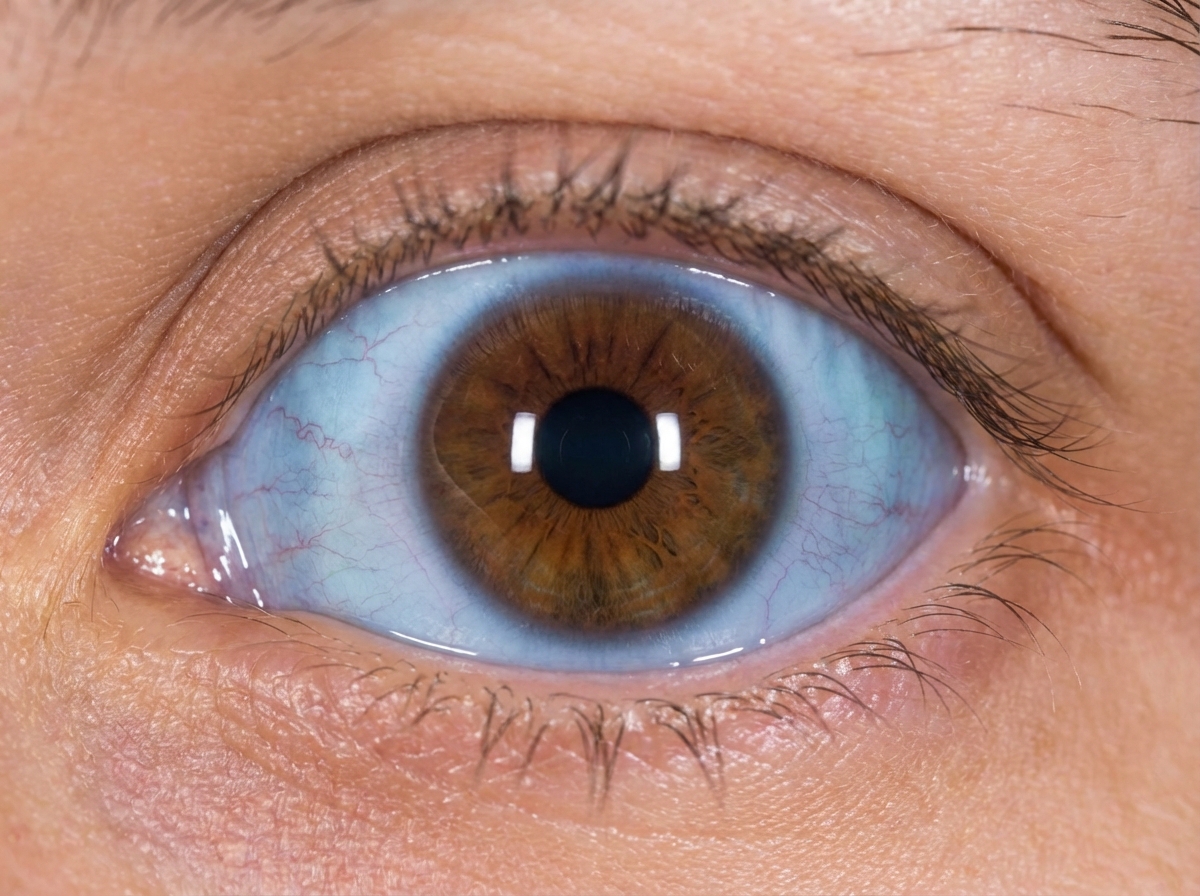
A 21-year-old woman is admitted to the hospital for severe malnutrition with a BMI of 15 kg/m2. Past medical history is significant for chronic anorexia nervosa. During the course of her stay, she is treated with parenteral fluids and nutrition management. On the 4th day, her status changes. Her blood pressure is 110/75 mm Hg, heart rate is 120/min, respiratory rate is 25/min, and temperature is 37.0°C (98.6°F). On physical exam, her heart is tachycardic with a regular rhythm and her lungs are clear to auscultation bilaterally. She appears confused, disoriented, and agitated. Strength in her lower extremities is 4/5. What is the next step in management?
A 60-year-old male presents with fatigue, dyspnea on exertion, and lower extremity edema. Physical examination reveals an elevated jugular venous pressure and an S3 heart sound. Which of the following medications is most likely to improve this patient's symptoms?
A 17-year-old girl is brought in by her mother due to rapid weight loss over the past month. The patient says she has been having episodes of diarrhea, which she attributes to laxatives she takes regularly to keep her weight down. She also says she has not had her period yet. The patient’s mother adds that the patient has been underperforming at school and acting very strangely at home. Her current BMI is 16.8 kg/m2. On physical examination, the skin on her limbs and around her neck is inflamed and erythematous. Her tongue is bright red and smooth. She states that over the last 2 weeks, she has been eating nothing but small portions of fruit. She is diagnosed with a vitamin deficiency. Which of the following statements is true about the vitamin most likely deficient in this patient?
A 9-month-old girl is brought to the physician because of a 1-month history of poor feeding and irritability. She is at the 15th percentile for height and 5th percentile for weight. Examination shows hypotonia and wasting of skeletal muscles. Cardiopulmonary examination shows no abnormalities. There is hepatomegaly. Her serum glucose is 61 mg/dL, creatinine kinase is 100 U/L, and lactic acid is within the reference range. Urine ketone bodies are elevated. Which of the following enzymes is most likely deficient in this patient?
An 80-year-old woman is brought to the physician by her 2 daughters for worsening memory loss. They report that their mother is increasingly forgetful about recent conversations and events. She is unable to remember her appointments and commitments she has made. 3 years ago, the patient was moved into an elder care facility because she was often getting lost on her way home and forgetting to take her medications. The patient reports that she is very socially active at her new home and has long conversations with the other residents about her adventures as an air hostess during her youth. Which of the following cerebral pathologies is most likely present in this patient?
A 45-year-old African American man presents with nausea and severe abdominal pain. He denies vomiting. He says that, 2 days ago, his divorce was finalized, so he went to a bar and had multiple shots of tequila and vodka. This morning, upon waking, he noticed his urine was red, which lasted throughout the day. The patient denies any history of similar symptoms. Past medical history is significant for low blood counts diagnosed on routine laboratory work 6 months ago, which was not followed up due to the stress of the divorce. A review of systems is significant for erectile dysfunction and chronic fatigue. His temperature is 37.2°C (99.0°F), the heart rate is 90/min, the blood pressure is 136/88 mm Hg, and the respiratory rate is 20/min. Physical examination shows scleral icterus. Mucous membranes are pale. Cardiac auscultation reveals a systolic flow murmur loudest along the left sternal border. There is moderate right upper quadrant abdominal tenderness with no rebound or guarding. The remainder of the exam is unremarkable. Laboratory findings are significant for the following: Hematocrit 27% Mean corpuscular volume 81 µm3 Leukocytes 6,000/mm3 Platelets 130,000/µL Haptoglobin 30 mg/dL (50–150 mg/dL) Reticulocyte count 3% Total bilirubin 7.1 mg/dL LDH 766 U/L AST 150 U/L ALT 195 U/L HbA1 96% HbA2 2% HbF 2% CD55 50% of expected The peripheral smear is unremarkable. Which of the following would be the most likely cause of mortality given this patient’s likely diagnosis?
Want unlimited practice?
Get full access to all questions, explanations, and performance tracking.
Scan to download app