
Development of microbiome from birth — MCQs

A 6-day-old newborn is brought to the emergency department by his mother due to a high fever that started last night. His mother says that he was born via an uneventful vaginal delivery at home at 38 weeks gestation and was doing fine up until yesterday when he became disinterested in breastfeeding and spit up several times. His temperature is 39.5°C (103.1°F), pulse is 155/min, respirations are 45/min, and O2 sats are 92% on room air. He is lethargic and minimally responsive to stimuli. While on his back, his head is quickly lifted towards his chest which causes his legs to flex. The mother had only a few prenatal care visits and none at the end of the pregnancy. What is the most likely source of this patients infection?
An investigator is studying the growth of an organism in different media. The organism is inoculated on a petri dish that contains heated sheep blood, vancomycin, nystatin, trimethoprim, and colistin. The resulting growth medium is incubated at 37°C. Numerous small, white colonies are seen after incubation for 48 hours. This organism is most likely to cause which of the following conditions?
A 20-week-old infant is brought to an urgent care clinic by her mother because she has not been eating well for the past 2 days. The mother said her daughter has also been "floppy" since yesterday morning and has been unable to move or open her eyes since the afternoon of the same day. The child has recently started solid foods, like cereals sweetened with honey. There is no history of loose, watery stools. On examination, the child is lethargic with lax muscle tone. She does not have a fever or apparent respiratory distress. What is the most likely mode of transmission of the pathogen responsible for this patient’s condition?
A 47-year-old man comes to the physician because of abdominal pain and foul-smelling, watery diarrhea for several days. He has not had nausea, vomiting, or blood in the stool. He has a history of alcohol use disorder and recently completed a 7-day course of clindamycin for pneumonia. He has not traveled out of the United States. Which of the following toxins is most likely to be involved in the pathogenesis of this patient's symptoms?
Which hormone is primarily responsible for initiating milk production postpartum?
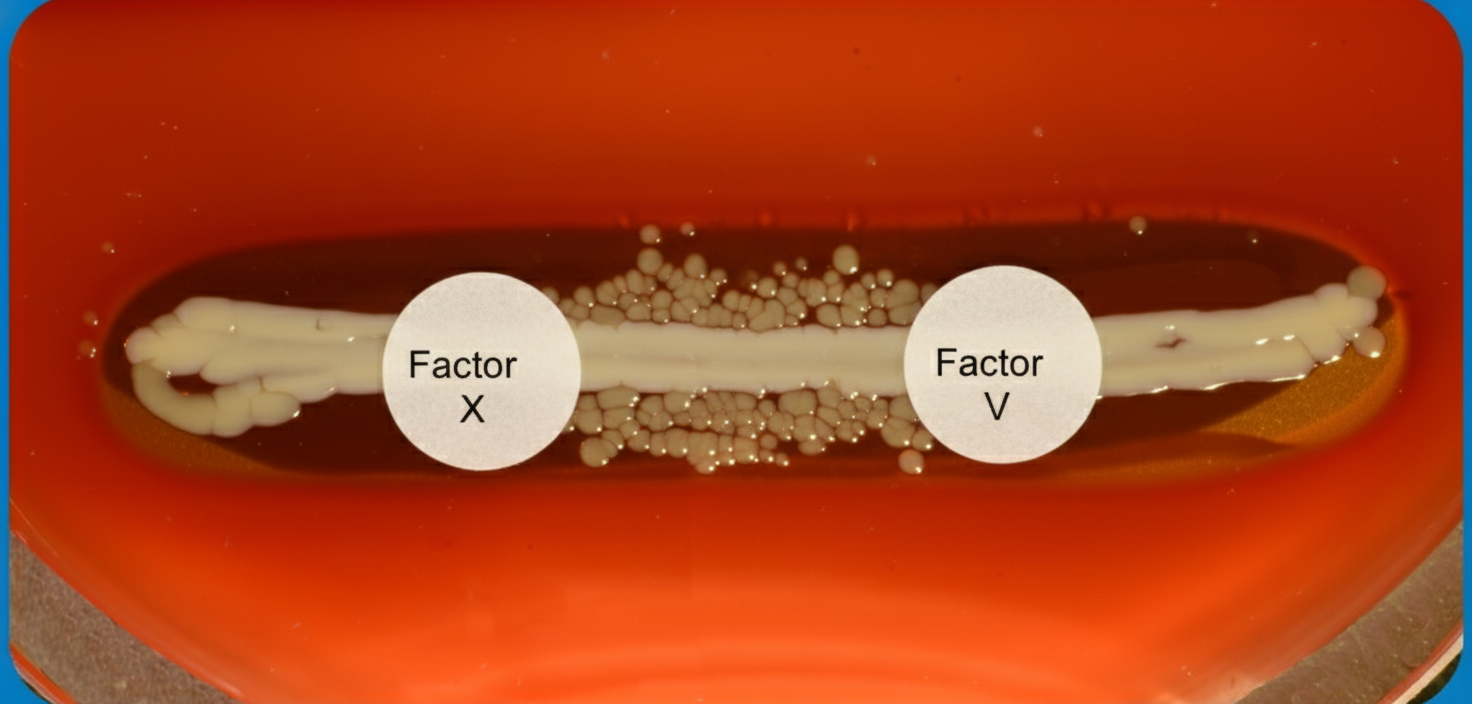
A 6-month old child is brought to the ER by parents for one day of fever, decreased feeding, and lethargy. They report that neither she nor her siblings are immunized due to their concerns about vaccinations. On exam, the infant is toxic-appearing. Antibiotics are started and lumbar puncture reveals bacterial meningitis caused by a gram-negative, encapsulated organism that requires chocolate agar and the two factors shown in Image A for growth. Which organism does this best describe?
An exclusively breast-fed, 4-month-old boy is brought to the physician by his mother for a routine examination. He was born at term and delivery was uncomplicated. He received all standard treatment and testing prior to being discharged from the hospital. Examination shows no abnormalities. Without receiving additional supplementation at this time, this infant is at greatest risk of developing which of the following conditions?
A 4-year-old girl is brought to the physician because her mother is concerned that she has been talking to an imaginary friend for 2 months. The child calls her friend 'Lucy' and says “Lucy is my best friend”. The child has multiple conversation and plays with the 'Lucy' throughout the day. The girl attends preschool regularly. She can copy a circle, tells stories, and can hop on one foot. Her maternal uncle has schizophrenia. Her parents are currently divorcing. The child's father has a history of illicit drug use. Physical examination shows no abnormalities. The mother is concerned about whether the child is acting out because of the divorce. Which of the following is the most appropriate next best step in management?
A 28-year-old woman with a past history of type 1 diabetes presents to your office with a 2-week history of vaginal itching and soreness accompanied by a white, clumpy vaginal discharge which she says resembles cheese curds. Her last HbA1c from a month ago was 7.8%, and her last cervical cytology from 10 months ago was reported as normal. She has a blood pressure of 118/76 mmHg, respiratory rate of 14/min, and heart rate of 74/min. Pelvic examination reveals multiple small erythematous lesions in the inguinal and perineal area, vulvar erythema, and excoriations. Inspection demonstrates a normal cervix and a white, adherent, thick, non-malodorous vaginal discharge. Which of the following is most likely to be present in a saline wet mount from the vaginal discharge of this patient?
A 16-year-old boy presents to his pediatrician because he has noticed white plaques forming on his tongue over the last 5 days. He recently returned from a boy scout trip where he traveled across the country and hiked through the woods. His past medical history is significant for asthma for which he uses an inhaler as needed. He says that during the trip he felt short of breath several times and had to use the inhaler. He also says that several of his friends appeared to get sick on the same trip and were coughing a lot. He has not experienced any other symptoms since returning from the trip. On presentation, he is found to have white plaques on the tongue that can be scraped off. Which of the following is a characteristic of the most likely cause of this patient's disease?
Want unlimited practice?
Get full access to all questions, explanations, and performance tracking.
Scan to download app