
Surgical site infections — MCQs

The surgical equipment used during a craniectomy is sterilized using pressurized steam at 121°C for 15 minutes. Reuse of these instruments can cause transmission of which of the following pathogens?
A 47-year-old man presents to the emergency department with jaundice and extreme fatigue for the past 4 days. He also noticed that his stool is very pale and urine is dark. Past medical history is unremarkable. The review of systems is significant for a 23 kg (50 lb) weight loss over the last 3 months which he says is due to decreased appetite. He is afebrile and the vital signs are within normal limits. A contrast computed tomography (CT) scan of the abdomen reveals a mass in the pancreatic head. A blood test for carbohydrate antigen (CA19-9) is positive. The patient is admitted to the intensive care unit (ICU) and undergoes surgical decompression of the biliary tract. He is placed on total parenteral nutrition (TPN). On day 4 after admission, his intravenous access site is found to be erythematous and edematous. Which of the following microorganisms is most likely responsible for this patient’s intravenous (IV) site infection?
A 65-year-old man presents to the emergency department with a complaint of intense pain in his right foot for the past month, along with fever and chills. He denies any traumatic injury to his foot in recent memory. He has a medical history of poorly-controlled type II diabetes and is a former smoker with extensive peripheral vascular disease. On physical exam, the area of his right foot around the hallux is swollen, erythematous, tender to light palpation, and reveals exposed bone. Labs are notable for elevated C-reactive protein and erythrocyte sedimentation rate. The physician obtains a biopsy for culture. What is the most likely causative organism for this patient’s condition?
A 65-year-old man presents with low-grade fever and malaise for the last 4 months. He also says he has lost 9 kg (20 lb) during this period and suffers from extreme fatigue. Past medical history is significant for a mitral valve replacement 5 years ago. His temperature is 38.1°C (100.6°F), respirations are 22/min, pulse is 102/min, and blood pressure is 138/78 mm Hg. On physical examination, there is a new onset 2/6 holosystolic murmur loudest in the apical area of the precordium. Which of the following organisms is the most likely cause of this patient’s condition?
A 63-year-old female recovering from a total shoulder arthroplasty completed 6 days ago presents complaining of joint pain in her repaired shoulder. Temperature is 39 degrees Celsius. Physical examination demonstrates erythema and significant tenderness around the incision site. Wound cultures reveal Gram-positive cocci that are resistant to nafcillin. Which of the following organisms is the most likely cause of this patient's condition?
A 28-year-old male presents to his primary care physician with complaints of intermittent abdominal pain and alternating bouts of constipation and diarrhea. His medical chart is not significant for any past medical problems or prior surgeries. He is not prescribed any current medications. Which of the following questions would be the most useful next question in eliciting further history from this patient?
A 43-year-old man is brought to the emergency department 40 minutes after falling off a 10-foot ladder. He has severe pain and swelling of his right ankle and is unable to walk. He did not lose consciousness after the fall. He has no nausea. He appears uncomfortable. His temperature is 37°C (98.6°F), pulse is 98/min, respirations are 16/min, and blood pressure is 110/80 mm Hg. He is alert and oriented to person, place, and time. Examination shows multiple abrasions over both lower extremities. There is swelling and tenderness of the right ankle; range of motion is limited by pain. The remainder of the examination shows no abnormalities. An x-ray of the ankle shows an extra-articular calcaneal fracture. Intravenous analgesia is administered. Which of the following is the most appropriate next step in the management of this patient?
A 27-year-old previously healthy man presents to the clinic complaining of bloody diarrhea and abdominal pain. Sexual history reveals that he has sex with men and women and uses protection most of the time. He is febrile with all other vital signs within normal limits. Physical exam demonstrates tenderness to palpation of the right upper quadrant. Subsequent ultrasound shows a uniform cyst in the liver. In addition to draining the potential abscess and sending it for culture, appropriate medical therapy would involve which of the following?
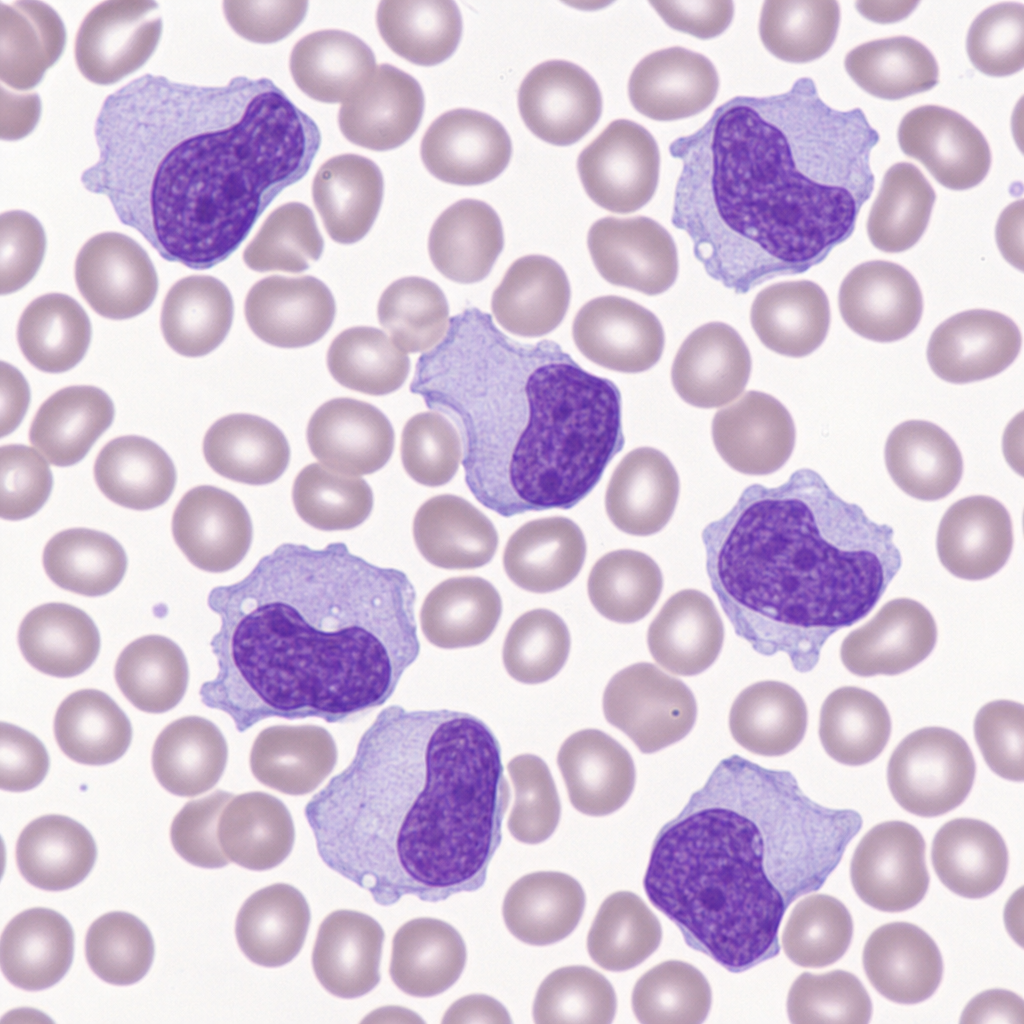
A 19-year-old college student presents with a 5-day history of fever, sore throat, and cervical lymphadenopathy. A heterophile antibody test is positive. A peripheral blood smear reveals large lymphocytes with abundant pale cytoplasm and irregular, folded nuclei that appear to indent around adjacent red blood cells. Which of the following surface markers would be found on the cells predominantly expanded in this patient's peripheral blood?
A surgical ICU has implemented multiple interventions over 18 months: chlorhexidine bathing, antibiotic stewardship, contact precautions for MRSA, and environmental cleaning protocols. Despite these efforts, MRSA surgical site infection rates remain unchanged at 8 per 1000 surgical procedures. Universal MRSA screening shows 15% of admitted patients are colonized. Evaluate the most effective evidence-based strategy to reduce MRSA SSI rates further.
Want unlimited practice?
Get full access to all questions, explanations, and performance tracking.
Scan to download app