
Biofilms in device-related infections — MCQs

A 37-year-old woman with a history of anorectal abscesses complains of pain in the perianal region. Physical examination reveals mild swelling, tenderness, and erythema of the perianal skin. She is prescribed oral ampicillin and asked to return for follow-up. Two days later, the patient presents with a high-grade fever, syncope, and increased swelling. Which of the following would be the most common mechanism of resistance leading to the failure of antibiotic therapy in this patient?
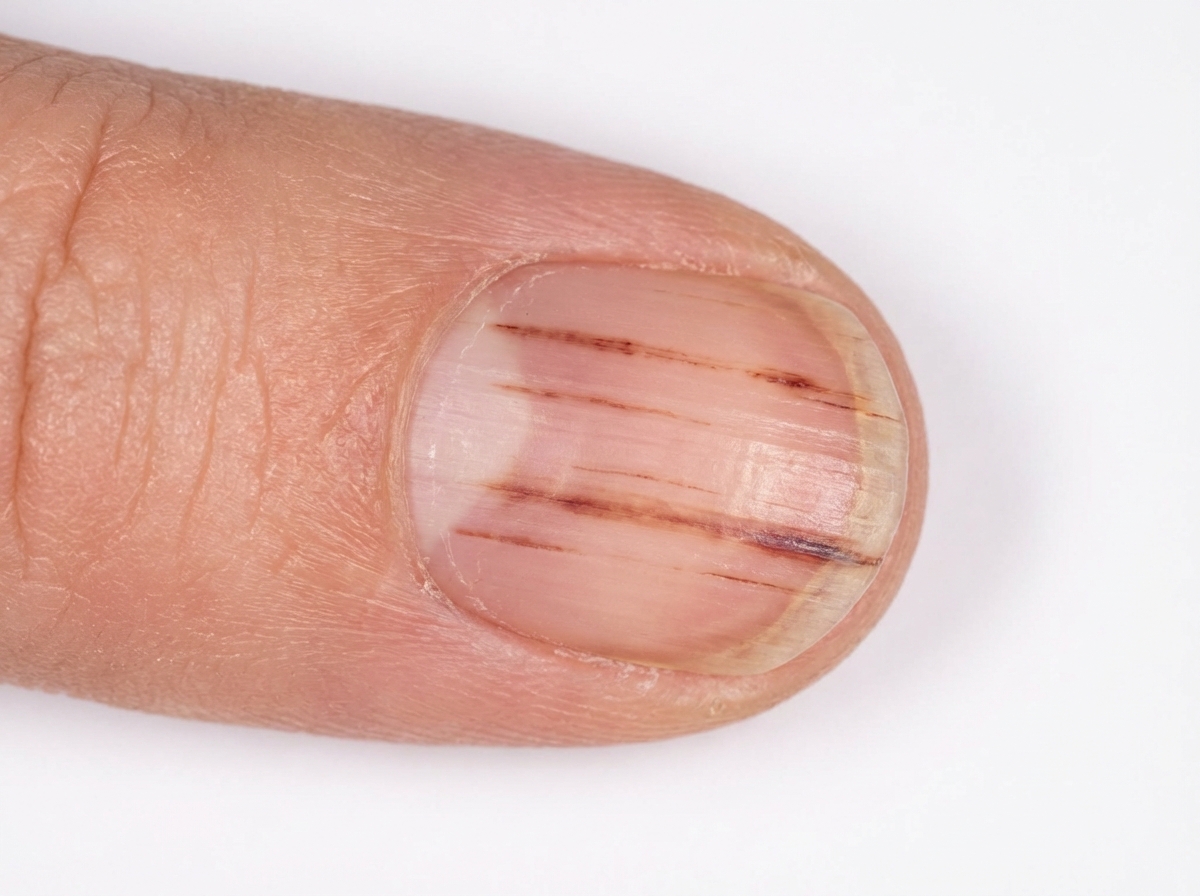
A 63-year-old man comes to the physician for evaluation of fever and a nonproductive cough for the past 2 weeks. During this period, he has also had fatigue, myalgia, and difficulty breathing. Five weeks ago, he underwent an aortic prosthetic valve replacement due to high-grade aortic stenosis. The patient has a history of hypertension, asthma, and type 2 diabetes mellitus. A colonoscopy 2 years ago was normal. The patient has smoked one pack of cigarettes daily for the past 40 years. He has never used illicit drugs. Current medications include aspirin, warfarin, lisinopril, metformin, inhaled albuterol, and a multivitamin. The patient appears lethargic. Temperature is 38.6°C (101.5°F), pulse is 105/min, and blood pressure is 140/60 mm Hg. Rales are heard on auscultation of the lungs. A grade 2/6, diastolic blowing murmur is heard over the left sternal border and radiates to the right sternal border. A photograph of his right index finger is shown. Laboratory studies show a leukocyte count of 13,800/mm3 and an erythrocyte sedimentation rate of 48 mm/h. Which of the following is the most likely causal organism?
A 42-year-old woman with a history of multiple sclerosis and recurrent urinary tract infections comes to the emergency department because of flank pain and fever. Her temperature is 38.8°C (101.8°F). Examination shows left-sided costovertebral angle tenderness. She is admitted to the hospital and started on intravenous vancomycin. Three days later, her symptoms have not improved. Urine culture shows growth of Enterococcus faecalis. Which of the following best describes the most likely mechanism of antibiotic resistance in this patient?
A 67-year-old woman comes to the physician because of fever, chills, myalgias, and joint pain 1 month after undergoing aortic prosthetic valve replacement due to high-grade aortic stenosis. She does not drink alcohol or use illicit drugs. Her temperature is 39.3°C (102.8°F). She appears weak and lethargic. Physical examination shows crackles at both lung bases and a grade 2/6, blowing diastolic murmur over the right sternal border. Laboratory studies show leukocytosis and an elevated erythrocyte sedimentation rate. The causal organism is most likely to have which of the following characteristics?
A 47-year-old woman comes to the physician because of a 6-week history of fatigue and low-grade fever. She has no history of serious illness except for a bicuspid aortic valve, diagnosed 10 years ago. She does not use illicit drugs. Her temperature is 37.7°C (99.9°F). Physical examination shows petechiae under the fingernails and multiple tender, red nodules on the fingers. A new grade 2/6 diastolic murmur is heard at the right second intercostal space. Which of the following is the most likely causal organism?
A 56-year-old woman comes to the emergency department because of worsening pain and swelling in her right knee for 3 days. She underwent a total knee arthroplasty of her right knee joint 5 months ago. The procedure and immediate aftermath were uneventful. She has hypertension and osteoarthritis. Current medications include glucosamine, amlodipine, and meloxicam. Her temperature is 37.9°C (100.2°F), pulse is 95/min, and blood pressure is 115/70 mm Hg. Examination shows a tender, swollen right knee joint; range of motion is limited by pain. The remainder of the examination shows no abnormalities. Arthrocentesis of the right knee is performed. Analysis of the synovial fluid shows: Appearance Cloudy Viscosity Absent WBC count 78,000/mm3 Segmented neutrophils 94% Lymphocytes 6% Synovial fluid is sent for culture and antibiotic sensitivity. Which of the following is the most likely causal pathogen?
A 54-year-old man comes to the physician because of persistent right knee pain and swelling for 2 weeks. Six months ago, he had a total knee replacement because of osteoarthritis. His temperature is 38.5°C (101.3°F), pulse is 100/min, and blood pressure is 139/84 mm Hg. Examination shows warmth and erythema of the right knee; range of motion is limited by pain. His leukocyte count is 14,500/mm3, and erythrocyte sedimentation rate is 50 mm/hr. Blood cultures grow gram-positive, catalase-positive cocci. These bacteria grow on mannitol salt agar without color change. Production of which of the following is most important for the organism's virulence?
A 20-year-old woman presents for a follow-up visit with her physician. She has a history of cystic fibrosis and is currently under treatment. She has recently been struggling with recurrent bouts of cough and foul-smelling, mucopurulent sputum over the past year. Each episode lasts for about a week or so and then subsides. She does not have a fever or chills during these episodes. She has been hospitalized several times for pneumonia as a child and continues to struggle with diarrhea. Physically she appears to be underweight and in distress. Auscultation reveals reduced breath sounds on the lower lung fields with prominent rhonchi. Which of the following infectious agents is most likely associated with the recurrent symptoms this patient is experiencing?
A 45-year-old male presents to his primary care physician complaining of drainage from his left great toe. He has had an ulcer on his left great toe for over eight months. He noticed increasing drainage from the ulcer over the past week. His past medical history is notable for diabetes mellitus on insulin complicated by peripheral neuropathy and retinopathy. His most recent hemoglobin A1c was 9.4%. He has a 25 pack-year smoking history. He has multiple sexual partners and does not use condoms. His temperature is 100.8°F (38.2°C), blood pressure is 150/70 mmHg, pulse is 100/min, and respirations are 18/min. Physical examination reveals a 1 cm ulcer on the plantar aspect of the left great toe surrounded by an edematous and erythematous ring. Exposed bone can be palpated with a probe. There are multiple small cuts and bruises on both feet. A bone biopsy reveals abundant gram-negative rods that do not ferment lactose. The pathogen most likely responsible for this patient’s current condition is also strongly associated with which of the following conditions?
A 24-year-old man presents with low-grade fever and shortness of breath for the last 3 weeks. Past medical history is significant for severe mitral regurgitation status post mitral valve replacement five years ago. His temperature is 38.3°C (101.0°F) and respiratory rate is 18/min. Physical examination reveals vertical hemorrhages under his nails, multiple painless erythematous lesions on his palms, and two tender, raised nodules on his fingers. Cardiac auscultation reveals a new-onset 2/6 holosystolic murmur loudest at the apex with the patient in the left lateral decubitus position. A transesophageal echocardiogram reveals vegetations on the prosthetic valve. Blood cultures reveal catalase-positive, gram-positive cocci. Which of the following characteristics is associated with the organism most likely responsible for this patient’s condition?
Want unlimited practice?
Get full access to all questions, explanations, and performance tracking.
Scan to download app