
Borrelia species — MCQs

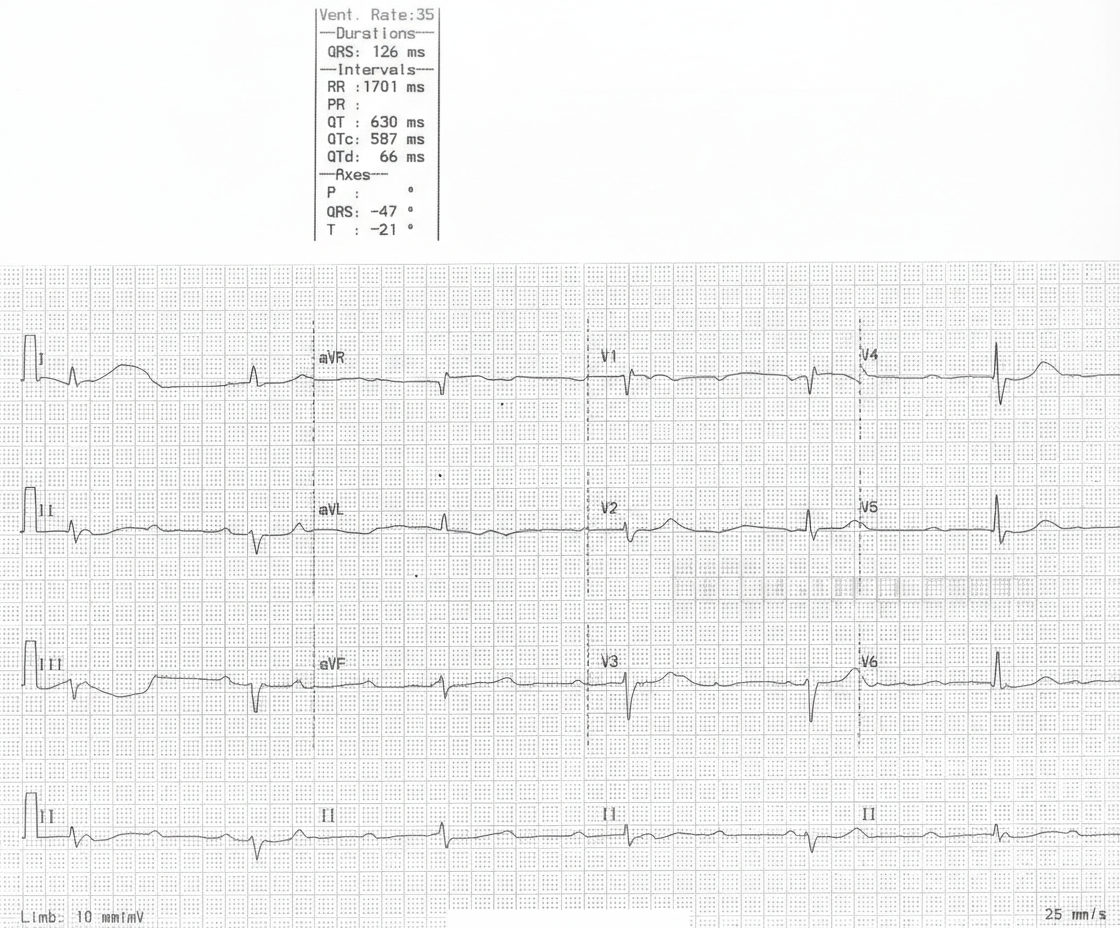
A 29-year-old woman is brought to the emergency department after an episode of syncope. For the past 10 days, she has had dyspnea and palpitations occurring with mild exertion. The patient returned from a hiking trip in Upstate New York 5 weeks ago. Except for an episode of flu with fever and chills a month ago, she has no history of serious illness. Her temperature is 37.3°C (99.1°F), pulse is 45/min, respirations are 21/min, and blood pressure is 148/72 mm Hg. A resting ECG is shown. Two-step serological testing confirms the diagnosis. Which of the following is the most appropriate treatment?
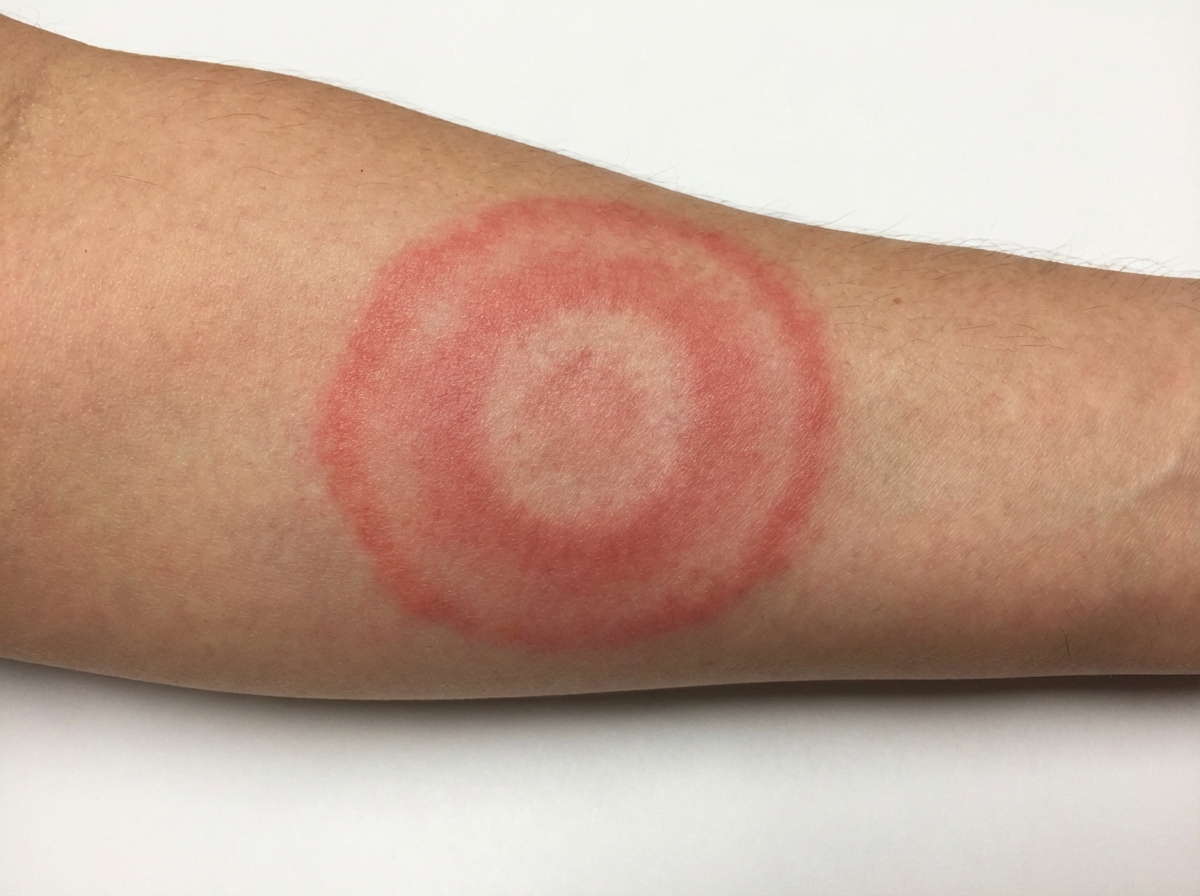
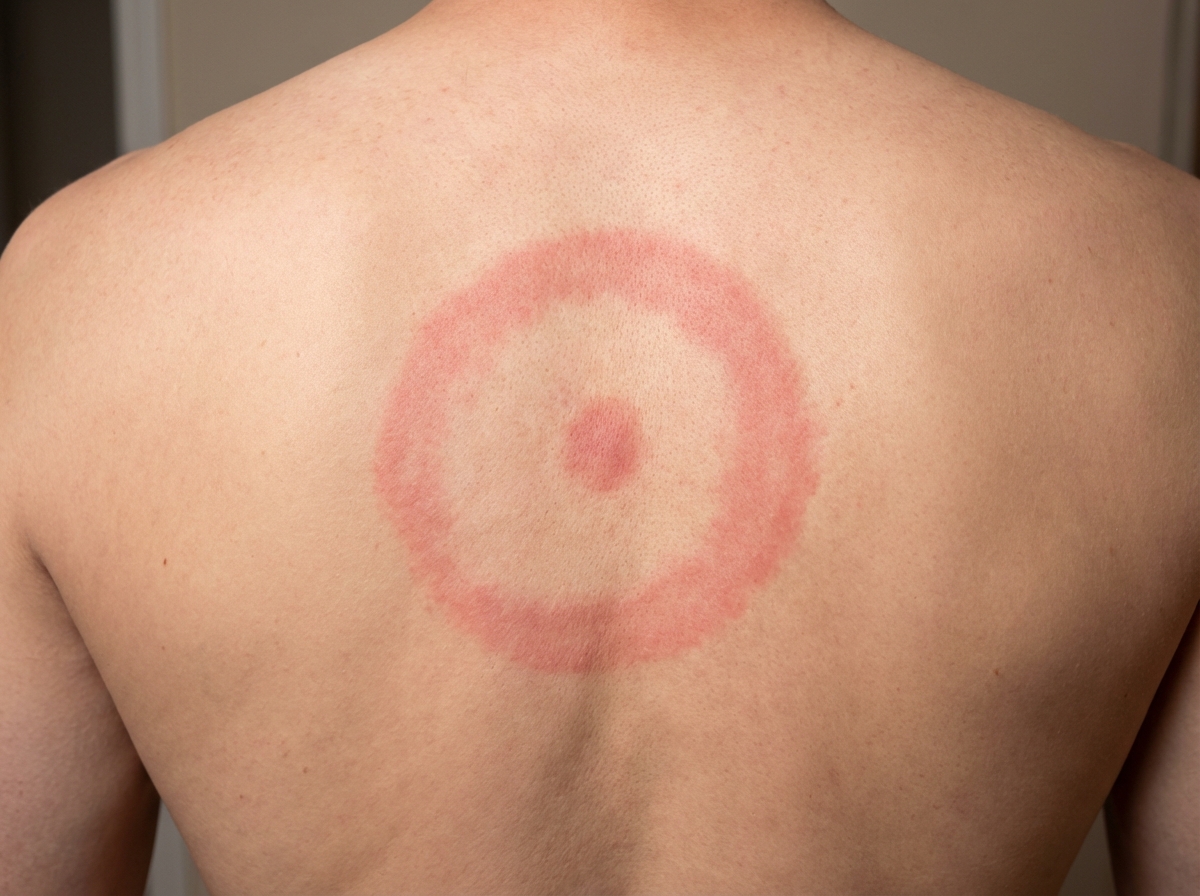
A 45-year-old woman presents to the emergency department with a headache, fevers with chills, rigors, and generalized joint pain for the past week. She also complains of a progressive rash on her left arm. She says that a few days ago she noticed a small, slightly raised lesion resembling an insect bite mark, which had a burning sensation. The medical and surgical histories are unremarkable. She recalls walking in the woods 2 weeks prior to the onset of symptoms, but does not recall finding a tick on her body. On examination, the temperature is 40.2°C (104.4°F). A circular red rash measuring 10 cm x 5 cm in diameter is noted on the left arm, as shown in the accompanying image. The remainder of her physical examination is unremarkable. The tick causing her disease is also responsible for the transmission of which of the following pathogens?
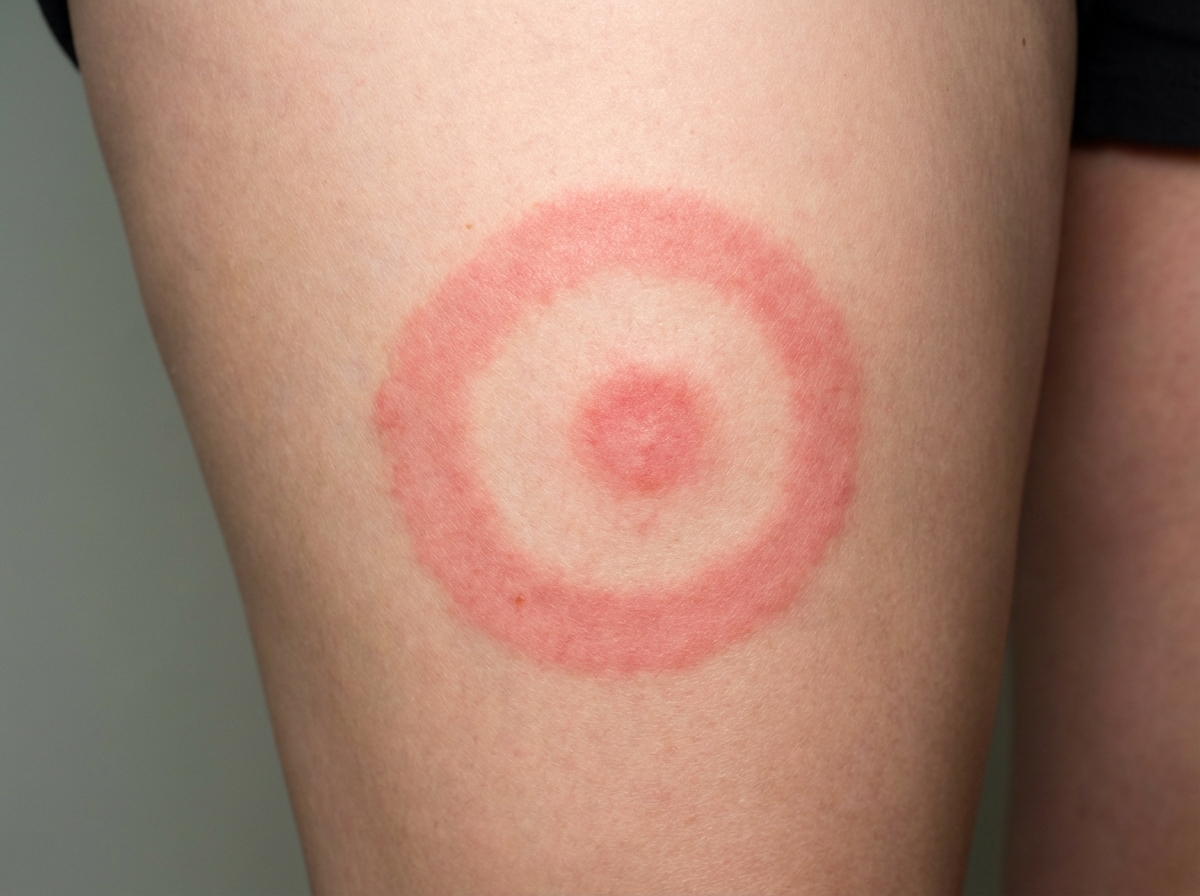
A 21-year-old man comes to the physician's office due to a 3-week history of fatigue and a rash, along with the recent development of joint pain that has moved from his knee to his elbows. The patient reports going camping last month but denies having been bitten by a tick. His past medical history is significant for asthma treated with an albuterol inhaler. His pulse is 54/min and blood pressure is 110/72. Physical examination reveals multiple circular red rings with central clearings on the right arm and chest. There is a normal range of motion in all joints and 5/5 strength bilaterally in the upper and lower extremities. Without proper treatment, the patient is at highest risk for which of the following complications?
A 14-year-old girl presents with fever, headache, and muscle aches that have lasted for 2 days. She also complains of malaise and pain in her joints. She says she just returned from a camping trip in Delaware. Her past medical history is not significant. The patient denies any recent sick contacts. Her temperature is 38.3°C (101.0°F), pulse is 87/min, respirations are 17/min, and blood pressure is 120/78 mm Hg. On physical examination, there is a 3-inch-diameter, red, erythematous, round rash with central clearing on the right leg (see image). Antibodies against Proteus vulgaris OX-19 are absent. Which of the following is the most likely cause of this patient’s symptoms?
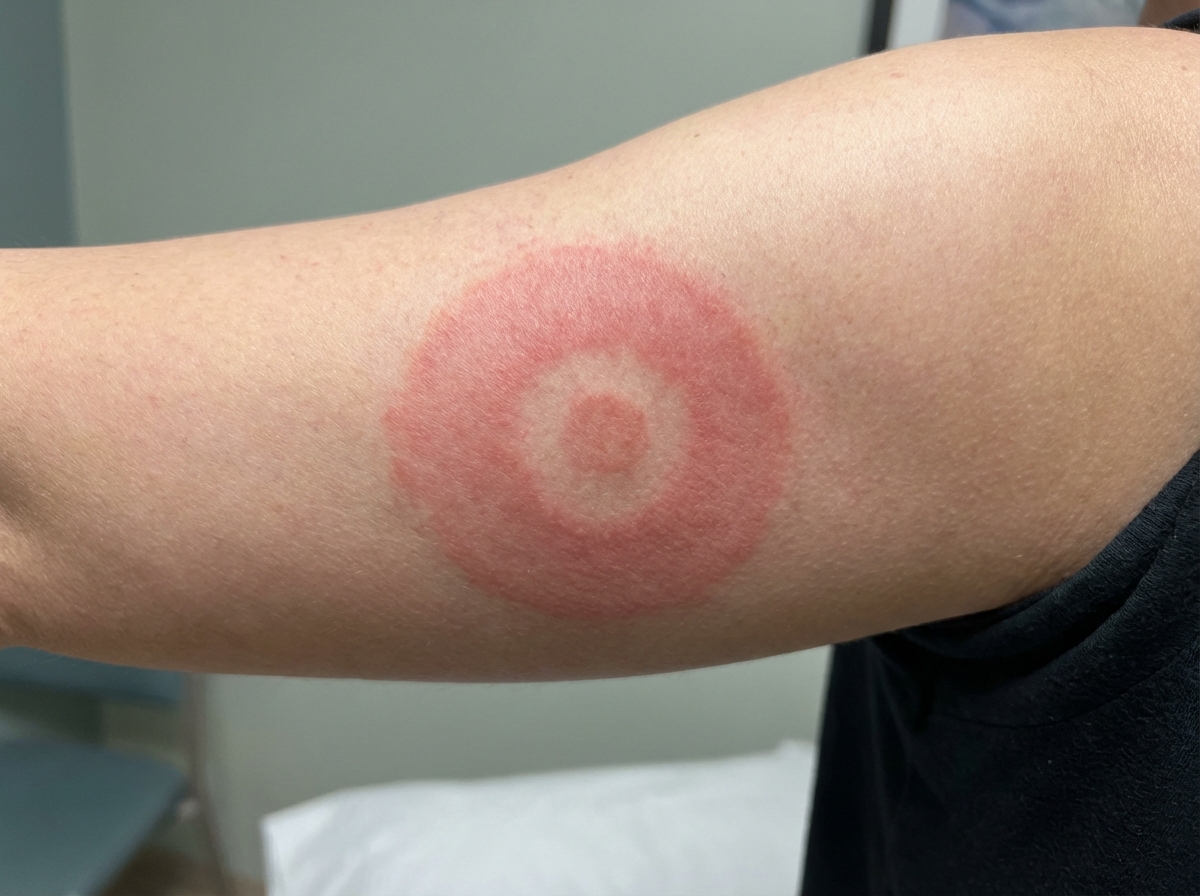
A 28-year-old man presents with fever, chills, and malaise which began 5 days ago. He also mentions that the back of his right upper arm feels itchy. He says he works as a forest guide and recently came back from a forest expedition. Upon asking, he reports that the forest where he works is infested with ticks. His temperature is 38.3°C (100.9°F), the pulse is 87/min, the respiratory rate is 15/min, and the blood pressure is 122/90 mm Hg. On physical examination, there is a rash present on the posterior aspect of his upper right arm which is shown in the image. Which of the following medications is the best course of treatment for this patient?
A 28-year-old man presents to the clinic complaining of chronic joint pain and fatigue for the past 2 months. The patient states that he usually has pain in one of his joints that resolve but then seems to move to another joint. The patient notes no history of trauma but states that he has experienced some subjective fevers over that time. He works as a logger and notes that he's heard that people have also had these symptoms in the past, but that he does not know anyone who is currently experiencing them. What is the most likely etiologic agent of this patient's disease?
A 29-year-old woman presents with a skin rash that has spread on her arm over the last few days. She also complains of fever, headache, joint pain, and stiffness of the neck associated with the onset of the rash. On physical examination, there is an annular, red rash with a clear area in the center similar to a bull’s-eye (see image). The patient says she went on a camping trip to Connecticut last month but does not remember being bitten by an insect. Which of the following could result if this condition remains untreated in this patient?
A 29-year-old man comes to the physician because of a 3-day history of a swollen right knee. Over the past several weeks, he has had similar episodes affecting the right knee and sometimes also the left elbow, in which the swelling lasted an average of 5 days. He has a history of a rash that subsided 2 months ago. He lives in Connecticut with his wife and works as a landscaper. His temperature is 37.8°C (100°F), pulse is 90/min, respirations are 12/min, and blood pressure is 110/75 mm Hg. Physical examination shows a tender and warm right knee; range of motion is limited by pain. The remainder of the examination shows no abnormalities. His hematocrit is 44%, leukocyte count is 10,300/mm3, and platelet count is 145,000/mm3. Serum electrolyte concentrations are within normal limits. Arthrocentesis is performed and the synovial fluid is cloudy. Gram stain is negative. Analysis of the synovial fluid shows a leukocyte count of 70,000/mm3 and 80% neutrophils. Serologic testing confirms the diagnosis. Which of the following is the most likely cause?
A 24-year-old female comes to the physician because of flu-like symptoms and a new rash for 2 days. She denies contacts with sick individuals or recent travel abroad, but recently went camping in Vermont. Vital signs are within normal limits. Examination of the lateral right thigh shows a circular red ring with central clearing. Which of the following is the natural reservoir of the pathogen responsible for this patient's symptoms?
Blood cultures are sent to the laboratory and empiric treatment with intravenous vancomycin is started. Blood cultures grow gram-negative bacilli identified as Cardiobacterium hominis. Which of the following is the most appropriate next step in management?
Want unlimited practice?
Get full access to all questions, explanations, and performance tracking.
Scan to download app