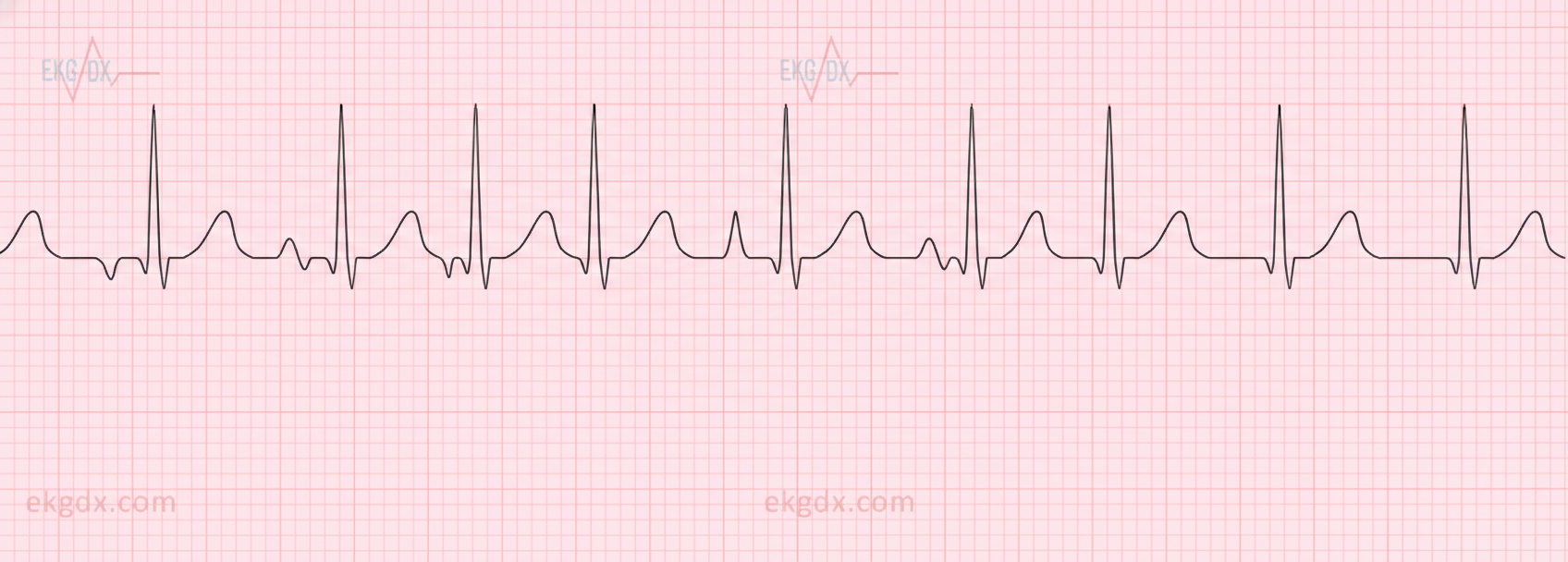
A 62-year-old man with a 5-year history of chronic obstructive pulmonary disease comes to the physician for a follow-up examination. He has had episodic palpitations over the past week. His only medication is a tiotropium-formoterol inhaler. His pulse is 140/min and irregular, respirations are 17/min, and blood pressure is 116/70 mm Hg. Pulse oximetry on room air shows an oxygen saturation of 95%. The lungs are clear to auscultation. Cardiac examination shows no murmurs, rubs, or gallops. Serum concentrations of electrolytes, thyroid-stimulating hormone, and cardiac troponins are within the reference range. An electrocardiogram is shown. Which of the following is the most appropriate next step in management?
Q22
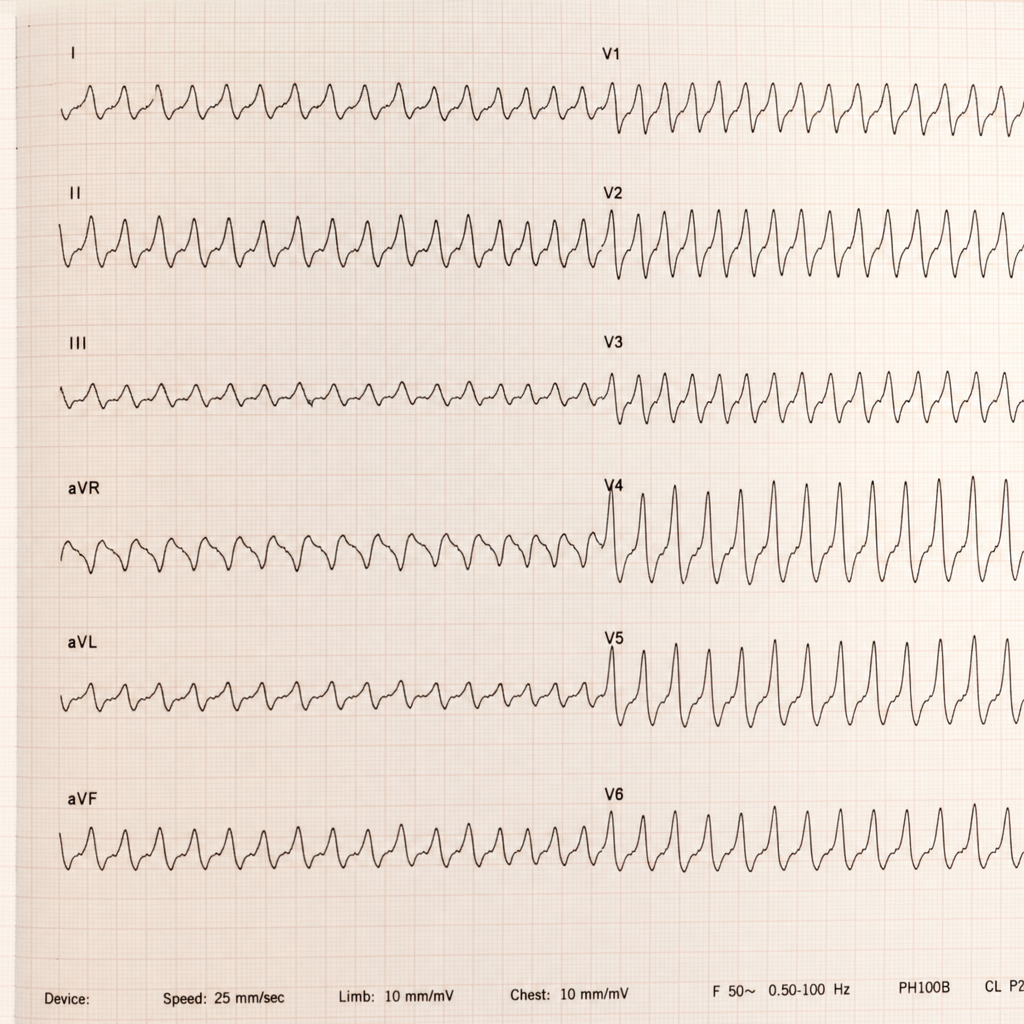
A previously healthy 33-year-old woman comes to the emergency department because she could feel her heart racing intermittently for the last 2 hours. Each episode lasts about 10 minutes. She does not have any chest pain. Her mother died of a heart attack and her father had an angioplasty 3 years ago. She has smoked a half pack of cigarettes daily for 14 years. She drinks one to two beers daily. She appears anxious. Her temperature is 37.6°C (98.1°F), pulse is 160/min, and blood pressure is 104/76 mm Hg. The lungs are clear to auscultation. Cardiac examination shows no murmurs, rubs, or gallops. An ECG is shown. Which of the following is the most appropriate initial step in management?
Q23
A 68-year-old woman is brought to the emergency department by her husband because of acute confusion and sudden weakness of her left leg that lasted for about 30 minutes. One hour prior to admission, she was unable to understand words and had slurred speech for about 15 minutes. She has type 2 diabetes mellitus and hypertension. She has smoked 1 pack of cigarettes daily for 30 years. Current medications include metformin and hydrochlorothiazide. Her pulse is 110/min and irregular; blood pressure is 135/84 mmHg. Examination shows cold extremities. There is a mild bruit heard above the left carotid artery. Cardiac examination shows a grade 2/6 late systolic ejection murmur that begins with a midsystolic click. Neurological and mental status examinations show no abnormalities. An ECG shows irregularly spaced QRS complexes with no discernible P waves. Doppler ultrasonography shows mild left carotid artery stenosis. A CT scan and diffusion-weighted MRI of the brain show no abnormalities. Which of the following treatments is most likely to prevent future episodes of neurologic dysfunction in this patient?
Q24
A 32-year-old woman is hospitalized after developing an allergic reaction to the contrast medium used for a cerebral angiography. The study was initially ordered as part of the diagnostic approach of a suspected case of pseudotumor cerebri. Her medical history is unremarkable. On physical examination she has stable vital signs, a diffuse maculopapular rash over her neck and chest, and a mild fever. She is started on hydrocortisone and monitored for the next 8 hours. After the monitoring period, a laboratory test shows significant azotemia. The patient complains of generalized weakness and palpitations. Tall-peaked T waves are observed on ECG. Which of the following explains this clinical manifestation?
Q25
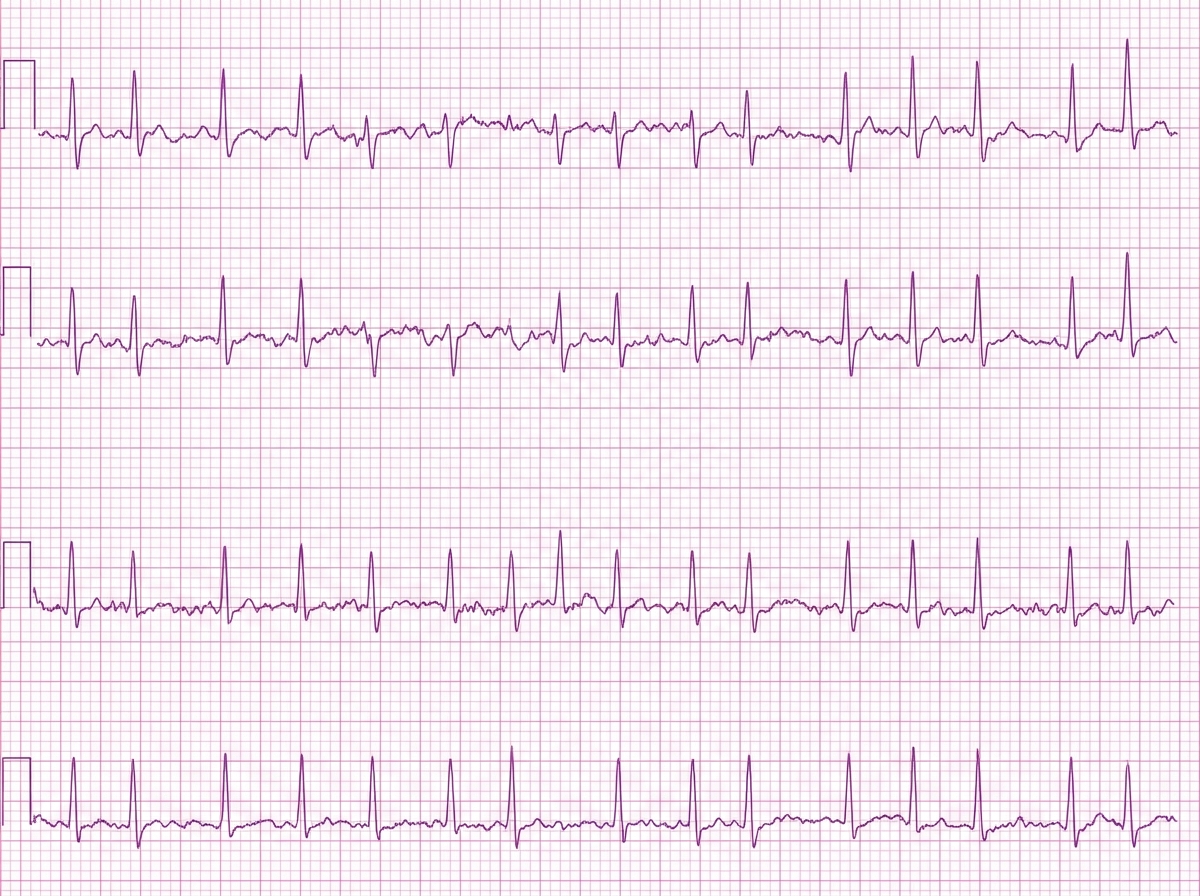
A 42-year-old woman comes to the physician because of a 5-day history of intermittent palpitations. She has no history of syncope or chest pain. She had similar symptoms 1 year ago and following workup has been treated with daily flecainide since then. She drinks one to two glasses of wine on the weekends. She does not smoke. Her pulse is 71/min and her blood pressure is 134/72 mm Hg. A complete blood count shows no abnormalities. Serum creatinine, electrolytes, and TSH are within normal limits. An ECG is shown. Ablation near which of the following sites would be most appropriate for long-term management of this patient's condition?
Q26
A 54-year-old woman comes to the emergency department because of two episodes of bright red blood per rectum within the past day. She has a history of migraine, which is treated prophylactically with verapamil. She appears well and is hemodynamically stable. Cardiac exam reveals a regular heart rate without any murmurs or gallops. Lungs are clear to auscultation. Her abdomen is mildly tender without rebound or guarding. Digital rectal examination shows fresh blood on the glove. Laboratory studies show:
Hemoglobin 10.4 g/dL
Leukocyte count 5,000/mm3
Platelet count 175,000/mm3
Partial thromboplastin time 35 seconds
Serum
Na+ 140 mEq/L
K+ 3.7 mEq/L
Cl- 101 mEq/L
HCO3- 25 mEq/L
Mg2+ 1.8 mEq/L
A routine ECG shows a heart rate of 75/min, a normal axis, PR interval of 280 ms, QRS interval of 80 ms with a QRS complex following each p wave, and no evidence of ischemic changes. Which of the following is the most appropriate next step in management with respect to this patient's cardiovascular workup?
Q27
A 60-year-old male presents with palpitations. He reports drinking many glasses of wine over several hours at a family wedding the previous evening. An EKG reveals absent P waves and irregularly irregular rhythm. He does not take any medications. Which is most likely responsible for the patient’s symptoms?
Q28
A 66-year-old man presents to the emergency department with a 3-hour history of crushing chest pain radiating to the left shoulder and neck. Patient states that the pain began suddenly when he was taking a walk around the block and has not improved with rest. He also mentions difficulty breathing and prefers to sit leaning forward. He denies ever having similar symptoms before. Past medical history is significant for hypertension, diagnosed 10 years ago, and hyperlipidemia diagnosed 8 years ago. Current medications are atorvastatin. Patient is also prescribed hydrochlorothiazide as an antihypertensive but is not compliant because he says it makes him urinate too often.
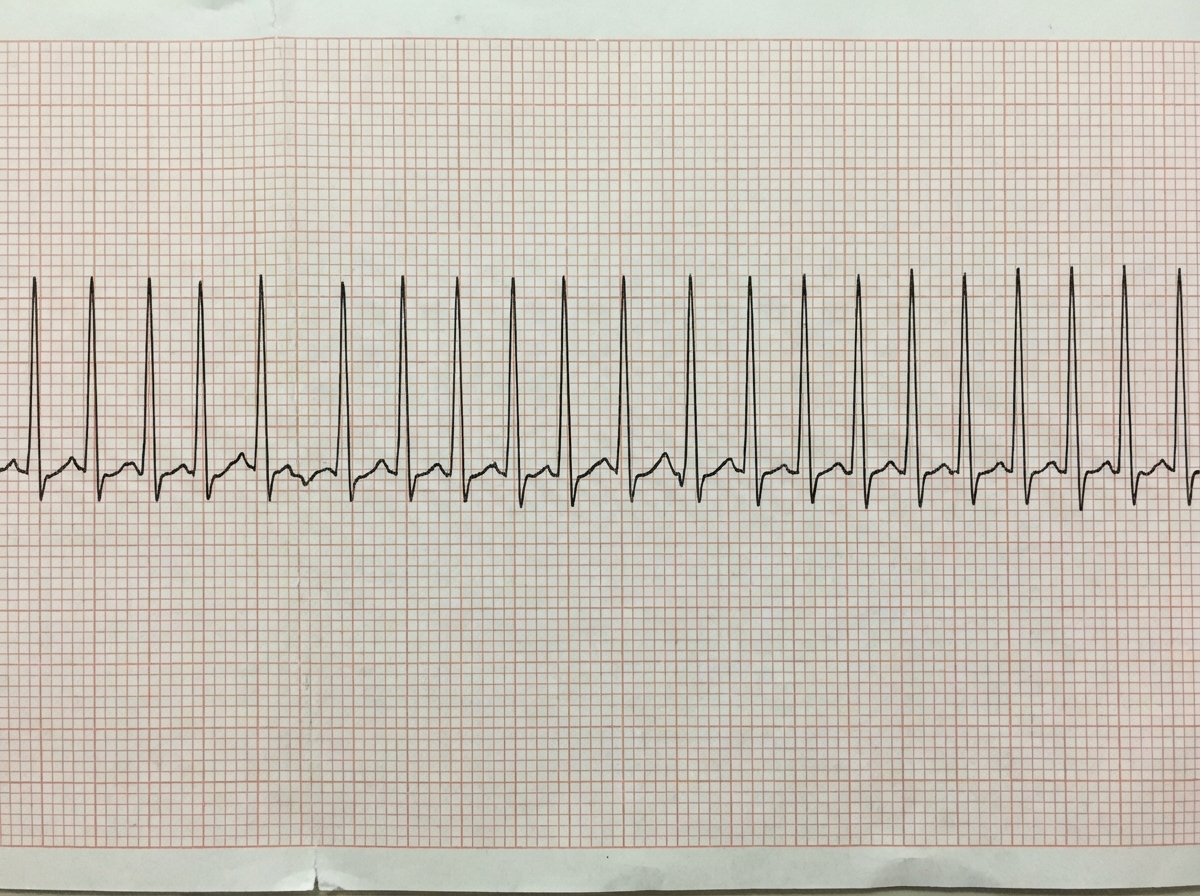
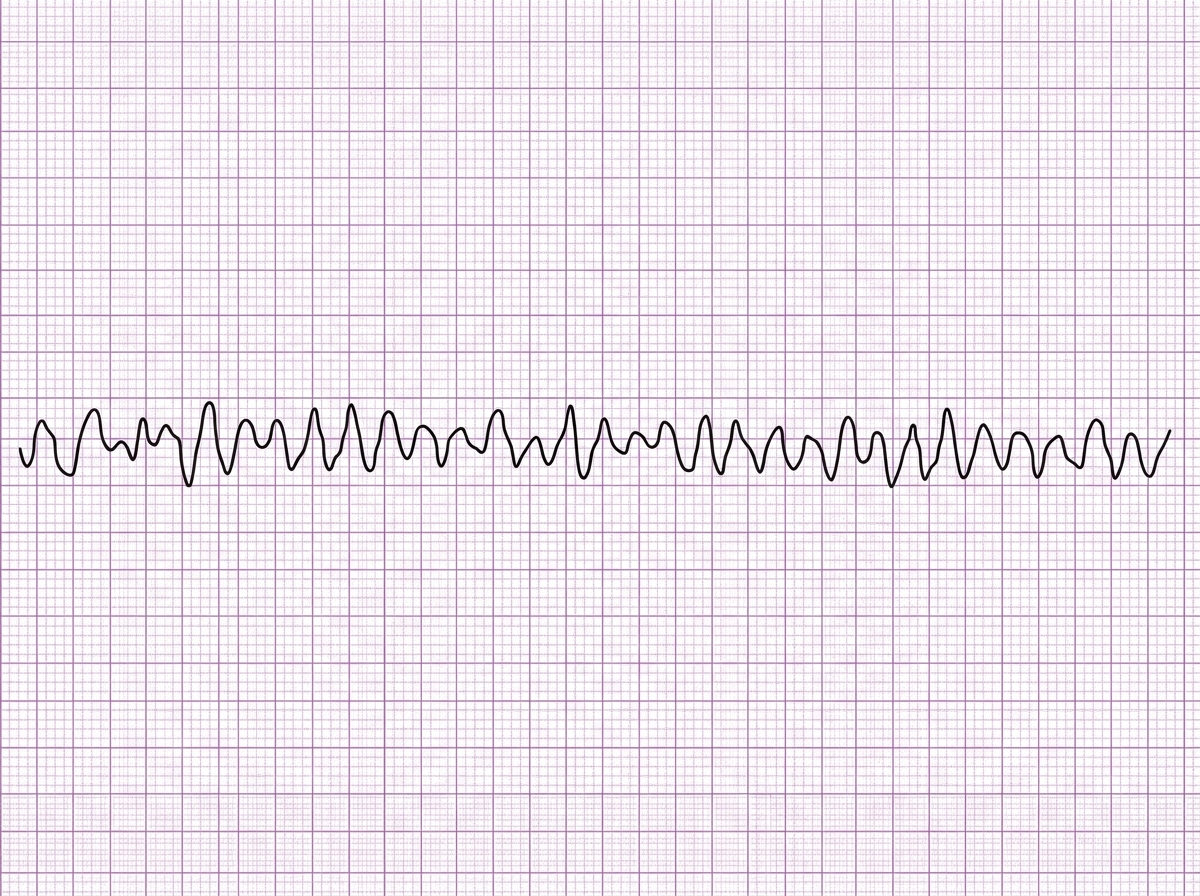
Vitals show a blood pressure of 152/90 mm Hg, pulse of 106/min, respirations of 22/min and oxygen saturation of 97% on room air. On physical exam, patient is profusely diaphoretic and hunched over in distress. Cardiac exam is unremarkable and lungs are clear to auscultation. During your examination, the patient suddenly becomes unresponsive and a pulse cannot be palpated. A stat ECG shows the following (see image). Which of the following is the next best step in management?
Q29
A 32-year-old man is brought to the emergency department after a car accident; he was extricated after 4 hours. He did not lose consciousness and does not have headache or nausea. He is in severe pain. He sustained severe injuries to both arms and the trauma team determines that surgical intervention is needed. Urinary catheterization shows dark colored urine. His temperature is 38°C (100.4°F), pulse is 110/min, and blood pressure is 90/60 mm Hg. The patient is alert and oriented. Examination shows multiple injuries to the upper extremities, contusions on the trunk, and abdominal tenderness. Laboratory studies show:
Hemoglobin 9.2 g/dL
Leukocyte count 10,900/mm3
Platelet count 310,000/mm3
Serum
Na+ 137 mEq/L
K+ 6.8 mEq/L
Cl- 97 mEq/L
Glucose 168 mg/dL
Creatinine 1.7 mg/dL
Calcium 7.7 mg/dL
Arterial blood gas analysis on room air shows a pH of 7.30 and a serum bicarbonate of 14 mEq/L. An ECG shows peaked T waves. A FAST scan of the abdomen is negative. Two large bore cannulas are inserted and intravenous fluids are administered. Which of the following is the most appropriate next step in management?
Q30
A 31-year-old nurse presents to the emergency department with palpitations, sweating, and jitteriness. She denies chest pain, shortness of breath, and recent illness. She states that she experienced weakness in her arms and legs and a tingling sensation in her fingers before the palpitations occurred. Medical and surgical history is unremarkable. Her mother has Grave’s disease. The patient has been seen in the ED multiple times for similar symptoms and was discharged after appropriate medical management. Today, her temperature is 37°C (98.6°F), blood pressure is 128/84 mm Hg, pulse is 102/min and regular, and respirations are 10/min. On examination, the patient appears diaphoretic and anxious. Her pupils are dilated to 5 mm. The rest of the examination is normal. Urine toxicology and B-HCG are pending. Which of the following is the next best step in management?
Arrhythmias US Medical PG Practice Questions and MCQs
Question 21: A 62-year-old man with a 5-year history of chronic obstructive pulmonary disease comes to the physician for a follow-up examination. He has had episodic palpitations over the past week. His only medication is a tiotropium-formoterol inhaler. His pulse is 140/min and irregular, respirations are 17/min, and blood pressure is 116/70 mm Hg. Pulse oximetry on room air shows an oxygen saturation of 95%. The lungs are clear to auscultation. Cardiac examination shows no murmurs, rubs, or gallops. Serum concentrations of electrolytes, thyroid-stimulating hormone, and cardiac troponins are within the reference range. An electrocardiogram is shown. Which of the following is the most appropriate next step in management?
A. Procainamide therapy
B. Radiofrequency ablation
C. Synchronized cardioversion
D. Propranolol therapy
E. Verapamil therapy (Correct Answer)
Explanation: ***Verapamil therapy***
- The ECG shows **multifocal atrial tachycardia (MAT)**, characterized by at least three different P-wave morphologies, irregular PP/PR/RR intervals, and an atrial rate >100/min. Given the patient's COPD and stable hemodynamics, **verapamil** (a non-dihydropyridine calcium channel blocker) is the preferred treatment to control the ventricular rate.
- Verapamil is effective in slowing AV nodal conduction and can help re-establish a regular rhythm in patients with MAT, especially those with underlying pulmonary disease where beta-blockers may be relatively contraindicated.
*Procainamide therapy*
- **Procainamide**, a Class Ia antiarrhythmic, is typically used for ventricular arrhythmias or re-entrant supraventricular tachycardias, not usually as first-line for MAT.
- It carries risks of proarrhythmia and hypotension, which are less desirable in a patient with stable MAT.
*Radiofrequency ablation*
- **Radiofrequency ablation** is a definitive treatment for refractory arrhythmias but is generally reserved for patients whose MAT is symptomatic and resistant to pharmacological therapy.
- It is an invasive procedure and not the initial management choice for a stable patient with MAT.
*Synchronized cardioversion*
- **Synchronized cardioversion** is indicated for unstable tachyarrhythmias causing hemodynamic compromise (e.g., hypotension, altered mental status, acute heart failure, ischemic chest pain).
- This patient is hemodynamically stable (BP 116/70, clear lungs, normal oxygen saturation), so cardioversion is not immediately necessary.
*Propranolol therapy*
- **Propranolol**, a non-selective beta-blocker, could be effective for rate control in MAT. However, in a patient with **COPD**, non-selective beta-blockers can worsen bronchoconstriction and are generally avoided.
- While cardioselective beta-blockers (e.g., metoprolol) might be considered, **calcium channel blockers** like verapamil are often preferred in MAT with concurrent pulmonary disease due to less risk of bronchospasm.
Question 22: A previously healthy 33-year-old woman comes to the emergency department because she could feel her heart racing intermittently for the last 2 hours. Each episode lasts about 10 minutes. She does not have any chest pain. Her mother died of a heart attack and her father had an angioplasty 3 years ago. She has smoked a half pack of cigarettes daily for 14 years. She drinks one to two beers daily. She appears anxious. Her temperature is 37.6°C (98.1°F), pulse is 160/min, and blood pressure is 104/76 mm Hg. The lungs are clear to auscultation. Cardiac examination shows no murmurs, rubs, or gallops. An ECG is shown. Which of the following is the most appropriate initial step in management?
A. Intravenous adenosine
B. Aspirin
C. Intravenous procainamide
D. Vagal maneuvers (Correct Answer)
E. Coronary angioplasty
Explanation: ***Vagal maneuvers***
- The ECG shows a **narrow complex tachycardia** at a rate of 160/min. Given the patient's stable hemodynamics (BP 104/76 mm Hg), **vagal maneuvers** are the most appropriate initial step to attempt to terminate the re-entrant rhythm, such as Valsalva maneuver or carotid sinus massage.
- Vagal maneuvers increase **parasympathetic tone** to the heart, which can slow conduction through the AV node and potentially break the re-entrant circuit causing the supraventricular tachycardia (SVT).
*Intravenous adenosine*
- **Adenosine** is a treatment for **narrow complex tachycardia** if vagal maneuvers fail, but it is not the *initial* step in a hemodynamically stable patient.
- It works by transiently blocking the **AV node**, interrupting re-entrant pathways.
*Intravenous procainamide*
- **Procainamide** is an antiarrhythmic typically used for **wide complex tachycardia** or for narrow complex tachycardias that are refractory to vagal maneuvers and adenosine, or when there is evidence of pre-excitation.
- It is not the first-line treatment for a stable **narrow complex tachycardia**.
*Aspirin*
- **Aspirin** is an **antiplatelet agent** used in the management of acute coronary syndromes or for cardiovascular disease prevention.
- It has no role in the immediate termination of a **tachyarrhythmia** like the one presented.
*Coronary angioplasty*
- **Coronary angioplasty** is a procedure used to open blocked or narrowed coronary arteries, usually for **acute coronary syndromes** or chronic stable angina.
- The patient presents with a **tachyarrhythmia** and no signs of acute ischemia (no chest pain, although risk factors are present), making angioplasty an inappropriate initial management step.
Question 23: A 68-year-old woman is brought to the emergency department by her husband because of acute confusion and sudden weakness of her left leg that lasted for about 30 minutes. One hour prior to admission, she was unable to understand words and had slurred speech for about 15 minutes. She has type 2 diabetes mellitus and hypertension. She has smoked 1 pack of cigarettes daily for 30 years. Current medications include metformin and hydrochlorothiazide. Her pulse is 110/min and irregular; blood pressure is 135/84 mmHg. Examination shows cold extremities. There is a mild bruit heard above the left carotid artery. Cardiac examination shows a grade 2/6 late systolic ejection murmur that begins with a midsystolic click. Neurological and mental status examinations show no abnormalities. An ECG shows irregularly spaced QRS complexes with no discernible P waves. Doppler ultrasonography shows mild left carotid artery stenosis. A CT scan and diffusion-weighted MRI of the brain show no abnormalities. Which of the following treatments is most likely to prevent future episodes of neurologic dysfunction in this patient?
A. Warfarin (Correct Answer)
B. Enalapril
C. Alteplase
D. Aspirin
E. Mitral valve replacement
Explanation: ***Warfarin***
- The patient experienced a **transient ischemic attack (TIA)** due to **atrial fibrillation** as indicated by the irregular pulse and ECG findings of irregularly spaced QRS complexes with no discernible P waves. Atrial fibrillation significantly increases the risk of stroke due to thrombus formation in the atria.
- **Warfarin**, or other oral anticoagulants (e.g., direct oral anticoagulants), is crucial for preventing future embolic events by reducing the risk of clot formation in the heart.
- The patient has a high CHADS₂-VASc score (age ≥65, hypertension, diabetes, prior TIA), making anticoagulation the standard of care.
*Mitral valve replacement*
- The patient has a grade 2/6 late systolic murmur with a midsystolic click, which is classic for **mitral valve prolapse (MVP)**. While MVP can rarely be associated with embolic events, it is typically benign and does not require surgical intervention unless there is severe mitral regurgitation with heart failure symptoms.
- The primary cause of this patient's neurologic dysfunction is **atrial fibrillation**, not structural valve disease. There are no clinical signs of severe mitral regurgitation (pulmonary edema, severe heart failure) that would warrant valve replacement.
- Anticoagulation for atrial fibrillation addresses the root cause of the embolic risk.
*Enalapril*
- Enalapril is an **ACE inhibitor** used to treat hypertension and heart failure. While managing hypertension is important for stroke prevention, it does not address the underlying thrombogenic risk from atrial fibrillation.
- Although blood pressure control is part of comprehensive stroke prevention, her transient neurological events are cardioembolic, making anticoagulation the priority for primary prevention.
*Alteplase*
- **Alteplase** (tissue plasminogen activator) is a thrombolytic agent used to treat acute ischemic stroke, typically administered within a narrow time window after symptom onset. This patient's symptoms were transient and resolved (TIA), and she is currently asymptomatic with no acute stroke on imaging.
- Administering alteplase to a patient post-TIA with no active stroke would be inappropriate and potentially harmful due to the risk of bleeding.
- Alteplase treats acute strokes; it does not prevent future events.
*Aspirin*
- **Aspirin** is an antiplatelet agent used for secondary stroke prevention in patients with atherosclerotic disease or non-cardioembolic TIAs. However, for cardioembolic events due to atrial fibrillation, aspirin alone is insufficient.
- Patients with atrial fibrillation require **anticoagulation (e.g., warfarin or DOACs)**, which is significantly more effective than antiplatelet therapy in preventing stroke from atrial fibrillation.
- The mild carotid stenosis noted is not severe enough to be the primary cause of her symptoms.
Question 24: A 32-year-old woman is hospitalized after developing an allergic reaction to the contrast medium used for a cerebral angiography. The study was initially ordered as part of the diagnostic approach of a suspected case of pseudotumor cerebri. Her medical history is unremarkable. On physical examination she has stable vital signs, a diffuse maculopapular rash over her neck and chest, and a mild fever. She is started on hydrocortisone and monitored for the next 8 hours. After the monitoring period, a laboratory test shows significant azotemia. The patient complains of generalized weakness and palpitations. Tall-peaked T waves are observed on ECG. Which of the following explains this clinical manifestation?
A. Anemia
B. Platelet dysfunction
C. Uremic pericarditis
D. Metabolic acidosis
E. Hyperkalemia (Correct Answer)
Explanation: ***Hyperkalemia***
- The combination of **significant azotemia** (indicating acute kidney injury), **generalized weakness**, and **peaked T waves on ECG** are classic signs of hyperkalemia.
- The allergic reaction and subsequent treatment may have exacerbated kidney dysfunction, leading to impaired potassium excretion and subsequent elevated serum potassium levels.
*Anemia*
- While anemia can cause weakness and palpitations, it does not typically manifest with **peaked T waves** on ECG or directly explain the presence of **azotemia**.
- Anemia is common in chronic kidney disease but is not the primary cause of acute symptoms and ECG changes described here.
*Platelet dysfunction*
- Uremia can lead to **platelet dysfunction**, causing bleeding tendencies, but it does not account for the **generalized weakness**, **azotemia**, or the characteristic **peaked T waves** on ECG.
- Platelet dysfunction is typically associated with bruising or prolonged bleeding, not the cardiovascular and neurological symptoms observed.
*Uremic pericarditis*
- **Uremic pericarditis** can cause chest pain, a friction rub, and sometimes palpitations, but it does not directly explain the **peaked T waves** or generalized weakness in the context of acute azotemia.
- The primary symptoms of pericarditis are often related to inflammation of the pericardium rather than electrolyte imbalances.
*Metabolic acidosis*
- **Metabolic acidosis** is common in acute kidney injury and can contribute to weakness and dyspnea, but it does not directly cause **peaked T waves** on ECG.
- While clinically important, acidosis itself doesn't explain the specific ECG findings, which are more indicative of hyperkalemia.
Question 25: A 42-year-old woman comes to the physician because of a 5-day history of intermittent palpitations. She has no history of syncope or chest pain. She had similar symptoms 1 year ago and following workup has been treated with daily flecainide since then. She drinks one to two glasses of wine on the weekends. She does not smoke. Her pulse is 71/min and her blood pressure is 134/72 mm Hg. A complete blood count shows no abnormalities. Serum creatinine, electrolytes, and TSH are within normal limits. An ECG is shown. Ablation near which of the following sites would be most appropriate for long-term management of this patient's condition?
A. Atrioventricular node
B. Basal interventricular septum
C. Cavotricuspid isthmus
D. Bundle of Kent
E. Pulmonary vein openings (Correct Answer)
Explanation: ***Pulmonary vein openings***
- The ECG shows **atrial fibrillation (AF)**, characterized by an **irregularly irregular rhythm** and **absent P waves**.
- The most common cause of **paroxysmal AF** is ectopic foci originating from the **pulmonary veins**, making ablation in this area the most appropriate long-term management.
*Atrioventricular node*
- **AV node ablation** is typically reserved for patients with uncontrolled ventricular rates in AF despite medical therapy, often requiring a **pacemaker** afterward.
- It would not prevent recurrences of AF itself, as the primary source of the arrhythmia is not the AV node.
*Basal interventricular septum*
- Ablation in the **basal interventricular septum** is primarily performed for arrhythmias originating from the **His bundle** or nearby ventricular foci, such as **idiopathic ventricular tachycardia**.
- It is not a common target for AF ablation.
*Cavotricuspid isthmus*
- The **cavotricuspid isthmus (CTI)** is the classic ablation target for **atrial flutter**, a re-entrant arrhythmia in the right atrium.
- While AF and flutter can coexist, the ECG findings here are classic for AF, not typical atrial flutter.
*Bundle of Kent*
- The **bundle of Kent** is an **accessory pathway** responsible for **Wolff-Parkinson-White (WPW) syndrome**, which causes pre-excitation.
- The ECG provided does not show characteristic delta waves or a short PR interval, ruling out WPW as the primary diagnosis.
Question 26: A 54-year-old woman comes to the emergency department because of two episodes of bright red blood per rectum within the past day. She has a history of migraine, which is treated prophylactically with verapamil. She appears well and is hemodynamically stable. Cardiac exam reveals a regular heart rate without any murmurs or gallops. Lungs are clear to auscultation. Her abdomen is mildly tender without rebound or guarding. Digital rectal examination shows fresh blood on the glove. Laboratory studies show:
Hemoglobin 10.4 g/dL
Leukocyte count 5,000/mm3
Platelet count 175,000/mm3
Partial thromboplastin time 35 seconds
Serum
Na+ 140 mEq/L
K+ 3.7 mEq/L
Cl- 101 mEq/L
HCO3- 25 mEq/L
Mg2+ 1.8 mEq/L
A routine ECG shows a heart rate of 75/min, a normal axis, PR interval of 280 ms, QRS interval of 80 ms with a QRS complex following each p wave, and no evidence of ischemic changes. Which of the following is the most appropriate next step in management with respect to this patient's cardiovascular workup?
A. Observation (Correct Answer)
B. Atropine therapy
C. Synchronized cardioversion
D. Metoprolol therapy
E. Pacemaker placement
Explanation: ***Observation***
- The patient is currently **hemodynamically stable** despite the prolonged PR interval, indicating that the **first-degree AV block** is not causing immediate compromise.
- Continuation of **verapamil** (a calcium channel blocker) for migraine prophylaxis is the likely cause of the prolonged PR interval; however, in the absence of symptoms attributable to the AV block, observation is appropriate.
*Atropine therapy*
- **Atropine** is used to increase heart rate in **symptomatic bradycardia** or higher-degree AV blocks (second or third-degree) if the patient is unstable.
- This patient is **hemodynamically stable** with a heart rate of 75/min and has only a first-degree AV block, making atropine unnecessary.
*Synchronized cardioversion*
- **Synchronized cardioversion** is reserved for **unstable tachyarrhythmias** or some unstable bradyarrhythmias not responsive to chemical therapy.
- The patient's heart rate is 75/min, and she has **no evidence of an arrhythmia** requiring cardioversion; her prolonged PR interval is a conduction delay, not an arrhythmia.
*Metoprolol therapy*
- **Metoprolol** is a beta-blocker that would **further slow AV nodal conduction** and could potentially worsen the first-degree AV block or precipitate a higher-degree block.
- It is contraindicated as a treatment for AV block and would exacerbate the underlying issue caused by verapamil.
*Pacemaker placement*
- **Pacemaker placement** is considered for **symptomatic second-degree or third-degree AV block**, or in some cases of first-degree AV block if it progresses to a higher degree and causes severe symptoms.
- This patient has a **first-degree AV block** and is **asymptomatic** and **hemodynamically stable**, thus a pacemaker is not indicated at this time.
Question 27: A 60-year-old male presents with palpitations. He reports drinking many glasses of wine over several hours at a family wedding the previous evening. An EKG reveals absent P waves and irregularly irregular rhythm. He does not take any medications. Which is most likely responsible for the patient’s symptoms?
A. Transmural myocardial infarction
B. Untreated hypertension
C. Ventricular hypertrophy
D. Torsades de pointes
E. Atrial fibrillation (Correct Answer)
Explanation: ***Atrial fibrillation***
- The EKG findings of **absent P waves** and an **irregularly irregular rhythm** are pathognomonic for **atrial fibrillation**.
- The history of heavy alcohol consumption, known as "holiday heart syndrome," is a common trigger for paroxysmal atrial fibrillation.
*Transmural myocardial infarction*
- A myocardial infarction (heart attack) would typically present with **chest pain**, shortness of breath, and EKG changes such as ST-segment elevation or Q waves.
- While palpitations can occur, the characteristic EKG trace described is not consistent with a transmural MI.
*Untreated hypertension*
- Chronic untreated hypertension can lead to cardiac remodeling and increase the risk of arrhythmias, including atrial fibrillation, but it doesn't directly cause absent P waves and an irregularly irregular rhythm on its own; it's a risk factor rather than the direct cause of the immediate EKG findings.
- The presenting symptoms are specifically palpitation, not necessarily those of hypertensive crisis or end-organ damage from chronic hypertension.
*Ventricular hypertrophy*
- Ventricular hypertrophy, often caused by untreated hypertension, is a structural change in the heart, not an arrhythmia itself.
- While hypertrophy can predispose to arrhythmias, it wouldn't directly manifest as absent P waves and an irregularly irregular rhythm on EKG.
*Torsades de pointes*
- Torsades de pointes is a polymorphic ventricular tachycardia characterized by a **prolonged QT interval** and QRS complexes that appear to twist around the baseline.
- The EKG description of absent P waves and irregularly irregular rhythm is not consistent with Torsades de pointes.
Question 28: A 66-year-old man presents to the emergency department with a 3-hour history of crushing chest pain radiating to the left shoulder and neck. Patient states that the pain began suddenly when he was taking a walk around the block and has not improved with rest. He also mentions difficulty breathing and prefers to sit leaning forward. He denies ever having similar symptoms before. Past medical history is significant for hypertension, diagnosed 10 years ago, and hyperlipidemia diagnosed 8 years ago. Current medications are atorvastatin. Patient is also prescribed hydrochlorothiazide as an antihypertensive but is not compliant because he says it makes him urinate too often.
Vitals show a blood pressure of 152/90 mm Hg, pulse of 106/min, respirations of 22/min and oxygen saturation of 97% on room air. On physical exam, patient is profusely diaphoretic and hunched over in distress. Cardiac exam is unremarkable and lungs are clear to auscultation. During your examination, the patient suddenly becomes unresponsive and a pulse cannot be palpated. A stat ECG shows the following (see image). Which of the following is the next best step in management?
A. Synchronized cardioversion
B. Administer amiodarone
C. Urgent echocardiography
D. Administer epinephrine
E. Unsynchronized cardioversion (Correct Answer)
Explanation: ***Unsynchronized cardioversion***
- The ECG shows **ventricular fibrillation (VF)**, a chaotic electrical activity with no coordinated contractions, which leads to immediate cardiac arrest.
- In a patient who is unresponsive and pulseless with VF, **immediate unsynchronized defibrillation** (cardioversion) is the definitive treatment to restore a perfusing rhythm.
*Synchronized cardioversion*
- **Synchronized cardioversion** delivers an electrical shock timed to the QRS complex, used for unstable patients with a pulse and organized tachyarrhythmias (e.g., ventricular tachycardia with a pulse, atrial flutter, or atrial fibrillation).
- This patient is **pulseless** and in **ventricular fibrillation**, making synchronized cardioversion inappropriate and ineffective.
*Administer amiodarone*
- **Amiodarone** is an antiarrhythmic drug used in cardiac arrest protocols for **refractory VF/pulseless VT** after initial defibrillation attempts and epinephrine have failed.
- It is not the *initial* best step in a pulseless patient with VF, as electrical defibrillation is paramount.
*Urgent echocardiography*
- While an echocardiogram might be useful in identifying the underlying cause (e.g., myocardial infarction leading to VF), it is **not the immediate life-saving intervention** for a patient in cardiac arrest from VF.
- Delaying defibrillation for an echocardiogram would significantly worsen the patient's prognosis.
*Administer epinephrine*
- **Epinephrine** is a vasoconstrictor and cardiac stimulant used during **cardiac arrest**, typically given after the initial defibrillation attempt for VF/pulseless VT.
- It helps improve myocardial and cerebral blood flow but is **secondary to immediate defibrillation** in VF.
Question 29: A 32-year-old man is brought to the emergency department after a car accident; he was extricated after 4 hours. He did not lose consciousness and does not have headache or nausea. He is in severe pain. He sustained severe injuries to both arms and the trauma team determines that surgical intervention is needed. Urinary catheterization shows dark colored urine. His temperature is 38°C (100.4°F), pulse is 110/min, and blood pressure is 90/60 mm Hg. The patient is alert and oriented. Examination shows multiple injuries to the upper extremities, contusions on the trunk, and abdominal tenderness. Laboratory studies show:
Hemoglobin 9.2 g/dL
Leukocyte count 10,900/mm3
Platelet count 310,000/mm3
Serum
Na+ 137 mEq/L
K+ 6.8 mEq/L
Cl- 97 mEq/L
Glucose 168 mg/dL
Creatinine 1.7 mg/dL
Calcium 7.7 mg/dL
Arterial blood gas analysis on room air shows a pH of 7.30 and a serum bicarbonate of 14 mEq/L. An ECG shows peaked T waves. A FAST scan of the abdomen is negative. Two large bore cannulas are inserted and intravenous fluids are administered. Which of the following is the most appropriate next step in management?
A. Intravenous mannitol
B. Intravenous sodium bicarbonate
C. Packed red blood cell transfusion
D. Intravenous calcium gluconate (Correct Answer)
E. Intravenous insulin
Explanation: ***Intravenous calcium gluconate***
- The patient presents with severe **hyperkalemia** (K+ 6.8 mEq/L) and ECG changes (peaked T waves), indicating immediate cardiotoxicity risk. **Calcium gluconate** stabilizes the cardiac cell membranes, protecting the heart from the effects of high potassium.
- While other options address other issues, stabilizing the heart takes precedence in cases of extreme hyperkalemia with ECG changes.
*Intravenous mannitol*
- **Mannitol** is an osmotic diuretic used to reduce intracranial pressure or acute cerebral edema. The patient does not show signs or symptoms requiring this intervention (no consciousness loss, headache, or nausea).
- Its use here would not address the life-threatening hyperkalemia or cardiologic findings.
*Intravenous sodium bicarbonate*
- **Sodium bicarbonate** can help shift potassium intracellularly and correct metabolic acidosis, but its effect is slower and less reliable than calcium for immediate cardiac stabilization in severe hyperkalemia.
- The primary concern here is the acute cardiac risk, which calcium directly addresses.
*Packed red blood cell transfusion*
- The patient has a hemoglobin of 9.2 g/dL, indicating **anemia**, likely due to trauma. However, his blood pressure is 90/60 mm Hg despite intravenous fluids, suggesting ongoing hypovolemia or other shock.
- While addressing blood loss is important, the immediate life threat is the **cardiac instability due to hyperkalemia**, which must be managed first.
*Intravenous insulin*
- Insulin, often given with dextrose, helps shift potassium into cells. This is an effective treatment for hyperkalemia but does not provide immediate **cardiac membrane stabilization** like calcium gluconate.
- Given the peaked T waves, protecting the heart from arrhythmias is the most critical first step.
Question 30: A 31-year-old nurse presents to the emergency department with palpitations, sweating, and jitteriness. She denies chest pain, shortness of breath, and recent illness. She states that she experienced weakness in her arms and legs and a tingling sensation in her fingers before the palpitations occurred. Medical and surgical history is unremarkable. Her mother has Grave’s disease. The patient has been seen in the ED multiple times for similar symptoms and was discharged after appropriate medical management. Today, her temperature is 37°C (98.6°F), blood pressure is 128/84 mm Hg, pulse is 102/min and regular, and respirations are 10/min. On examination, the patient appears diaphoretic and anxious. Her pupils are dilated to 5 mm. The rest of the examination is normal. Urine toxicology and B-HCG are pending. Which of the following is the next best step in management?
A. Fingerstick blood glucose (Correct Answer)
B. D-dimer levels
C. Echocardiogram
D. TSH levels
E. Urine metanephrines
Explanation: ***Fingerstick blood glucose***
- In the emergency department, **point-of-care glucose testing** is a critical first step for any patient presenting with autonomic symptoms (palpitations, sweating, diaphoresis), altered mental status, or neurological complaints (weakness, tingling).
- **Hypoglycemia** is a life-threatening condition that can present with identical symptoms: palpitations, sweating, jitteriness, weakness, paresthesias, and altered mental status. It must be ruled out immediately as it requires urgent treatment.
- This test takes **seconds to perform** and provides immediate results that guide acute management, whereas other tests (TSH, D-dimer) take hours and do not address immediate life threats.
- The patient's recurrent ED visits with similar presentations that resolved with "appropriate medical management" suggest a functional or metabolic etiology rather than undiagnosed structural disease.
- **Standard ED protocol** dictates checking glucose in patients with these presentations before pursuing more extensive workups.
*TSH levels*
- While the family history of Grave's disease raises suspicion for hyperthyroidism, this is a **screening test for outpatient workup**, not an emergency intervention.
- **Hyperthyroidism** does not typically cause weakness and tingling as **preceding symptoms** before palpitations. The symptom progression described is more consistent with hyperventilation or panic attacks.
- **Thyroid storm** would present with fever (temperature >38.5°C), not the normal temperature of 37°C seen here.
- TSH results take hours to return and do not guide immediate ED management. After stabilizing the patient and ruling out acute emergencies, thyroid function testing may be appropriate for outpatient follow-up.
*D-dimer levels*
- **D-dimer** screens for thromboembolic disease such as pulmonary embolism, which typically presents with **chest pain, shortness of breath, and hypoxia**—all explicitly denied by this patient.
- The patient's presentation involves autonomic and neurological symptoms without cardiopulmonary complaints, making thromboembolism unlikely.
*Echocardiogram*
- An **echocardiogram** evaluates cardiac structure and function and would be indicated if there were concerns for structural heart disease, valvular abnormalities, or persistent arrhythmias.
- However, the patient has a **regular pulse** at 102/min (mild sinus tachycardia) without evidence of arrhythmia or hemodynamic instability.
- This is not the appropriate first diagnostic step for undifferentiated autonomic symptoms in the ED.
*Urine metanephrines*
- **Urine metanephrines** test for **pheochromocytoma**, a rare catecholamine-secreting tumor that causes paroxysmal hypertension, palpitations, and sweating.
- While pheochromocytoma is in the differential for recurrent autonomic episodes, it is **extremely rare** and would typically present with more severe hypertension during episodes.
- This is a **send-out test** taking days to result, not appropriate for immediate ED management. Point-of-care glucose testing takes precedence.