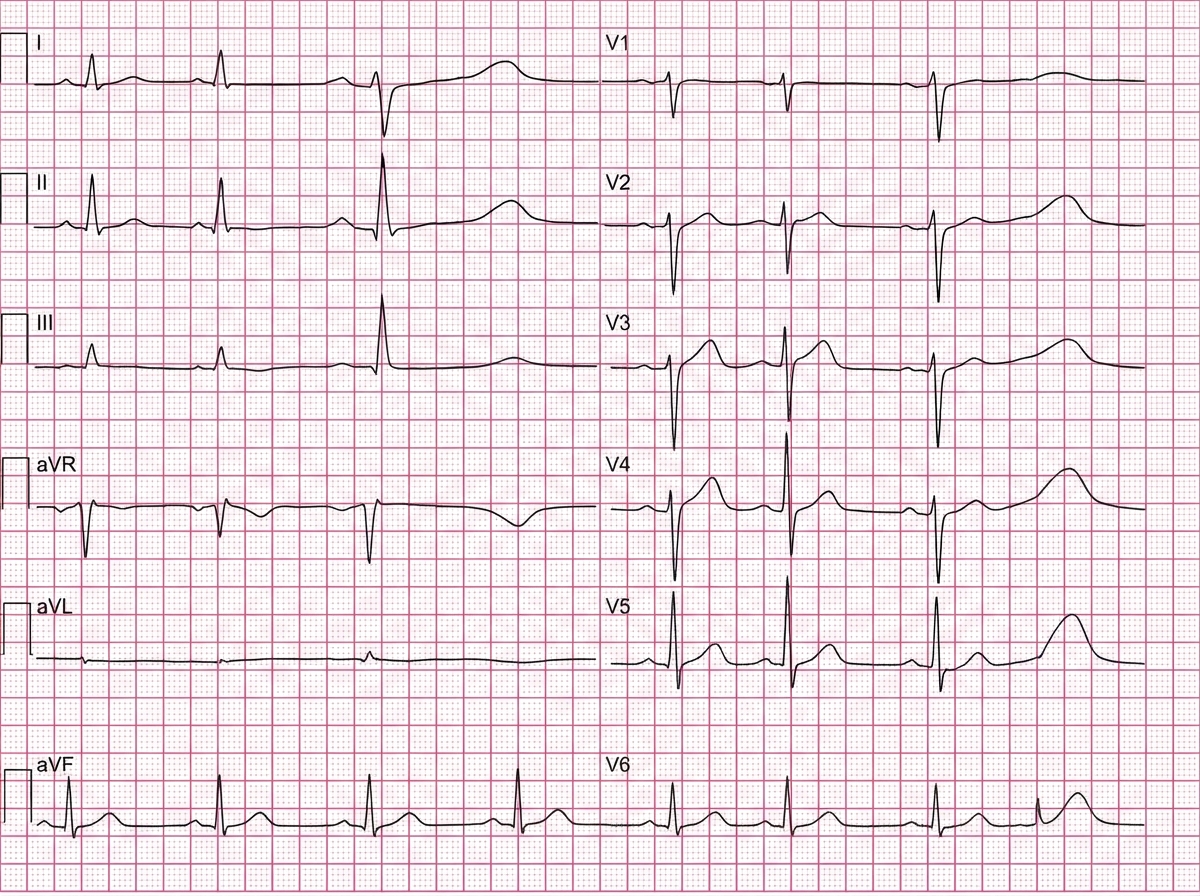
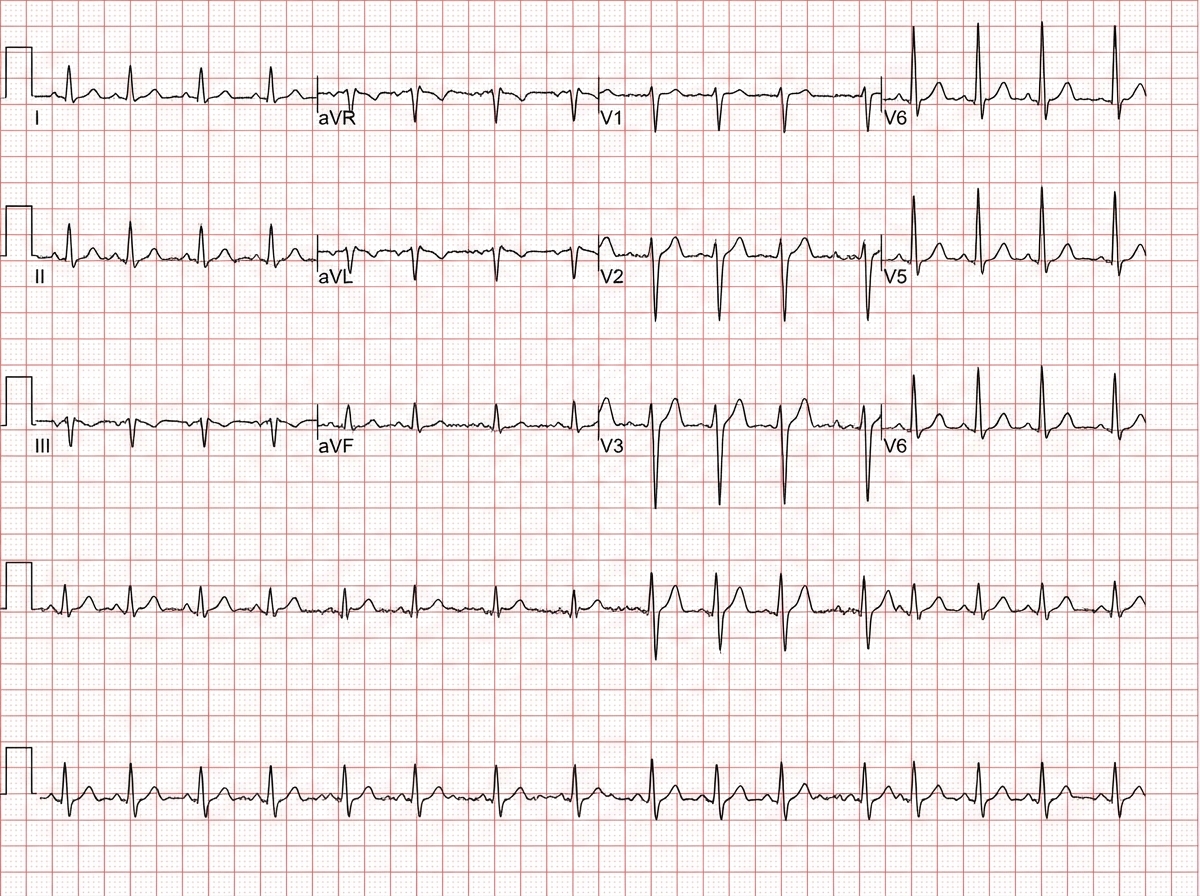
A patient with a history of hypertension presents with atrial fibrillation, shortness of breath, and bilateral basal crackles on auscultation. Which of the following would be the least important in the management of this patient?
A 52-year-old woman presents with decreased exercise tolerance and difficulty breathing on exertion and while sleeping at night. She says that she requires 2 pillows to sleep at night to alleviate her shortness of breath. These symptoms started 6 months ago and are gradually increasing in severity. She does not have any chronic health problems. She has smoked 15 cigarettes per day for the past 20 years and drinks alcohol occasionally. Vital signs include: blood pressure 110/70 mm Hg, temperature 36.7°C (98.0°F), and regular pulse 90/min. On physical examination, the first heart sound is loud, and there is a low pitched rumbling murmur best heard at the cardiac apex. This patient is at high risk of developing which of the following complications?
A 63-year-old woman is brought to the emergency department 1 hour after the onset of right-sided weakness. She was eating breakfast when suddenly she could not lift her spoon. She cried out to her husband but her speech was slurred. For the past 4 months, she has been more anxious than usual and felt fatigued. She used to exercise regularly but had to give up her exercise routine 3 months ago because of lightheadedness and shortness of breath with exertion. She has a history of hypertension. She is a tax accountant and has had increased stress at work recently. She takes lisinopril daily and alprazolam as needed. Her temperature is 37.2°C (99.0°F), pulse is 138/min, respirations are 14/min, and blood pressure is 146/86 mm Hg. Her lungs are clear to auscultation bilaterally and she has an S1 with variable intensity. On neurologic examination, she has a right facial droop and 2/5 strength in the right shoulder, elbow, wrist, and fingers. Sensation is diminished in the right face and arm. Further evaluation is most likely to show which of the following?
A 30-year-old man presents with progressive muscle weakness for the past 6 hours. He says he had significant bilateral ankle pain which onset shortly after completing a triathlon earlier in the day. Then, he says he awoke this morning with bilateral upper and lower extremity weakness, which has progressively worsened. He has no significant past medical history and takes no current medication. The vital signs include: temperature 37.0℃ (98.6℉), pulse 66/min, respiratory rate 21/min, and blood pressure 132/83 mm Hg. On physical examination, the patient has diffuse moderate to severe muscle pain on palpation. His strength is 5 out of 5, and deep tendon reflexes are 2+ in the upper and lower extremities bilaterally. Laboratory findings are significant for the following: Laboratory test Sodium 141 mEq/L Potassium 6.3 mEq/L Chloride 103 mEq/L Bicarbonate 25 mEq/L Blood urea nitrogen (BUN) 31 mg/dL Creatinine 6.1 mg/dL BUN/Creatinine 5.0 Glucose (fasting) 80 mg/dL Calcium 6.3 mg/dL Serum creatine kinase (CK) 90 mcg/L (ref: 10–120 mcg/L) Which of the following is the next best step in the management of this patient?
A 40-year-old man is brought to the emergency department 20 minutes after his wife found him unconscious on the bathroom floor. On arrival, he is conscious and alert. He remembers having palpitations and feeling lightheaded and short of breath before losing consciousness. He takes captopril for hypertension and glyburide for type 2 diabetes mellitus. His vitals are within normal limits. Physical examination shows no abnormalities. Random serum glucose concentration is 85 mg/dL. An ECG shows a short PR interval and a wide QRS complex with initial slurring. Transthoracic echocardiography reveals normal echocardiographic findings with normal left ventricular systolic function. Which of the following is the most likely underlying cause of this patient's findings?
A 23-year-old man comes to the physician because of a 1-year history of episodic shortness of breath. Physical examination shows no abnormalities. Laboratory studies show elevated serum IgE levels. Microscopic examination of the sputum shows eosinophilic, hexagonal, double-pointed crystals. A methacholine challenge test is positive. Exposure to which of the following is most likely responsible for this patient's condition?
A 55-year-old woman presents to the physician with repeated episodes of dizziness for the last 3 months, which are triggered by rising from a supine position and by lying down. The episodes are sudden and usually last for less than 30 seconds. During the episode, she feels as if she is suddenly thrown into a rolling spin. She has no symptoms in the period between episodes. The patient denies having headaches, vomiting, deafness, ear discharge or ear pain. There is no history of a known medical disorder or prolonged consumption of a specific drug. The vital signs are within normal limits. On physical examination, when the physician asks the woman to turn her head 45° to the right, and then to rapidly move from the sitting to the supine position, self-limited rotatory nystagmus is observed following her return to the sitting position. The rest of the neurological examination is normal. Which of the following is the treatment of choice for the condition of this patient?
A 21-year-old woman presents with palpitations and anxiety. She had a recent outpatient ECG that was suggestive of supraventricular tachycardia, but her previous physician failed to find any underlying disease. No other significant past medical history. Her vital signs include blood pressure 102/65 mm Hg, pulse 120/min, respiratory rate 17/min, and temperature 36.5℃ (97.7℉). Electrophysiological studies reveal an atrioventricular nodal reentrant tachycardia. The patient refuses an ablation procedure so it is decided to perform synchronized cardioversion with consequent ongoing management with verapamil. Which of the following ECG features should be monitored in this patient during treatment?
A previously healthy 66-year-old woman comes to the physician because of a 3-day history of fever, cough, and right-sided chest pain. Her temperature is 38.8°C (101.8°F) and respirations are 24/min. Physical examination shows dullness to percussion, increased tactile fremitus, and egophony in the right lower lung field. The remainder of the examination shows no abnormalities. Which of the following is the most likely cause of these findings?
A 55-year-old woman visits the clinic after experiencing what she describes as an odd episode of tingling in her fingers and the sensation of smelling sour milk. She denies loss of consciousness, confusion, or incontinence. She also denies a history of head trauma or the ingestion of toxic substances. Past medical history is significant for type 2 diabetes mellitus, which is well controlled with metformin. Her temperature is 36.8°C (98.2°F), the heart rate is 98/min, the respiratory rate is 15/min, the blood pressure is 100/75 mm Hg, and the O2 saturation is 100% on room air. The physical exam, including a full neurologic and cardiac assessment, demonstrates no abnormal findings. Laboratory findings are shown. Brain MRI does not indicate any areas of infarction or hemorrhage. ECG is normal, and EEG is pending. BUN 15 mg/dL pCO2 40 mmHg Creatinine 0.8 mg/dL Glucose 95 mg/dL Serum chloride 103 mmol/L Serum potassium 3.9 mEq/L Serum sodium 140 mEq/L Total calcium 2.3 mmol/L Magnesium 1.7 mEq/L Phosphate 0.9 mmol/L Hemoglobin 14 g/dL Glycosylated hemoglobin 5.5% Total cholesterol 4 mmol/L Bicarbonate (HCO3) 19 mmol/L Urine toxicology screen is negative. What kind of seizure is most likely being described?
Explanation: ***IV Digoxin for control rate*** - While **Digoxin** can be used for **rate control in atrial fibrillation**, its role is limited, especially in patients with **congestive heart failure** due to its delayed onset of action and narrow therapeutic window. - In a patient with **shortness of breath** and **bilateral basal crackles** (suggesting acute decompensated heart failure), rapid rate control with a **β-blocker** or **calcium channel blocker** is usually preferred for immediate symptom relief. - Digoxin is not first-line therapy in this acute setting and is therefore the **least important** among the management options listed. *Start on anticoagulants* - **Anticoagulation** is crucial for patients with **atrial fibrillation** to prevent **thromboembolic events**, particularly strokes. - Given the patient's history of **hypertension** and presence of **atrial fibrillation**, their **CHA2DS2-VASc score** is likely elevated, necessitating anticoagulation. *Start β-blocker* - **Beta-blockers** are first-line agents for **rate control in atrial fibrillation**, especially in patients with **hypertension** and signs of **heart failure**. - They effectively reduce ventricular response rate, improve diastolic filling, and can alleviate symptoms like **shortness of breath**. *Cardioversion to correct rhythm if hemodynamically remains unstable even after medical management* - If a patient with **atrial fibrillation** and signs of **heart failure** remains **hemodynamically unstable** despite initial medical management (e.g., rate control, diuretics), **cardioversion** (electrical or pharmacological) is an essential intervention to restore sinus rhythm. - This can acutely improve cardiac output and resolve symptoms of **decompensated heart failure**. *Administer diuretics for fluid overload* - **Diuretics** (e.g., furosemide) are essential for managing the **volume overload** in this patient, as evidenced by **bilateral basal crackles** and **shortness of breath**. - Reducing preload helps improve **pulmonary congestion** and alleviates acute heart failure symptoms. - Loop diuretics are a cornerstone of acute decompensated heart failure management.
Explanation: ***Cardiac arrhythmia*** - The patient's symptoms, including **paroxysmal nocturnal dyspnea**, **orthopnea**, **exertional dyspnea**, and an apical **low-pitched rumbling diastolic murmur** with a **loud S1**, are highly suggestive of **mitral stenosis**. - **Mitral stenosis** leads to increased **left atrial pressure** and progressive **left atrial enlargement**, making the left atrium particularly vulnerable to developing **atrial fibrillation**, which is the **most common complication** occurring in 30-40% of patients. - Atrial fibrillation can cause palpitations, worsen heart failure symptoms, and significantly increase stroke risk. *Infective endocarditis* - While patients with **mitral stenosis** have an increased risk of endocarditis, this is a less common complication compared to atrial fibrillation. - There are no signs of active infection such as fever, new murmur changes, or systemic inflammatory response in this presentation. *Systemic thromboembolism* - **Thromboembolism** is a serious complication of mitral stenosis, particularly when complicated by atrial fibrillation, but the **left atrial enlargement** and stasis that predispose to arrhythmias occur first. - Without established atrial fibrillation, the immediate risk of arrhythmia development is higher than thromboembolic events. *Pulmonary hypertension* - **Pulmonary hypertension** develops as a consequence of chronic elevation in left atrial pressure transmitting back to the pulmonary vasculature. - While this is a recognized complication, it typically develops later in the disease course, and **atrial fibrillation** remains the most common complication. *Right heart failure* - **Right heart failure** can occur secondary to pulmonary hypertension from long-standing mitral stenosis. - This represents a later-stage complication, whereas atrial arrhythmias occur earlier and more frequently in the natural history of mitral stenosis.
Explanation: ***Irregularly irregular rhythm without P waves on ECG*** - The sudden onset of right-sided weakness and slurred speech suggests an **acute ischemic stroke**. The patient's history of lightheadedness, shortness of breath on exertion, and a pulse of 138/min with variable S1 intensity are highly suggestive of **atrial fibrillation (Afib)**, a common cause of cardioembolic stroke. - An **irregularly irregular rhythm without P waves on ECG** is the hallmark finding of atrial fibrillation. *Spikes and sharp waves in temporal region on EEG* - **Spikes and sharp waves on EEG** are characteristic findings in **epilepsy**, particularly in the temporal lobe for temporal lobe epilepsy. - While a seizure could present with focal neurological deficits, the sudden onset, persistent deficits, and history of cardiac symptoms make stroke more likely than an acute seizure as the primary etiology here. *Left-sided carotid stenosis on duplex ultrasound* - **Carotid stenosis** is a common cause of ischemic stroke, usually ipsilateral to the symptomatic side. However, the patient's symptoms are on the right side, suggesting a lesion in the **left cerebral hemisphere**. - While **left-sided carotid stenosis** could cause a stroke affecting the right side of the body, the cardiac symptoms and examination findings (tachycardia, variable S1) make a cardioembolic source (like Afib) a more likely primary cause in this specific scenario. *Crescent-shaped hyperdense lesion on head CT* - A **crescent-shaped hyperdense lesion** on head CT is characteristic of a **subdural hematoma**, which is typically caused by trauma and results from venous bleeding. - The patient's presentation of sudden-onset neurological deficits without trauma is inconsistent with a subdural hematoma. *Intraparenchymal hyperdensity on head CT* - An **intraparenchymal hyperdensity** on head CT indicates an **intracerebral hemorrhage**. While this can cause sudden neurological deficits, the patient's other symptoms, especially the rapid heart rate and variable S1, point more strongly towards an **ischemic event** secondary to an embolic source. - An intracerebral hemorrhage is less likely given the absence of typical risk factors for hemorrhagic stroke (e.g., uncontrolled severe hypertension, anticoagulant use) and the strong indicators for a cardiac embolic source.
Explanation: ***ECG*** - This patient presents with **hyperkalemia** (potassium 6.3 mEq/L) and **hypocalcemia** (calcium 6.3 mg/dL), which can lead to life-threatening cardiac arrhythmias. - An **ECG** is crucial for assessing for cardiac manifestations of hyperkalemia, such as **peaked T waves**, prolonged PR interval, and widened QRS complex, to guide immediate treatment. *IV calcium chloride* - While **IV calcium chloride** (or calcium gluconate) is indicated in hyperkalemia with ECG changes, the **ECG needs to be performed first** to confirm the cardiac effects and guide the urgency and necessity of calcium administration. - Administering calcium without an ECG could delay the diagnosis of significant arrhythmias or mask changes, leading to inappropriate management. *Blood transfusion* - There is no indication for a **blood transfusion** in this patient; his hemoglobin and hematocrit levels are not provided, and there is no mention of acute blood loss or symptomatic anemia. - Transfusions carry risks and should only be given when clearly indicated. *Kayexalate* - **Kayexalate** (sodium polystyrene sulfonate) is a potassium-binding resin used to lower potassium levels, but its onset of action is slow (hours). - Given the patient's acute symptoms and significantly high potassium, more immediate measures to stabilize the myocardium and shift potassium intracellularly are prioritized, with Kayexalate considered as an adjunctive treatment. *Hemodialysis* - **Hemodialysis** is the most effective way to rapidly remove potassium and is indicated in severe, refractory hyperkalemia or when there are signs of advanced renal failure with complications. - However, it is an invasive procedure and other less invasive, yet rapid-acting, treatments (like calcium for cardiac stabilization, insulin-dextrose, or beta-agonists for potassium shift) should be considered and an ECG should be obtained first to determine the severity and direct initial management.
Explanation: ***Accessory atrioventricular pathway*** - The ECG findings of a **short PR interval**, **wide QRS complex**, and **initial slurring (delta wave)** are characteristic of **Wolff-Parkinson-White (WPW) syndrome**, which is caused by an **accessory atrioventricular pathway**. - Symptoms like **palpitations, lightheadedness, and syncope** in a patient with these ECG findings suggest an underlying **tachyarrhythmia originating from the accessory pathway**. *Ischemic myocardial necrosis* - While syncope can be a symptom of **myocardial ischemia**, the ECG findings (short PR, wide QRS with delta wave) are not typical for **ischemia or infarction**. - The **normal echocardiogram** and absence of chest pain also make **ischemic myocardial necrosis** less likely. *Ectopic foci within the ventricles* - **Ventricular ectopic foci** can cause wide QRS complexes (e.g., in ventricular tachycardia), but they typically do not involve a **short PR interval or a delta wave**. - The characteristic ECG pattern observed points away from primary **ventricular ectopy** as the underlying cause. *A dysfunctional AV node* - A **dysfunctional AV node** typically leads to **AV blocks** (prolonged PR interval, dropped beats) or sometimes reentrant tachycardias, but it does not cause a **short PR interval with a delta wave and wide QRS complex**. - The described ECG pattern indicates a bypass of the **AV node's normal delay function**. *Low serum glucose levels* - Although the patient takes **glyburide** (which can cause hypoglycemia), his **random serum glucose** was 85 mg/dL, which is within the normal range and does not indicate **hypoglycemia**. - While hypoglycemia can cause syncope, it does not explain the specific ECG abnormalities observed.
Explanation: ***Dust mites*** - The presence of **Charcot-Leyden crystals** (eosinophilic, hexagonal, double-pointed) in sputum and elevated serum **IgE** levels indicate an **allergic inflammatory process** in the airways, characteristic of **asthma**. - **Dust mites** are common indoor allergens that trigger such an allergic response in susceptible individuals, leading to episodic **shortness of breath** and a positive **methacholine challenge test**. *Aspirin* - While aspirin can trigger asthma in some individuals (**aspirin-exacerbated respiratory disease**), it is typically associated with nasal polyps and a severe asthma phenotype, and would not necessarily cause Charcot-Leyden crystals or elevated IgE due to a primary allergic response to aspirin itself. - Aspirin-induced asthma is a pseudoallergic reaction, not an IgE-mediated allergic response to the drug itself. *Cold air* - **Cold air** can be a non-specific trigger for bronchoconstriction in patients with asthma, but it is not an allergen and would not directly cause **elevated IgE** levels or Charcot-Leyden crystals. - It acts as an irritant that can worsen existing airway hyperactivity. *Tobacco smoke* - **Tobacco smoke** is a strong respiratory irritant and can exacerbate asthma symptoms and contribute to chronic obstructive pulmonary disease (COPD). - However, it does not typically cause **elevated IgE** levels or the formation of **Charcot-Leyden crystals** through an IgE-mediated allergic mechanism. *Bird droppings* - Exposure to **bird droppings** can cause **extrinsic allergic alveolitis** (hypersensitivity pneumonitis), a restrictive lung disease, or IgE-mediated allergies leading to asthma. - While it can be associated with IgE sensitization, the presentation of asthma with episodic shortness of breath and the specific finding of Charcot-Leyden crystals point more strongly to common inhaled allergens like dust mites.
Explanation: ***Canalith repositioning*** - The patient's symptoms (short-lasting, positional dizziness, rolling spin sensation, absence of other neurological symptoms, and positive **Dix-Hallpike maneuver** with **rotatory nystagmus**) are characteristic of **Benign Paroxysmal Positional Vertigo (BPPV)**. - **Canalith repositioning maneuvers** (e.g., Epley maneuver) are the treatment of choice as they aim to move dislodged otoconia out of the semicircular canals. *Oral prednisolone for 2 weeks and follow-up* - **Prednisolone** is a corticosteroid used for inflammatory conditions, but it is **not indicated for BPPV**, which is a mechanical problem. - While corticosteroids might be used in other vestibular disorders like Meniere's disease or vestibular neuritis, they would not address the underlying cause of BPPV. *Singular neurectomy* - **Singular neurectomy** is a surgical procedure that involves cutting the singular nerve (posterior ampullary nerve). - This is a highly invasive treatment reserved for **intractable BPPV** that has failed multiple conservative treatments, and it carries risks such as hearing loss. *Posterior canal occlusion* - **Posterior canal occlusion** is a surgical procedure that involves plugging the posterior semicircular canal. - This is a surgical option for **severe, refractory BPPV** that has not responded to canalith repositioning maneuvers, and it is more invasive than repositioning. *Oral meclizine for 6 weeks and follow-up* - **Meclizine** is an antihistamine used to relieve symptoms of nausea, vomiting, and dizziness associated with vertigo. - While it can help alleviate symptoms, it does **not treat the underlying cause of BPPV** and is typically used for symptomatic relief, not as a definitive treatment.
Explanation: ***Length of PR interval*** - Verapamil is a **non-dihydropyridine calcium channel blocker** that primarily acts on the **AV node** to slow conduction. - Monitoring the **PR interval** is crucial because excessive slowing of AV nodal conduction can lead to **AV block**, which is indicated by a prolonged PR interval. *Amplitude and direction of the T wave* - Changes in T-wave amplitude and direction are often associated with **myocardial ischemia** or **electrolyte imbalances**, which are not the primary concerns with verapamil. - While verapamil can affect repolarization, the most direct and common adverse effect related to its mechanism of action on the AV node is not primarily reflected in T-wave changes. *Length of QRS complex* - The QRS complex duration primarily reflects **ventricular depolarization** and is typically affected by medications that alter conduction through the His-Purkinje system or within the ventricles, such as antiarrhythmics like **flecainide** or **amiodarone**. - Verapamil's main action is on the AV node, so it generally does not significantly prolong the QRS complex unless there is pre-existing conduction system disease. *Length of QT interval* - The QT interval represents **ventricular repolarization**, and its prolongation can lead to **Torsades de Pointes**, a life-threatening arrhythmia. - While many antiarrhythmics can prolong the QT interval, **verapamil is not known to significantly prolong the QT interval** and is generally considered safe in this regard. *QRS complex amplitude* - Changes in QRS amplitude can indicate conditions like **pericardial effusion**, **cardiomyopathy**, or changes in ventricular mass. - These are generally not direct or common side effects of verapamil therapy, which primarily focuses on AV nodal conduction.
Explanation: ***Consolidation of a lung segment*** - The combination of **fever**, **cough**, and **chest pain** along with physical exam findings of **dullness to percussion**, **increased tactile fremitus**, and **egophony** in a specific lung field is classic for **lobar pneumonia**, which involves consolidation. - **Consolidation** occurs when the normally air-filled alveoli become filled with inflammatory exudate (fluid, cells, and fibrin), leading to increased density of the lung tissue. *Fluid in the interstitial space* - **Interstitial fluid** typically causes **crackles** on auscultation and can be associated with conditions like **pulmonary edema**, but it does not usually cause **increased tactile fremitus** or **egophony**. - **Dullness to percussion** would be less localized and tactile fremitus would not be increased as the sound transmission is not enhanced. *Air in the pleural space* - **Air in the pleural space (pneumothorax)** would lead to **hyperresonance** to percussion, **decreased or absent breath sounds**, and **decreased tactile fremitus**, which are opposite to the findings described. - There would be no egophony, as sound transmission is diminished. *Fluid in the pleural space* - **Fluid in the pleural space (pleural effusion)** would cause **dullness to percussion** and **decreased or absent breath sounds** over the effusion. - It would also typically result in **decreased tactile fremitus** due to the fluid separating the lung from the chest wall, unlike the increased fremitus seen with consolidation. *Collapse of a lung segment* - **Collapse of a lung segment (atelectasis)** would result in **dullness to percussion** and **decreased or absent breath sounds**. - **Tactile fremitus** would be **decreased** over the affected area, not increased, because the collapsed lung tissue does not transmit vibrations as effectively.
Explanation: ***Simple partial*** - The patient's description of **tingling in her fingers** (somatosensory symptom) and the **sensation of smelling sour milk** (olfactory hallucination) are characteristic features of a **simple partial seizure**. - **Consciousness remains intact** during simple partial seizures, which aligns with the patient's denial of loss of consciousness or confusion. *Complex partial* - **Complex partial seizures** involve an **alteration or loss of consciousness**, which the patient explicitly denies. - While they can include focal symptoms, the defining feature of a complex partial seizure is impaired awareness, which is not present here. *Absence* - **Absence seizures** typically present as brief episodes of **staring spells** or a sudden cessation of activity, often seen in children. - They do not typically involve focal sensory or olfactory symptoms like tingling or smelling sour milk. *Myoclonic* - **Myoclonic seizures** are characterized by **sudden, brief, shock-like jerks** of a muscle or a group of muscles. - The patient's symptoms of tingling and olfactory hallucination are not consistent with the motor manifestations of myoclonic seizures. *Tonic-clonic* - **Tonic-clonic seizures** involve a loss of consciousness, followed by a tonic (stiffening) phase and then a clonic (jerking) phase, often with postictal confusion. - The patient denies loss of consciousness and her symptoms are focal and much less dramatic than a generalized tonic-clonic event.
Explanation: ***Warfarin*** - The patient experienced a **transient ischemic attack (TIA)** due to **atrial fibrillation** as indicated by the irregular pulse and ECG findings of irregularly spaced QRS complexes with no discernible P waves. Atrial fibrillation significantly increases the risk of stroke due to thrombus formation in the atria. - **Warfarin**, or other oral anticoagulants (e.g., direct oral anticoagulants), is crucial for preventing future embolic events by reducing the risk of clot formation in the heart. - The patient has a high CHADS₂-VASc score (age ≥65, hypertension, diabetes, prior TIA), making anticoagulation the standard of care. *Mitral valve replacement* - The patient has a grade 2/6 late systolic murmur with a midsystolic click, which is classic for **mitral valve prolapse (MVP)**. While MVP can rarely be associated with embolic events, it is typically benign and does not require surgical intervention unless there is severe mitral regurgitation with heart failure symptoms. - The primary cause of this patient's neurologic dysfunction is **atrial fibrillation**, not structural valve disease. There are no clinical signs of severe mitral regurgitation (pulmonary edema, severe heart failure) that would warrant valve replacement. - Anticoagulation for atrial fibrillation addresses the root cause of the embolic risk. *Enalapril* - Enalapril is an **ACE inhibitor** used to treat hypertension and heart failure. While managing hypertension is important for stroke prevention, it does not address the underlying thrombogenic risk from atrial fibrillation. - Although blood pressure control is part of comprehensive stroke prevention, her transient neurological events are cardioembolic, making anticoagulation the priority for primary prevention. *Alteplase* - **Alteplase** (tissue plasminogen activator) is a thrombolytic agent used to treat acute ischemic stroke, typically administered within a narrow time window after symptom onset. This patient's symptoms were transient and resolved (TIA), and she is currently asymptomatic with no acute stroke on imaging. - Administering alteplase to a patient post-TIA with no active stroke would be inappropriate and potentially harmful due to the risk of bleeding. - Alteplase treats acute strokes; it does not prevent future events. *Aspirin* - **Aspirin** is an antiplatelet agent used for secondary stroke prevention in patients with atherosclerotic disease or non-cardioembolic TIAs. However, for cardioembolic events due to atrial fibrillation, aspirin alone is insufficient. - Patients with atrial fibrillation require **anticoagulation (e.g., warfarin or DOACs)**, which is significantly more effective than antiplatelet therapy in preventing stroke from atrial fibrillation. - The mild carotid stenosis noted is not severe enough to be the primary cause of her symptoms.
Explanation: ***Hyperkalemia*** - The combination of **significant azotemia** (indicating acute kidney injury), **generalized weakness**, and **peaked T waves on ECG** are classic signs of hyperkalemia. - The allergic reaction and subsequent treatment may have exacerbated kidney dysfunction, leading to impaired potassium excretion and subsequent elevated serum potassium levels. *Anemia* - While anemia can cause weakness and palpitations, it does not typically manifest with **peaked T waves** on ECG or directly explain the presence of **azotemia**. - Anemia is common in chronic kidney disease but is not the primary cause of acute symptoms and ECG changes described here. *Platelet dysfunction* - Uremia can lead to **platelet dysfunction**, causing bleeding tendencies, but it does not account for the **generalized weakness**, **azotemia**, or the characteristic **peaked T waves** on ECG. - Platelet dysfunction is typically associated with bruising or prolonged bleeding, not the cardiovascular and neurological symptoms observed. *Uremic pericarditis* - **Uremic pericarditis** can cause chest pain, a friction rub, and sometimes palpitations, but it does not directly explain the **peaked T waves** or generalized weakness in the context of acute azotemia. - The primary symptoms of pericarditis are often related to inflammation of the pericardium rather than electrolyte imbalances. *Metabolic acidosis* - **Metabolic acidosis** is common in acute kidney injury and can contribute to weakness and dyspnea, but it does not directly cause **peaked T waves** on ECG. - While clinically important, acidosis itself doesn't explain the specific ECG findings, which are more indicative of hyperkalemia.
Explanation: ***Observation*** - The patient is currently **hemodynamically stable** despite the prolonged PR interval, indicating that the **first-degree AV block** is not causing immediate compromise. - Continuation of **verapamil** (a calcium channel blocker) for migraine prophylaxis is the likely cause of the prolonged PR interval; however, in the absence of symptoms attributable to the AV block, observation is appropriate. *Atropine therapy* - **Atropine** is used to increase heart rate in **symptomatic bradycardia** or higher-degree AV blocks (second or third-degree) if the patient is unstable. - This patient is **hemodynamically stable** with a heart rate of 75/min and has only a first-degree AV block, making atropine unnecessary. *Synchronized cardioversion* - **Synchronized cardioversion** is reserved for **unstable tachyarrhythmias** or some unstable bradyarrhythmias not responsive to chemical therapy. - The patient's heart rate is 75/min, and she has **no evidence of an arrhythmia** requiring cardioversion; her prolonged PR interval is a conduction delay, not an arrhythmia. *Metoprolol therapy* - **Metoprolol** is a beta-blocker that would **further slow AV nodal conduction** and could potentially worsen the first-degree AV block or precipitate a higher-degree block. - It is contraindicated as a treatment for AV block and would exacerbate the underlying issue caused by verapamil. *Pacemaker placement* - **Pacemaker placement** is considered for **symptomatic second-degree or third-degree AV block**, or in some cases of first-degree AV block if it progresses to a higher degree and causes severe symptoms. - This patient has a **first-degree AV block** and is **asymptomatic** and **hemodynamically stable**, thus a pacemaker is not indicated at this time.
Explanation: ***Atrial fibrillation*** - The EKG findings of **absent P waves** and an **irregularly irregular rhythm** are pathognomonic for **atrial fibrillation**. - The history of heavy alcohol consumption, known as "holiday heart syndrome," is a common trigger for paroxysmal atrial fibrillation. *Transmural myocardial infarction* - A myocardial infarction (heart attack) would typically present with **chest pain**, shortness of breath, and EKG changes such as ST-segment elevation or Q waves. - While palpitations can occur, the characteristic EKG trace described is not consistent with a transmural MI. *Untreated hypertension* - Chronic untreated hypertension can lead to cardiac remodeling and increase the risk of arrhythmias, including atrial fibrillation, but it doesn't directly cause absent P waves and an irregularly irregular rhythm on its own; it's a risk factor rather than the direct cause of the immediate EKG findings. - The presenting symptoms are specifically palpitation, not necessarily those of hypertensive crisis or end-organ damage from chronic hypertension. *Ventricular hypertrophy* - Ventricular hypertrophy, often caused by untreated hypertension, is a structural change in the heart, not an arrhythmia itself. - While hypertrophy can predispose to arrhythmias, it wouldn't directly manifest as absent P waves and an irregularly irregular rhythm on EKG. *Torsades de pointes* - Torsades de pointes is a polymorphic ventricular tachycardia characterized by a **prolonged QT interval** and QRS complexes that appear to twist around the baseline. - The EKG description of absent P waves and irregularly irregular rhythm is not consistent with Torsades de pointes.
Explanation: ***Intravenous calcium gluconate*** - The patient presents with severe **hyperkalemia** (K+ 6.8 mEq/L) and ECG changes (peaked T waves), indicating immediate cardiotoxicity risk. **Calcium gluconate** stabilizes the cardiac cell membranes, protecting the heart from the effects of high potassium. - While other options address other issues, stabilizing the heart takes precedence in cases of extreme hyperkalemia with ECG changes. *Intravenous mannitol* - **Mannitol** is an osmotic diuretic used to reduce intracranial pressure or acute cerebral edema. The patient does not show signs or symptoms requiring this intervention (no consciousness loss, headache, or nausea). - Its use here would not address the life-threatening hyperkalemia or cardiologic findings. *Intravenous sodium bicarbonate* - **Sodium bicarbonate** can help shift potassium intracellularly and correct metabolic acidosis, but its effect is slower and less reliable than calcium for immediate cardiac stabilization in severe hyperkalemia. - The primary concern here is the acute cardiac risk, which calcium directly addresses. *Packed red blood cell transfusion* - The patient has a hemoglobin of 9.2 g/dL, indicating **anemia**, likely due to trauma. However, his blood pressure is 90/60 mm Hg despite intravenous fluids, suggesting ongoing hypovolemia or other shock. - While addressing blood loss is important, the immediate life threat is the **cardiac instability due to hyperkalemia**, which must be managed first. *Intravenous insulin* - Insulin, often given with dextrose, helps shift potassium into cells. This is an effective treatment for hyperkalemia but does not provide immediate **cardiac membrane stabilization** like calcium gluconate. - Given the peaked T waves, protecting the heart from arrhythmias is the most critical first step.
Explanation: ***Fingerstick blood glucose*** - In the emergency department, **point-of-care glucose testing** is a critical first step for any patient presenting with autonomic symptoms (palpitations, sweating, diaphoresis), altered mental status, or neurological complaints (weakness, tingling). - **Hypoglycemia** is a life-threatening condition that can present with identical symptoms: palpitations, sweating, jitteriness, weakness, paresthesias, and altered mental status. It must be ruled out immediately as it requires urgent treatment. - This test takes **seconds to perform** and provides immediate results that guide acute management, whereas other tests (TSH, D-dimer) take hours and do not address immediate life threats. - The patient's recurrent ED visits with similar presentations that resolved with "appropriate medical management" suggest a functional or metabolic etiology rather than undiagnosed structural disease. - **Standard ED protocol** dictates checking glucose in patients with these presentations before pursuing more extensive workups. *TSH levels* - While the family history of Grave's disease raises suspicion for hyperthyroidism, this is a **screening test for outpatient workup**, not an emergency intervention. - **Hyperthyroidism** does not typically cause weakness and tingling as **preceding symptoms** before palpitations. The symptom progression described is more consistent with hyperventilation or panic attacks. - **Thyroid storm** would present with fever (temperature >38.5°C), not the normal temperature of 37°C seen here. - TSH results take hours to return and do not guide immediate ED management. After stabilizing the patient and ruling out acute emergencies, thyroid function testing may be appropriate for outpatient follow-up. *D-dimer levels* - **D-dimer** screens for thromboembolic disease such as pulmonary embolism, which typically presents with **chest pain, shortness of breath, and hypoxia**—all explicitly denied by this patient. - The patient's presentation involves autonomic and neurological symptoms without cardiopulmonary complaints, making thromboembolism unlikely. *Echocardiogram* - An **echocardiogram** evaluates cardiac structure and function and would be indicated if there were concerns for structural heart disease, valvular abnormalities, or persistent arrhythmias. - However, the patient has a **regular pulse** at 102/min (mild sinus tachycardia) without evidence of arrhythmia or hemodynamic instability. - This is not the appropriate first diagnostic step for undifferentiated autonomic symptoms in the ED. *Urine metanephrines* - **Urine metanephrines** test for **pheochromocytoma**, a rare catecholamine-secreting tumor that causes paroxysmal hypertension, palpitations, and sweating. - While pheochromocytoma is in the differential for recurrent autonomic episodes, it is **extremely rare** and would typically present with more severe hypertension during episodes. - This is a **send-out test** taking days to result, not appropriate for immediate ED management. Point-of-care glucose testing takes precedence.
Explanation: ***Valsalva maneuver*** - The Valsalva maneuver is a **first-line vagal maneuver** used to terminate **supraventricular tachycardia (SVT)** in a stable patient, as it increases vagal tone to slow heart rate. - Given the patient's **hemodynamic stability** (BP 134/88 mmHg, no signs of shock), vagal maneuvers are the appropriate initial intervention. *Drinking coffee* - **Caffeine** is a stimulant that can *induce* or worsen tachycardia, making it an inappropriate and potentially harmful intervention in this situation. - The patient's current symptoms are likely **caffeine-induced**, so more caffeine would exacerbate the problem. *Synchronized cardioversion* - **Synchronized cardioversion** is reserved for **unstable SVT** (e.g., hypotension, altered mental status, acute heart failure, ischemic chest pain), which is not present in this patient. - It is an invasive procedure with risks and should only be used when less aggressive measures fail or the patient is in immediate danger. *Adenosine infusion* - **Adenosine** is an effective pharmacological agent for terminating SVT but is typically used if **vagal maneuvers fail** or are contraindicated. - As this patient is stable, **vagal maneuvers** should be attempted first due to their non-invasive nature and rapid action. *Dipping his face in cold water* - While **diving reflex** (induced by cold water immersion) is a vagal maneuver that can terminate SVT, it is **less commonly used** and often less effective than the Valsalva maneuver. - The Valsalva maneuver is generally the preferred and more practical initial vagal maneuver in an emergency setting.
Explanation: ***AV node with slow and fast pathway*** - This describes **AV nodal reentrant tachycardia (AVNRT)**, a common cause of **paroxysmal supraventricular tachycardia (PSVT)**. The ECG findings of **narrow QRS (100 ms)**, regular RR-interval, and **absent P waves** (often hidden within the QRS complex) are characteristic of AVNRT. - The patient's symptoms of recurrent chest pain, racing pulse, dizziness, and spontaneous recovery from loss of consciousness fit the episodic nature of **AVNRT**. The presence of two pathways (slow and fast) within the AV node facilitates the reentrant circuit. *Pre-excitation of the ventricles* - **Pre-excitation syndromes** (e.g., Wolff-Parkinson-White syndrome) involve an accessory pathway that bypasses the AV node, leading to a **delta wave** and **short PR interval** on the baseline ECG. - While they can cause SVT, the ECG during tachycardia would typically show a **wide QRS complex** if the accessory pathway is part of the reentrant circuit (antidromic), or a narrow QRS with a visible P wave if orthodromic and the accessory pathway is used for retrograde conduction, which doesn't fully align with the absent P waves and typically *normal* QRS during tachycardia as described. *Mutations in genes that code for myocyte ion channels* - This refers to **channelopathies** (e.g., long QT syndrome, Brugada syndrome), which predispose to **ventricular arrhythmias** like **polymorphic ventricular tachycardia** and **ventricular fibrillation**. - These conditions typically cause **wide QRS tachycardias** and have distinct ECG patterns (e.g., prolonged QT interval, Brugada pattern) not described here. The narrow QRS and regular rhythm point away from primary ventricular channelopathies as the cause of this specific tachycardia. *Macroreentrant rhythm in the right atria through cavotricuspid isthmus* - This describes **atrial flutter**, which typically presents with characteristic **"sawtooth" F waves** on ECG, representing atrial activity. - While atrial flutter can cause recurrent episodes of rapid heart rate, the ECG description of **absent P waves** and a **narrow QRS complex** without F waves makes atrial flutter less likely. *Fibrosis of the sinoatrial node and surrounding myocardium* - **Sinoatrial node dysfunction (sick sinus syndrome)** can lead to bradycardia, sinus pauses, or alternating bradycardia and tachycardia (tachy-brady syndrome). - It does not primarily cause the described paroxysmal narrow-complex tachycardia with absent P waves. The patient's symptoms are more consistent with an abrupt-onset, regular supraventricular tachycardia.
Explanation: ***Observation*** - The patient experienced **paroxysmal atrial fibrillation (AF)** likely triggered by **binge alcohol consumption** (holiday heart syndrome), which has already spontaneously converted to normal sinus rhythm. - Given his hemodynamic stability, normal ventricular function, and the transient nature of this isolated episode, **close observation** for recurrence is the most appropriate initial step. *Electrical cardioversion* - This is primarily used for **hemodynamically unstable AF** or for persistent AF that fails to convert spontaneously. - The patient is currently **hemodynamically stable** and has already converted to normal sinus rhythm, making cardioversion unnecessary. *Defibrillation* - **Defibrillation** is used for life-threatening arrhythmias like **ventricular fibrillation** or **pulseless ventricular tachycardia**. - It is not indicated for stable atrial fibrillation, and the patient has already converted to sinus rhythm. *Adenosine injection* - **Adenosine** is used to terminate **supraventricular tachycardias (SVTs)** by blocking the AV node. - It is generally **ineffective for atrial fibrillation** and not indicated here as the patient is already in normal sinus rhythm. *Catheter ablation* - **Catheter ablation** is a definitive treatment for recurrent symptomatic AF or other arrhythmias that are refractory to medical management. - This patient has experienced a **first-time episode** that spontaneously resolved, making ablation an overly aggressive and premature intervention.
Explanation: ***Electrical pain with neck flexion*** - The patient's presentation with **unilateral vision loss** (optic neuritis), sensory deficits, and a history of resolving neurological symptoms is highly suggestive of **multiple sclerosis (MS)**. - **Lhermitte's sign**, characterized by an "electrical" sensation down the spine and into the limbs with neck flexion, is a classic symptom of MS due to **demyelination in the cervical spinal cord**. *Pruritus with exposure to heat* - While patients with MS can exhibit **Uhthoff's phenomenon** (worsening of neurological symptoms with heat due to decreased nerve conduction), pruritus (itching) is not a typical manifestation. - Uhthoff's phenomenon usually involves a temporary worsening of existing neurological deficits, not new onset pruritus. *Symmetric lower extremity reflex loss* - MS typically causes **upper motor neuron lesions**, leading to **hyperreflexia** and spasticity, rather than reflex loss. - **Symmetric reflex loss** would be more indicative of a peripheral neuropathy or a lower motor neuron disorder. *Ipsilateral loss of proprioception and vibration sensation* - While MS can affect sensory pathways and cause proprioception and vibration deficits, these are generally not **ipsilateral** to a specific motor or sensory deficit in a predictable manner like in a spinal cord hemisection (Brown-Séquard syndrome). - The pattern of neurological deficits in MS is often disseminated in space and time, affecting various parts of the central nervous system. *Weakness with repeat exertion* - **Weakness with repeat exertion** specifically describes **myasthenia gravis**, a neuromuscular junction disorder. - Myasthenia gravis is characterized by **fatigable weakness** that improves with rest and is caused by antibodies against acetylcholine receptors or muscle-specific kinase (MuSK).
Explanation: ***Starts in the left occipital lobe and then generalizes*** - The patient experienced **visual aura** (seeing flashes of light to his right), indicating seizure onset in the **left occipital lobe**, as visual pathways decussate. - The subsequent **altered consciousness**, automatisms (**swallowing repeatedly**, staring into space), and postictal confusion suggest the seizure generalized. *Begins with 10-15 seconds of muscle contraction* - This description is characteristic of the **tonic phase** of a **tonic-clonic seizure**, which involves widespread muscle rigidity. - The patient's description of a visual aura and automatisms is more consistent with a **focal seizure with impaired awareness** that may have secondary generalization, rather than a primary generalized tonic-clonic seizure. *Isolated to the left occipital lobe* - While the seizure likely *started* in the left occipital lobe due to the visual aura, the subsequent loss of awareness, automatisms, and postictal confusion indicate that the seizure activity did not remain *isolated* to this region but spread to other brain areas. - An isolated occipital lobe seizure without spread would typically present as only visual symptoms without altered consciousness or automatisms. *Episodes with 3-4 hertz spike and wave discharges* - This **EEG pattern** is pathognomic for **absence seizures** (also known as petit mal seizures), which typically manifest as brief, sudden lapses of consciousness without a clear aura or the complex automatisms described. - The patient's presentation with a visual aura, postictal confusion, and repeated swallowing is inconsistent with absence seizures. *Demonstrates quick and repetitive jerks of extremities* - This describes the **clonic phase** of a **tonic-clonic seizure** or **myoclonic seizures**. - The patient's friend described staring into space and repeated swallowing (automatisms), not quick, repetitive jerking of extremities.
Explanation: ***Plasmapheresis*** - The patient exhibits classic signs of **Guillain-Barré Syndrome (GBS)**: **ascending paralysis** starting in the lower extremities, progression over days to weeks, and **areflexia**. - The **CSF findings** of **elevated protein** with normal cell count (**albuminocytologic dissociation**) are characteristic of GBS. Plasmapheresis is a first-line treatment, as it removes pathogenic autoantibodies from the plasma. *Aspirin* - **Aspirin** is an antiplatelet agent used for cardiovascular disease prevention or acute ischemic events. - It has no role in the treatment of GBS, which is an autoimmune demyelinating polyneuropathy. *Intravenous methylprednisolone* - While corticosteroids like **methylprednisolone** are used for some autoimmune conditions, they have been shown to be **ineffective** and potentially harmful in GBS. - The primary treatments for GBS are **intravenous immunoglobulin (IVIG)** and **plasmapheresis**. *Doxycycline* - **Doxycycline** is a broad-spectrum antibiotic commonly used for bacterial infections like Lyme disease, rickettsial infections, and some STIs. - It is not indicated for the autoimmune pathophysiology of GBS. *Azithromycin* - **Azithromycin** is a macrolide antibiotic frequently used for respiratory tract infections and certain sexually transmitted infections. - It has no therapeutic benefit in the management of GBS.
Explanation: ***Captopril*** - While **ACE inhibitors** like captopril can cause **vasodilation** and **hypotension** leading to presyncope, this patient's blood pressure readings are **stable and normal** (133/91, 134/92, 127/88 mmHg). - There is **no evidence of hypotension** that would explain the presyncope, making captopril an unlikely direct cause in this presentation. - **Note**: The clinical scenario of fever (38.3°C) with relative bradycardia (pulse 65/min) and presyncope actually suggests a **cardiac arrhythmia** (such as high-degree AV block), especially given that an ECG was obtained. However, this is not among the answer choices. *Left bundle branch block* - LBBB is an electrical conduction abnormality that typically does not directly cause presyncope unless it progresses to **high-degree AV block** or causes significant hemodynamic compromise. - In the context of fever and relative bradycardia, if LBBB were associated with a bradyarrhythmia causing hemodynamic instability, it could contribute to presyncope. - However, without the ECG findings mentioned in the stem, this cannot be confirmed. *Hypertension* - The patient's blood pressure is well-controlled and stable (ranging from 127-134/88-92 mmHg). - Hypertension itself does not cause presyncope; in fact, **hypotension** (not hypertension) causes presyncope due to reduced cerebral perfusion. - This is not the cause of his symptoms. *Right bundle branch block* - RBBB is generally **asymptomatic** and does not cause hemodynamic instability or presyncope. - It is an incidental finding in most cases and would not explain the patient's symptoms of lightheadedness and near-syncope. *Orthostatic hypotension* - Orthostatic hypotension requires a drop in systolic BP ≥20 mmHg or diastolic BP ≥10 mmHg within 3 minutes of standing. - This patient's BP changes from supine to standing (134/92 → 127/88 mmHg) show only a **7/4 mmHg drop**, which does **not meet diagnostic criteria**. - Orthostatic hypotension is ruled out by the blood pressure measurements provided.
Explanation: ***Mitral insufficiency*** - The patient's presentation with **pressure-like chest pain radiating to the jaw**, diaphoresis, and risk factors (hypertension, diabetes, hyperlipidemia) is highly suggestive of an **acute myocardial infarction (MI)**. A common mechanical complication of an MI is **papillary muscle rupture or dysfunction**, leading to acute mitral insufficiency. - Papillary muscle rupture typically occurs **3-7 days post-MI** and is more common with **inferior wall MI** (affecting the posteromedial papillary muscle supplied by the posterior descending artery). - Mitral insufficiency significantly increases the risk of **heart failure and cardiogenic shock** due to regurgitant flow into the left atrium during systole, presenting with a new **holosystolic murmur** at the apex. *Cardiac tamponade* - This typically occurs due to accumulation of fluid in the **pericardial sac** from a **free wall rupture**, which is a catastrophic mechanical complication of MI. - Free wall rupture usually presents **acutely with profound cardiogenic shock and hemodynamic collapse** (Beck's triad: hypotension, muffled heart sounds, JVD). - The patient "does well after initial stabilization," making this less likely as the primary answer. *Intra-cardiac shunt* - A **ventricular septal defect (VSD)** from septal rupture is another mechanical complication of MI, typically occurring **3-7 days post-MI**. - VSD presents with a **new harsh holosystolic murmur** at the left sternal border, step-up in oxygen saturation from RA to RV, and signs of biventricular failure. - While possible, **mitral regurgitation is more common than VSD** as a post-MI mechanical complication (incidence ratio approximately 10:1). *Ventricular fibrillation* - **Ventricular fibrillation** is an **electrical complication** of MI, usually occurring in the **first 24-48 hours** after MI onset and leading to sudden cardiac arrest. - The patient "does well after initial stabilization" two days later, indicating he survived the acute period when ventricular fibrillation risk is highest. - The question asks about a complication he is at **increased risk for after initial stabilization**, pointing towards a **subacute mechanical complication** rather than an acute electrical one. *Friction rub* - A **pericardial friction rub** is a physical examination finding characteristic of **pericarditis**, which can occur as **early post-MI pericarditis** (24-96 hours) or **Dressler's syndrome** (weeks to months later). - A friction rub is a **sign** of pericarditis, not a complication itself. The question asks for a complication the patient is at risk for, not a physical examination finding. - Post-MI pericarditis is generally **benign** and does not carry the same morbidity as mechanical complications like mitral regurgitation.
Explanation: ***Factitious thyrotoxicosis*** - The patient's profession as a nursing home staff member provides access to medications, and her attempts to lose weight for modeling suggest a motive for **self-administration of thyroid hormones**. - **Absent P waves** on ECG along with **palpitations and tachycardia** are consistent with atrial arrhythmias often seen in thyrotoxicosis, but the overall presentation with a desire for weight loss points towards an exogenous source. *Anorexia nervosa* - While patients with anorexia nervosa do try to lose weight, their presentation is typically associated with **bradycardia**, not the tachycardia and elevated blood pressure seen here. - ECG findings in anorexia nervosa would more likely show **QT prolongation** or other conduction abnormalities due to electrolyte imbalances, not specifically absent P waves caused by arrhythmia. *Graves' disease* - Graves' disease is an autoimmune condition causing hyperthyroidism, presenting with similar symptoms like **tachycardia and palpitations**. However, it is typically associated with other systemic findings such as **ophthalmopathy (exophthalmos)**, **pretibial myxedema**, or a palpable goiter, none of which are mentioned. - Laboratory findings would show **high T3/T4** with **low TSH**, and often **positive TSH receptor antibodies**, differentiating it from factitious causes. *Hashimoto thyroiditis* - Hashimoto thyroiditis is an **autoimmune cause of hypothyroidism**, characterized by fatigue, weight gain, and bradycardia, which are opposite to the patient's symptoms of palpitations, tachycardia, and weight loss efforts. - While it can initially present with transient hyperthyroidism (hashitoxicosis), the chronic state is hypothyroidism, and the ECG would not typically show absent P waves. *Toxic nodular goiter* - A toxic nodular goiter causes hyperthyroidism due to **autonomous thyroid nodules**, leading to symptoms similar to Graves' disease (palpitations, weight loss). - However, the physical examination would usually reveal a **palpable nodular goiter**, which is not mentioned in this case, making it a less likely diagnosis compared to factitious thyrotoxicosis given the context.
Explanation: ***Vertebral artery occlusion*** - The patient's symptoms of **severe dizziness**, **difficulty swallowing**, **dysarthria**, **unsteady gait**, **nystagmus**, and **ataxia** are classic manifestations of **posterior circulation ischemia**, which is supplied by the vertebral and basilar arteries. - The rapid onset, transient nature, and complete resolution of symptoms suggest a **transient ischemic attack (TIA)** affecting the posterior cerebral circulation, often due to **vertebral artery stenosis** or a **vertebral artery embolus**. *Anterior cerebral artery occlusion* - Occlusion of the anterior cerebral artery typically causes **contralateral leg weakness**, sensory loss, and behavioral changes, which are not seen in this patient. - Symptoms like dizziness and dysphagia are **not characteristic** of anterior cerebral artery involvement. *Middle cerebral artery occlusion* - Middle cerebral artery occlusion commonly presents with **contralateral arm and facial weakness**, aphasia (if the dominant hemisphere is affected), and visual field defects. - The patient's symptoms are localized to the **brainstem/cerebellum**, not the MCA territory. *Posterior cerebral artery occlusion* - While the posterior cerebral artery is part of the posterior circulation, its occlusion primarily causes **contralateral homonymous hemianopia** and, if severe, memory deficits or alexia. - It typically **does not cause severe dizziness**, dysphagia, or gait ataxia as prominent initial symptoms. *Lenticulostriate artery occlusion* - Lenticulostriate arteries supply deep structures like the **basal ganglia** and **internal capsule**. Occlusion typically leads to **pure motor** or **pure sensory lacunar strokes**. - This patient's constellation of symptoms (dizziness, dysphagia, ataxia) is **too widespread for a typical lacunar infarct** in the lenticulostriate territory.
Explanation: **Prolonged QT interval** - The patient's history of **syncope** and **seizures** without treatment, coupled with **sensorineural deafness**, strongly suggests **Jervell and Lange-Nielsen syndrome (JLNS)**, a form of congenital long QT syndrome. - JLNS is characterized by a **prolonged QT interval** on ECG, which predisposes to life-threatening ventricular arrhythmias such as **Torsades de Pointes**, leading to syncope and sudden death. *Increased voltages* - Increased voltages on ECG usually indicate **ventricular hypertrophy**, which is not directly described by the patient's symptoms or suggestive of JLNS. - While some cardiac conditions can cause increased voltages, it's not the primary or most characteristic finding in the context of syncope, seizures, and deafness associated with long QT syndrome. *Prolonged QRS interval* - A prolonged QRS interval typically signifies a **conduction delay within the ventricles**, such as a bundle branch block or ventricular preexcitation. - This is distinct from a prolonged QT interval, which relates to the duration of ventricular repolarization and is the hallmark of conditions like JLNS. *QT shortening* - **Short QT syndrome** is a rare inherited channelopathy characterized by a pathologically short QT interval, which can also cause syncope and sudden cardiac death. - However, the combination of **sensorineural deafness** specifically points towards **Jervell and Lange-Nielsen syndrome**, a form of **long QT syndrome**. *Peaked T waves* - **Peaked T waves** are often associated with **hyperkalemia** or **myocardial ischemia**. - These are not typical findings in congenital long QT syndromes like JLNS, where the primary abnormality is in the duration of the QT interval.
Explanation: ***Atrioventricular block*** - In **atrial flutter**, the atria consistently beat at a very rapid rate (typically 250-350 bpm), while the **AV node** cannot conduct all of these impulses. - This physiological limitation leads to a **varying degree of AV block** (e.g., 2:1, 3:1, 4:1 block), resulting in a slower, often regular, ventricular response. *Wenckebach phenomenon* - This is a type of **second-degree AV block** (Mobitz Type I) characterized by progressive lengthening of the PR interval until a QRS complex is dropped. - While it is an **AV conduction abnormality**, it is not the primary manifestation seen in typical atrial flutter, where the AV block is usually fixed ratio or consistent block. *Slurred upstroke of R wave* - A **slurred upstroke of the R wave** (delta wave) is characteristic of **Wolff-Parkinson-White (WPW) syndrome**, which involves an accessory pathway. - While atrial flutter can occur in patients with WPW, the **delta wave** itself is indicative of pre-excitation, not a defining feature of the atrial flutter rhythm itself. *Atrial rate above 400 beats per minute* - An atrial rate above 400 bpm is generally indicative of **atrial fibrillation**, where the atrial activity is chaotic and extremely rapid. - In **atrial flutter**, the typical atrial rate is between **250-350 bpm**, characterized by organized, distinct "sawtooth" flutter waves. *No discernible P waves* - The absence of discernible P waves is a hallmark of **atrial fibrillation**, where the atrial activity is irregular and chaotic, leading to fibrillatory waves. - In **atrial flutter**, distinct and organized **"sawtooth" flutter waves** are present, which represent rapid, regular atrial depolarization, not an absence of P waves.
Explanation: ***Kidney stones*** - The patient exhibits symptoms of **hypocalcemia**, including neuromuscular irritability (**muscle contractions**) and cardiac arrhythmias (**QT amplitudes varying in height**), in the context of chronic kidney failure. Chronic kidney failure can lead to **hyperphosphatemia**, which drives calcium out of solution, causing hypocalcemia. **Treating hypocalcemia** can involve oral calcium supplements. Over-repletion of calcium can lead to **hypercalcemia** and subsequently increase the risk of **calcium oxalate kidney stones**. - **Hypercalcemia** can result from aggressive or prolonged calcium supplementation in an attempt to correct hypocalcemia, especially in patients with impaired renal calcium excretion. Increased filtered calcium load in the kidneys increases the likelihood of stone formation. *Peaked T-waves* - **Peaked T-waves** are characteristic of **hyperkalemia**, not hypercalcemia. While chronic kidney failure can cause hyperkalemia, this question describes the consequences of over-repleting the serum abnormality (hypocalcemia) with calcium. - While electrolyte imbalances can coexist in CKD, this option does not describe a direct consequence of overtreating hypocalcemia. *Seizures* - **Seizures** can be a symptom of severe **hypocalcemia**, but they are not typically caused by **hypercalcemia** (over-repletion of calcium). - While alterations in calcium levels can affect neurological function, over-repletion leading to hypercalcemia is more commonly associated with lethargy, confusion, or coma, rather than an increased risk of seizures. *Diffuse calcifications* - **Diffuse calcifications**, such as **vascular calcification** or **calciphlaxis**, are severe complications often seen in advanced chronic kidney disease due to complex disturbances in calcium-phosphate metabolism, including hyperphosphatemia and secondary hyperparathyroidism. However, they are not primarily a direct result of simple over-repletion of calcium for hypocalcemia in the short-term clinical scenario described. - While chronic hypercalcemia can contribute to calcifications, the prompt scenario of "over-repletion" leading to a new acute issue points more towards kidney stones. *Bradycardia* - Varying QT amplitudes indicate an excitable state, which is inconsistent with **bradycardia**. While severe hypercalcemia can cause some EKG changes, it is not typically associated with bradycardia but rather with a **shortened QT interval** and, in severe cases, potentially some heart block. - Bradycardia is more commonly associated with conditions like **hyperkalemia** or certain cardiac diseases, rather than the effects of calcium over-repletion.
Explanation: ***ECG*** - The patient's presentation with **sudden focal neurological deficits** (right-sided weakness, inability to speak) points to an **acute ischemic stroke**. His **irregular pulse** and history of **anterolateral myocardial infarction** suggest a cardiac source for an embolism. - An **ECG** can quickly identify **atrial fibrillation (Afib)**, a common cause of cardioembolic stroke due to thrombus formation in the left atrium, especially given his **irregular pulse** and history of cardiac disease. *Carotid duplex* - While **carotid artery stenosis** can cause ischemic stroke, it typically presents with a **carotid bruit** on examination and is often associated with transient ischemic attacks (TIAs) with similar symptoms. - The sudden onset of symptoms with a prominent cardiac history and irregular pulse makes a cardioembolic stroke more likely than carotid stenosis as the immediate source. *Head CT without contrast* - A **head CT without contrast** is crucial for an acute stroke workup to **rule out hemorrhagic stroke** before administering thrombolytics. - However, it does not identify the **source of an ischemic stroke**, only the acute brain changes. *V/Q scan of his lungs* - A **V/Q scan (Ventilation-Perfusion scan)** is used to detect **pulmonary embolism**, not the source of an ischemic stroke. - While a **paradoxical embolism** through a patent foramen ovale (PFO) from a venous thrombus can cause stroke, a V/Q scan would not directly identify this. *Duplex ultrasound of his right leg* - A **duplex ultrasound of the right leg** would identify a **deep venous thrombosis (DVT)** in his edematous calf. - While a DVT could be the source of a **paradoxical embolism** in the presence of a right-to-left shunt like a PFO, the prominent **irregular pulse** strongly points to a **cardiac source** as the primary investigation.
Explanation: ***No further management needed*** - The ECG findings describe a **first-degree AV block**, which is a **benign condition** and typically does not require intervention in asymptomatic patients. - The patient's symptoms resolved completely with lorazepam, indicating his anxiety as the primary issue, and the ECG findings are **incidental and not related** to his acute presentation. *Electrophysiological studies* - These studies are typically reserved for **symptomatic arrhythmias**, higher-degree AV blocks (second or third degree), or suspected **accessory pathways** not evident here. - Given the patient's resolution of symptoms with an anxiolytic and the benign nature of first-degree AV block, **invasive studies** are not indicated. *Transcutaneous pacing* - **Pacing** is indicated for **symptomatic bradyarrhythmias** or **high-degree AV blocks** causing hemodynamic instability. - The patient is **hemodynamically stable**, his heart rate is elevated due to anxiety (tachycardia), and a first-degree AV block does not typically cause severe bradycardia requiring pacing. *Sodium bicarbonate* - **Sodium bicarbonate** is primarily used to treat **metabolic acidosis** or certain drug toxicities (e.g., tricyclic antidepressant overdose leading to QRS widening and arrhythmias). - There is **no indication of acidosis** or specific drug overdose in this patient, and first-degree AV block is not managed with sodium bicarbonate. *Cardiac catheterization* - **Cardiac catheterization** is an invasive procedure typically used to diagnose and treat **coronary artery disease** or evaluate **structural heart abnormalities**. - There is no clinical or ECG evidence suggesting **ischemic heart disease** or significant structural issues that would warrant catheterization.
Explanation: ***Continue to administer albuterol*** - The patient shows **partial improvement** (decreased respiratory rate from 42 to 32/min, able to speak) but **respiratory distress persists** (RR still elevated, ongoing tachypnea). - **Albuterol (short-acting beta-agonist)** is the **cornerstone of acute asthma management** and should be continued until bronchospasm resolves. - The patient is responding to treatment, so the current management strategy should be maintained with continued bronchodilator therapy. - ABG shows acceptable oxygenation (PO2 79 mm Hg) and ventilation (PCO2 41 mm Hg, pH 7.36), indicating no immediate need for escalation to intubation. *Switch from nebulized albuterol to nebulized ipratropium* - While **ipratropium (anticholinergic)** can be used as an **adjunct to albuterol** in severe asthma, **switching entirely from albuterol is inappropriate**. - **Albuterol remains the primary bronchodilator** and should be continued as the patient is responding to it. *Intubate the patient and begin mechanical ventilation* - **Intubation is reserved** for patients with **worsening respiratory failure** despite maximal medical therapy, altered mental status, or inability to protect the airway. - This patient demonstrates **clinical improvement** with current treatment, making intubation unnecessary at this time. - Signs that would warrant intubation include: declining mental status, worsening hypoxemia, rising PCO2, or respiratory arrest. *Administer IV prednisone in addition to IV methylprednisolone* - Both medications are **corticosteroids** with similar mechanisms of action. - Administering both simultaneously provides **no additional therapeutic benefit** and only increases the risk of corticosteroid-related adverse effects. - The patient is already receiving appropriate systemic corticosteroid therapy with **IV methylprednisolone**. *Administer IV epinephrine* - **IV or IM epinephrine** is the treatment of choice for **anaphylaxis**, not routine asthma exacerbations. - While epinephrine has bronchodilatory effects, it carries **higher cardiovascular risks** (tachycardia, arrhythmias, hypertension) compared to inhaled albuterol. - Epinephrine in asthma is typically reserved for **life-threatening bronchospasm unresponsive to standard therapy**.
Explanation: ***Liver*** - While liver congestion can occur due to **right-sided heart failure**, it is less likely to be directly affected by systemic emboli originating from **atrial fibrillation** compared to organs with direct arterial supply vulnerable to clot formation. - The liver is relatively protected from embolic damage because it receives a dual blood supply from both the **hepatic artery** and the **portal vein**, making it less susceptible to infarction from a single embolic event. *Kidneys* - The kidneys can be significantly affected by **systemic emboli** originating from the left atrium in **atrial fibrillation**. - Renal emboli can cause **kidney infarction**, acute kidney injury, or chronic kidney disease due to loss of nephron function. *Spleen* - The spleen is highly susceptible to damage from **systemic emboli** due to its rich arterial blood supply directly from the aorta. - Splenic infarction, characterized by **severe left upper quadrant pain**, is a common complication of emboli arising from **atrial fibrillation**. *Brain* - The brain is a primary target for complications of **atrial fibrillation**, with **ischemic stroke** being the most feared embolic event. - Emboli can travel from the left atrium to the cerebral circulation, leading to severe neurological deficits. *Eyes* - The eyes, specifically the **retinal arteries**, are vulnerable to **cardioembolic emboli** originating from the left atrium in atrial fibrillation. - Retinal artery occlusion can lead to sudden, painless **vision loss** or **amaurosis fugax**, making it a significant risk in patients with unmanaged atrial fibrillation.
Explanation: ***Electroencephalography*** - The patient experienced a **generalized tonic-clonic seizure** (violent jerky movements, postictal confusion, lack of recollection) despite normal labs and imaging. - **Electroencephalography (EEG)** is crucial for diagnosing the type of seizure and identifying underlying epileptiform activity to guide long-term management. *Lamotrigine* - **Lamotrigine** is an antiepileptic drug, but initiating medication at this point without a definitive **EEG diagnosis** is premature. - The first step after a new-onset, unprovoked seizure is to confirm the diagnosis and classify the seizure type. *Lumbar puncture* - A **lumbar puncture** is indicated if there's suspicion of **meningitis or encephalitis** (e.g., fever, nuchal rigidity, altered mental status not explained by postictal state), which are absent here. - The patient's vital signs are stable, and initial lab work is unremarkable, making infection less likely. *Tilt table test* - A **tilt table test** is used to investigate **syncope** or orthostatic hypotension, which typically involve transient loss of consciousness without tonic-clonic movements or a prolonged postictal state. - The patient's presentation with prominent motor activity and postictal confusion is inconsistent with syncope. *Lorazepam* - **Lorazepam** is a benzodiazepine used to **acutely terminate ongoing seizures** (status epilepticus) or manage acute seizure clusters. - The patient's seizure has already resolved, and he is now in the postictal phase, so Lorazepam is not indicated at this time.
Explanation: ***Autonomic dysfunction*** - This patient's symptoms are highly suggestive of **orthostatic hypotension** due to **autonomic dysfunction**, characterized by recurrent syncopal episodes upon standing from a supine or seated position. - The drop in blood pressure from **114/72 mm Hg (supine)** to **95/60 mm Hg (standing)**, combined with the use of **verapamil** (a calcium channel blocker) and **nortriptyline** (a tricyclic antidepressant), both of which can exacerbate orthostatic hypotension, supports this diagnosis. *Adrenal insufficiency* - While adrenal insufficiency can cause **hypotension**, it typically presents with other systemic symptoms such as **fatigue**, **weight loss**, **hyperpigmentation**, and **electrolyte abnormalities**, none of which are noted here. - The patient's otherwise normal lab results and the specific triggers for syncope make adrenal insufficiency less likely. *Cardiac arrhythmia* - Although the patient has rare **premature ventricular contractions (PVCs)** and **T-wave inversions in lead III**, these findings are typically not sufficient to explain recurrent syncope over several years, especially given an unremarkable 24-hour Holter monitoring performed a year ago. - The syncopal episodes reliably occurring with position changes (standing) strongly point away from a primary arrhythmic cause. *Structural cardiac abnormality* - An **echocardiogram** performed a year ago was unremarkable, ruling out common structural causes of syncope such as **aortic stenosis**, **hypertrophic cardiomyopathy**, or **valvular disease**. - Without new symptoms or findings to suggest a recent development, a structural abnormality is unlikely. *Hemorrhagic blood loss* - Acute hemorrhagic blood loss would typically present with signs of **hypovolemia**, such as **tachycardia**, **pallor**, and a significant drop in **hemoglobin**, none of which are reported in this patient. - Her complete blood count is within the reference range, making this diagnosis highly improbable.
Explanation: ***Atrial fibrillation*** - **Atrial fibrillation (Afib)** is a major risk factor for **embolic stroke** due to the formation of thrombi in the left atrium, which can then dislodge and travel to the brain. - The patient's presentation of sudden **focal neurological deficits** (**right arm and leg weakness, slurred speech, disorientation**) is highly suggestive of an acute ischemic stroke, and Afib is a common cause in this age group. *Supraventricular tachycardia* - While supraventricular tachycardia (SVT) can cause symptoms like palpitations, dizziness, and syncope, it is **less commonly a direct cause of cardioembolic stroke** compared to atrial fibrillation. - The rapid heart rate in SVT typically leads to systemic symptoms rather than specific focal neurological deficits indicative of a stroke. *Prolonged QT* - A prolonged QT interval is primarily associated with an increased risk of developing **torsades de pointes**, a life-threatening ventricular arrhythmia. - It does not directly increase the risk of cardioembolic stroke by causing thrombus formation in the heart chambers. *Normal sinus rhythm* - **Normal sinus rhythm** indicates healthy electrical activity originating from the sinoatrial node, which is the heart's natural pacemaker. - Patients in normal sinus rhythm have a **baseline risk** of stroke, but it does not specifically increase the risk of cardioembolic stroke compared to arrhythmias like atrial fibrillation. *Atrial bigeminy* - Atrial bigeminy involves **premature atrial contractions (PACs)** occurring every other beat. While it can cause palpitations, it is generally considered a **benign arrhythmia**. - Unlike atrial fibrillation, atrial bigeminy typically **does not lead to significant stasis of blood** in the atria and therefore does not significantly increase the risk of cardioembolic stroke.
Explanation: ***Liver*** - The **liver** is uniquely supplied by two major blood vessels: the **hepatic artery** and the **portal vein**. - This **dual blood supply** provides a protective mechanism against ischemic damage from an embolic event in one of the vessels, as the other can often compensate. *Brain* - The **brain** is highly susceptible to embolic events, which can lead to a **stroke** due to interruption of blood flow to critical areas. - While the Circle of Willis provides some anastomotic connections, an embolus can still cause significant **cerebral ischemia** and neuronal death. *Colon* - The **colon** receives its blood supply from the superior and inferior mesenteric arteries, with limited collateral circulation in some areas (e.g., the watershed areas like the splenic flexure). - An embolic event can lead to **mesenteric ischemia** and potentially bowel infarction, a serious condition requiring immediate intervention. *Kidney* - The **kidneys** are end-organs with a rich but segmental arterial supply, primarily from the renal arteries. - An embolus occluding a renal artery or one of its major branches can cause a **renal infarct**, leading to loss of kidney function in the affected segment. *Spleen* - The **spleen** is supplied by the splenic artery, which is an end-artery with limited collateral blood flow. - Embolic occlusion of the splenic artery or its branches can result in a **splenic infarct**, causing pain and potential organ dysfunction.
Explanation: ***Electrocardiogram (ECG)*** - This patient presents with recurrent episodes of near-syncope and a recent syncopal episode, triggered by a stressful situation (observing surgery), along with a family history of **sudden death at a young age** (uncle at 25). These red flags suggest a possible **cardiac etiology** for her syncope, such as a **long QT syndrome** or other channelopathies, making an ECG the most crucial initial investigation. - An ECG is a **non-invasive, inexpensive, and readily available** test that can detect structural or electrical abnormalities of the heart that could predispose to arrhythmias and syncope. *Electroencephalogram (EEG)* - While loss of consciousness occurred, the clinical description of lightheadedness, warmth, sweating, and palpitations followed by syncope and quick recovery with post-recovery pallor and sweating is more consistent with **vasovagal syncope** or a cardiac cause, rather than a seizure. - The absence of typical seizure features such as **tonic-clonic movements**, post-ictal confusion, or tongue biting makes epilepsy less likely. *MRI of the brain* - **Brain imaging** is generally not indicated for the initial workup of syncope unless there are focal neurological deficits, head trauma, or other symptoms suggestive of a central nervous system pathology. - The patient's symptoms are classic for syncope and do not point to a **structural brain lesion** as the cause of her loss of consciousness. *Psychiatric evaluation for anxiety* - While anxiety can trigger vasovagal responses, the primary concern in this case, given the **recurrent nature of syncope** and the concerning **family history of sudden death**, is to rule out a potentially life-threatening cardiac cause before attributing it solely to psychological factors. - Attributing syncope to anxiety without a thorough cardiac workup could delay diagnosis of a serious underlying condition. *Echocardiogram* - An echocardiogram assesses the **heart's structure and function**, which is important in the workup of syncope. However, it is typically performed *after* an ECG, especially if the ECG reveals abnormalities suggesting a structural or electrical problem. - While it could be a subsequent step if the ECG is abnormal, the **ECG is the most immediate and informative initial step** for ruling out electrical cardiac issues.
Explanation: **Bigeminy** - The presence of **cardiac arrhythmias**, specifically **bigeminy** with PVCs, indicates significant cardiac instability and an increased risk of sudden cardiac death in anorexic patients. This is a medical emergency requiring urgent inpatient management. - Anorexia nervosa can lead to **electrolyte imbalances** (e.g., hypokalemia, hypomagnesemia) and structural heart changes, predisposing to potentially lethal arrhythmias. *Lower extremity edema* - While concerning, **peripheral edema** in anorexia nervosa is often multifactorial (e.g., refeeding syndrome, protein deficiency, poor venous return) and typically does not independently warrant inpatient hospitalization unless it's rapidly worsening or associated with severe organ dysfunction. - It is a symptom that needs to be addressed but is less immediately life-threatening compared to significant cardiac arrhythmias. *BMI of 17.1 kg/m2* - A BMI of 17.1 kg/m2 indicates that the patient is **underweight** and meets some criteria for anorexia nervosa, and while a low BMI often necessitates treatment, a BMI above 15 kg/m2 generally allows for outpatient management if other severe medical complications are absent, or if the patient is stable for outpatient care. - Although concerning, this BMI alone is not the strongest indication for inpatient hospitalization compared to acute cardiac instability. *Pulse 55/min* - A pulse of 55/min is considered **bradycardia**, which is common in anorexia nervosa due to metabolic stress and adaptation to low energy states. - While bradycardia below 50 bpm or symptomatic bradycardia may warrant intervention, a pulse of 55 bpm is not as acutely critical as complex cardiac arrhythmias like bigeminy. *Amenorrhea* - **Amenorrhea** (intermittent menstruation) is a common consequence of chronic malnutrition and hormonal dysregulation in anorexia nervosa. - Although it is a significant feature of the disease and a marker of severity, it is a chronic symptom that does not typically require immediate inpatient hospitalization on its own terms, but rather long-term nutritional and hormonal rehabilitation.
Explanation: ***Peaked T-waves and shortened QT interval*** - The patient's presentation of **ascending weakness**, **palpitations**, **abdominal pain**, and **missed dialysis appointments** in the context of end-stage renal disease strongly suggests **hyperkalemia**. - **Peaked T-waves** (tall, narrow, symmetric T-waves) are the **earliest and most characteristic ECG finding** in hyperkalemia. - **Shortened QT interval** occurs due to accelerated repolarization from elevated potassium levels. - As hyperkalemia worsens, ECG changes progress to widened QRS, prolonged PR interval, loss of P waves, and eventually a sine wave pattern that can lead to cardiac arrest. - The missed dialysis appointments are the key factor causing potassium accumulation in this patient. *Progressive PR prolongation, followed by a 'drop' in QRS* - This description is characteristic of **Mobitz Type II (second-degree AV block)**, which is typically associated with structural conduction abnormalities in the His-Purkinje system rather than the electrolyte imbalances seen here. - While severe hyperkalemia can cause AV nodal dysfunction, a complete "drop" in QRS following PR prolongation is less specific than **peaked T-waves** for initial hyperkalemic changes. - The patient's acute presentation after missed dialysis points more specifically to hyperkalemia. *ST-segment elevation in leads II, III, and aVF* - This pattern indicates an **inferior wall myocardial infarction**, representing acute coronary occlusion typically of the right coronary artery. - While the patient has cardiovascular risk factors (diabetes, hypertension), his symptoms of **ascending weakness** (suggesting neuromuscular dysfunction) and **abdominal pain** with decreased bowel sounds are more consistent with hyperkalemia's effects on skeletal muscle and smooth muscle. - An acute MI would typically present with chest pain/pressure and diaphoresis rather than ascending paralysis. *Diffuse PR segment depression and ST-segment deviations* - **Diffuse PR segment depression** with widespread ST elevation is a classic ECG finding in **acute pericarditis**. - Pericarditis typically presents with positional chest pain (better when leaning forward), a friction rub, and often follows a viral illness. - The patient's presentation of ascending weakness and the specific history of missed dialysis makes hyperkalemia far more likely than pericarditis. *S wave in lead I, Q wave in lead III, and inverted T wave in lead III* - This constellation of ECG findings is known as the **S1Q3T3 pattern**, which is classically associated with **acute pulmonary embolism** causing right heart strain. - Pulmonary embolism typically presents with sudden dyspnea, pleuritic chest pain, and possibly hemoptysis. - The patient's symptoms of ascending weakness, abdominal pain, and decreased bowel sounds do not align with PE, making hyperkalemia the more probable diagnosis given his ESRD and missed dialysis.
Explanation: ***Hyperthyroidism*** - The patient's symptoms of **weight loss with increased appetite**, **hyperhidrosis**, **tachycardia**, and **anxiety** are classic for hyperthyroidism. - While hypercalcemia can occur in hyperthyroidism due to **increased bone turnover**, the elevated urine calcium level helps distinguish it from other hypercalcemic causes, especially when PTH is suppressed, leading to increased calcium filtration and excretion. *Sarcoidosis* - Sarcoidosis causes hypercalcemia due to **granulomatous production of 1,25-dihydroxyvitamin D**, which enhances intestinal calcium absorption. - However, the patient's prominent **hypermetabolic symptoms** (weight loss with increased appetite, hyperhidrosis, tachycardia) are not typical primary manifestations of sarcoidosis, and there is no mention of other common sarcoidosis features like lung involvement, skin lesions, or lymphadenopathy. *Hyperparathyroidism* - Primary hyperparathyroidism leads to hypercalcemia through **excessive PTH secretion**, which increases bone resorption and renal calcium reabsorption. - While it causes hypercalcemia, it typically results in a **low or inappropriately normal urine calcium** (due to PTH-mediated reabsorption), which contradicts the patient's elevated urine calcium. *Malignancy* - Malignancy can cause hypercalcemia through mechanisms like **PTHrp production** (humoral hypercalcemia of malignancy) or **bone metastases**, leading to increased bone resorption. - While malignancy can cause weight loss and sometimes an increased metabolic rate, the constellation of symptoms including **increased appetite, hyperhidrosis, and prominent anxiety** points more strongly to a primary endocrine disorder like hyperthyroidism. *Familial hypercalcemic hypocalciuria* - This is a genetic disorder characterized by **gain-of-function mutations** in the calcium-sensing receptor, leading to inappropriately normal or high PTH and **hypercalcemia with low urine calcium excretion**. - The presence of **elevated urine calcium** in this patient directly rules out familial hypercalcemic hypocalciuria.
Explanation: ***CT scan of the head*** - This patient presents with acute neurological deficits suggestive of a **stroke**, including difficulty speaking, confusion, facial droop, and Babinski sign (right-sided big toe going upward). - An **urgent non-contrast CT scan of the head** is the immediate next step to differentiate between an ischemic stroke and a hemorrhagic stroke, which dictates subsequent management. *MRI of the head* - While an **MRI** can provide more detailed imaging of brain tissue, it is **not the initial imaging modality** of choice in acute stroke due to longer acquisition times and limited availability. - CT is faster and readily available in most emergency settings, making it crucial for timely decision-making. *Echocardiography* - **Echocardiography** would be considered later in the workup to identify a potential **cardiac source of emboli**, such as left atrial appendage thrombus in the context of atrial fibrillation. - However, it is **not the immediate next step** as it does not help differentiate between ischemic and hemorrhagic stroke, which is critical for acute management. *Amiodarone* - The patient's irregular heart rate and absent P waves are highly suggestive of **atrial fibrillation with rapid ventricular response**. - While **amiodarone** can be used for rhythm or rate control in atrial fibrillation, addressing the acute stroke and determining its type (ischemic vs. hemorrhagic) takes **precedence** over cardiac rhythm management. *Aspirin* - **Aspirin** is indicated for the acute management of **ischemic stroke** to prevent further clot formation. - However, administering aspirin to a patient with a **hemorrhagic stroke** could worsen bleeding and be devastating, hence the critical need for a CT scan first.
Explanation: ***Continuous loop recorder*** - This patient's syncope is preceded by **palpitations (fluttering in chest)** and **sweating**, suggesting a cardiac etiology, specifically a **transient arrhythmia** not captured on a standard ECG or 24-hour Holter. - A continuous loop recorder provides prolonged monitoring (months to years), increasing the likelihood of detecting intermittent arrhythmias responsible for syncopal episodes. *Cardiac enzymes* - While cardiac enzymes (e.g., troponin) are crucial for evaluating **acute myocardial ischemia** or infarction, the patient presents with syncope and no new chest pain, and his stable angina suggests chronic disease rather than an acute event leading to syncope in this specific instance. - An **ECG showing an old bifascicular block** and an **unremarkable physical exam** make an acute cardiac event less likely as the primary cause of syncope when an arrhythmia is suspected. *Valsalva maneuver* - The Valsalva maneuver is a diagnostic tool often used to differentiate between certain types of **tachyarrhythmias** or to evaluate for **autonomic dysfunction**, but it is not an evaluative step for a patient presenting with unexplained syncope where an arrhythmia has not yet been documented. - It would not help in identifying the cause of intermittent syncope in a patient whose standard workup has been unremarkable, as it's a test for immediate physiological response, not prolonged cardiac rhythm monitoring. *Electroencephalography (EEG)* - EEG is indicated when **seizure disorder** is suspected as the cause of loss of consciousness, often characterized by tonic-clonic movements, post-ictal confusion, or focal neurologic signs, which are absent in this patient's presentation. - The patient's pre-syncopal symptoms of **palpitations and sweating** point away from a seizure and towards a cardiac cause. *Tilt-table test* - A tilt-table test is used to evaluate for **vasovagal syncope** or **postural orthostatic tachycardia syndrome (POTS)**, often considered when other cardiac causes are ruled out or when syncope is typically triggered by prolonged standing. - Given the patient's pre-syncopal **palpitations**, a **cardiac arrhythmia** remains a higher suspicion than vasovagal syncope at this stage, especially after normal echocardiogram and Holter monitoring, necessitating further arrhythmia investigation.
Explanation: ***Depression of ST segment*** - The patient presents with **hypokalemia** (serum potassium 3.1 mmol/L), which is commonly associated with **ST segment depression** on an ECG. - Fluconazole can cause hypokalemia, and coffee consumption can exacerbate it due to its diuretic effect, further contributing to the likelihood of this ECG finding. *Shortened QT interval* - A **shortened QT interval** is typically associated with **hypercalcemia** rather than hypokalemia. - Hypokalemia is more commonly associated with **QT prolongation** or prominent U waves, not shortening. *Tall peaked T waves* - **Tall, peaked T waves** are characteristic of **hyperkalemia**, which is the opposite of the patient's condition. - In hypokalemia, T waves tend to be flattened or inverted. *Disappearing P waves* - **Disappearing P waves** are often seen in conditions like **atrial fibrillation** or severe hyperkalemia, where atrial activity is affected. - They are not a characteristic finding of hypokalemia. *Widening of QRS complexes* - **Widening of QRS complexes** is typically associated with conditions like **bundle branch blocks**, certain intoxications, or severe **hyperkalemia**, not hypokalemia. - Hypokalemia does not directly lead to a widened QRS complex.
Explanation: **Respiratory acidosis** - The development of **respiratory acidosis** (elevated PaCO2 and decreased pH) indicates severe airflow obstruction leading to **carbon dioxide retention** and impending respiratory failure. - This is a critical sign of a rapidly worsening asthma exacerbation and suggests the need for immediate, aggressive intervention, potentially including mechanical ventilation. *Dyspnea that limits usual daily activity* - While experiencing **dyspnea that limits usual activity** indicates a significant asthma exacerbation, it does not, by itself, categorize the condition as immediately life-threatening. - Many patients with moderate to severe asthma exacerbations experience this symptom without necessarily having imminent respiratory failure. *Peak expiratory flow rate (PEFR) >70%* - A **PEFR >70%** of personal best or predicted values generally indicates a mild to moderate exacerbation, not a life-threatening one. - In severe or life-threatening asthma, PEFR would typically be significantly lower, often less than 40%. *Respiratory alkalosis* - **Respiratory alkalosis** (low PaCO2 and elevated pH) is often seen in the early stages of an asthma exacerbation due to **tachypnea** and hyperventilation as the body attempts to compensate for hypoxemia. - While it indicates an ongoing exacerbation, it is not a sign of life-threatening respiratory compromise; rather, a normal or rising PaCO2 (leading to acidosis) is the critical alarm signal. *Symptoms lasting for > 3 days after starting treatment* - Symptoms lasting for more than 3 days after starting treatment primarily indicates **poor response to treatment** or a persistent exacerbation, requiring re-evaluation. - While concerning, it does not inherently mean the condition is acutely life-threatening at that specific moment; rather, it prompts a change in management strategy.
Explanation: ***Slurred upstroke of the QRS complex*** - The patient's presentation with **atrial fibrillation with rapid ventricular response** and subsequent collapse after verapamil administration—a calcium channel blocker—is classic for a pre-excitation syndrome like **Wolff-Parkinson-White (WPW) syndrome**. - In WPW, an accessory pathway (bundle of Kent) bypasses the AV node, leading to a **short PR interval** and a **delta wave** (slurred upstroke of the QRS complex) on ECG during normal sinus rhythm. *Epsilon wave following the QRS complex* - An **epsilon wave** is characteristic of **arrhythmogenic right ventricular cardiomyopathy (ARVC)**, representing delayed depolarization of the right ventricle. - While ARVC can cause arrhythmias, it is distinctly different from the pre-excitation syndrome described, which involves an accessory pathway. *Prolongation of the QT interval* - **Prolonged QT interval** is associated with an increased risk of **torsades de pointes**, a polymorphic ventricular tachycardia. - This finding is typical of **long QT syndrome** and does not directly relate to an accessory atrioventricular conduction pathway. *Cyclic alteration of the QRS axis* - **Cyclic alteration of the QRS axis** or electrical alternans is seen in conditions causing swings in cardiac position, most notably **pericardial effusion with tamponade**. - This ECG finding is unrelated to accessory pathways or the mechanisms of pre-excitation syndromes. *Positive Sokolow-Lyon index* - A **positive Sokolow-Lyon index** signifies **left ventricular hypertrophy (LVH)**, characterized by large QRS voltages (e.g., SV1 + RV5/V6 ≥ 35 mm). - While LVH can be associated with various cardiac conditions, it is not a direct ECG manifestation of an accessory atrioventricular conduction pathway.
Explanation: ***Ventricular tachycardia*** - The patient's history of MI **1 year ago** creates a substrate of **scarred myocardium** that predisposes to life-threatening ventricular arrhythmias. - The current presentation of sudden chest pain radiating to the arm suggests **acute re-infarction**, which triggers electrical instability in already compromised myocardium. - **Ventricular tachycardia (VT)** degenerating to **ventricular fibrillation (VF)** is the **most common cause of sudden cardiac death** in patients with prior MI, especially during acute ischemic events. - The rapid collapse and death within minutes, despite CPR, is classic for fatal ventricular arrhythmia. *Free wall rupture* - Free wall rupture is a **mechanical complication** that occurs **3-14 days** (typically days 3-7) after an **acute MI**, not 1 year later. - By 1 year post-MI, the ventricular wall has either healed with fibrous scar tissue or formed a chronic ventricular aneurysm. - While this would cause sudden death via cardiac tamponade, the **timing makes this unlikely** in this scenario. *Pericarditis* - Pericarditis causes **pleuritic chest pain** that is sharp, positional, and typically relieved by leaning forward. - It is **not an immediate cause of sudden cardiac death** and would not explain the rapid collapse and unresponsiveness. - While post-MI (Dressler) pericarditis can occur weeks after MI, it doesn't cause this presentation. *Aortic dissection* - Aortic dissection presents with **sudden, severe, tearing chest pain** often radiating to the back. - While potentially fatal, the patient's description of pain "a lot like the heart attack he had a year ago" and his cardiac risk factors make **recurrent MI with fatal arrhythmia more likely**. - No mention of blood pressure differential or pulse deficits that would suggest dissection. *Atrial fibrillation* - Atrial fibrillation is a **supraventricular arrhythmia** that causes palpitations, dyspnea, and irregular pulse. - It is **not typically immediately fatal** in isolation and does not cause sudden collapse and death within minutes. - While AF can lead to stroke or heart failure over time, it doesn't explain this acute sudden cardiac death.
Explanation: ***Prolonged QT interval*** - The patient experienced **polymorphic ventricular tachycardia** with cyclic alteration of the **QRS axis** (Torsades de Pointes), which is characteristic of a prolonged QT interval. - **Methadone is known to prolong the QT interval**, and the patient's history of syncope preceded by palpitations is consistent with this arrhythmia. *Prinzmetal angina* - Prinzmetal angina involves **coronary artery spasm**, leading to **transient myocardial ischemia**, typically causing chest pain, not primarily syncope from polymorphic VT. - While it can cause arrhythmias, the characteristic EKG finding would be **ST-segment elevation during pain**, which is not described. *Fast accessory conduction pathway* - A fast accessory pathway (e.g., in Wolfe-Parkinson-White syndrome) can lead to **AV reentrant tachycardia** or **pre-excitation** with atrial fibrillation, but not typically polymorphic VT with cyclic QRS alteration. - The EKG would show a **delta wave** and a short PR interval, which is not mentioned. *Brugada syndrome* - Brugada syndrome is an inherited channelopathy **characterized by specific EKG patterns** (e.g., coved-type ST elevation in V1-V3) and an increased risk of sudden cardiac death due to ventricular arrhythmias. - The patient's EKG findings of polymorphic VT with cyclic QRS alteration are not typical of Brugada syndrome-induced arrhythmia. *Hypomagnesemia* - While **hypomagnesemia can prolong the QT interval** and lead to Torsades de Pointes, the patient's **serum electrolyte concentrations were normal**, ruling out this direct cause. - Magnesium levels would need to be critically low for such an effect, and this is typically detected on blood tests.
Explanation: ***Reduce caffeine intake*** - The patient presents with classic **Ménière's disease**: episodic vertigo lasting 20 minutes to 1 hour, unilateral tinnitus, progressive unilateral sensorineural hearing loss, and characteristic audiometry showing low- and high-frequency loss with preserved mid-frequencies. - **Lifestyle modifications** including **reducing caffeine, alcohol, and sodium intake** are the **most appropriate initial step** in management and represent evidence-based first-line conservative treatment. - These dietary changes help reduce endolymphatic pressure and may decrease the frequency and severity of attacks. - The symptoms have been present for **3 months**, predating the recent URI and erythromycin use by months, supporting a primary vestibular disorder rather than drug-induced pathology. *Discontinue erythromycin* - While macrolide antibiotics can rarely cause ototoxicity, this typically occurs with **high-dose intravenous erythromycin**, not standard oral doses for URI. - The patient's symptoms began **3 months ago**, well before starting erythromycin **5 days ago**, making drug-induced ototoxicity unlikely. - Aminoglycosides, loop diuretics, and platinum-based chemotherapy are the classic ototoxic agents, not typical oral erythromycin. *Begin topiramate therapy* - **Topiramate** is used for **migraine prophylaxis**, which may be considered for vestibular migraine, but there is no evidence of migraine features in this presentation. - Not indicated as initial management for Ménière's disease. *Perform Epley maneuver* - The **Epley maneuver** is specific for **benign paroxysmal positional vertigo (BPPV)**, characterized by brief (seconds to minutes) episodes triggered by specific head positions. - This patient's episodes last **20 minutes to 1 hour**, are associated with tinnitus and hearing loss, and are not positionally triggered, making BPPV unlikely. *Begin fluoxetine therapy* - **Fluoxetine** may be used for chronic vestibular disorders with comorbid anxiety or depression, or as part of vestibular migraine management. - Not appropriate as initial management for Ménière's disease without evidence of psychiatric comorbidity.
Basic electrophysiology
Practice Questions
ECG interpretation fundamentals
Practice Questions
Supraventricular tachycardias
Practice Questions
Atrial fibrillation and flutter
Practice Questions
Ventricular arrhythmias
Practice Questions
Bradyarrhythmias and conduction disorders
Practice Questions
Sudden cardiac death
Practice Questions
Antiarrhythmic medications
Practice Questions
Cardioversion and defibrillation
Practice Questions
Pacemakers and ICDs
Practice Questions
Catheter ablation procedures
Practice Questions
Secondary arrhythmias (electrolyte, drug-induced)
Practice Questions
Inherited arrhythmia syndromes
Practice Questions
Get full access to all questions, explanations, and performance tracking.
Start For Free