
Trace minerals (Fe, Zn, Cu, Se, I) — MCQs

A 26-year-old man from India visits the clinic with complaints of feeling tired all the time and experiencing lack of energy for the past couple of weeks. He also complains of weakness and numbness of his lower limbs. He has been strictly vegan since the age of 18, including not consuming eggs and milk. He does not take any vitamin or dietary supplements. Physical examination reveals a smooth, red beefy tongue along with lower extremity sensory and motor deficits. What other finding is most likely to accompany this patient’s condition?
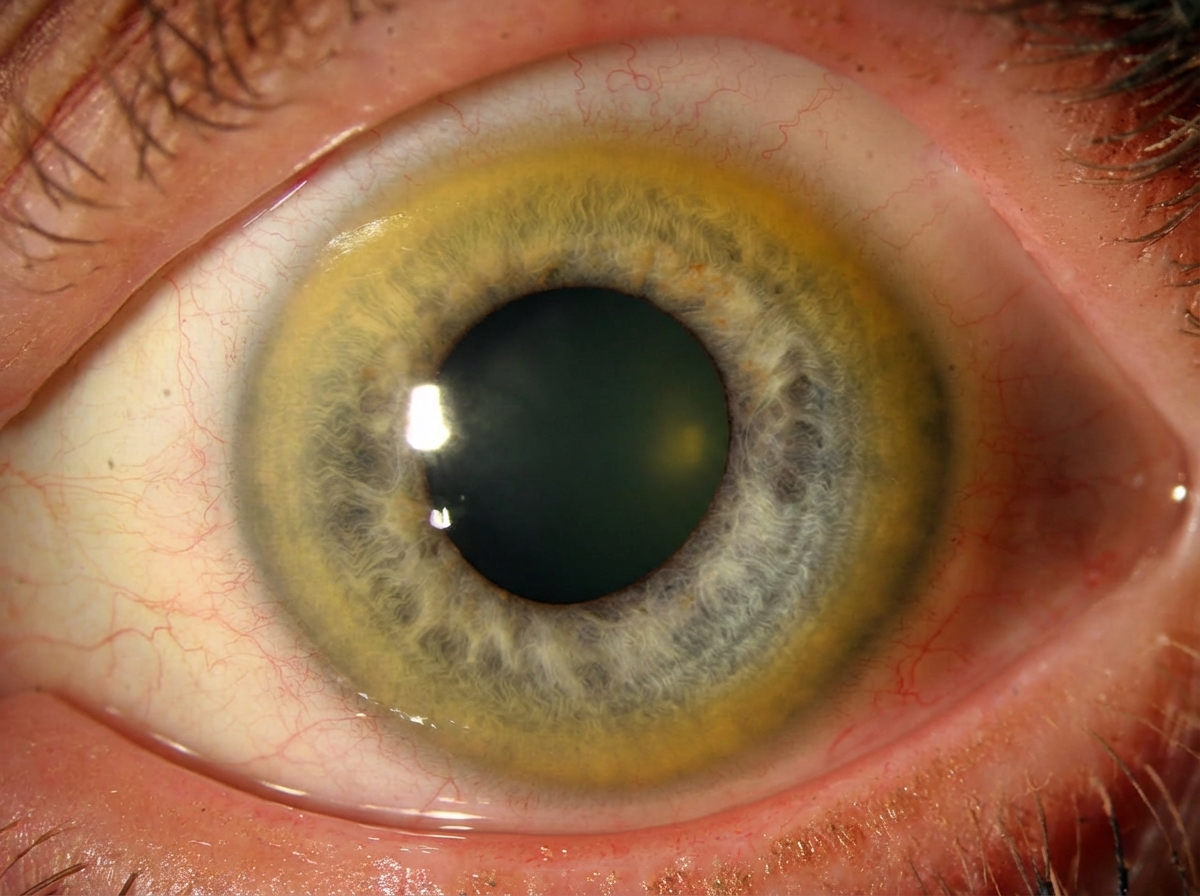
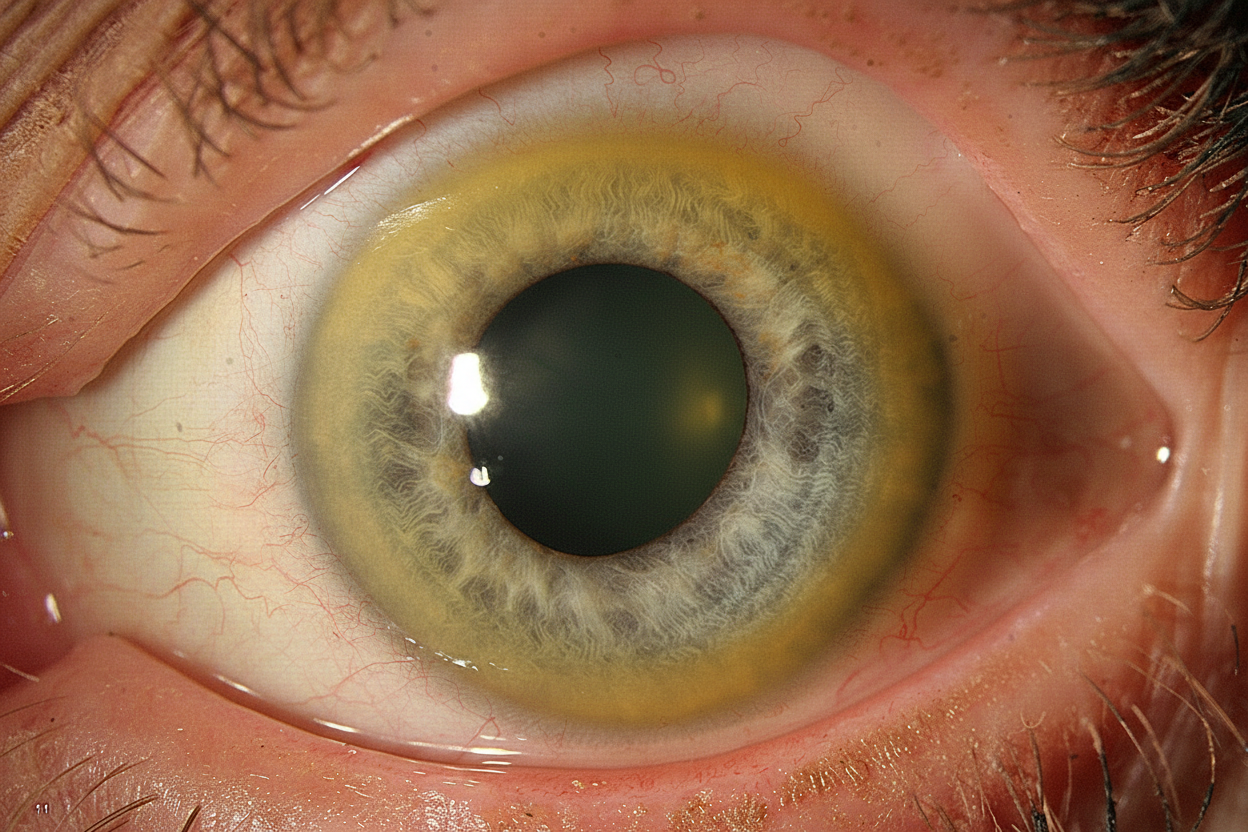
A 23-year-old man comes to the physician because of a tremor in his right hand for the past 3 months. The tremor has increased in intensity and he is unable to perform his daily activities. When he wakes up in the morning, his pillow is soaked in saliva. During this period, he has been unable to concentrate in his college classes. He has had several falls over the past month. He has no past history of serious illness. He appears healthy. His vital signs are within normal limits. Examination shows a broad-based gait. There is a low frequency tremor that affects the patient's right hand to a greater extent than his left. When the patient holds his arms fully abducted with his elbows flexed, he has a bilateral low frequency arm tremor that increases in amplitude the longer he holds his arms up. Muscle strength is normal in all extremities. Sensation is intact. Deep tendon reflexes are 4+ bilaterally. Dysmetria is present. A photograph of the patient's eye is shown. Mental status examination shows a restricted affect. The rate and rhythm of his speech is normal. Which of the following is the most appropriate pharmacotherapy?
A 43-year-old woman presents to the physician with the complaint of worsening fatigue over the past several months. She has found that she requires nearly double the amount of coffee consumption each day to stay awake at work and that despite maintaining a balanced, healthy diet, she has experienced significant weight gain. A blood test confirms the presence of anti-thyroid peroxidase antibodies. Which of the following additional findings would be most consistent with the underlying pathophysiology of her condition?
A 17-year-old man presents to his primary care physician with bilateral tremor of the hands. He is a senior in high school and during the year, his grades have plummeted to the point that he is failing. He says his memory is now poor, and he has trouble focusing on tasks. His behavior has changed in the past 6 months in that he has frequent episodes of depression, separated by episodes of bizarre behavior, including excessive alcohol drinking and shoplifting. His parents have started to suspect that he is using street drugs, which he denies. His handwriting has become very sloppy. His parents have noted slight slurring of his speech. Family history is irrelevant. Physical examination reveals upper extremity tremors, mild dystonia of the upper extremities, and mild incoordination involving his hands. The patient’s eye is shown. Which of the following is the best initial management of this patient’s condition?
What is the primary mechanism for iron absorption in the duodenum?
A patient with Graves' disease is treated with thiocyanate (a historical antithyroid agent). Thiocyanate helps reduce thyroid hormone production by:
A 37-year-old man is brought to the emergency department because he was found down on a city sidewalk. Upon presentation he is found to be disheveled with multiple poorly healed wounds on his hands and feet. He has had dozens of previous presentations for alcohol intoxication and is currently known to be homeless. Physical examination reveals multiple minor wounds, alopecia, and decreased axillary hair. Upon being aroused, the patient reveals that he has had difficulty with taste and smell and has also had severe diarrhea over the last week. The deficient substance most likely responsible for this patient's symptoms is associated with which of the following proteins?
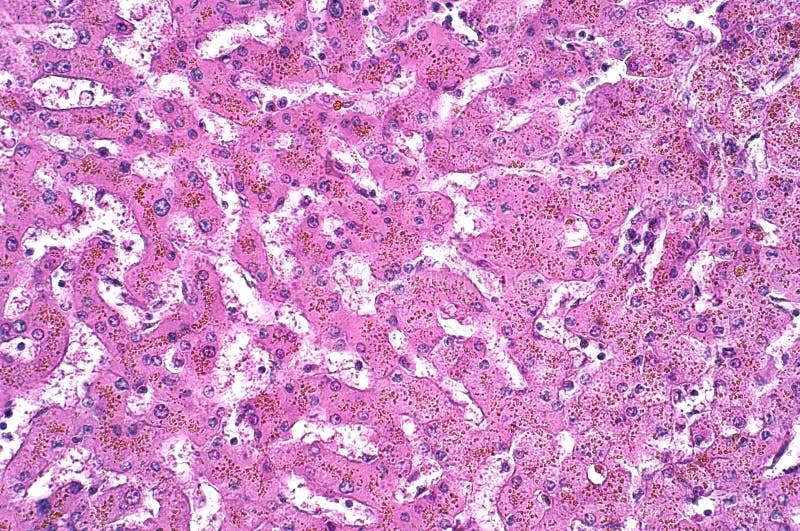
A previously healthy 44-year-old man comes to his physician because of frequent urination and increased thirst for several weeks. Physical examination shows darkened skin and a firm mass in the right upper quadrant. His blood glucose is 220 mg/dL. A photomicrograph of a specimen obtained on liver biopsy is shown. Which of the following best describes the pathogenesis of the disease process in this patient?
A homeless woman presents with shortness of breath on exertion and pedal edema. Cardiac workup performed shows evidence of dilated cardiomyopathy and increased cardiac output. She also has decreased sensation over both extremities bilaterally. Which vitamin deficiency most likely caused these symptoms?
A 6-month-old boy presents with decreased growth, pigmented retinopathy, hemolytic anemia, and peripheral neuropathy. You suspect that these signs are the result of a vitamin deficiency leading to increased oxidative damage to lipids. Which of the following is most likely responsible for this patient's symptoms?
Want unlimited practice?
Get full access to all questions, explanations, and performance tracking.
Scan to download app