
Regulation of gene expression — MCQs

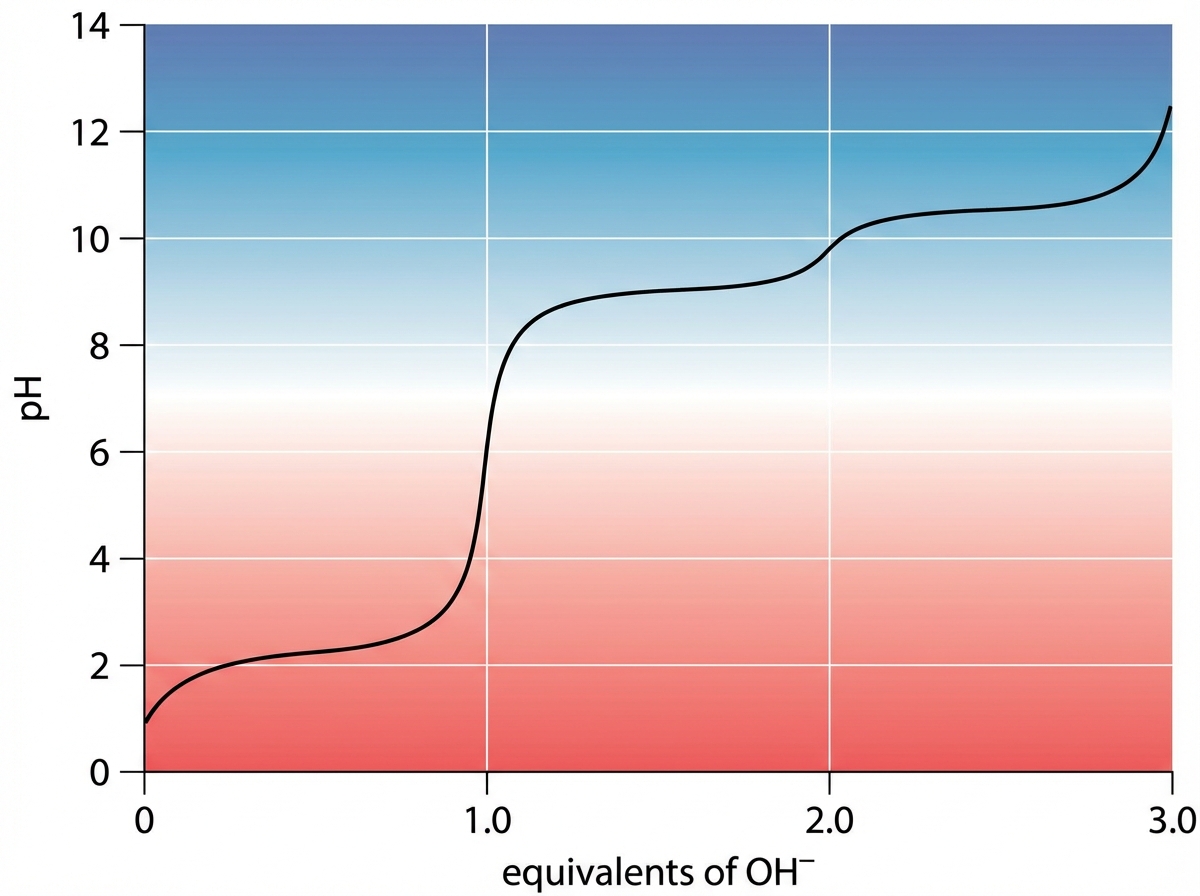
An investigator studying epigenetic mechanisms isolates histone proteins, the structural motifs involved in DNA binding and regulation of transcription. The peptide bonds of histone proteins are hydrolyzed and one type of amino acid is isolated. At normal body pH, this amino acid has a net charge of +1 . The investigator performs titration of this amino acid and obtains the graph shown. The isolated amino acid is most likely which of the following?
E. coli has the ability to regulate its enzymes to break down various sources of energy when available. It prevents waste by the use of the lac operon, which encodes a polycistronic transcript. At a low concentration of glucose and absence of lactose, which of the following occurs?
A 62-year-old woman presents to her primary care physician because of fever, fatigue, and shortness of breath. She has noticed that she has a number of bruises, but she attributes this to a hike she went on 1 week ago. She has diabetes and hypertension well controlled on medication and previously had an abdominal surgery but doesn’t remember why. On physical exam, she has some lumps in her neck and a palpable liver edge. Peripheral blood smear shows white blood cells with peroxidase positive eosinophilic cytoplasmic inclusions. The abnormal protein most likely seen in this disease normally has which of the following functions?
A 21-year-old woman comes to the physician for an annual health maintenance examination. She has no particular health concerns. Laboratory studies show: Hemoglobin 11.2 g/dL Mean corpuscular volume 74 μm3 Mean corpuscular hemoglobin concentration 30% Hb/cell Red cell distribution width 14% (N=13–15) Genetic analysis shows a point mutation in intron 1 of a gene on the short arm of chromosome 11. A process involving which of the following components is most likely affected in this patient?
A scientist is studying the mechanisms by which bacteria become resistant to antibiotics. She begins by obtaining a culture of vancomycin-resistant Enterococcus faecalis and conducts replicate plating experiments. In these experiments, colonies are inoculated onto a membrane and smeared on 2 separate plates, 1 containing vancomycin and the other with no antibiotics. She finds that all of the bacterial colonies are vancomycin resistant because they grow on both plates. She then maintains the bacteria in liquid culture without vancomycin while she performs her other studies. Fifteen generations of bacteria later, she conducts replicate plating experiments again and finds that 20% of the colonies are now sensitive to vancomycin. Which of the following mechanisms is the most likely explanation for why these colonies have become vancomycin sensitive?
An investigator is studying the effects of zinc deprivation on cancer cell proliferation. It is hypothesized that because zinc is known to be a component of transcription factor motifs, zinc deprivation will result in slower tumor growth. To test this hypothesis, tumor cells are cultured on media containing low and high concentrations of zinc. During the experiment, a labeled oligonucleotide probe is used to identify the presence of a known transcription factor. The investigator most likely used which of the following laboratory techniques?
A 28-year-old male presents to his primary care physician with complaints of intermittent abdominal pain and alternating bouts of constipation and diarrhea. His medical chart is not significant for any past medical problems or prior surgeries. He is not prescribed any current medications. Which of the following questions would be the most useful next question in eliciting further history from this patient?
An investigator is studying the effect of chromatin structure on gene regulation. The investigator isolates a class of proteins that compact DNA by serving as spools upon which DNA winds around. These proteins are most likely rich in which of the following compounds?
A 25-year-old female comes to the clinic complaining of fatigue and palpitations. She has been undergoing immense stress from her thesis defense and has been extremely tired. The patient denies any weight loss, diarrhea, cold/heat intolerance. TSH was within normal limits. She reports a family history of "blood disease" and was later confirmed positive for β-thalassemia minor. It is believed that abnormal splicing of the beta globin gene results in β-thalassemia. What is removed during this process that allows RNA to be significantly shorter than DNA?
A 30-year-old African American woman develops a facial rash in a "butterfly" pattern over her face and complains of feeling tired and achy in her joints. In the course of a full rheumatologic workup you note that she has anti-snRNP antibodies. Which of the following do snRNPs affect?
Want unlimited practice?
Get full access to all questions, explanations, and performance tracking.
Scan to download app