
Preparatory phase reactions — MCQs

A researcher is studying the properties of an enzyme that adds phosphate groups to glucose. She discovers that the enzyme is present in most body tissues and is located in the cytoplasm of the cells expressing the enzyme. She decides to mix this enzyme under subphysiologic conditions with varying levels of glucose in order to determine the kinetic properties of the enzyme. Specifically, she adds increasing levels of glucose at a saturating concentration of phosphate and sees that the rate at which glucose becomes phosphorylated gets faster at higher levels of glucose. She observes that this rate approaches a maximum speed and calls this speed Y. She then determines the concentration of glucose that is needed to make the enzyme function at half the speed Y and calls this concentration X. Which of the following is most likely true about the properties of this enzyme?
A 45-year-old woman with type 1 diabetes mellitus is brought to the emergency department by her husband because of polyuria, nausea, vomiting, and altered mental status for 4 hours. On arrival, she is unconscious. Treatment with a drug is begun that increases glucose transport to skeletal muscle and adipose tissue. Which of the following cellular events is most likely to also occur in response to this drug?
A 52-year-old man undergoes an exercise stress test for a 1-week history of squeezing substernal chest pain that is aggravated by exercise and relieved by rest. During the test, there is a substantial increase in the breakdown of glycogen in the muscle cells. Which of the following changes best explains this intracellular finding?
A 22-year-old medical student decides to fast for 24 hours after reading about the possible health benefits of fasting. She read that blood glucose levels are maintained by metabolic processes such as hepatic glycogenolysis and hepatic gluconeogenesis during the initial 3 days of fasting. During the day, she did not suffer from the symptoms of hypoglycemia. Which of the following signaling molecules most likely stimulated the reaction which maintained her blood glucose after all her stored glucose was broken down and used up?
A 24-year-old man is running a marathon. Upon reaching the finish line, his serum lactate levels were measured and were significantly increased as compared to his baseline. Which of the following pathways converts the lactate produced by muscles into glucose and transports it back to the muscles?
A newborn undergoing the standard screening tests is found to have a positive test for reducing sugars. Further testing is performed and reveals that the patient does not have galactosemia, but rather is given a diagnosis of fructosuria. What levels of enzymatic activity are altered in this patient?
Maturity Onset Diabetes of the Young (MODY) type 2 is a consequence of a defective pancreatic enzyme, which normally acts as a glucose sensor, resulting in a mild hyperglycemia. The hyperglycemia is especially exacerbated during pregnancy. Which of the following pathways is controlled by this enzyme?
A 12-year-old boy and his siblings are referred to a geneticist for evaluation of a mild but chronic hemolytic anemia that has presented with fatigue, splenomegaly, and scleral icterus. Coombs test is negative and blood smear does not show any abnormal findings. An enzymatic panel is assayed, and pyruvate kinase is found to be mutated on both alleles. The geneticist explains that pyruvate kinase functions in glycolysis and is involved in a classic example of feed-forward regulation. Which of the following metabolites is able to activate pyruvate kinase?
A 12-year-old boy is brought to the emergency department because of acute onset abdominal pain. On arrival, he also complains of nausea and shortness of breath in addition to epigastric pain. He has previously been admitted to the hospital several times for respiratory infections with Pseudomonas species and uses a nebulizer and a chest wall oscillation vest at home. The patient's acute condition is found to be due to premature activation of an enzyme that normally interacts with the brush border. Which of the following describes the activity of this enzyme?
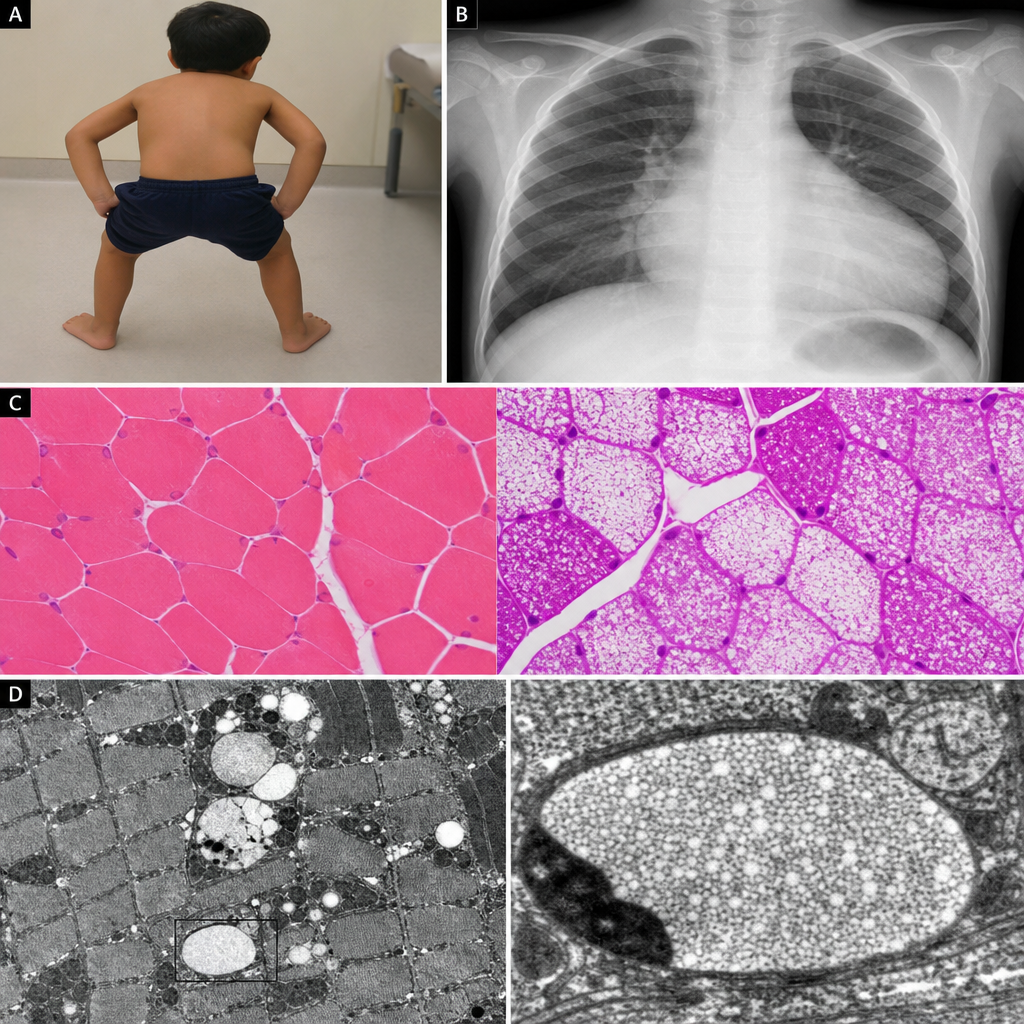
A 4-year-old boy is brought to the pediatrician because his parents noticed he has difficulty climbing stairs and rising from the floor. He also has a history of recurrent respiratory infections and his parents report he snores loudly at night. On examination, he has mild hepatomegaly and cardiomegaly is noted on chest X-ray. Serum creatine kinase is markedly elevated. Muscle biopsy shows large vacuoles within myocytes that stain intensely with periodic acid-Schiff (PAS). Electron microscopy reveals membrane-bound organelles packed with glycogen. Which enzyme deficiency is responsible for this presentation?
Want unlimited practice?
Get full access to all questions, explanations, and performance tracking.
Scan to download app