
Amino acid transport disorders — MCQs

An 8-day-old boy is brought to the physician by his mother because of vomiting and poor feeding. The pregnancy was uncomplicated, and he was born at full term. He appears pale and lethargic. Physical examination shows diffusely increased muscle tone. His urine is noted to have a sweet odor. This patient's symptoms are most likely caused by the accumulation of which of the following?
You are examining a 3-day-old newborn who was delivered vaginally without any complications. The newborn presents with vomiting, hyperventilation, lethargy, and seizures. Blood work demonstrates hyperammonemia, elevated glutamine levels, and decreased blood urea nitrogen. A CT scan demonstrates cerebral edema. Defects in which of the following enzymes would result in a clinical presentation similar to this infant?
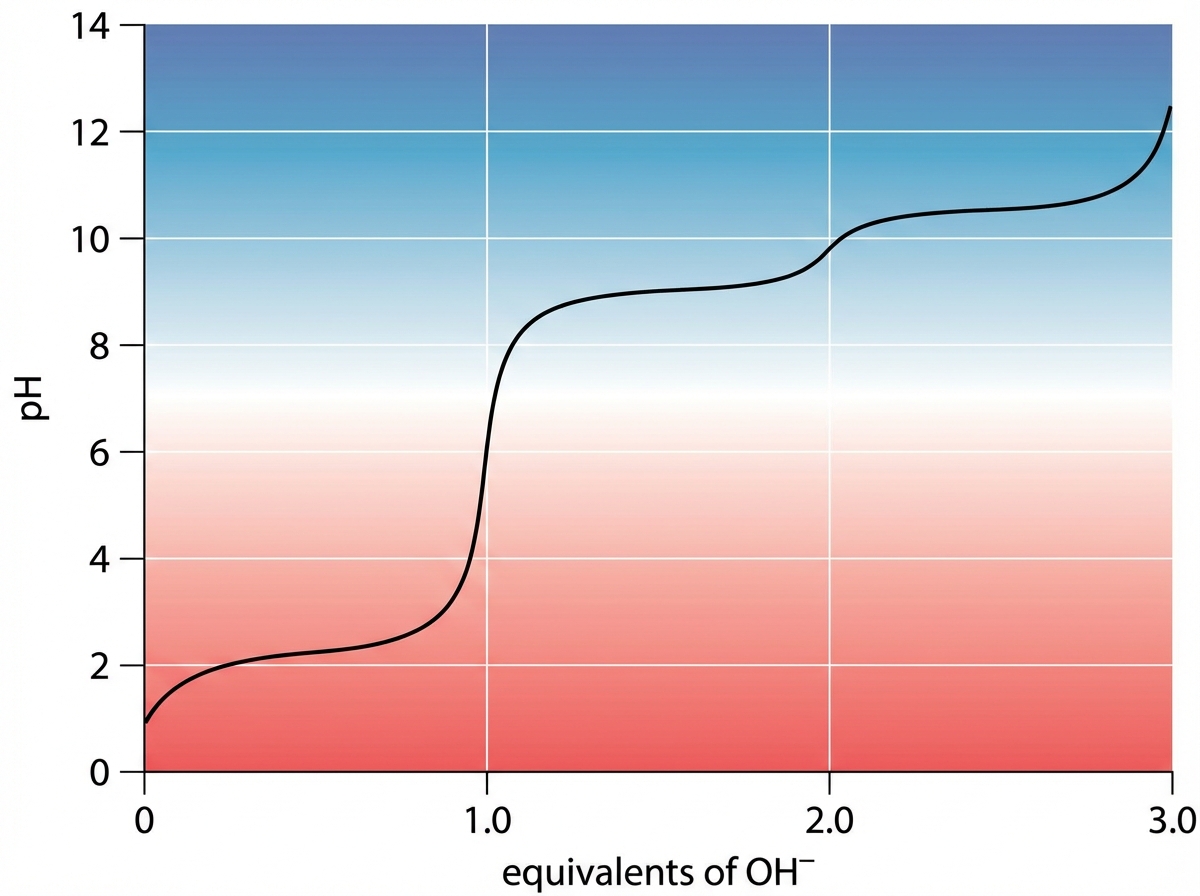
An investigator studying epigenetic mechanisms isolates histone proteins, the structural motifs involved in DNA binding and regulation of transcription. The peptide bonds of histone proteins are hydrolyzed and one type of amino acid is isolated. At normal body pH, this amino acid has a net charge of +1 . The investigator performs titration of this amino acid and obtains the graph shown. The isolated amino acid is most likely which of the following?
A 32-year-old man with hypertension and gout comes to the physician with left flank pain and bloody urine for two days. He does not smoke cigarettes but drinks two beers daily. Home medications include hydrochlorothiazide and ibuprofen as needed for pain. Physical examination shows left costovertebral angle tenderness. Urine dipstick is strongly positive for blood. Microscopic analysis of a stone found in the urine reveals a composition of magnesium ammonium phosphate. Which of the following is the strongest predisposing factor for this patient's condition?
A 53-year-old man comes to the emergency department because of severe right-sided flank pain for 3 hours. The pain is colicky, radiates towards his right groin, and he describes it as 8/10 in intensity. He has vomited once. He has no history of similar episodes in the past. Last year, he was treated with naproxen for swelling and pain of his right toe. He has a history of hypertension. He drinks one to two beers on the weekends. Current medications include amlodipine. He appears uncomfortable. His temperature is 37.1°C (99.3°F), pulse is 101/min, and blood pressure is 130/90 mm Hg. Examination shows a soft, nontender abdomen and right costovertebral angle tenderness. An upright x-ray of the abdomen shows no abnormalities. A CT scan of the abdomen and pelvis shows a 7-mm stone in the proximal ureter and grade I hydronephrosis on the right. Which of the following is most likely to be seen on urinalysis?
A 10-year-old boy is brought into your clinic by his mother for sunburns that have not been healing. The mother states that he easily gets sunburned. The mother admits she gave birth to him at home and has never taken him to see a doctor. The patient walks with a wide stance gait and appears unstable on his feet. He has an extensive erythematous, scaling, hyperkeratotic rash on his face, neck, arms and legs. After extensive workup, the patient is found to have a genetic disorder that results in defective absorption of an important vitamin. Which of the following is likely to be low if measured?
A 2-week-old boy presents to the emergency department because of unusual irritability and lethargy. The patient is admitted to the pediatric intensive care unit and minutes later develops metabolic encephalopathy. This progressed to a coma, followed by death before any laboratory tests are completed. The infant was born at home via vaginal delivery at 39 weeks' of gestation. His mother says that the symptoms started since the infant was 4-days-old, but since he only seemed ‘tired’, she decided not to seek medical attention. Further testing during autopsy shows hyperammonemia, low citrulline, and increased orotic acid. Which of the following enzymes is most likely deficient in this patient?
A 55-year-old man with a history of repeated hospitalization for chronic pancreatitis comes to the physician because of difficulty walking and standing steadily. Neurological examination shows an unsteady, broad-based gait, distal muscle weakness, decreased deep tendon reflexes, and an abnormal Romberg test. His hemoglobin concentration is 11.9 g/dL, mean corpuscular volume is 89/μm3, and serum lactate dehydrogenase is 105 U/L. His serum haptoglobin is slightly decreased. A deficiency of which of the following substances is the most likely cause of this patient's findings?
A 23-year-old woman comes to the physician because of a 2-month history of diarrhea, flatulence, and fatigue. She reports having 3–5 episodes of loose stools daily that have an oily appearance. The symptoms are worse after eating. She also complains of an itchy rash on her elbows and knees. A photograph of the rash is shown. Further evaluation of this patient is most likely to show which of the following findings?

A 21-year-old man presents to the emergency department with acute back pain. The pain began a few hours prior to presentation and is located on the left lower back. The pain is described to be “shock-like,” 9/10 in pain severity, and radiates to the left groin. His temperature is 98.6°F (37°C), blood pressure is 120/75 mmHg, pulse is 101/min, and respirations are 18/min. The patient appears uncomfortable and is mildly diaphoretic. There is costovertebral angle tenderness and genitourinary exam is unremarkable. A non-contrast computerized tomography (CT) scan of the abdomen and pelvis demonstrates an opaque lesion affecting the left ureter with mild hydronephrosis. Straining of the urine with urine crystal analysis is demonstrated. Which of the following amino acids is most likely poorly reabsorbed by this patient’s kidney?
Want unlimited practice?
Get full access to all questions, explanations, and performance tracking.
Scan to download app