
Skull and cranial cavity — MCQs

During an examination of the cranial nerves, a patient shows inability to move their eye laterally past the midline. Which of the following structures in the cavernous sinus is most likely affected?
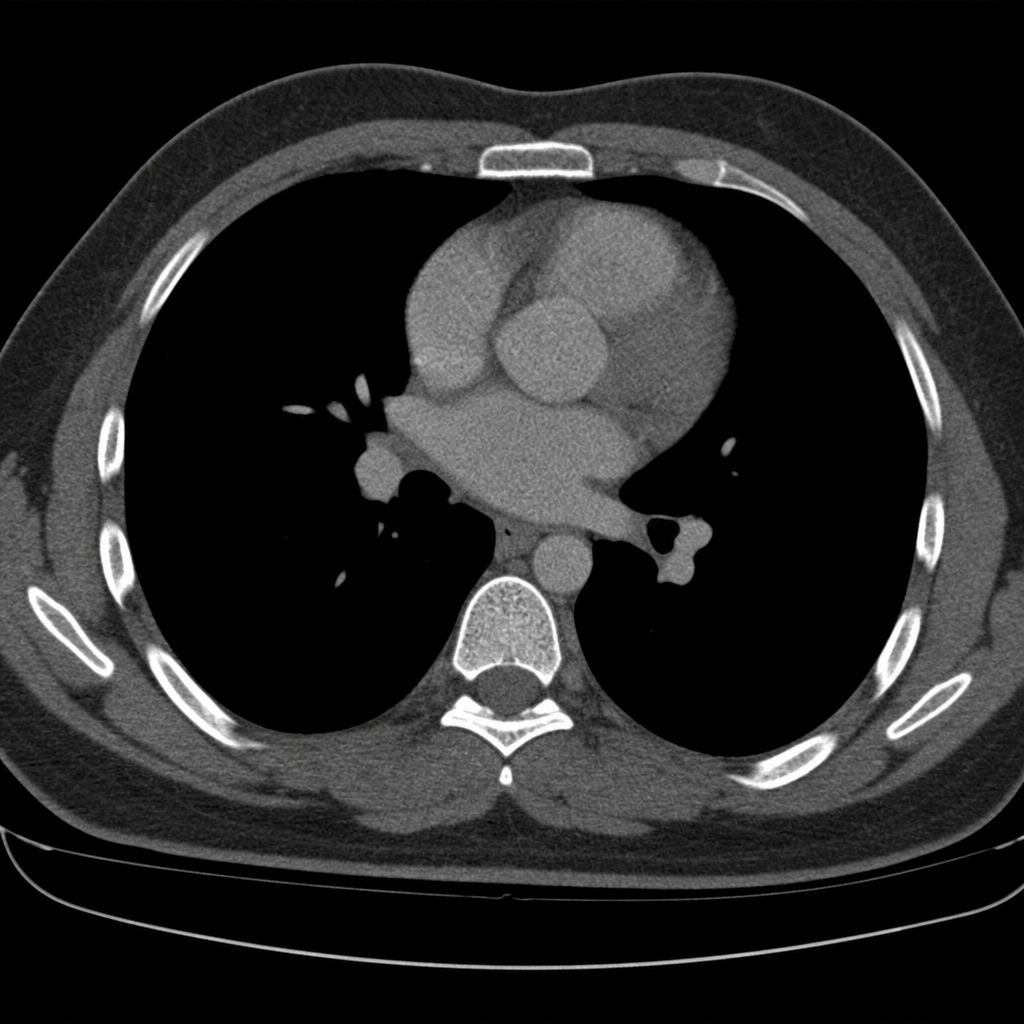
A 40-year-old woman is brought to the emergency department by a paramedic team from the scene of a motor vehicle accident where she was the driver. The patient was restrained by a seat belt and was unconscious at the scene. On physical examination, the patient appears to have multiple injuries involving the trunk and extremities. There are no penetrating injuries to the chest. As part of her trauma workup, a CT scan of the chest is ordered. At what vertebral level of the thorax is this image from?
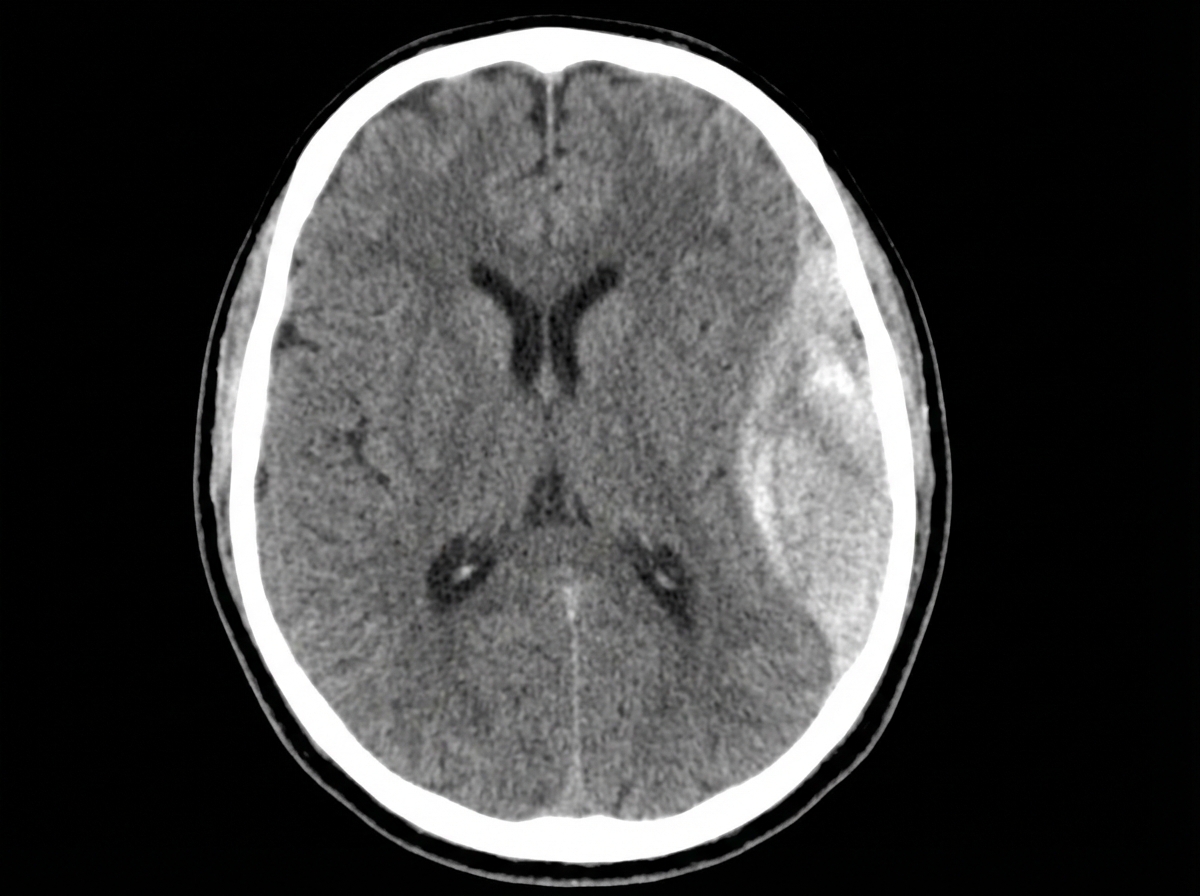
A 28-year-old man is brought to the emergency department by ambulance after developing an altered mental state following blunt trauma to the head. The patient was competing at a local mixed martial arts competition when he was struck in the head and lost consciousness. A few minutes later, upon regaining consciousness, he had a progressive decline in mental status. Past medical history is noncontributory. Upon arrival at the hospital, the temperature is 37.0°C (98.6°F), the blood pressure is 145/89 mm Hg, the pulse is 66/min, the respiratory rate is 14/min, and the oxygen saturation is 99% on room air. He is alert now. A noncontrast CT scan is performed, and the result is provided in the image. Which of the following structures is most likely affected in this patient?
A 7-year-old boy is brought to the emergency department by his mother 1 hour after falling off his bike and landing head-first on the pavement. His mother says that he did not lose consciousness but has been agitated and complaining about a headache since the event. He has no history of serious illness and takes no medications. His temperature is 37.1°C (98.7°F), pulse is 115/min, respirations are 20/min, and blood pressure is 100/65 mm Hg. There is a large bruise on the anterior scalp. Examination, including neurologic examination, shows no other abnormalities. A noncontrast CT scan of the head shows a non-depressed linear skull fracture with a 2-mm separation. Which of the following is the most appropriate next step in management?
A 47-year-old man presents to you with gradual loss of voice and difficulty swallowing for the past couple of months. The difficulty of swallowing is for both solid and liquid foods. His past medical history is insignificant except for occasional mild headaches. Physical exam also reveals loss of taste sensation on the posterior third of his tongue and palate, weakness in shrugging his shoulders, an absent gag reflex, and deviation of the uvula away from the midline. MRI scanning was suggested which revealed a meningioma that was compressing some cranial nerves leaving the skull. Which of the following openings in the skull transmit the affected cranial nerves?
A 27-year-old man presents to a physician for evaluation of 3 months of increased vertigo. He says that occasionally he will experience several seconds of intense vertigo that makes him lose his balance. He came in for evaluation because this symptom is affecting his ability to drive to work. He has also been occasionally experiencing tinnitus. Physical exam reveals rotatory nystagmus that is delayed in onset and stops with visual fixation. The nerve that is most likely causing these symptoms exits the skull at which of the following locations?
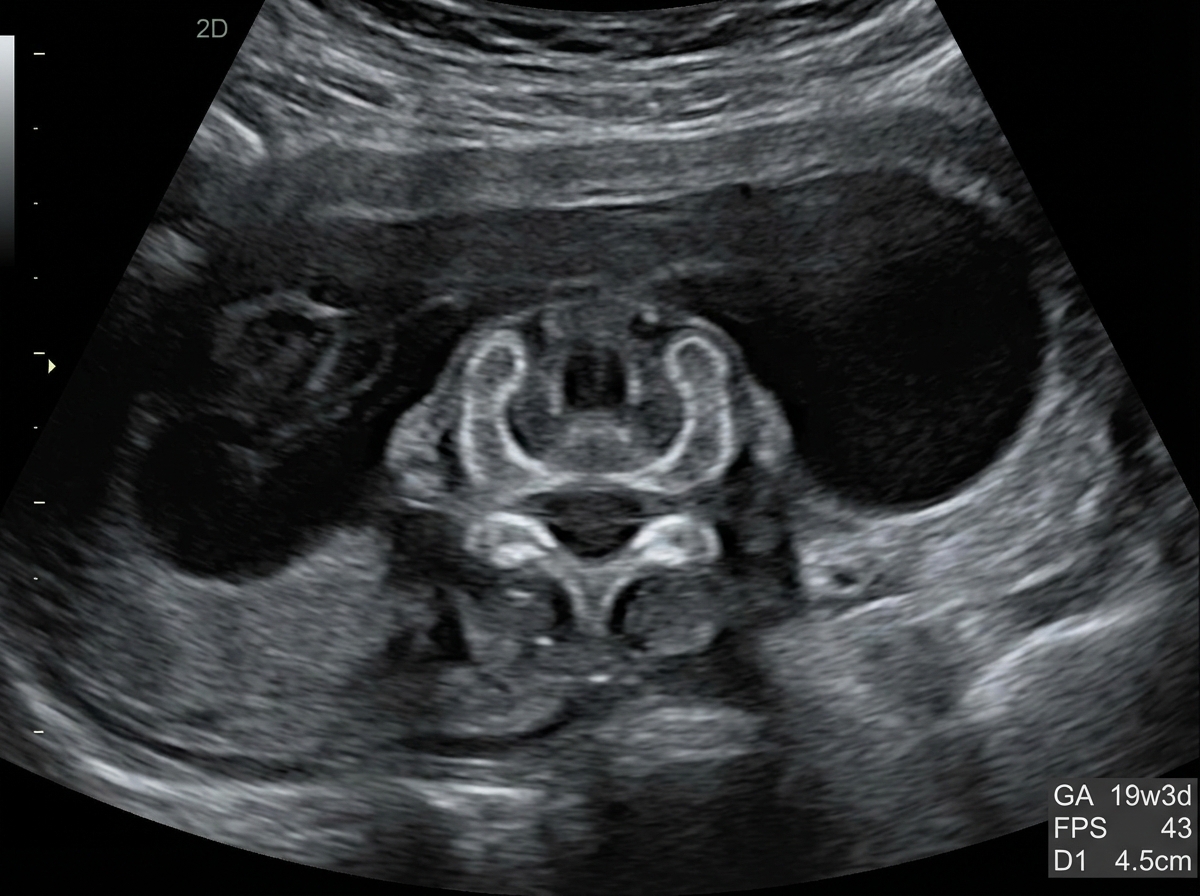
A 25-year-old pregnant woman, at 18 weeks of gestation, undergoes a routine ultrasound scan. The ultrasound images provided show below. Based on the imaging findings, what is the most likely diagnosis?
A 32-year-old man presents to the emergency department with a severe headache. He says that the pain has been getting progressively worse over the last 24 hours and is located primarily in his left forehead and eye. The headaches have woken him up from sleep and it is not relieved by over-the-counter medications. He has been recovering from a sinus infection that started 1 week ago. His past medical history is significant for type 1 diabetes and he has a 10 pack-year history of smoking. Imaging shows thrombosis of a sinus above the sella turcica. Which of the following findings would most likely also be seen in this patient?
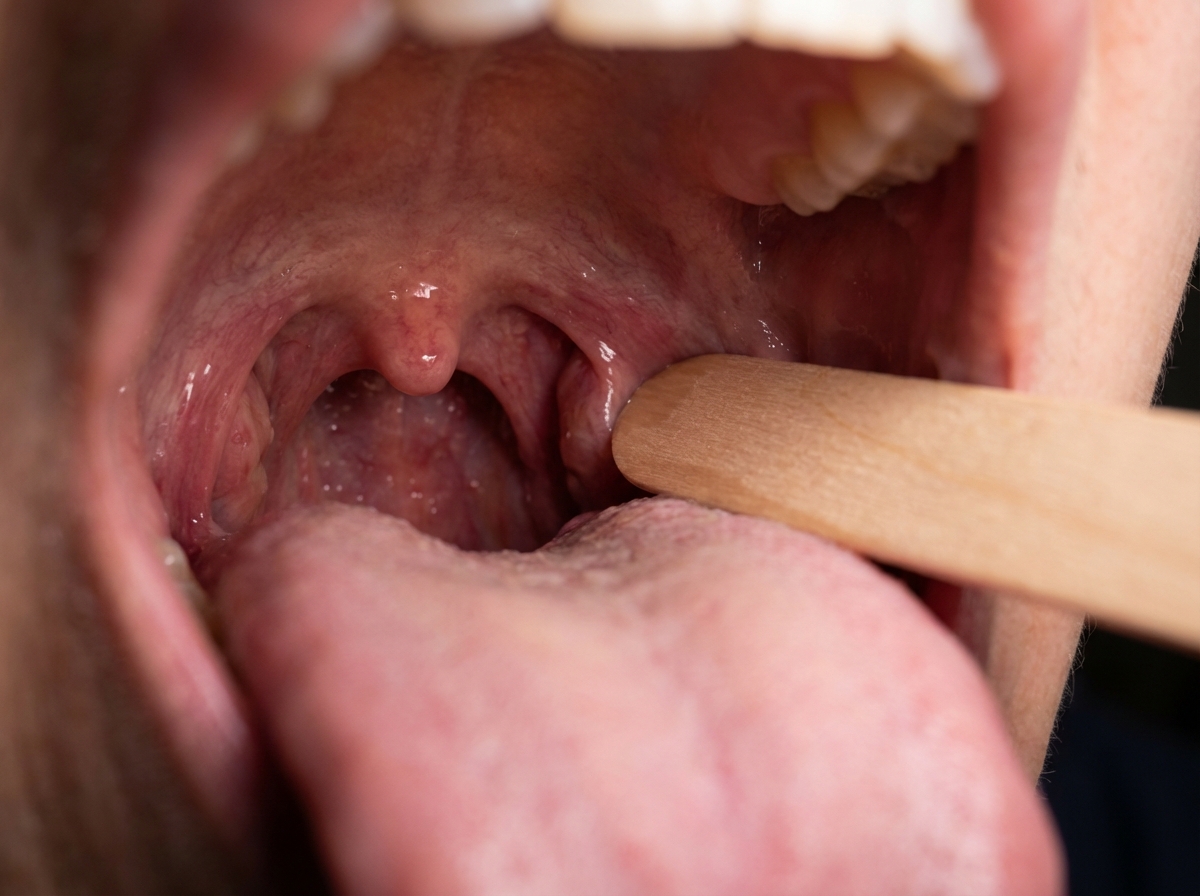
A patient was admitted with skull base trauma. The doctor was testing the marked structure in the pharyngeal region. Which of the following nerves was being tested?
A 28-year-old man comes to the physician because of a persistent tingling sensation in the right side of his face. The sensation began after he underwent an extraction of an impacted molar 2 weeks ago. Examination shows decreased sensation of the skin over the right side of the mandible, chin, and the anterior portion of the tongue. Taste sensation is preserved. The affected nerve exits the skull through which of the following openings?
Want unlimited practice?
Get full access to all questions, explanations, and performance tracking.
Scan to download app