
Head and neck fascial spaces — MCQs

A 3-year-old girl is brought to the emergency department by her parents with sudden onset shortness of breath. They tell the emergency physician that their daughter was lying on the bed watching television when she suddenly began gasping for air. They observed a bowl of peanuts lying next to her when they grabbed her up and brought her to the emergency department. Her respirations are 25/min, the pulse is 100/min and the blood pressure is 90/65 mm Hg. The physical findings as of now are apparently normal. She is started on oxygen and is sent in for a chest X-ray. Based on her history and physical exam findings, the cause of her current symptoms would be seen on the X-ray at which of the following sites?
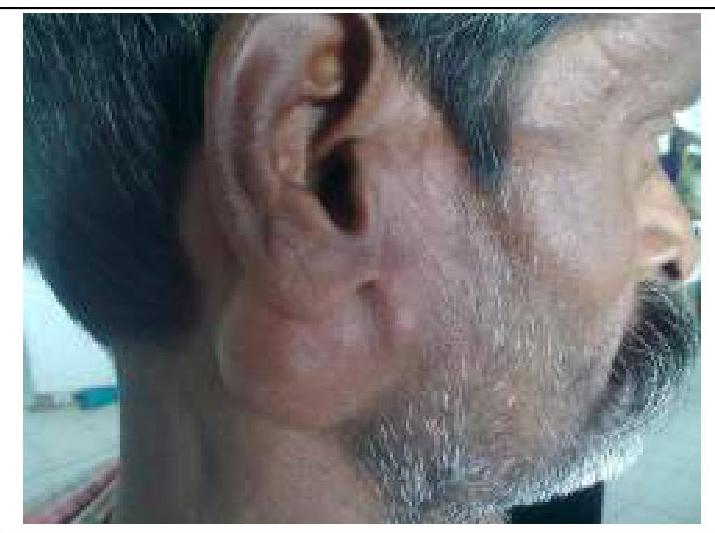
A 26-year-old woman presents to the medicine clinic with swelling around the right side of her chin and neck (Image A). She reports pain when moving her jaw and chewing. Her symptoms developed two days after receiving an uncomplicated tonsillectomy. She has been followed by a general medical physician since birth and has received all of her standard health maintenance procedures. Vital signs are stable with the exception of a temperature of 38.4 degrees Celcius. The area in question on the right side is exquisitely tender. The remainder of her exam is benign. What is the most likely diagnosis?
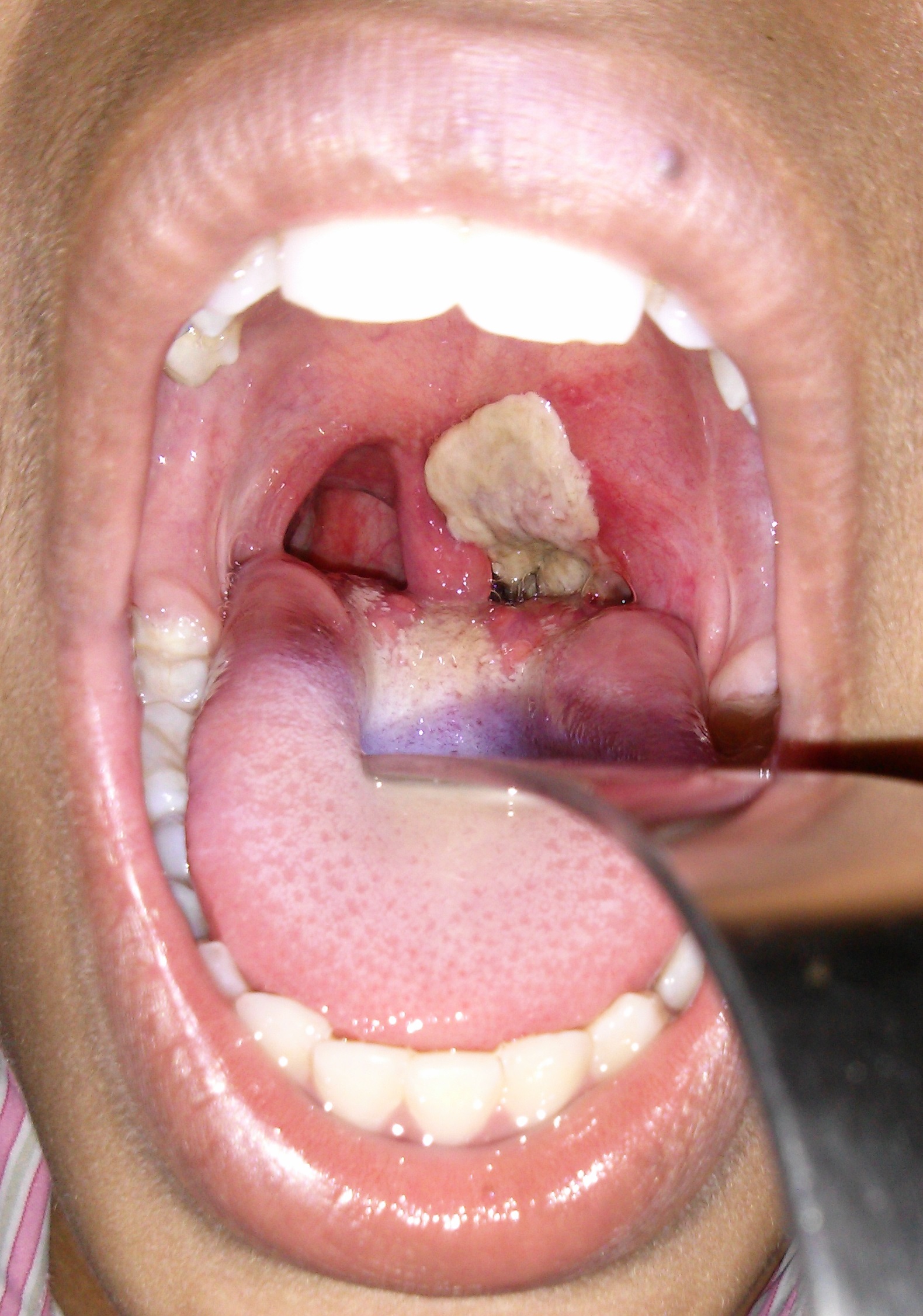
A 12-year-old boy presents to the emergency room with difficulty breathing after several days of severe sore throat. Further history reveals that his family immigrated recently from Eastern Europe and he has never previously seen a doctor. Physical exam shows cervical lymphadenopathy with extensive neck edema as well as the finding shown in the image provided. You suspect a bacteria that causes the disease by producing an AB type exotoxin. Which of the following is the proper medium to culture the most likely cause of this infection?
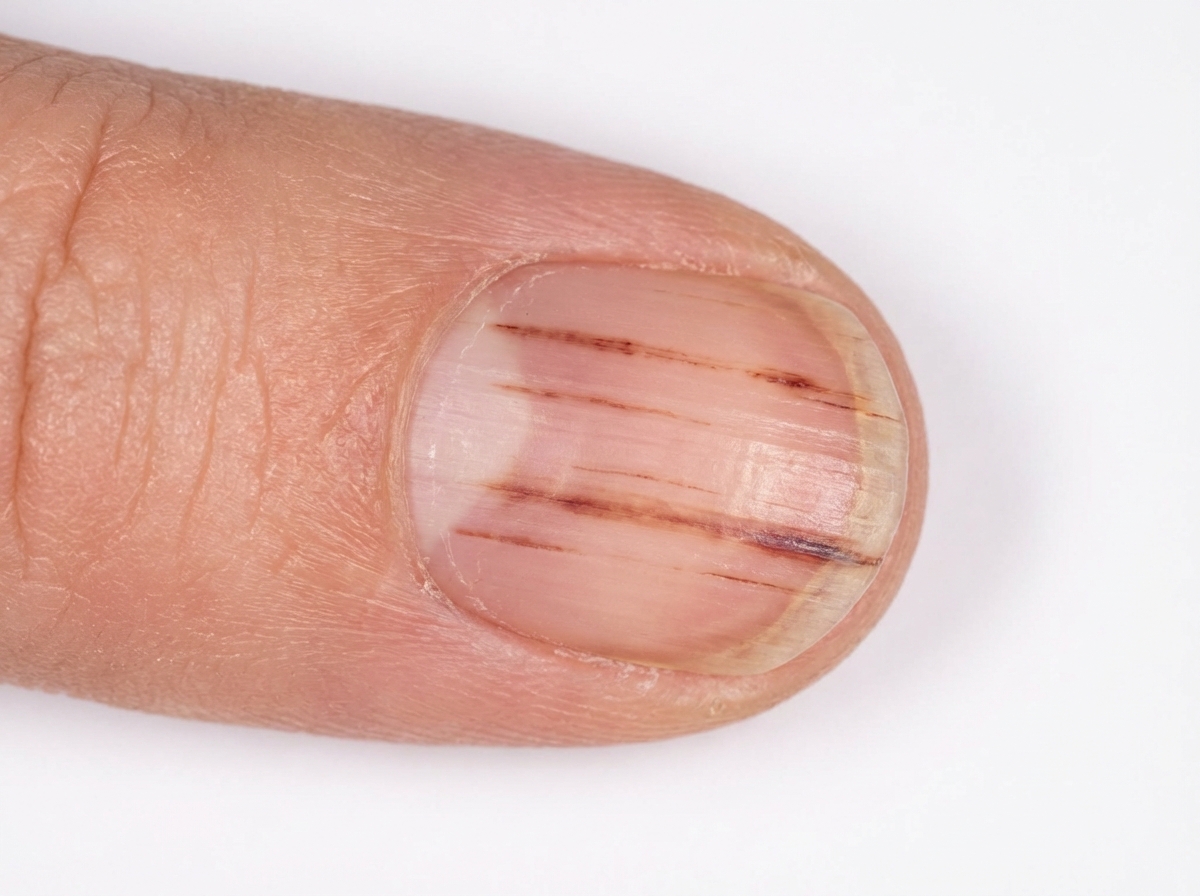
A 63-year-old man comes to the physician for evaluation of fever and a nonproductive cough for the past 2 weeks. During this period, he has also had fatigue, myalgia, and difficulty breathing. Five weeks ago, he underwent an aortic prosthetic valve replacement due to high-grade aortic stenosis. The patient has a history of hypertension, asthma, and type 2 diabetes mellitus. A colonoscopy 2 years ago was normal. The patient has smoked one pack of cigarettes daily for the past 40 years. He has never used illicit drugs. Current medications include aspirin, warfarin, lisinopril, metformin, inhaled albuterol, and a multivitamin. The patient appears lethargic. Temperature is 38.6°C (101.5°F), pulse is 105/min, and blood pressure is 140/60 mm Hg. Rales are heard on auscultation of the lungs. A grade 2/6, diastolic blowing murmur is heard over the left sternal border and radiates to the right sternal border. A photograph of his right index finger is shown. Laboratory studies show a leukocyte count of 13,800/mm3 and an erythrocyte sedimentation rate of 48 mm/h. Which of the following is the most likely causal organism?
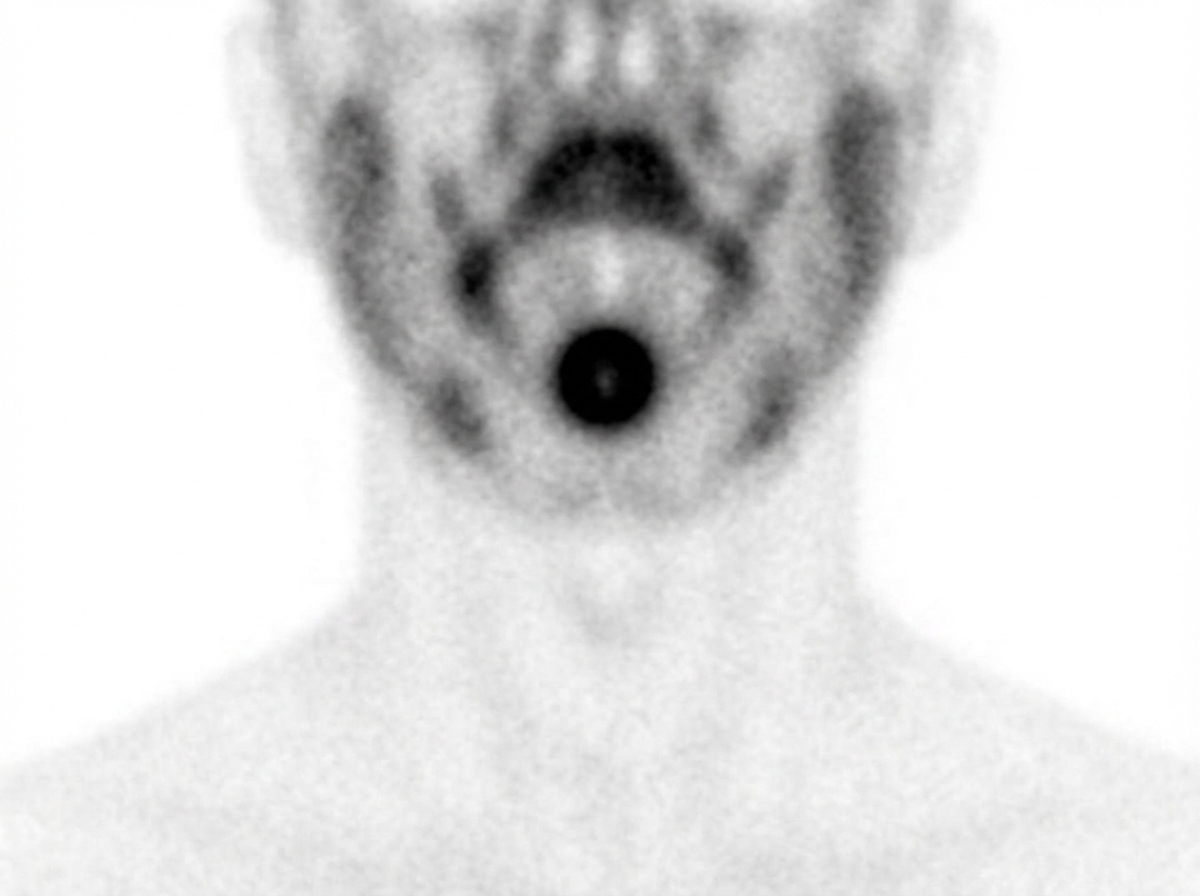
A 16-year-old boy comes to the physician because of a 1-week history of difficulty swallowing, a foreign body sensation at the back of his throat, and trouble breathing at night. He has just recovered from an upper respiratory tract infection that began 5 days ago. On questioning, he reports that he has had similar symptoms in the past each time he has had an upper respiratory tract infection. Physical examination shows a 3 x 2-cm, nontender, rubbery midline mass at the base of the tongue. His skin is dry and cool. An image of his technetium-99m pertechnetate scan is shown. Which of the following is the most likely underlying cause of this patient’s condition?
A 26-year-old G1P0 woman at 40 weeks estimated gestational age presents after experiencing labor pains. Pregnancy has been uncomplicated so far. Rupture of membranes occurs, and a transvaginal delivery is performed under epidural anesthesia, and the baby is delivered alive and healthy. The patient voids a few hours after the delivery and complains of mild irritation at the injection site on her back. On the second day, she complains of a severe headache over the back of her head. The headache is associated with pain and stiffness in the neck. Her headache is aggravated by sitting up or standing and relieved by lying down. The pain is relieved slightly by acetaminophen and ibuprofen. The patient is afebrile. Her vital signs include: pulse 100/min, respiratory rate 18/min, and blood pressure 128/84 mm Hg. Which of the following statements is the most accurate regarding this patient’s condition?
A 28-year-old male presents to his primary care physician with complaints of intermittent abdominal pain and alternating bouts of constipation and diarrhea. His medical chart is not significant for any past medical problems or prior surgeries. He is not prescribed any current medications. Which of the following questions would be the most useful next question in eliciting further history from this patient?
A 27-year-old woman comes to the physician because of a 3-day history of a sore throat and fever. Her temperature is 38.5°C (101.3°F). Examination shows edematous oropharyngeal mucosa and enlarged tonsils with purulent exudate. There is tender cervical lymphadenopathy. If left untreated, which of the following conditions is most likely to occur in this patient?
A 42-year-old woman comes to the physician because of increasing pain in the right hip for 2 months. The pain is intermittent, presenting at the lateral side of the hip and radiating towards the thigh. It is aggravated while climbing stairs or lying on the right side. Two weeks ago, the patient was treated with a course of oral prednisone for exacerbation of asthma. Her current medications include formoterol-budesonide and albuterol inhalers. Vital signs are within normal limits. Examination shows tenderness to palpation over the upper lateral part of the right thigh. There is no swelling. The patient is placed in the left lateral decubitus position. Abducting the extended right leg against the physician's resistance reproduces the pain. The remainder of the examination shows no abnormalities. An x-ray of the pelvis shows no abnormalities. Which of the following is the most likely diagnosis?
A 47-year-old woman presents to the emergency department with a fever and a headache. Her symptoms started yesterday and have rapidly progressed. Initially, she was experiencing just a fever and a headache which she was treating with acetaminophen. It rapidly progressed to blurry vision, chills, nausea, and vomiting. The patient has a past medical history of diabetes and hypertension and she is currently taking insulin, metformin, lisinopril, and oral contraceptive pills. Her temperature is 104°F (40.0°C), blood pressure is 157/93 mmHg, pulse is 120/min, respirations are 15/min, and oxygen saturation is 98% on room air. Upon further inspection, the patient also demonstrates exophthalmos in the affected eye. The patient's extraocular movements are notably decreased in the affected eye with reduced vertical and horizontal gaze. The patient also demonstrates decreased sensation near the affected eye in the distribution of V1 and V2. While the patient is in the department waiting for a CT scan, she becomes lethargic and acutely altered. Which of the following is the most likely diagnosis?
Want unlimited practice?
Get full access to all questions, explanations, and performance tracking.
Scan to download app