
Specialized connective tissues — MCQs

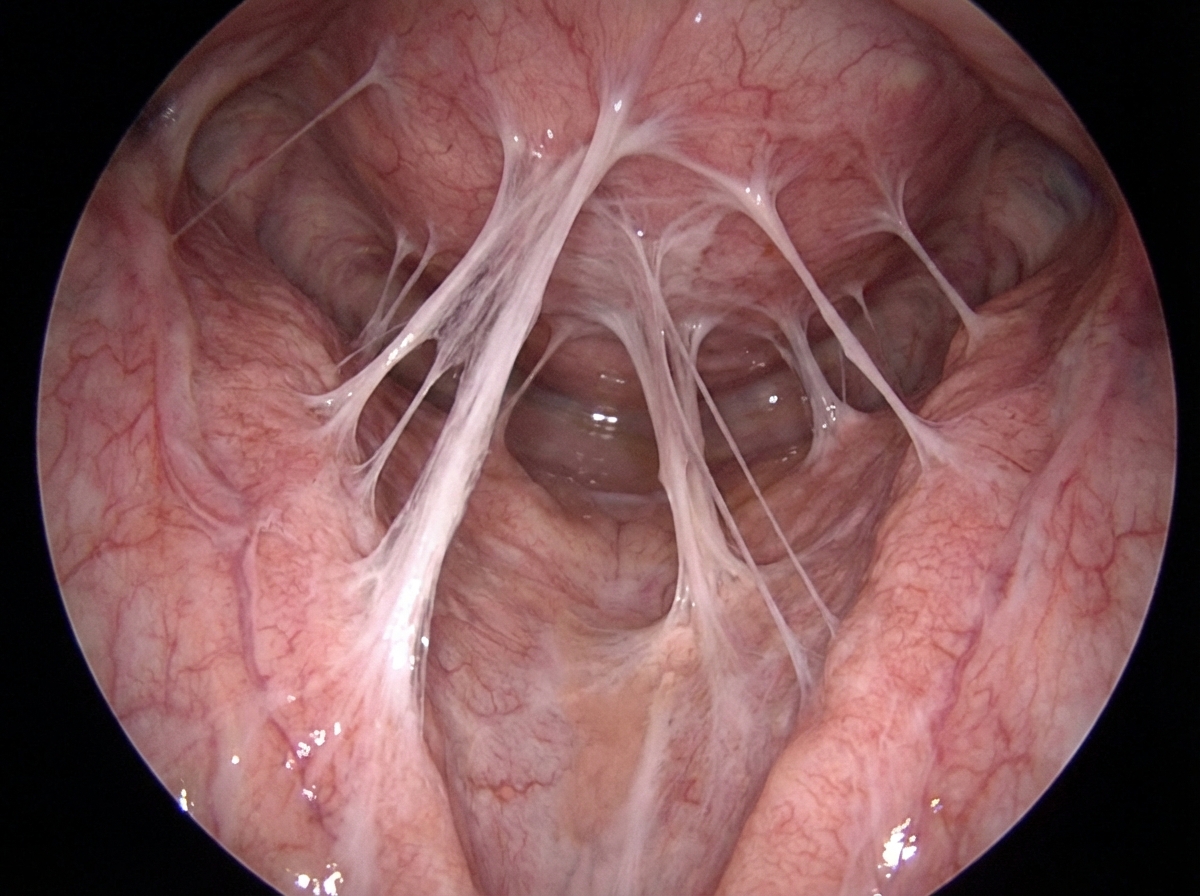
A 28-year-old woman and her husband are admitted to the office due to difficulties conceiving a child for the past year. Her menarche was at the age of 15 years, and her periods have been regular since then. Her medical history is positive for an abortion with curettage 5 years ago. A spermogram on the partner is performed, and it shows motile sperm cells. An ultrasound is performed on the patient and it is unremarkable. The laboratory results show that the FSH, LH, TSH, and prolactin levels are within normal ranges. A hysteroscopy is additionally performed and multiple adhesions are found in the uterus (refer to the image). Which of the following is the most likely composition of the scar tissue present in the uterus?
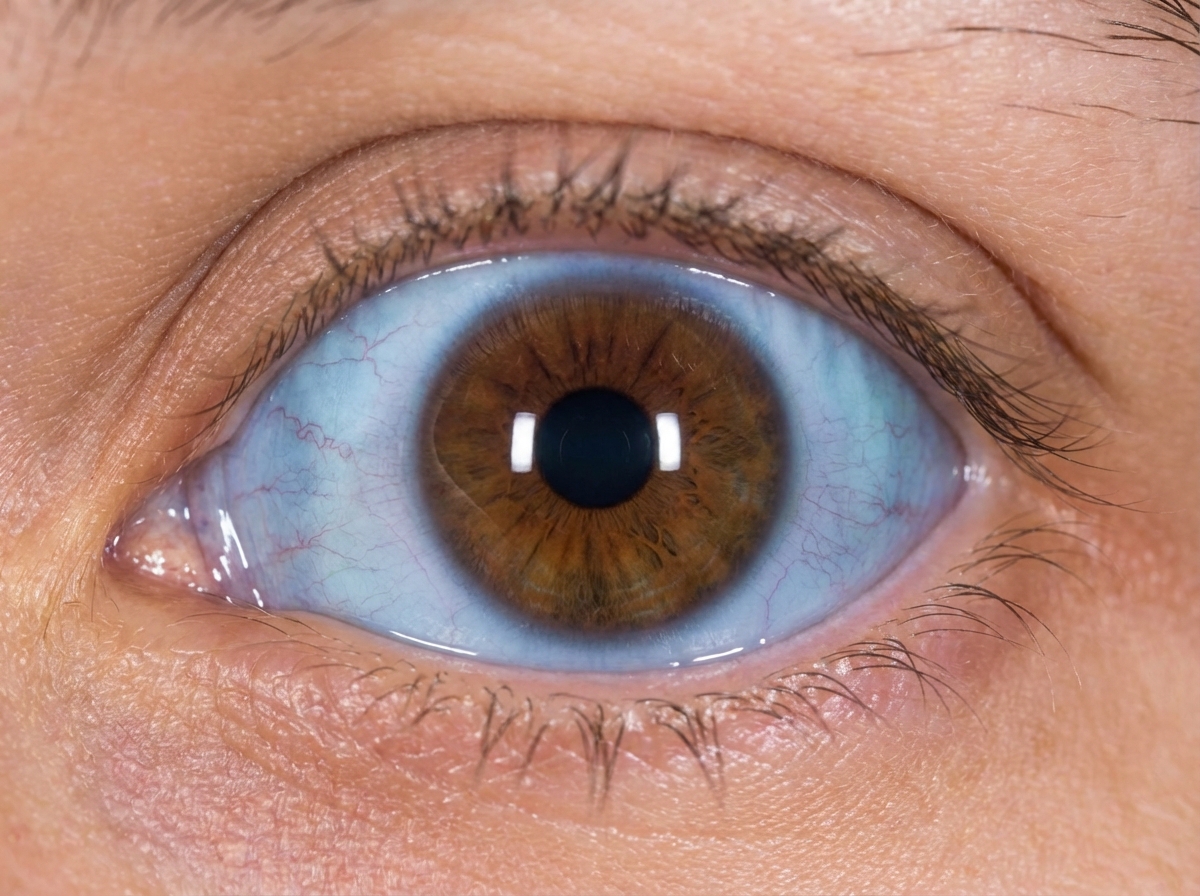
A 7-year-old girl presents to her primary care physician for a routine check-up. The physician allows the medical student to perform a physical examination. The medical student notes hearing impairment as well as the findings show in Figures A and B. Radiographs show indications of multiple old fractures of the humerus that have healed. After questioning the girl’s parents, the medical student learns that in addition, the patient is extremely picky with her food and eats a diet consisting mainly of cereal and pasta. What is the most likely etiology of the patient’s disease?
An epidemiologist is evaluating the efficacy of Noxbinle in preventing HCC deaths at the population level. A clinical trial shows that over 5 years, the mortality rate from HCC was 25% in the control group and 15% in patients treated with Noxbinle 100 mg daily. Based on this data, how many patients need to be treated with Noxbinle 100 mg to prevent, on average, one death from HCC?
A 42-year-old woman comes to the physician with acute, severe pain in the middle of her lower back. She also complains of constipation and trouble sleeping recently. Menses occur regularly at 28-day intervals. Examination shows localized tenderness to palpation over the lumbar spine. Serum calcium is 14 mg/dL and serum phosphorus is 1.5 mg/dL. An x-ray of the lumbar spine shows a compression fracture of the L4 vertebral body and osteopenia. Which of the following is the most likely underlying cause of this patient's decreased bone mineral density?
A 60-year-old male presents with fatigue, dyspnea on exertion, and lower extremity edema. Physical examination reveals an elevated jugular venous pressure and an S3 heart sound. Which of the following medications is most likely to improve this patient's symptoms?
An investigator is studying the structural integrity of collagen. Human fibroblasts are cultured on a medium and different enzymes are applied. One of the cultures is supplemented with an enzyme that inhibits lysyl oxidase, preventing the formation of covalent cross-links between collagen α-chains. Which of the following processes is most likely to be impaired as a result?
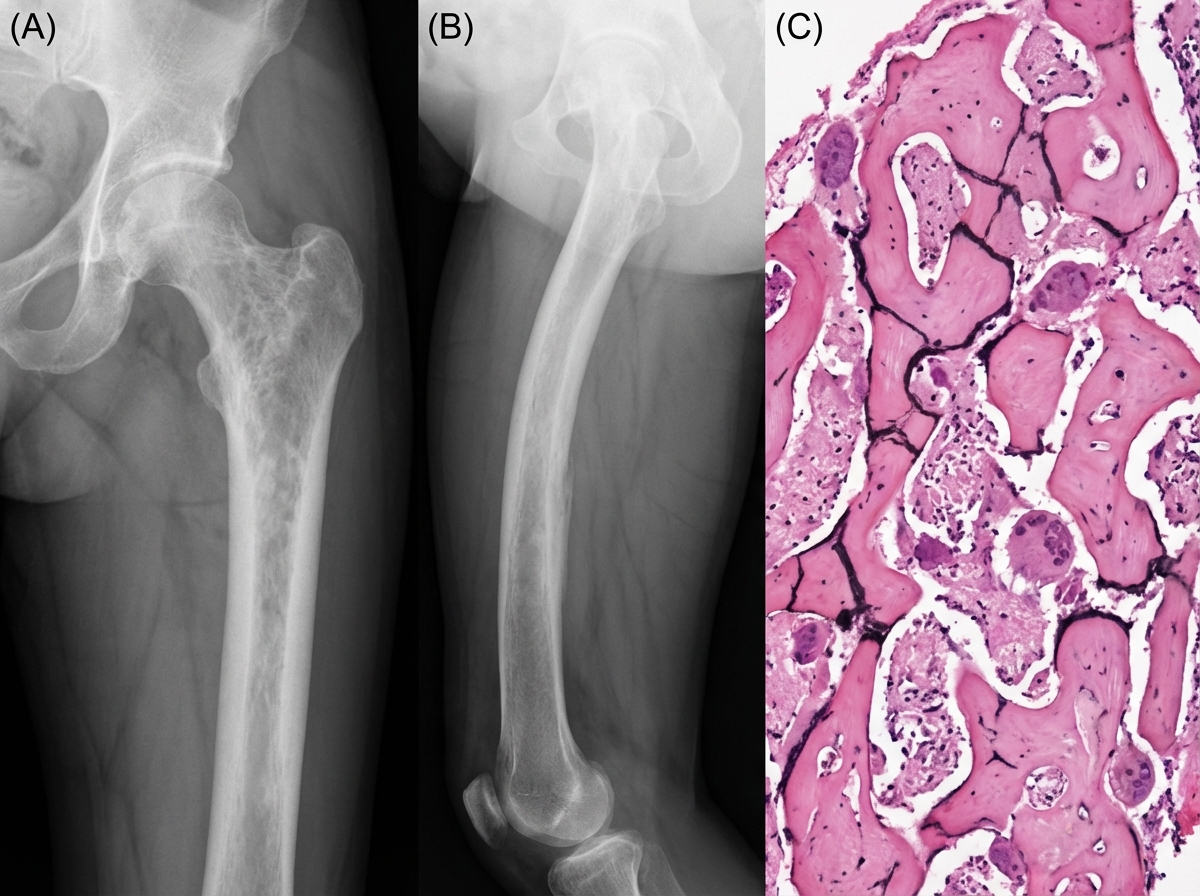
A 55-year-old male presents with left hip pain and stiffness. Radiographs are shown in Figures A and B. Serum alkaline phosphatase levels are elevated. A biopsy of the left femur is performed and shown in Figure C. Which of the following cells are initially responsible for this condition?
A 28-year-old male presents to his primary care physician with complaints of intermittent abdominal pain and alternating bouts of constipation and diarrhea. His medical chart is not significant for any past medical problems or prior surgeries. He is not prescribed any current medications. Which of the following questions would be the most useful next question in eliciting further history from this patient?
A 25-year-old man presents to the emergency department with sudden-onset severe pain in the right shoulder that occurred when he threw a bowling ball 2 hours ago. He has a history of dislocations in both shoulders and subluxation of the right knee and left wrist. There is no history of fractures. On physical examination, the right arm is slightly abducted and externally rotated. An anterior bulge is seen near the shoulder joint. The neurovascular examination of the right arm shows no abnormalities. The skin examination shows multiple widened atrophic scars around the knees, elbows, and ankles. The skin of the neck and around the elbow can easily be extended up to 4 cm. The sclera is white. The remainder of the physical examination shows no abnormalities. A defect in which of the following proteins is the most likely cause of the findings in this patient?
A 24-year-old man presents with a complaint of breathlessness while jogging. He says that he recently started marathon training. He does not have any family history of asthma nor has any allergies. He currently takes no medication. The blood pressure is 120/80 mm Hg, and the heart rate is 67/min. With each heartbeat, he experiences pounding in his chest, and his head bobs. On physical examination, he has long fingers, funnel chest, and disproportionate body proportions with a decreased upper-to-lower segment ratio. On auscultation over the 2nd right intercostal space, an early diastolic murmur is heard, and 3rd and 4th heart sounds are heard. Echocardiography shows aortic root dilatation. The patient is scheduled for surgery. Which of the following is associated with this patient's condition?
Want unlimited practice?
Get full access to all questions, explanations, and performance tracking.
Scan to download app