
Bone structure and types — MCQs

A scientist is studying the anatomy and function of bone growth. He is able to create a cell line of osteocytes with a mutation that prevents the osteocytes from exchanging nutrients and waste products within neighboring lamellae. This mutation most likely affected which of the following cell structures?
A researcher is studying physiologic and hormonal changes that occur during pregnancy. Specifically, they examine the behavior of progesterone over the course of the menstrual cycle and find that it normally decreases over time; however, during pregnancy this decrease does not occur in the usual time frame. The researcher identifies a circulating factor that appears to be responsible for this difference in progesterone behavior. In order to further examine this factor, the researcher denatures the circulating factor and examines the sizes of its components on a western blot as compared to several other hormones. One of the bands the researcher identifies in this circulating factor is identical to that of another known hormone with which of the following sites of action?
A 3-year-old child is brought to the emergency department with multiple bruises in various stages of healing. X-rays reveal several metaphyseal fractures and posterior rib fractures. The parents claim the injuries resulted from normal play activities. Which of the following patterns would most strongly suggest non-accidental trauma?
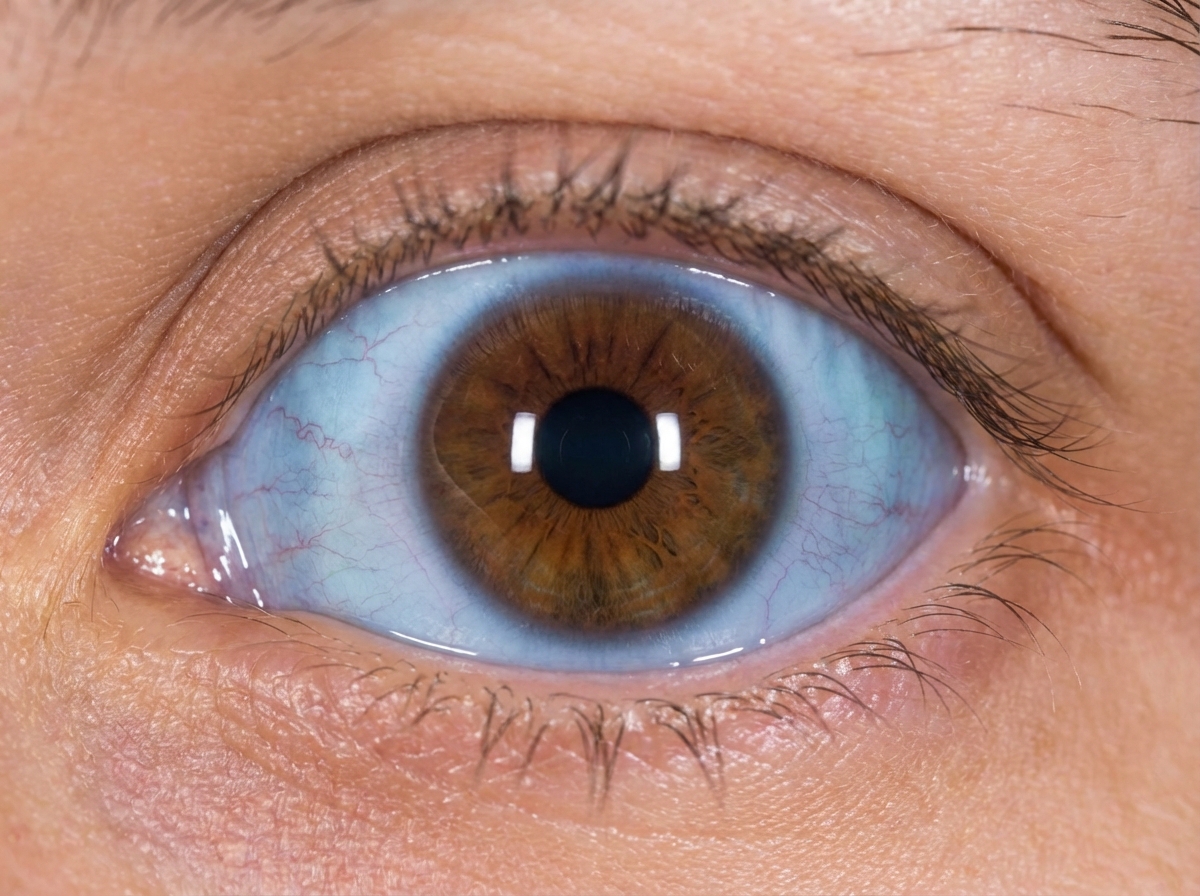
A 7-year-old girl presents to her primary care physician for a routine check-up. The physician allows the medical student to perform a physical examination. The medical student notes hearing impairment as well as the findings show in Figures A and B. Radiographs show indications of multiple old fractures of the humerus that have healed. After questioning the girl’s parents, the medical student learns that in addition, the patient is extremely picky with her food and eats a diet consisting mainly of cereal and pasta. What is the most likely etiology of the patient’s disease?
A 35-year-old man comes to the physician for evaluation of a neck mass and hoarseness. He has no history of major medical illness. Physical examination shows a 2.5-cm fixed, irregular thyroid nodule. His serum calcitonin concentration is elevated. The nodule is most likely comprised of cells that are embryologically derived from which of the following structures?
A 42-year-old woman comes to the physician with acute, severe pain in the middle of her lower back. She also complains of constipation and trouble sleeping recently. Menses occur regularly at 28-day intervals. Examination shows localized tenderness to palpation over the lumbar spine. Serum calcium is 14 mg/dL and serum phosphorus is 1.5 mg/dL. An x-ray of the lumbar spine shows a compression fracture of the L4 vertebral body and osteopenia. Which of the following is the most likely underlying cause of this patient's decreased bone mineral density?
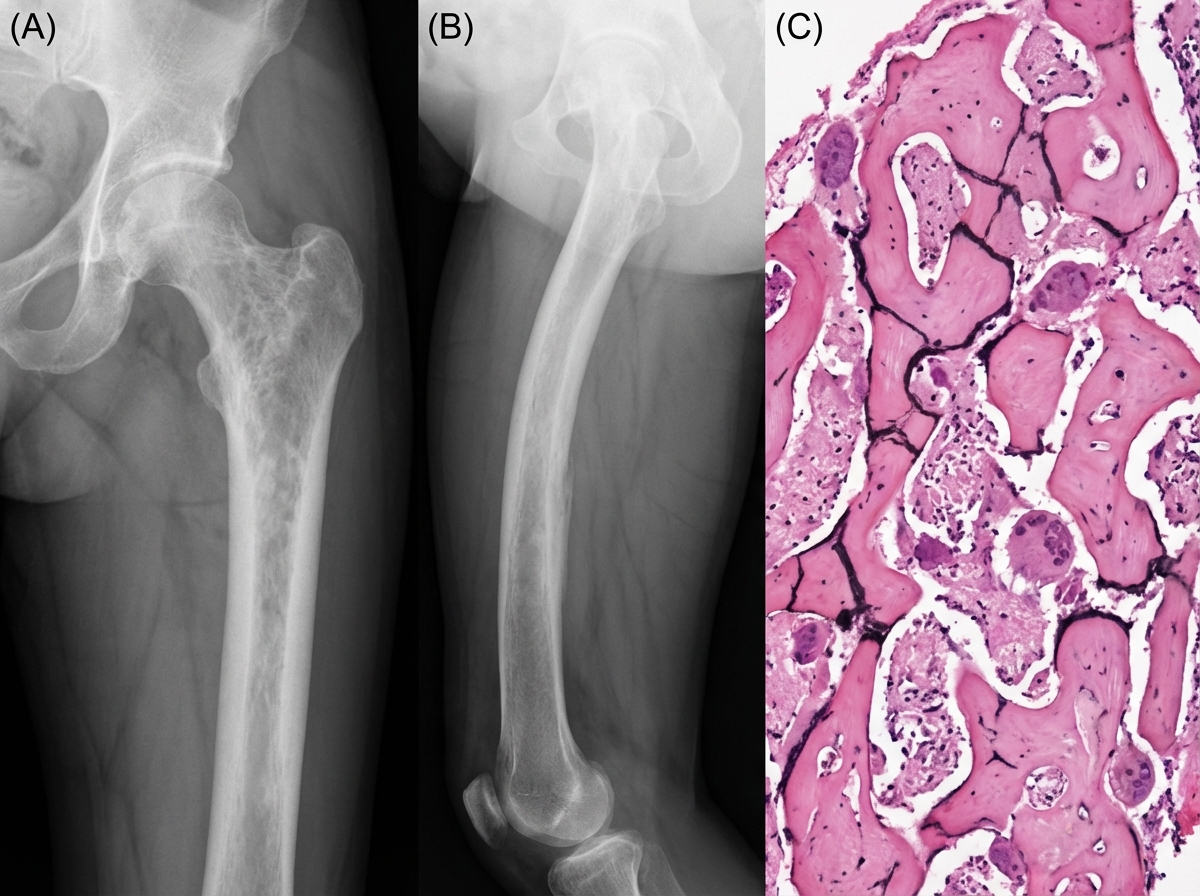
A 55-year-old male presents with left hip pain and stiffness. Radiographs are shown in Figures A and B. Serum alkaline phosphatase levels are elevated. A biopsy of the left femur is performed and shown in Figure C. Which of the following cells are initially responsible for this condition?
A 33-year-old man presents to his primary care physician with shoulder pain. He states that he can't remember a specific instance when the injury occurred. He is a weight lifter and competes in martial arts. The patient has no past medical history and is currently taking a multivitamin. Physical exam demonstrates pain with abduction of the patient's right shoulder and with external rotation of the right arm. There is subacromial tenderness with palpation. His left arm demonstrates 10/10 strength with abduction as compared to 4/10 strength with abduction of the right arm. Which of the following best confirms the underlying diagnosis?
A 3-month-old infant presents with severe joint hypermobility, skin hyperextensibility, and delayed wound healing. Skin biopsy shows abnormal collagen fibril organization with irregular diameter and reduced tensile strength. Genetic testing reveals a mutation affecting lysyl hydroxylase, an enzyme involved in collagen post-translational modification. The family asks about prognosis and potential complications. Synthesize the biochemical defect with clinical manifestations to determine the most critical pathophysiological mechanism.
A 58-year-old woman undergoes cervical biopsy following an abnormal Pap smear. Histology shows full-thickness epithelial atypia with loss of cellular polarity, increased nuclear-to-cytoplasmic ratio, and numerous mitotic figures, but the basement membrane remains intact. Her oncologist discusses treatment options. The patient is concerned about progression risk versus overtreatment. Evaluate the most appropriate management strategy considering the tissue diagnosis and natural history.
Want unlimited practice?
Get full access to all questions, explanations, and performance tracking.
Scan to download app