
Pancreatic Anatomy and Physiology — MCQs

CT scan of abdomen showing a structure branching within the liver. Identify the structure.
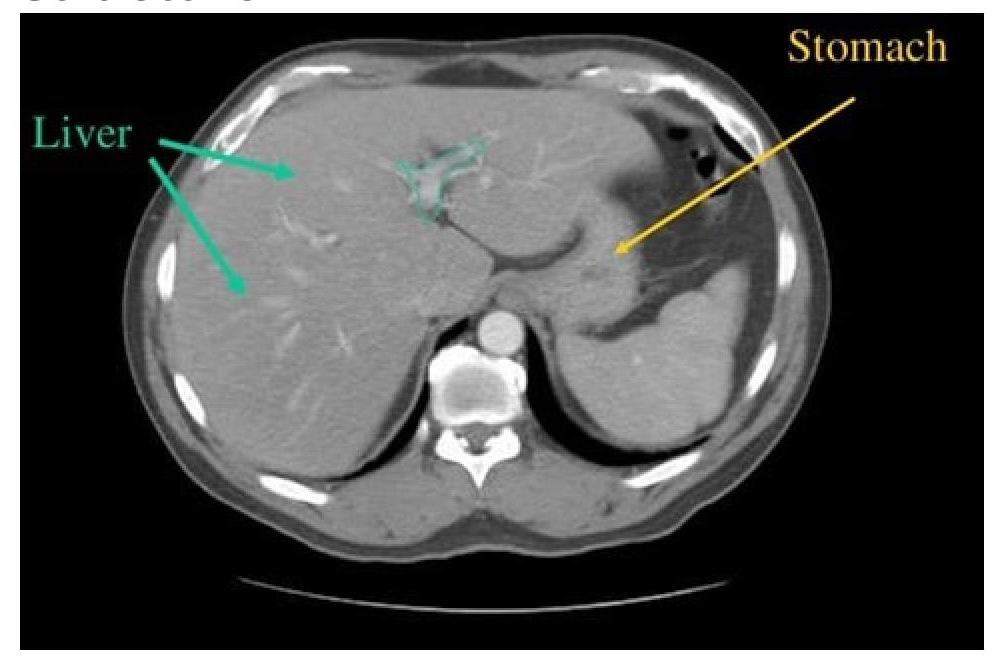
A 38-year-old female presents to the physician with complaints of excessive thirst and urination for the past 4 weeks. Her appetite has been normal and she has not had diarrhea. Blood chemistry showed mildly elevated glucose and glucagon. Physical examination reveals tenderness in the left upper quadrant and an erythematous necrotizing skin eruption on her legs. Radiographic studies show a tumor in the pancreas. Which of the following cells is responsible for this lesion?
The duct of Wirsung is:
A 45-year-old patient with chronic pancreatitis is suffering from malnutrition and weight loss secondary to inadequate pancreatic exocrine secretions. Which of the following is true regarding pancreatic secretions?
Which structure is located immediately posterior to the head of the pancreas?
Destruction of fat in acute pancreatitis is due to ?
Which of the following statements about the first part of the duodenum is false?
What is the median survival time for patients with carcinoma of the pancreas after surgery and adjuvant therapy?
After pancreaticoduodenectomy (PD surgery), when should the first postoperative follow-up visit be scheduled to assess the patient's recovery?
In acute pancreatitis, surgery is indicated in which one of the following conditions?
Want unlimited practice?
Get full access to all questions, explanations, and performance tracking.
Scan to download app