
NOTES (Natural Orifice Transluminal Endoscopic Surgery) — MCQs

What is the preferred management of a uterine septum?
Most sensitive method of monitoring cardiovascular ischemia in the perioperative period is -
Which document has highest medicolegal significance in suspected medical negligence?
Which structure can be palpated through the anterior wall of the rectum, directly in front of the rectum in the midline, during a rectal examination of a 27-year-old woman?
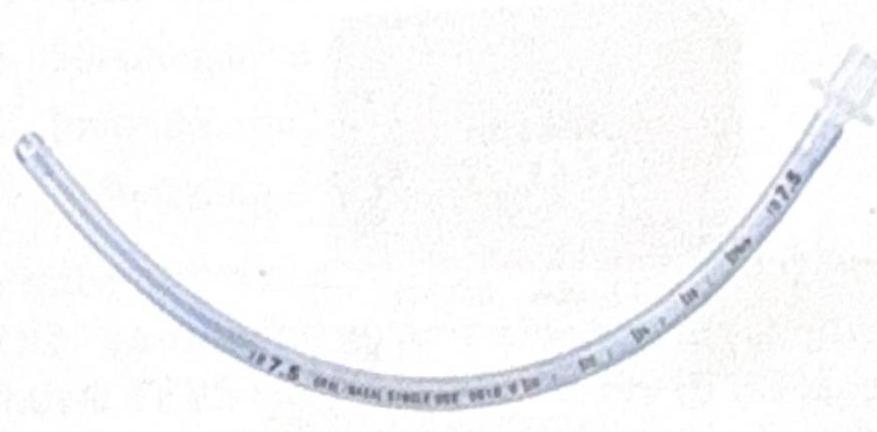
Identify the instrument shown in the image:
What imaging study is typically required before endoscopic sinus surgery?
What is the most appropriate surgical management for a patient with achalasia who has tried nonoperative therapies, including lifestyle modifications, calcium channel blockers, botulin toxin injections, and endoscopic pneumatic dilatation, but has not experienced symptom relief?
One of the risks of the endometrial biopsy that was performed on this patient is perforation of the uterus. The endometrial biopsy device is placed through the cervix and into the endometrial cavity. If complete perforation occurs, what is the sequence of layers that the biopsy device would penetrate prior to entering the peritoneal cavity?
Statement 1 - A 59-year-old patient presents with flaccid bullae. Histopathology shows a suprabasal acantholytic split. Statement 2 - The row of tombstones appearance is diagnostic of Pemphigus vulgaris.
Which of the following about Minimal Access Surgery are correct? I. Decreased intraoperative heat loss II. Improved visualization III. Increased chances of herniation IV. Improved mobility Select the answer using the code given below :
Want unlimited practice?
Get full access to all questions, explanations, and performance tracking.
Scan to download app