Quantitative Imaging Biomarkers — MCQs

Quantitative Imaging Biomarkers — MCQs

Quantitative Imaging Biomarkers — MCQs
10 questions
Read Study Notes
Q1

N3a TNM staging of head and neck tumors (AJCC 8th edition) shows:

Q2

If a biochemical test gives the same reading for a sample on repeated testing, it is inferred that the measurement is -

Q3

Which imaging modality is most sensitive for detecting early ischemic stroke?

Q4

Substance used for PET scan is

Q5

MUGA scan is not useful in:

Q6

A middle aged male patient presents with painless slow growing neck swelling. On examination, lymph nodes are positive. Surgery is done and biopsy is shown in the image below. Which of the following is false regarding the HPE findings?
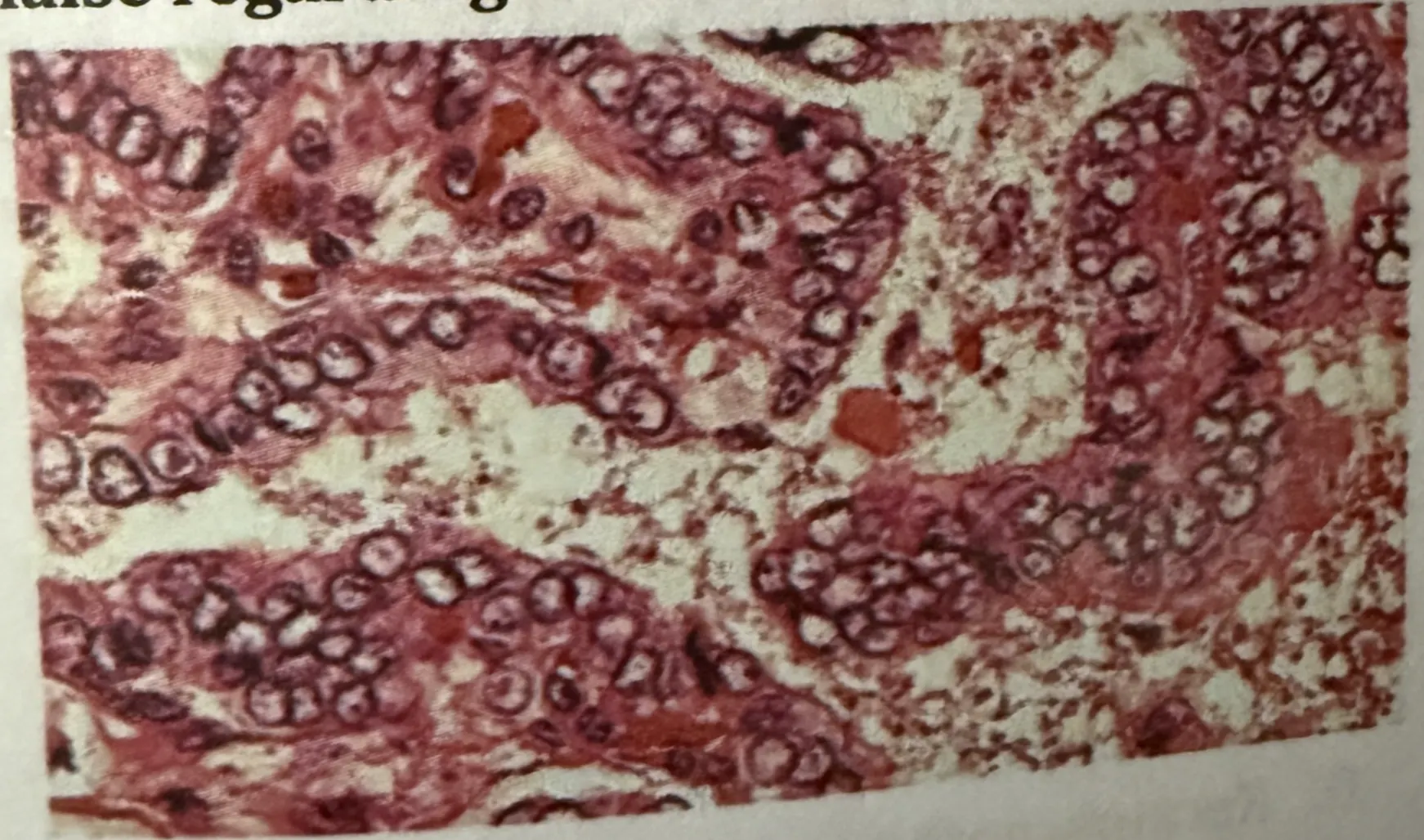
Image for question 6
Q7

A 48-year-old woman presents with suspected myocardial ischemia. Pharmacologic stress myocardial perfusion SPECT with Tc-99m sestamibi shows reversible perfusion defect in the inferior wall. Evaluate the optimal management approach based on this functional imaging finding.

Q8

A 70-year-old male with recurrent prostate cancer post-prostatectomy has rising PSA (4.2 ng/mL) but negative conventional imaging. Which functional imaging modality would provide the highest detection rate for disease localization in this clinical scenario?

Q9

A 58-year-old presents with progressive cognitive decline. MRI brain is unremarkable. FDG-PET shows bilateral temporoparietal and posterior cingulate hypometabolism with relative sparing of sensorimotor cortex. Analyze these findings to determine the most likely diagnosis.

Q10

A 62-year-old male with lung cancer undergoes baseline PET-CT showing a 4 cm right upper lobe mass with SUVmax of 8.5. After 2 cycles of chemotherapy, repeat PET-CT shows the mass measures 3.5 cm with SUVmax of 3.2. Analyze the metabolic response according to PERCIST criteria.

Want unlimited practice?

Get full access to all questions, explanations, and performance tracking.

Start For Free