The "Rim Sign" on contrast studies of the kidney is characteristically seen in which of the following conditions?
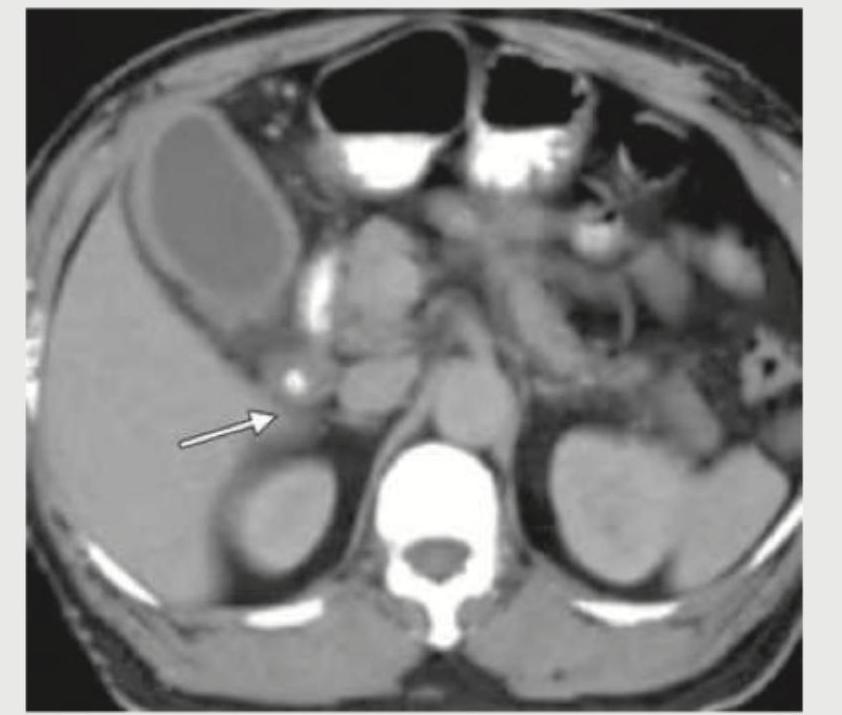
What is the X-ray appearance of a common bile duct stone on cholangiography?
What is the incidence of adrenal incidentaloma on CT scan?
What is the investigation of choice for recurrent GIST?
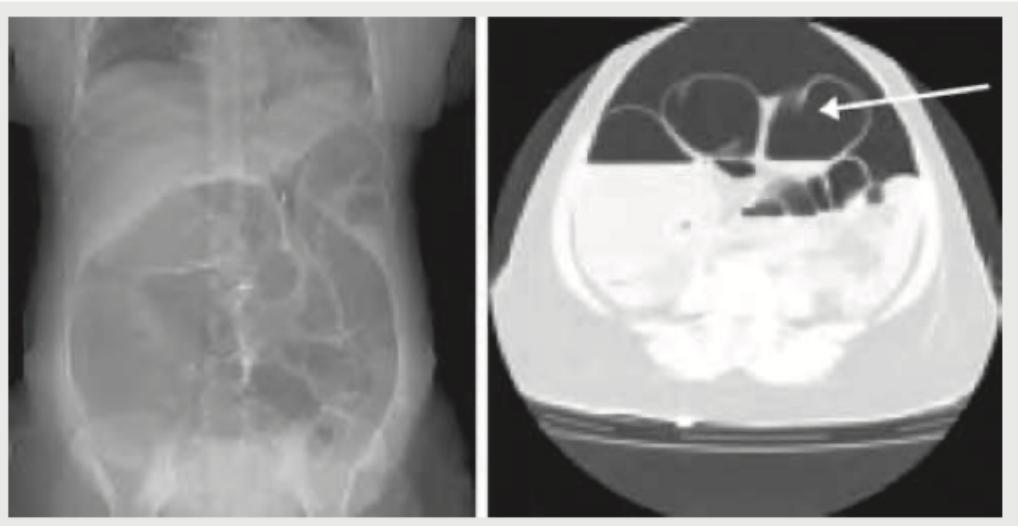
The "triple bubble sign" is characteristic of which of the following conditions?
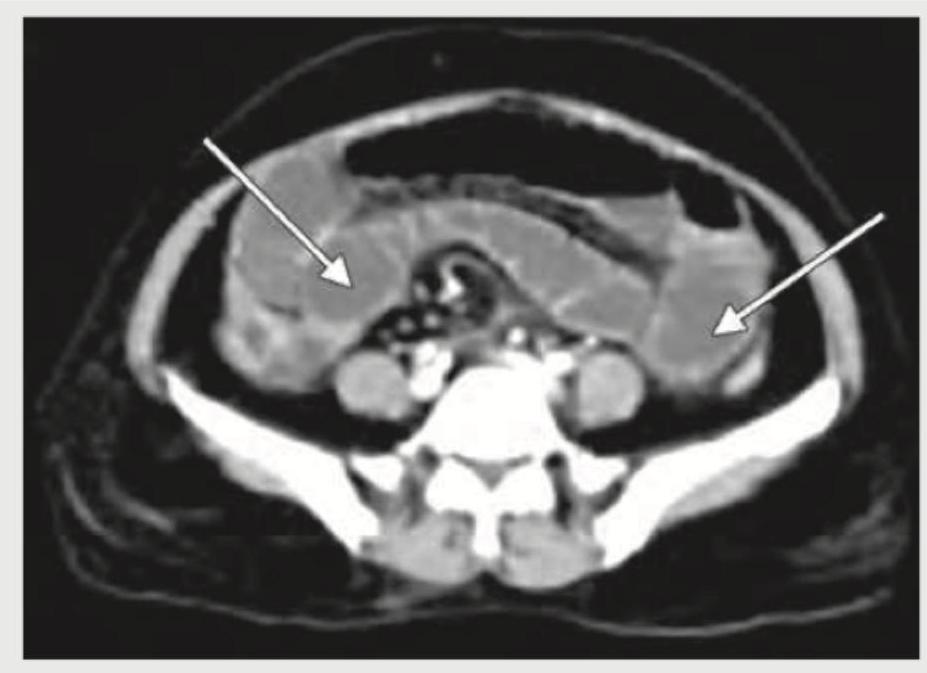
The 'thumb printing' sign on a barium study is characteristic of which of the following conditions?
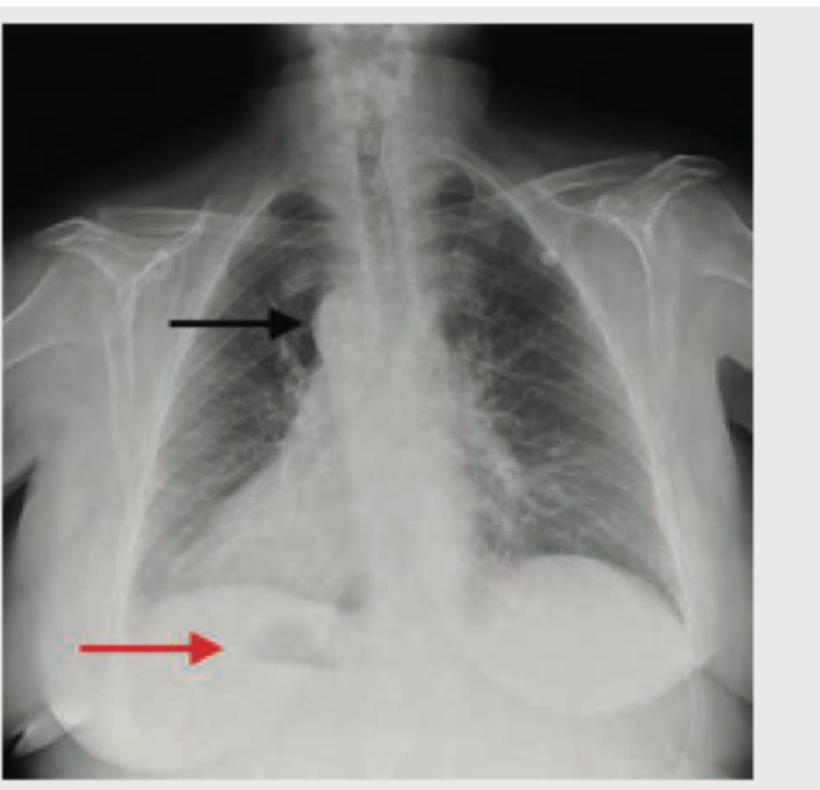
Which of the following are ultrasound signs of fetal death?
What condition is characterized by the 'claw sign' on an X-ray?
Cobblestone appearance on barium enema in a neonate is a characteristic feature of which condition?
A 'cut off' sign on a plain X-ray of the abdomen is indicative of which of the following conditions?
Explanation: **Explanation:** The **"Rim Sign"** (also known as the Crescent Sign) is a classic radiological finding in **Chronic Hydronephrosis** seen during the nephrogram phase of an Intravenous Urography (IVU) or Contrast-Enhanced CT (CECT). **1. Why Chronic Hydronephrosis is correct:** In long-standing, severe hydronephrosis, the renal parenchyma becomes markedly thinned and compressed due to the high pressure of the dilated collecting system. When contrast is administered, the remaining functional collecting ducts in the compressed parenchyma are oriented parallel to the surface of the dilated calyces. This results in a thin, opacified "rim" or "crescent" of contrast surrounding the radiolucent, fluid-filled dilated calyces. **2. Why other options are incorrect:** * **Renal Cortical Necrosis:** Characterized by the **"Reverse Rim Sign"** (or Cortical Rim Sign), where the medulla and a thin rim of subcapsular cortex enhance, but the necrotic cortex remains non-enhancing. * **Renal Papillary Necrosis:** Associated with findings like the **"Egg-in-a-cup"** appearance, "Lobster claw" sign, or "Ring sign" (due to sloughed papilla), but not the Rim Sign. * **Renal Cell Carcinoma (RCC):** Typically presents as a heterogeneously enhancing mass with areas of necrosis. It does not produce a circumferential rim of compressed parenchyma. **High-Yield Clinical Pearls for NEET-PG:** * **Rim Sign:** Chronic Hydronephrosis. * **Reverse Rim Sign:** Renal Cortical Necrosis (also seen in Renal Artery Occlusion). * **Maiden Waist Deformity:** Retroperitoneal Fibrosis (medial deviation of ureters). * **Drooping Lily Sign:** Duplex collecting system (obstructed upper pole). * **Phantom Calyx:** Renal Tuberculosis or RCC.
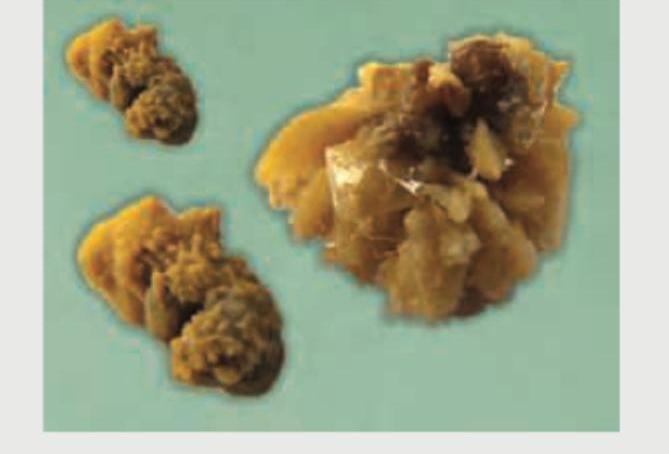
Explanation: ### Explanation The correct answer is **A. Meniscus appearance**. **1. Why "Meniscus appearance" is correct:** When a radiopaque or radiolucent gallstone (calculus) is lodged in the Common Bile Duct (CBD), it creates a **filling defect** within the contrast column. Because the stone is typically spherical or ovoid, the contrast medium flows around its upper convex border, creating a characteristic **crescentic or "meniscus" sign**. This is the hallmark of an intraluminal filling defect like a stone on ERCP (Endoscopic Retrograde Cholangiopancreatography) or T-tube cholangiography. **2. Why the other options are incorrect:** * **B. Sudden cut off:** This appearance is typically associated with **malignancy** (e.g., Cholangiocarcinoma or Gallbladder cancer invading the duct) or complete obstruction by an impacted stone, but it lacks the classic rounded contour of a meniscus. * **C. Smooth tapering:** This is the classic description for **"Rat-tail appearance"** or **"Bird-beak appearance,"** which is characteristic of **Achalasia Cardia** (in the esophagus) or benign strictures. In the biliary tree, smooth tapering is often seen in benign postoperative strictures or Primary Sclerosing Cholangitis (PSC). * **D. Eccentric occlusion:** This suggests an extrinsic compression or an asymmetrical growth, often seen in extrinsic tumors (e.g., Periampullary carcinoma or Pancreatic head mass) rather than an intraluminal stone. **3. High-Yield Clinical Pearls for NEET-PG:** * **Gold Standard Investigation:** MRCP is the diagnostic gold standard for CBD stones (non-invasive), while ERCP is the therapeutic gold standard. * **Shoulder Sign:** Often seen in malignant strictures where the duct dilates abruptly above the tumor. * **Double Duct Sign:** Simultaneous dilatation of the CBD and the Pancreatic duct, highly suggestive of **Carcinoma Head of Pancreas**. * **Beaded Appearance:** Characteristic of **Primary Sclerosing Cholangitis (PSC)** due to multiple short-segment strictures and intervening normal/dilated segments.
Explanation: **Explanation:** An **adrenal incidentaloma** is defined as an asymptomatic adrenal mass (≥1 cm) discovered during an imaging study performed for reasons other than suspected adrenal disease. **1. Why Option A is correct:** In the general population, the incidence of adrenal incidentalomas on CT scans is approximately **4% to 5%**. While the prevalence increases significantly with age (less than 1% in patients under 30 years to nearly 7-10% in those over 70 years), the overall average remains below the 5% threshold. Most of these lesions (approx. 80%) are non-functional benign adenomas. **2. Why other options are incorrect:** * **Option B (5-10%):** This range is too high for the general population, though it may be seen in specific elderly cohorts. * **Options C & D (10-20% and >25%):** These figures are inaccurate for incidental findings. Such high percentages are typically only seen in autopsy series of very elderly patients or patients with known primary malignancies (where the adrenal is a common site for metastasis). **Clinical Pearls for NEET-PG:** * **Initial Workup:** Every incidentaloma must be evaluated for **hormonal activity** (Pheochromocytoma, Cushing’s, and Primary Aldosteronism) and **malignancy**. * **Imaging Characteristics:** A benign adenoma typically has **low attenuation (<10 Hounsfield Units)** on non-contrast CT due to high intracellular lipid content. * **Washout:** A relative washout of >40% or absolute washout of >60% on delayed contrast CT suggests a benign adenoma. * **Size Threshold:** Masses **>4 cm** have a higher risk of malignancy and are often considered for surgical resection (Adrenalectomy).
Explanation: **Explanation:** **Gastrointestinal Stromal Tumors (GIST)** are mesenchymal tumors arising from the Interstitial Cells of Cajal. The management and follow-up of GIST have been revolutionized by Tyrosine Kinase Inhibitors (TKIs) like Imatinib. **1. Why PET-CT is the Correct Answer:** While Contrast-Enhanced CT (CECT) is the standard for initial staging and routine follow-up, **PET-CT (using 18F-FDG)** is the investigation of choice for **recurrent GIST** and for assessing **early treatment response**. * **Functional Assessment:** GISTs are highly glucose-avid. PET-CT can detect metabolic changes within 2–4 weeks of starting therapy, long before structural changes (size reduction) appear on a regular CT. * **Recurrence:** It is superior in differentiating postoperative changes/fibrosis from active tumor recurrence and identifying small peritoneal implants. **2. Why Other Options are Incorrect:** * **MIBG (Metaiodobenzylguanidine):** This is a radiopharmaceutical used for neuroendocrine tumors like Pheochromocytoma and Neuroblastoma. It has no role in GIST. * **MRI:** While useful for rectal GISTs or liver-specific metastasis (using gadoxetic acid), it is not the primary choice for generalized recurrence monitoring compared to PET-CT. * **CECT:** This is the "gold standard" for initial diagnosis and monitoring size (using RECIST criteria). However, in the specific context of **recurrent** disease or evaluating TKI resistance, PET-CT is more sensitive. **Clinical Pearls for NEET-PG:** * **Most common site:** Stomach (60%), followed by the small intestine. * **Marker:** **CD117 (c-KIT)** is the most specific immunohistochemical marker. * **Choi Criteria:** These are specific CT criteria used to evaluate GIST response (measuring tumor density/Hounsfield units rather than just size). * **Mutation:** Most commonly involves the **KIT gene**.
Explanation: **Explanation:** The **"Triple Bubble Sign"** is a classic radiological finding seen on an abdominal X-ray, representing gas-filled pockets in the **stomach, duodenum, and the proximal jejunum**. It occurs due to a high-grade intestinal obstruction at the level of the jejunum. **1. Why Jejunal Atresia is Correct:** In jejunal atresia, the obstruction is distal to the duodenum. Air swallowed by the newborn distends the stomach (first bubble), the duodenum (second bubble), and the proximal-most segment of the jejunum (third bubble). This sign is highly specific for **proximal jejunal atresia** or occasionally a midgut volvulus. **2. Analysis of Incorrect Options:** * **Duodenal Atresia:** Characterized by the **"Double Bubble Sign"** (stomach and duodenum). There is no third bubble because the obstruction is at the level of the duodenum, preventing air from reaching the jejunum. * **Ileal Atresia:** Typically presents with **multiple dilated loops** of small bowel (more than three) and air-fluid levels, as the obstruction is much further down the gastrointestinal tract. * **Congenital Hepatic Fibrosis:** This is a liver pathology associated with portal hypertension and renal cystic disease; it does not cause acute neonatal bowel obstruction or specific "bubble" signs on X-ray. **High-Yield Clinical Pearls for NEET-PG:** * **Single Bubble:** Hypertrophic Pyloric Stenosis (stomach only). * **Double Bubble:** Duodenal Atresia (associated with Down Syndrome), Annular Pancreas, Malrotation. * **Triple Bubble:** Jejunal Atresia. * **Ground Glass Appearance/Soap Bubble Sign:** Meconium Ileus (associated with Cystic Fibrosis). * **Vascular Accident Theory:** Unlike duodenal atresia (recanalization failure), jejunal and ileal atresias are usually caused by an **in-utero vascular accident** (ischemic necrosis).
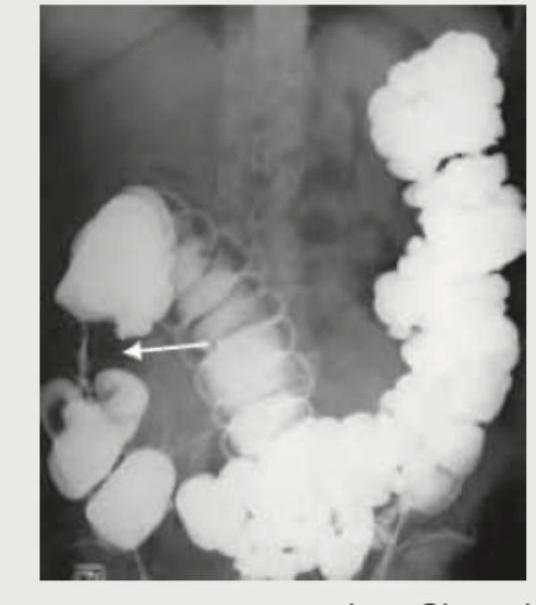
Explanation: ### Explanation The **'thumb printing' sign** is a classic radiological finding seen on a barium enema or plain abdominal X-ray. It represents **focal submucosal edema and hemorrhage** caused by an acute vascular insult to the bowel wall. **1. Why Ischemic Colitis is Correct:** In **Ischemic Colitis**, the sudden reduction in blood flow leads to mucosal injury. The resulting submucosal fluid accumulation (edema) or blood (hemorrhage) causes the bowel wall to bulge into the lumen. On a barium study, these protrusions appear as smooth, rounded indentations that resemble the impression made by a thumb pressed into dough. This sign is most commonly seen in the "watershed" areas of the colon, such as the splenic flexure (Griffith’s point). **2. Why the Other Options are Incorrect:** * **Duodenal Ulcer:** Typically presents with a "crater" or "niche" (barium-filled hole) or a "cloverleaf deformity" in chronic cases due to scarring of the duodenal bulb. * **Carcinoma of the Stomach:** Characterized by irregular filling defects, rigid stomach walls (linitis plastica), or an "apple core" appearance if involving the pylorus. * **Carcinoma of the Head of the Pancreas:** Classically associated with the **'Frostberg’s inverted 3 sign'** on a barium swallow/meal, caused by the tumor fixing the medial wall of the duodenum. **3. NEET-PG High-Yield Pearls:** * **Differential Diagnosis for Thumb Printing:** While most characteristic of Ischemic Colitis, it can also be seen in **Ulcerative Colitis** (acute phase), **Crohn’s disease**, and **Submucosal hemorrhage** (e.g., in patients on anticoagulants). * **Lead Pipe Colon:** Seen in chronic Ulcerative Colitis (loss of haustrations). * **String Sign of Kantor:** Seen in Crohn’s disease (terminal ileum narrowing). * **Apple Core Sign:** Classic for Colorectal Carcinoma.
Explanation: To master NEET-PG Radiology and Obstetrics, it is crucial to differentiate between clinical signs of early pregnancy and radiological signs of fetal demise. ### **Explanation of the Correct Answer** **Hegar’s Sign (Option D)** is the correct answer because it is **not** an ultrasound sign of fetal death. Instead, it is a **clinical sign of early pregnancy** (usually detectable between 6–12 weeks). It refers to the softening of the uterine isthmus felt during a bimanual examination. Since the question asks for ultrasound signs of fetal death, Hegar’s sign is the "odd one out." ### **Analysis of Incorrect Options (Ultrasound Signs of Fetal Death)** * **Heartbeat Absent (Option B):** This is the most definitive and immediate ultrasound sign of fetal death. The absence of cardiac activity on M-mode or Doppler confirms the diagnosis. * **Spalding Sign (Option C):** A classic radiological sign referring to the **overlapping of fetal skull bones** caused by the liquefaction of the brain and loss of intra-cranial pressure following death. It typically appears 4–7 days after demise. * **Halo Sign / Deuel’s Sign (Option A):** This refers to the secondary scalp edema that creates a "halo" appearance around the fetal head on ultrasound, indicating fetal maceration. ### **High-Yield Clinical Pearls for NEET-PG** * **Robert’s Sign:** The presence of gas in the fetal heart or great vessels (earliest radiological sign, seen within 12 hours of death). * **Spalding’s Sign vs. Robert’s Sign:** Spalding’s involves the skull (delayed); Robert’s involves gas (early). * **Confirmatory Test:** Transvaginal Ultrasound (TVS) is superior to Transabdominal Ultrasound (TAS) for detecting early embryonic cardiac activity. * **Hegar’s Sign vs. Goodell’s Sign:** Hegar’s is isthmus softening; Goodell’s is cervical softening. Both are signs of pregnancy, not death.
Explanation: **Explanation:** The **'Claw Sign'** is a classic radiological finding seen in **Intussusception**, a condition where a proximal segment of the bowel (intussusceptum) telescopes into a distal segment (intussuscipiens). On a contrast enema (barium or air), the contrast material outlines the rounded head of the intussusceptum, creating a crescentic or "claw-like" appearance as it fills the space between the two layers of the bowel. **Analysis of Options:** * **Intussusception (Correct):** In addition to the claw sign on contrast studies, ultrasound typically shows the **'Target' or 'Donut' sign** (transverse) and the **'Pseudokidney' sign** (longitudinal). * **Ischemic Colitis:** Characterized by **'Thumbprinting'** on X-ray/CT, representing submucosal edema and hemorrhage. * **Sigmoid Volvulus:** Classically presents with the **'Coffee Bean' sign** or 'Omega' sign on a plain abdominal X-ray, representing a massively dilated sigmoid loop. * **Crohn’s Disease:** Associated with the **'String Sign of Kantor'** (terminal ileum narrowing) and 'Proud Flesh' (widened inter-loop distance) on barium studies. **High-Yield Clinical Pearls for NEET-PG:** * **Most common site:** Ileocolic junction. * **Clinical Triad:** Intermittent abdominal pain, palpable sausage-shaped mass, and **'Red currant jelly' stools**. * **Treatment of choice:** Hydrostatic or pneumatic reduction (under USG/Fluoroscopy) is the initial treatment in stable patients. * **Lead point:** In children, it is usually idiopathic (lymphoid hyperplasia); in adults, a pathological lead point (like a tumor or Meckel’s diverticulum) is often present.
Explanation: ### Explanation **1. Why Hirschsprung Disease (HD) is Correct:** Hirschsprung disease is characterized by the congenital absence of ganglion cells (Auerbach’s and Meissner’s plexuses) in the distal colon. While the classic barium enema finding is a **transition zone** (narrow aganglionic segment with proximal dilation), a **"cobblestone" or "serrated" appearance** can occur due to irregular mucosal contractions or superficial ulcerations in the aganglionic segment. Additionally, in cases complicated by **Hirschsprung-associated enterocolitis (HAEC)**, mucosal edema and ulceration further accentuate this cobblestone pattern. **2. Analysis of Incorrect Options:** * **Anorectal Malformation (ARM):** Diagnosis is primarily clinical (absent anal opening). Imaging (Invertogram or Cross-table lateral X-ray) focuses on the distance between the perineal skin and the rectal pouch, not mucosal patterns. * **Mucoviscidosis (Cystic Fibrosis):** In neonates, this typically presents as **Meconium Ileus**. Barium enema would show a **"Microcolon"** (unused colon) due to proximal obstruction in the terminal ileum, not a cobblestone appearance. * **Patent Allantois (Urachus):** This is a urological anomaly where the connection between the bladder and umbilicus remains open. It presents with urine leaking from the umbilicus and is unrelated to colonic mucosal findings. **3. NEET-PG High-Yield Pearls:** * **Gold Standard Diagnosis:** Rectal Suction Biopsy (shows absence of ganglion cells and increased Acetylcholinesterase staining). * **Initial Screening:** Plain X-ray shows dilated bowel loops; Barium enema shows the **Transition Zone** (most common finding). * **Clinical Sign:** Failure to pass meconium within the first 24–48 hours and a positive "squirt sign" (explosive release of stool on digital rectal exam). * **Associated Condition:** Down Syndrome (Trisomy 21) is seen in ~10% of HD cases.
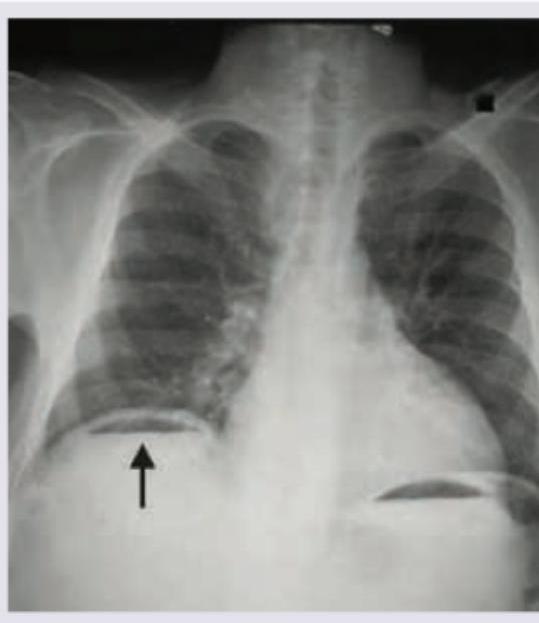
Explanation: **Explanation:** The **'Colon Cut-off Sign'** is a classic radiologic finding in **Acute Pancreatitis**. It refers to the abrupt termination of gas within the transverse colon at the level of the splenic flexure. **Mechanism:** In acute pancreatitis, inflammatory exudate and enzymes track along the **phrenicocolic ligament** to the splenic flexure. This causes localized inflammation and functional spasm of the adjacent colon. Consequently, the proximal colon (ascending and transverse) becomes dilated with air, while the descending colon remains collapsed, creating the "cut-off" appearance. **Analysis of Options:** * **A. Mesenteric Ischemia:** Typically presents with "thumbprinting" (due to mucosal edema) or pneumatosis intestinalis (air in the bowel wall) in late stages, rather than a localized cut-off sign. * **B. Intussusception:** Characterized by a "target sign" or "pseudokidney sign" on ultrasound. On X-ray, it may show a soft tissue mass or signs of distal bowel obstruction, but not the colon cut-off sign. * **D. Acute Cholangitis:** This is a clinical diagnosis (Charcot’s Triad). Imaging usually focuses on biliary tree dilatation via USG or MRCP; plain X-rays are generally non-specific. **High-Yield Clinical Pearls for NEET-PG:** * **Sentinel Loop:** Another X-ray sign of acute pancreatitis, representing a localized paralytic ileus of a jejunal loop near the inflamed pancreas. * **Ground Glass Appearance:** May be seen on X-ray if there is significant ascites (pancreatic ascites). * **Gold Standard Imaging:** Contrast-Enhanced CT (CECT) is the investigation of choice to assess the severity and complications (necrosis) of pancreatitis, usually performed 48–72 hours after symptom onset.
Imaging of Liver
Practice Questions
Biliary Tract Imaging
Practice Questions
Pancreatic Imaging
Practice Questions
Spleen and Lymphatic System
Practice Questions
Gastrointestinal Tract Imaging
Practice Questions
Renal and Urinary Tract Imaging
Practice Questions
Adrenal Imaging
Practice Questions
Female Pelvic Imaging
Practice Questions
Male Pelvic Imaging
Practice Questions
Abdominal Trauma Imaging
Practice Questions
Acute Abdomen Imaging
Practice Questions
Imaging of Peritoneal Cavity and Retroperitoneum
Practice Questions
Get full access to all questions, explanations, and performance tracking.
Start For Free