Which of the following is the best method for measuring Glomerular Filtration Rate (GFR)?
Which imaging modalities can be used to study liver malignancies?
The 'Mercedes Benz sign' on imaging is characteristic of which of the following conditions?
Pipe stem appearance in barium enema is characteristic of which condition?
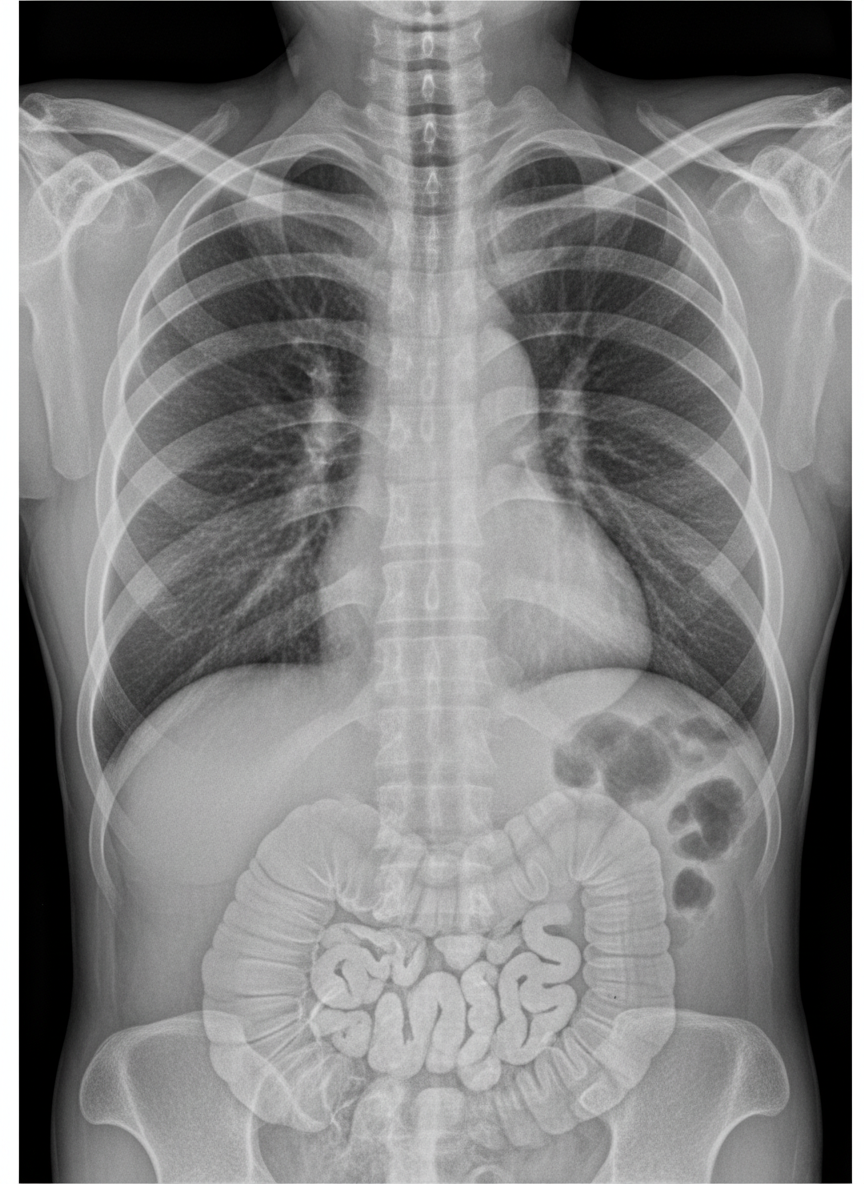
A 20-year-old male presents with multiple bruises on the anterior chest and abdominal regions. The attending surgeon suspects pneumoperitoneum and requests a chest X-ray. What is the best radiological view to detect pneumoperitoneum?
Information obtained by lateral plate X-ray pelvimetry includes all of the following EXCEPT:
Bear claw's sign is seen in which of the following conditions?
The 'spider leg' deformity in excretory urography is characteristic of which condition?
Medusa head appearance on abdominal X-ray indicates:
The 'Arrowhead Sign' on CT scan is a characteristic feature of which of the following conditions?
Explanation: **Explanation:** The measurement of Glomerular Filtration Rate (GFR) and Effective Renal Plasma Flow (ERPF) is a high-yield topic in nuclear medicine. While Inulin clearance is the "gold standard" for GFR, it is impractical for routine clinical use. Among the radiopharmaceuticals listed, **Tc99m-MAG3 (Mercaptoacetyltriglycine)** is considered the best method for estimating renal function in clinical practice, particularly in patients with impaired renal function. **Why Tc99m-MAG3 is the correct answer:** Tc99m-MAG3 is primarily secreted by the proximal tubules (95%) with minimal glomerular filtration. It has a high extraction fraction and rapid clearance, providing a high target-to-background ratio. This makes it superior for calculating the **ERPF** and, by extension, providing the most reliable assessment of overall renal function and drainage, especially in pediatric patients or those with renal insufficiency. **Analysis of Incorrect Options:** * **Iodohippurate (I-131 OIH):** Historically used to measure ERPF. However, it is rarely used today due to the high radiation dose from I-131 and poor image quality. * **Tc99m-DTPA (Diethylene Triamine Pentaacetic Acid):** This agent is filtered solely by the glomerulus. While it is used to measure **GFR**, its extraction fraction is low (only 20%), making it less accurate than MAG3 in patients with poor renal function or obstructive uropathy. * **Tc99m-DMSA (Dimercaptosuccinic Acid):** This is a **static** renal imaging agent. It binds to the proximal convoluted tubules and is used to visualize the renal cortex (e.g., detecting scars or pyelonephritis), not for measuring GFR or ERPF. **Clinical Pearls for NEET-PG:** * **Best agent for GFR:** Tc99m-DTPA (though MAG3 is clinically preferred for overall function). * **Best agent for ERPF:** Tc99m-MAG3 (replaced I-131 OIH). * **Best agent for Renal Morphology/Scarring:** Tc99m-DMSA. * **Diuretic Renography (Lasix Scan):** Usually performed with MAG3 to differentiate between obstructive and non-obstructive hydronephrosis.
Explanation: ### Explanation The evaluation of liver malignancies requires a multimodality approach to achieve accurate diagnosis, staging, and treatment planning. The correct answer is **All of the above** because each modality offers unique diagnostic advantages: 1. **Ultrasound (USG):** This is typically the **first-line screening tool**. It is excellent for differentiating between solid and cystic lesions and utilizing Doppler to assess vascular invasion (e.g., portal vein thrombosis in Hepatocellular Carcinoma). 2. **Computed Tomography (CT):** Specifically, **Triple-phase (or Quadruple-phase) Contrast-Enhanced CT** is the gold standard for diagnosing HCC. It identifies the classic "wash-in" (arterial enhancement) and "wash-out" (venous/delayed phase) patterns. 3. **Radionuclear Study (Nuclear Medicine):** While less common for primary diagnosis, specific scans are vital. **Technetium-99m sulfur colloid** scans show "cold spots" in most tumors, while **99mTc-labeled RBC scans** are the most specific for Hemangiomas. **PET-CT** is increasingly used to detect extrahepatic metastases and monitor recurrence. **Why other options are not "wrong" but incomplete:** Options A, B, and C are all valid tools used in clinical practice. Since the question asks which modalities *can* be used, and all three play a role in the diagnostic algorithm, "All of the above" is the most comprehensive choice. **High-Yield Clinical Pearls for NEET-PG:** * **HCC Hallmark:** Arterial phase enhancement with portal venous/delayed phase washout. * **MRI:** The most sensitive modality for detecting small lesions (<2cm) and characterizing focal nodular hyperplasia (FNH) using hepatobiliary-specific agents like Gadoxetate disodium (Eovist). * **Alpha-Fetoprotein (AFP):** The primary tumor marker used in conjunction with imaging for HCC surveillance. * **"Hot spot" on Sulfur Colloid Scan:** Characteristic of Focal Nodular Hyperplasia (FNH) due to the presence of Kupffer cells.
Explanation: **Explanation:** The **Mercedes Benz sign** is a classic radiological finding associated with **gallstones (cholelithiasis)**. It refers to a triradiate, star-shaped pattern of radiolucency (gas) seen within a gallstone on an X-ray or CT scan. **1. Why Gallstones is correct:** This sign occurs due to the formation of **nitrogen-filled fissures** within a cholesterol gallstone. As the stone forms, small cracks or clefts develop in its center; these voids are filled with gas (primarily nitrogen). On imaging, these gas-filled fissures resemble the three-pointed star logo of the Mercedes-Benz motor company. This phenomenon is also known as the **vacuum phenomenon** within a calculus. **2. Why other options are incorrect:** * **Pneumoperitoneum:** Characterized by signs like the *Rigler sign* (gas on both sides of the bowel wall) or the *Football sign* (large volume of free air), but not a triradiate gas pattern within a structure. * **Ileocecal Tuberculosis:** Typically presents with the *Stierlin sign* (rapid emptying of the inflamed cecum) or the *Goose-neck deformity* on barium studies. * **Acute Pancreatitis:** Associated with the *Sentinel loop* (localized ileus) or the *Colon cut-off sign* on plain X-rays, and fat stranding or necrosis on CT. **3. High-Yield Clinical Pearls for NEET-PG:** * **Mercedes Benz Sign:** Nitrogen gas in cholesterol gallstones. * **Phrygian Cap:** A common anatomical variant where the gallbladder fundus is folded over the body. * **Porcelain Gallbladder:** Intramural calcification of the gallbladder wall; associated with an increased risk of gallbladder carcinoma. * **WES Triad (Wall-Echo-Shadow):** The classic USG finding for a gallbladder packed with stones.
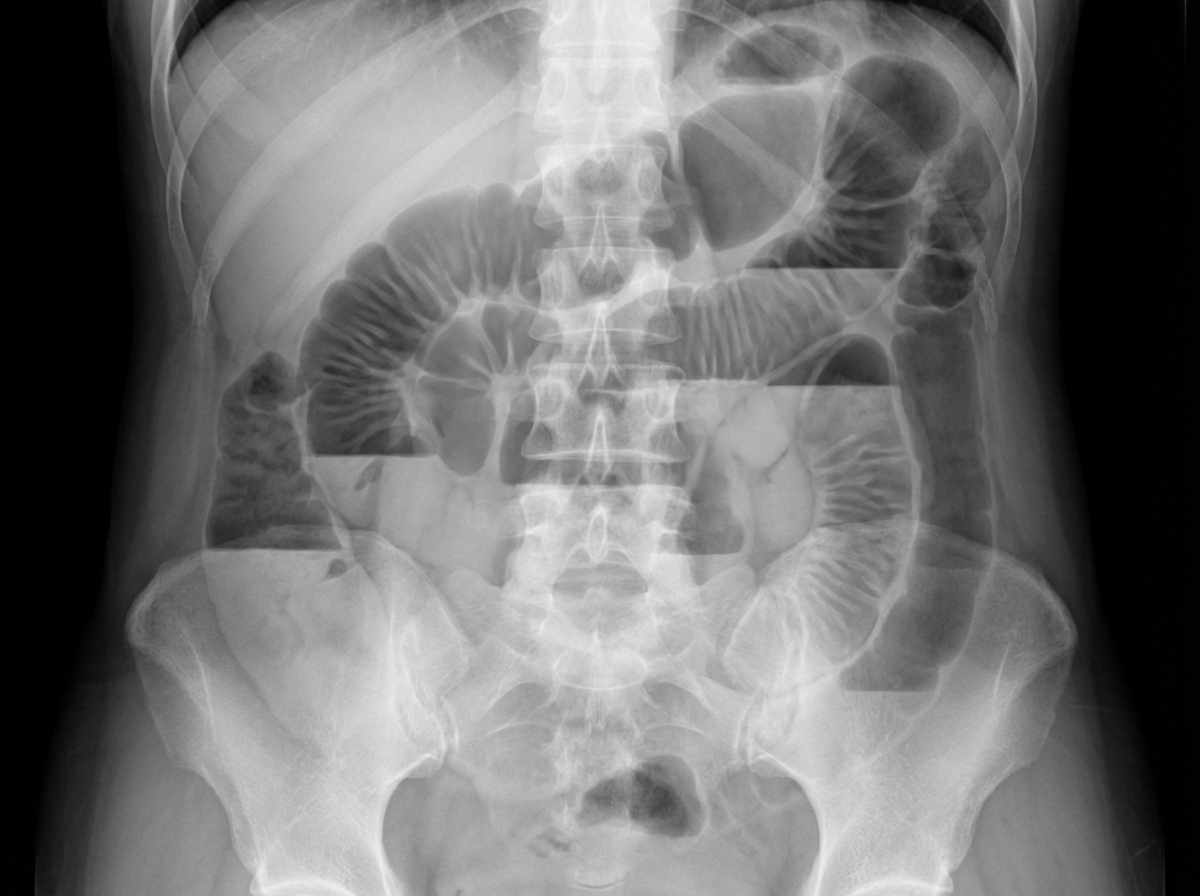
Explanation: **Explanation:** The **"Pipe stem" (or Lead pipe) appearance** is a classic radiological sign of **Chronic Ulcerative Colitis (UC)** seen on a barium enema. This appearance occurs due to the loss of normal haustral markings, shortening of the colon, and narrowing of the bowel lumen. The underlying pathology involves chronic inflammation leading to mucosal hypertrophy and fibrosis of the muscularis propria, making the colon appear as a rigid, featureless tube. **Analysis of Options:** * **Ulcerative Colitis (Correct):** In the chronic stage, the colon loses its redundancy and haustra, resulting in the "lead pipe" look. Other findings include "granular mucosa" (early) and "pseudopolyps." * **Crohn’s Disease:** Characterized by "String sign of Kantor" (due to terminal ileal spasm/stricture), "Cobblestone appearance" (due to deep longitudinal fissures), and "Skip lesions." It typically involves the entire bowel wall (transmural). * **Schistosomiasis:** While it can cause colonic strictures and polyps, it does not typically present with the diffuse, symmetrical loss of haustra seen in UC. * **Carcinoma of the Colon:** Classically presents as an **"Apple core lesion"** or a "Napkin ring sign," representing a short, irregular, circumferential narrowing of the lumen with overhanging edges. **High-Yield Clinical Pearls for NEET-PG:** * **Backwash Ileitis:** Involvement of the terminal ileum in UC (occurs in ~10% of cases). * **Toxic Megacolon:** A life-threatening complication of UC where the colon diameter exceeds 6 cm. * **Stove-pipe appearance:** Another synonym for the lead pipe appearance in chronic UC. * **Thumbprinting:** Seen in Ischemic Colitis due to mucosal edema/hemorrhage.
Explanation: **Explanation:** **1. Why Erect Chest X-ray is the Correct Answer:** The Erect Chest X-ray (CXR) is the gold standard and most sensitive initial screening tool for detecting pneumoperitoneum. Free air in the peritoneal cavity (extraluminal air) naturally rises to the highest point due to gravity. In the upright position, this air collects under the domes of the diaphragm, appearing as a thin, radiolucent crescent (the **"Gas under Diaphragm"** sign). An erect CXR is preferred over an erect abdominal film because the diaphragm is better visualized, and even as little as **1–2 ml of free air** can be detected. **2. Analysis of Incorrect Options:** * **Left lateral decubitus with horizontal beam (Option B):** This is the **second-best** alternative. It is used when the patient is too unstable to stand or sit. Air rises to collect between the liver and the right lateral abdominal wall. * **Right lateral decubitus with horizontal beam (Option A):** This is incorrect because air would collect between the stomach/spleen and the left lateral wall. This makes it difficult to distinguish free air from the normal gastric fundus gas bubble. * **Left lateral decubitus with vertical beam (Option D):** A vertical beam in a decubitus position does not allow air to layer against the body wall in a way that creates a tangential interface, making it ineffective for detecting small amounts of free air. **3. High-Yield Clinical Pearls for NEET-PG:** * **Rigler’s Sign:** Visualization of both the inner and outer walls of the bowel loop due to free air (requires large amounts of air). * **Football Sign:** A large ovoid radiolucency seen on a supine film in massive pneumoperitoneum. * **Cupola Sign:** Air trapped under the central tendon of the diaphragm. * **Positioning:** For a lateral decubitus film, the patient should remain in that position for **10–20 minutes** before the X-ray to allow air to migrate.
Explanation: **Explanation:** The correct answer is **C. Bispinous diameter**. **Why Bispinous diameter is the correct answer:** Pelvimetry via X-ray is performed in two main views: the **Lateral view** and the **Anteroposterior (AP) view**. The bispinous diameter (the distance between the two ischial spines) represents the narrowest part of the pelvic outlet in the **transverse plane**. Because this measurement runs from left to right across the pelvis, it can only be visualized and measured on an **AP view** (specifically the Chassard-Lapiné view or Thoms’ view). On a lateral plate, the two ischial spines are superimposed on each other, making it impossible to measure the distance between them. **Why the other options are incorrect:** The lateral plate X-ray is excellent for evaluating the **sagittal plane** of the pelvis: * **Sacral curve:** The lateral view clearly shows the hollow of the sacrum and its curvature (e.g., flat vs. well-curved). * **True conjugate:** This is the anteroposterior diameter of the pelvic inlet (from the sacral promontory to the upper inner margin of the symphysis pubis), which is best measured on a lateral film. * **Inclination of the pelvis:** This refers to the angle the pelvic inlet makes with the horizontal plane, easily assessed from the side. **Clinical Pearls for NEET-PG:** * **Obstetric Conjugate:** The most important AP diameter of the inlet; it is the shortest distance between the promontory and the symphysis (usually 10.5 cm). * **Intertuberous diameter:** Measured clinically using the closed fist (Knuckle test) between the ischial tuberosities. * **Clinical Status:** Routine X-ray pelvimetry is now largely obsolete in modern obstetrics due to radiation concerns and poor predictive value for cephalopelvic disproportion (CPD); MRI pelvimetry is the preferred imaging modality if required.
Explanation: **Explanation:** The **Bear Claw Sign** is a classic radiological sign seen on a CT scan of the abdomen in the setting of blunt trauma. It refers to the appearance of multiple, parallel, linear low-attenuation tracks (lacerations) within the liver parenchyma. These tracks resemble the marks left by a bear's claws. * **Why Liver Lacerations is correct:** In blunt abdominal trauma, the liver is one of the most commonly injured organs. On a contrast-enhanced CT (CECT), these lacerations appear as jagged, non-enhancing linear or branching zones. When multiple such lacerations are grouped together, they create the "Bear Claw" appearance, indicating significant parenchymal disruption. **Analysis of Incorrect Options:** * **IgA Nephropathy & Glomerular Nephritis:** These are medical renal diseases. Diagnosis is primarily clinical and histological (via biopsy). Radiology typically shows non-specific findings like increased cortical echogenicity on ultrasound, not "claw" signs. * **Xanthogranulomatous Pyelonephritis (XGP):** This condition is associated with the **"Bear Paw Sign"** (not Bear Claw). In XGP, the renal pelvis is contracted by a staghorn calculus, and the dilated calyces filled with inflammatory debris resemble the pads of a bear's paw on CT. **Clinical Pearls for NEET-PG:** * **Bear Claw Sign:** Liver Laceration (Trauma). * **Bear Paw Sign:** Xanthogranulomatous Pyelonephritis (Chronic Infection). * **Liver Trauma Grading:** Uses the AAST (American Association for the Surgery of Trauma) scale; CT is the gold standard for stable patients. * **Most common organ injured in blunt trauma:** Spleen (overall), though some series suggest Liver is equally common. In penetrating trauma, the Liver is most common.
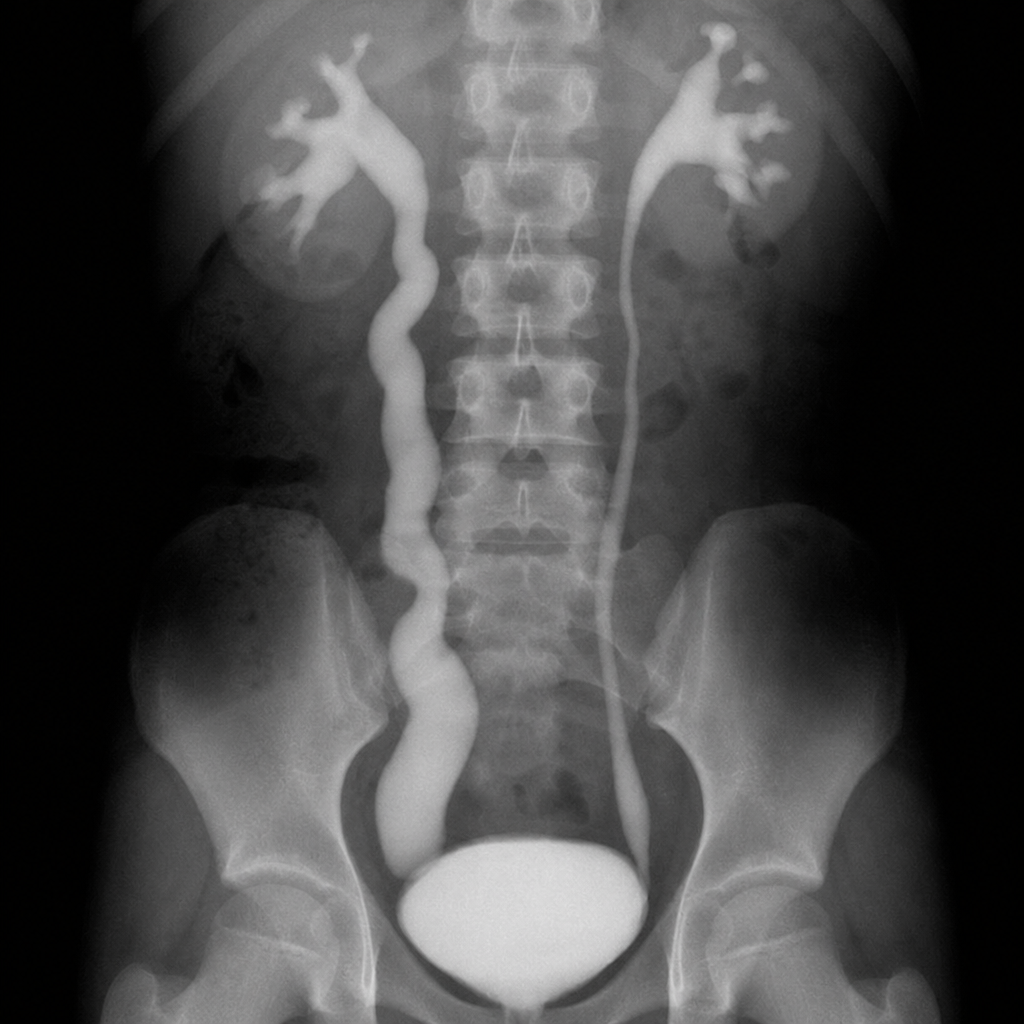
Explanation: ### Explanation **Correct Answer: B. Polycystic kidney disease** The **'Spider leg' appearance** is a classic radiological sign seen on an Excretory Urogram (IVP) in patients with **Autosomal Dominant Polycystic Kidney Disease (ADPKD)**. **Pathophysiology:** In ADPKD, the renal parenchyma is replaced by multiple large, expanding cysts. These cysts exert pressure on the internal collecting system, leading to the **elongation, thinning, and stretching** of the renal calyces. On a contrast study, these stretched, spindly calyces resemble the long, thin legs of a spider. **Analysis of Incorrect Options:** * **A. Hydronephrosis:** Characterized by the **'Clubbing' of calyces**. The minor calyces lose their normal concavity (cupping) and become convex or globular due to backpressure. * **C. Ureterocele:** Classically shows a **'cobra head' or 'spring onion' sign**, representing the cystic dilatation of the distal intramural ureter protruding into the bladder. * **D. Renal agenesis:** This refers to the congenital absence of a kidney; therefore, no collecting system would be visualized on an IVP to form any deformity. **High-Yield Clinical Pearls for NEET-PG:** * **ADPKD Associations:** Often associated with **Berry aneurysms** (Circle of Willis), hepatic cysts, and mitral valve prolapse. * **Swiss Cheese Appearance:** The characteristic appearance of polycystic kidneys on **nephrotomography**. * **Reversed '3' or 'E' sign:** Seen on the medial border of the duodenum in cases of associated pancreatic cysts (rare). * **Imaging Choice:** While IVP shows the spider leg deformity, **Ultrasonography** is the initial screening modality of choice, and **MRI** is the most sensitive for monitoring cyst volume.
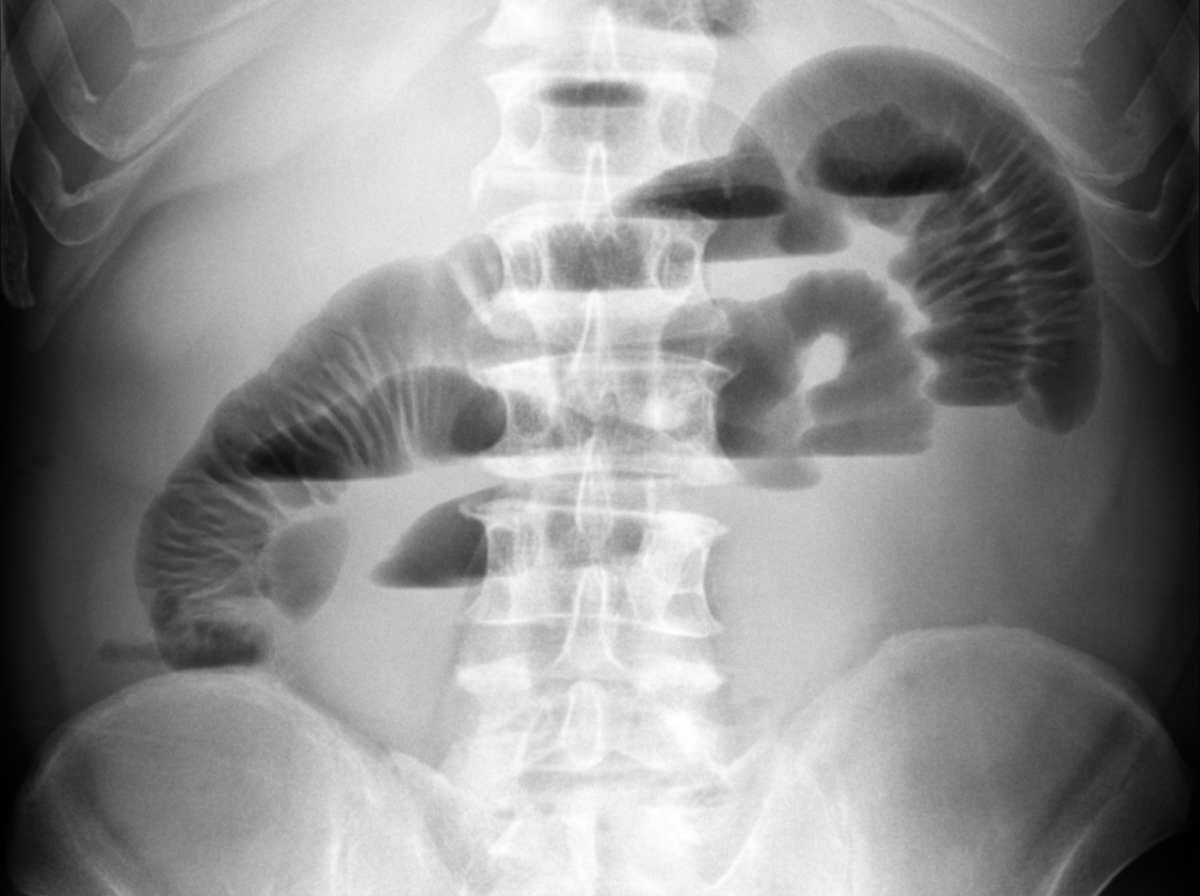
Explanation: **Explanation:** The **"Medusa head appearance"** (also known as the "whirlpool sign" or "bundle of sticks") is a classic radiological sign of **Ascariasis (Roundworm)** infestation caused by *Ascaris lumbricoides*. **Why Roundworm is Correct:** When a large number of adult roundworms aggregate within the lumen of the small intestine, they can be visualized on a plain abdominal X-ray. The worms appear as elongated, tubular filling defects. When seen in a tangled mass or longitudinal bundles, they mimic the hair of the Greek mythological figure Medusa. If the patient has recently ingested barium, the contrast may enter the enteric canal of the worms, making them appear as thin white lines within the intestinal lumen. **Why Other Options are Incorrect:** * **Tapeworm (Taenia):** These are flat, segmented worms. While they can be long, they do not typically form the dense, tubular bundles required to produce the Medusa head appearance on X-ray. * **Amoebiasis:** This is caused by a protozoan (*Entamoeba histolytica*). It primarily affects the colon, leading to ulcers or an "amoeboma" (a mass-like lesion), but it does not present as discrete worm-like structures on imaging. **High-Yield Clinical Pearls for NEET-PG:** * **Barium Study Signs:** Look for the **"Railway track sign"** (two parallel lines of barium) or the **"String sign"** (barium within the worm's gut). * **Complications:** Ascaris is a leading cause of **mechanical bowel obstruction** in children in endemic areas. * **Ultrasonography:** On USG, roundworms show a **"Target sign"** in cross-section and a **"Trident sign"** or "Tube-within-a-tube" appearance in longitudinal section. * **Loeffler’s Syndrome:** Transient pulmonary infiltrates with peripheral eosinophilia caused by the migration of Ascaris larvae through the lungs.
Explanation: ### Explanation **1. Why Acute Appendicitis is Correct:** The **Arrowhead Sign** is a specific CT finding in acute appendicitis. It is visualized when oral or rectal contrast is administered and pools in the cecal apex, pointing directly toward the orifice of the occluded appendix. The sign is created by the focal thickening of the cecal wall (typhlitis) at the base of the appendix, which funnels the contrast into an arrowhead shape. This indicates that the appendiceal lumen is obstructed, preventing contrast from entering the appendix itself. **2. Why the Other Options are Incorrect:** * **Ileocecal Tuberculosis:** Typically presents with a "Conical Cecum" (shrunken, narrow cecum) or the "Fleischner Sign" (inverted umbrella appearance of the ileocaecal valve) due to fibrosis and ulceration. * **Crohn’s Disease:** Characteristic CT findings include the "String Sign" (marked luminal narrowing), "Comb Sign" (prominent vasa recta), and "Fat Halo Sign" (submucosal fat deposition). * **Chronic Pelvic Inflammatory Disease:** Often shows hydrosalpinx or a "Tubovarian Complex/Abscess" on imaging, but does not involve the cecal arrowhead configuration. **3. Clinical Pearls for NEET-PG:** * **Cecal Bar Sign:** Another CT sign of appendicitis where a curved soft tissue band separates the contrast-filled cecum from the appendiceal base. * **Most Sensitive Imaging:** While Ultrasound is the initial investigation (especially in children/pregnant women), **Contrast-Enhanced CT (CECT)** is the gold standard for diagnosing appendicitis in adults (Sensitivity >95%). * **Key CT Criteria:** Appendiceal diameter **>6 mm**, wall thickening, and periappendiceal fat stranding.
Imaging of Liver
Practice Questions
Biliary Tract Imaging
Practice Questions
Pancreatic Imaging
Practice Questions
Spleen and Lymphatic System
Practice Questions
Gastrointestinal Tract Imaging
Practice Questions
Renal and Urinary Tract Imaging
Practice Questions
Adrenal Imaging
Practice Questions
Female Pelvic Imaging
Practice Questions
Male Pelvic Imaging
Practice Questions
Abdominal Trauma Imaging
Practice Questions
Acute Abdomen Imaging
Practice Questions
Imaging of Peritoneal Cavity and Retroperitoneum
Practice Questions
Get full access to all questions, explanations, and performance tracking.
Start For Free