
Community Integration Strategies — MCQs

Which of the following is a validated screening tool for alcohol use disorder?
In which of the following conditions is behavioral therapy most commonly utilized?
Best therapy suited to teach daily life skills to a child with intellectual disability:
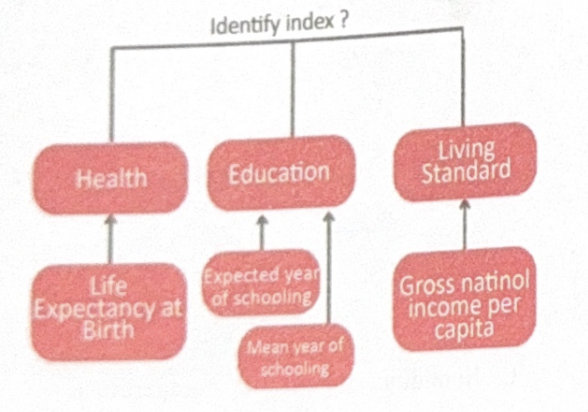
Identify the index?
India is a country with different cultures and diverse languages. Which steps should a physician take to address the patient for better outcomes? 1. Insist on good communication 2. Insist on communication only via an interpreter 3. Treat them regardless of their cultural perceptions 4. The physician should consider the patient's religion and cultural perception Select the correct combination:
A research team evaluates two rehabilitation programs: Program A focuses on symptom reduction and medication compliance, while Program B emphasizes recovery principles, personal goals, and community integration. At 2-year follow-up, Program B shows better employment rates and quality of life despite similar symptom scores. What is the best interpretation of these findings for future program development?
A mental health administrator is designing a community-based rehabilitation program for a district with limited resources. The target population includes patients with chronic schizophrenia and bipolar disorder. Considering cost-effectiveness and evidence-based practices, which model should be prioritized for implementation?
A 35-year-old man with treatment-resistant schizophrenia shows persistent negative symptoms despite optimal clozapine therapy. He has intact basic self-care but lacks motivation, shows social withdrawal, and has no vocational engagement. On analyzing his rehabilitation needs, which intervention strategy would address the primary deficit?
A rehabilitation team is evaluating outcomes for their psychiatric rehabilitation program. They observe that while symptom scores have improved, patients report no improvement in quality of life or social functioning. What does this finding most likely indicate?
A 28-year-old female with bipolar disorder, currently euthymic on mood stabilizers, wishes to return to work after a 2-year gap. She has residual cognitive difficulties with attention and executive function. Which vocational rehabilitation model would be most evidence-based for her?
Want unlimited practice?
Get full access to all questions, explanations, and performance tracking.
Scan to download app