
High Altitude Physiology — MCQs

Compensating mechanism involved in acclimatization to altitude is:
Which drug is given to prevent acute mountain sickness?
Which of the following is seen in high altitude climbers?
What is the most immediate hematological adaptation that occurs during high-altitude exposure to improve oxygen delivery to tissues?
A hyperventilating patient has the following ABG values: pH=7.53, pCO2=20 mmHg, HCO3= 26 mEq/L. What is the most likely diagnosis?
Which equation is used to calculate physiological dead space?
What is the primary effect of acetazolamide at high altitudes?
Which physiological adaptation does not happen at high altitudes?
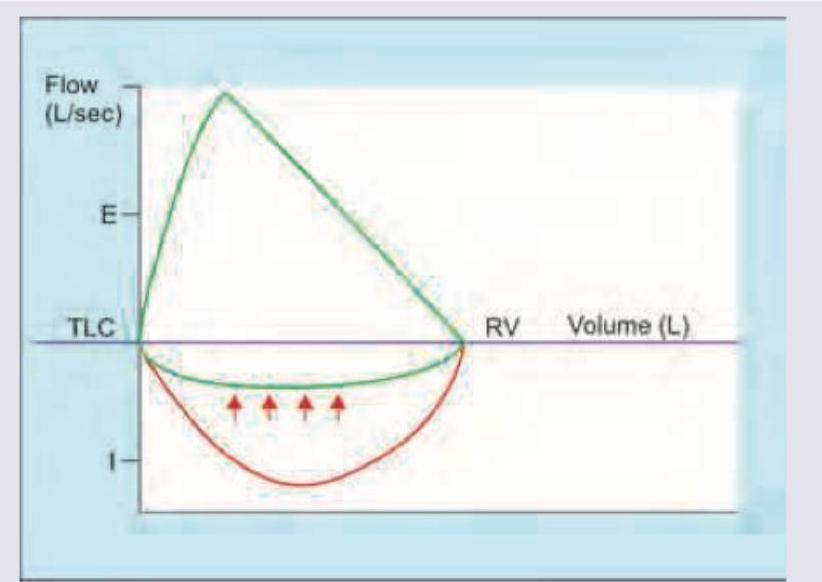
Which flow volume curve recording is shown below?
During heavy exercise the cardiac output (CO) increases up to five fold while pulmonary arterial pressure rises very little. This physiological ability of the pulmonary circulation is best explained by
Want unlimited practice?
Get full access to all questions, explanations, and performance tracking.
Scan to download app