
Receptor-Ligand Interactions — MCQs

Which of the following is a G protein coupled receptor?
Which of the following best demonstrates the variability in drug responsiveness among individuals?
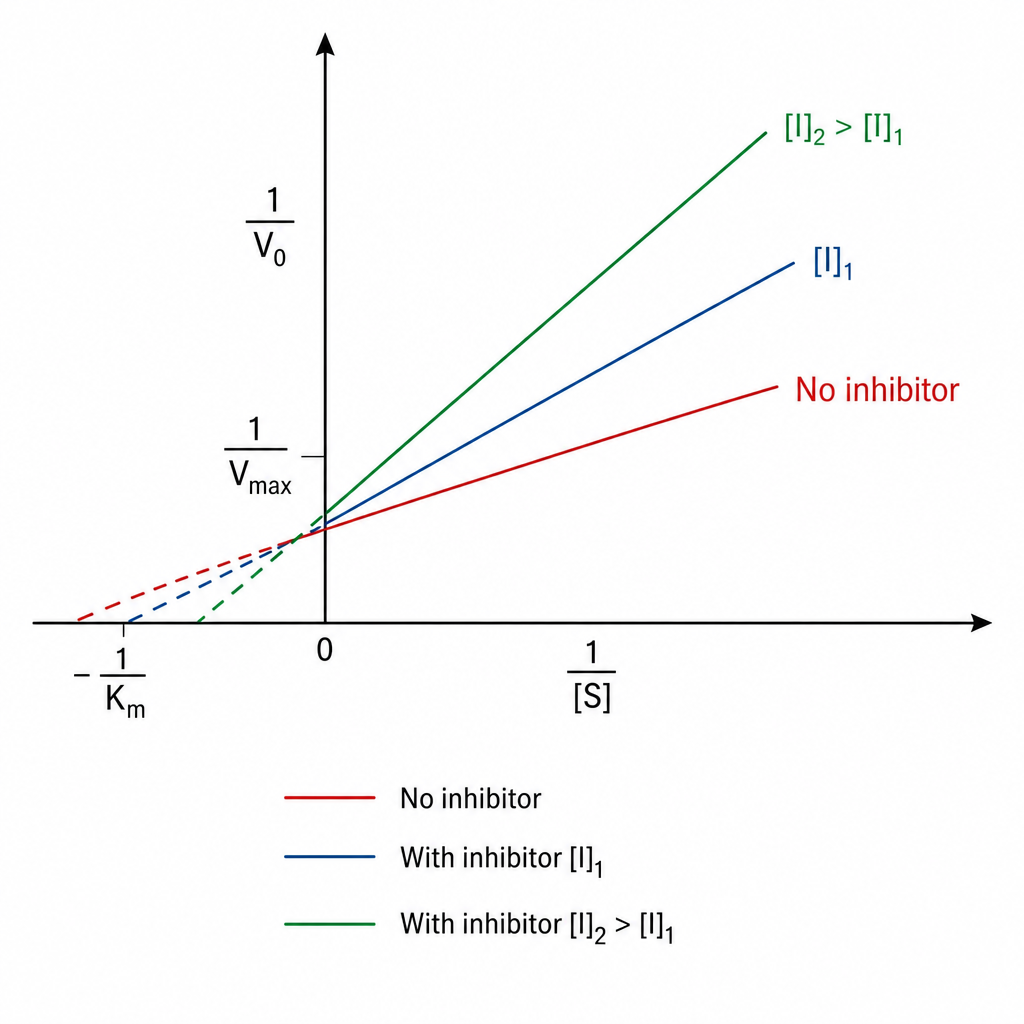
Identify the type of inhibition exhibited by A?
Which of the following statements best describes the mechanism of action of insulin on target cells?
All these hormones primarily use cyclic adenosine monophosphate (cAMP) as their main second messenger pathway, except:
G-protein coupled receptor that does not act through opening of potassium channels is:
What is the primary mechanism of action of opioids in pain management?
All the following mediate their action using cAMP as second messenger except:
Thyroid hormone binds to which receptor ?
A novel drug is designed to treat a genetic disorder caused by a nonsense mutation in the dystrophin gene. The drug works by allowing the ribosome to skip over the premature stop codon and continue translation. Evaluation of this therapeutic strategy reveals partial restoration of dystrophin protein with 60% of normal length but sufficient function. What is the most critical molecular consideration in determining if this approach will be clinically beneficial?
Want unlimited practice?
Get full access to all questions, explanations, and performance tracking.
Scan to download app