
Stress Response and Adaptation — MCQs

Cortisol increases all of the following components except:
Which neurotransmitter deficit is MOST consistently implicated as the primary mechanism in the pathophysiology of depression?
In surgical stress all hormones are increased except:
Which hormone is NOT increased in stress?
A patient with a pheochromocytoma is secreting large amounts of norepinephrine into the bloodstream. In a normal individual, this compound is usually released from the adrenal medulla in response to which of the following?
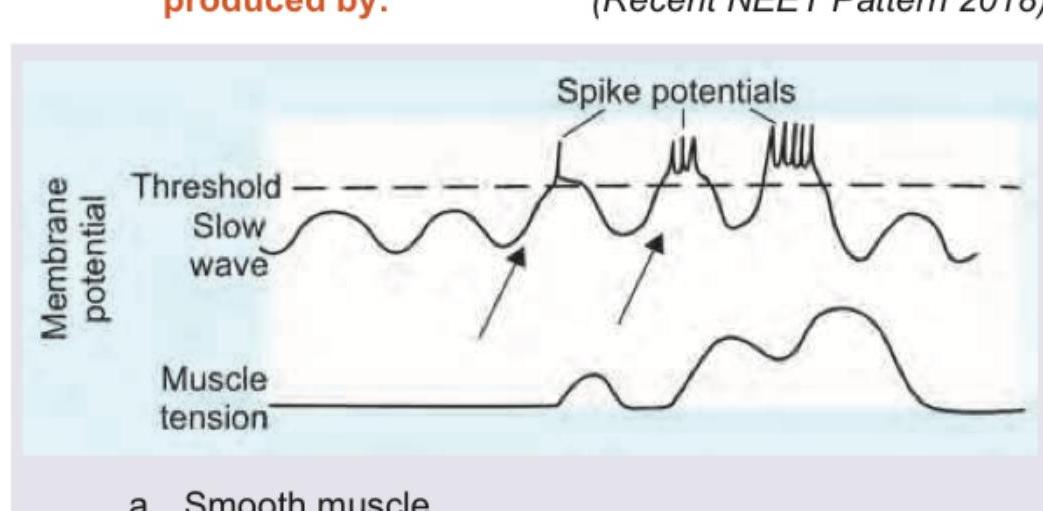
The following marked recordings in GIT are produced by:
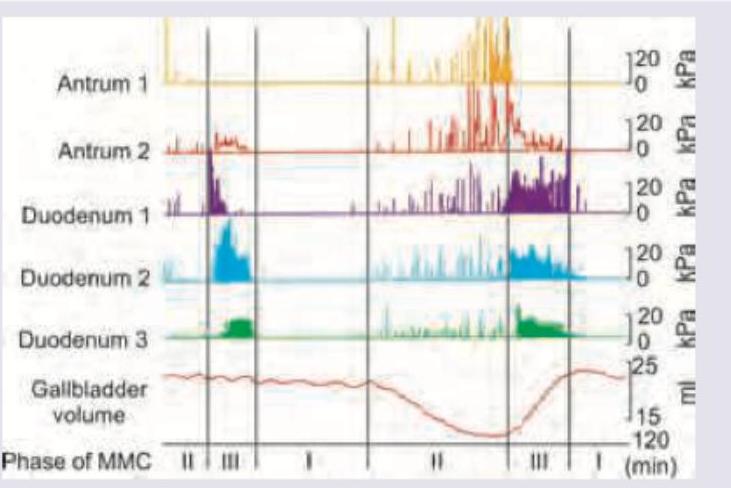
The image shows migrating motor complexes in various parts of gut. Identify the correct statement.
All of the following are physiological responses to smoking, EXCEPT:
All of the following changes occur in chronic starvation except?
In a patient with severe dehydration, which of the following compensatory mechanisms work together to restore blood volume and maintain hemodynamic stability?
Want unlimited practice?
Get full access to all questions, explanations, and performance tracking.
Scan to download app