
Edema Formation Mechanisms — MCQs

A patient with heart failure presents with worsening peripheral edema. Which of the following mechanisms contributes most directly to this finding?
A 65M presents with worsening dyspnea and leg swelling. Physical examination reveals an elevated jugular venous pressure and bilateral lower extremity pitting edema. Most likely cause of his symptoms?
Interstitial fluid volume can be measured by:
Calculate net filtration pressure with the following data: PGC = 42 mm Hg, πGC = 12 mm Hg, PBC = 16 mm Hg. Assume that no proteins were filtered.
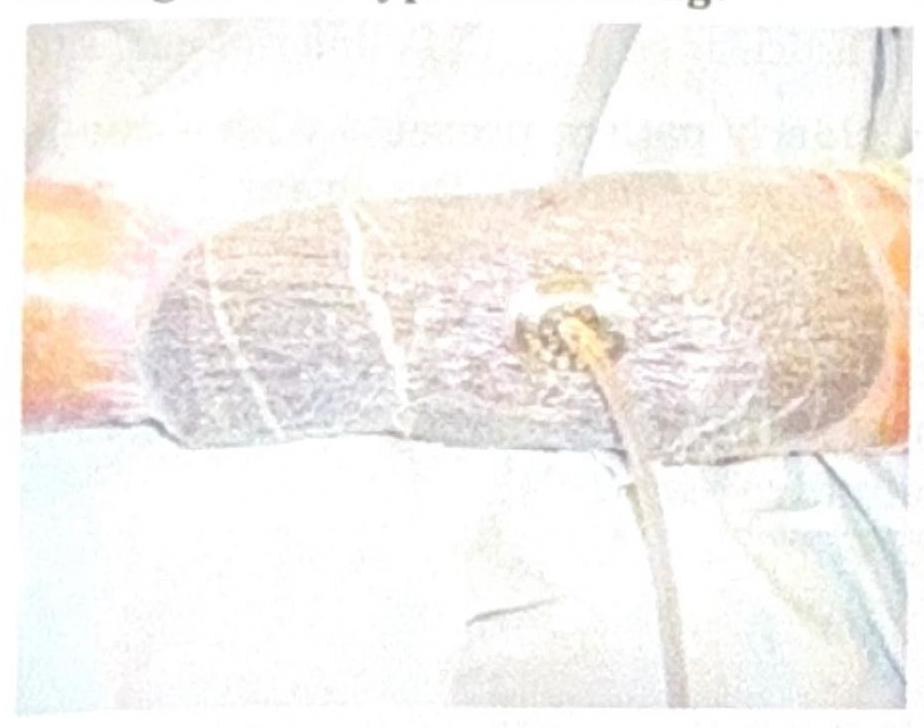
The image shows a Negative Pressure Wound Therapy (NPWT) dressing applied to a patient's wound. What is the ideal negative pressure range commonly used for NPWT to promote wound healing?
In uveitis, site of keratic precipitate is:
A 50-year-old female with a 50 kg body weight suffered burns after a pressure cooker blast, involving 45% of her total body surface area. How much fluid should be given in the first 8 hours?
A 50 kg woman is brought to the emergency department with severe burns. It is estimated that partial thickness and full thickness burns (second and third degree) cover 60% of the total body surface area (TBSA). What is the rate of fluid resuscitation to be given in the first 8 hours?
Which of the following best describes the mechanism of action of Lubiprostone?
GFR is increased by all except?
Want unlimited practice?
Get full access to all questions, explanations, and performance tracking.
Scan to download app