
Venous Return and Central Venous Pressure — MCQs

IV fluid replacement (volume & rate) in a trauma patient is determined by:
Kussmaul's sign is classically described in:
The largest component of the total peripheral resistance is due to:
A patient presents to you with an irregularly irregular pulse of 120/minutes and a pulse deficit of 20. Which of the following would be the jugular venous pressure (JVP) finding?
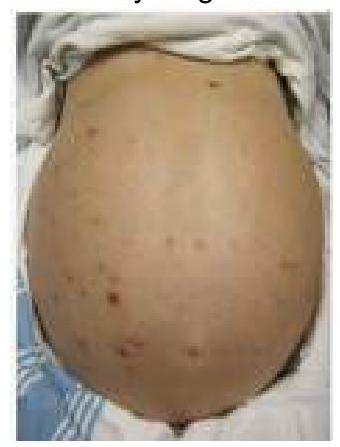
Best indicator to determine fluid required in hypovolemic patient is
Which of the following is a characteristic hemodynamic finding in pericardial tamponade?
What is the physiological effect of very high positive end-expiratory pressure in a patient with respiratory distress?
Decreased CVP is seen in
Mean arterial pressure depends on which of the following?
The central venous pressure (CVP) is low in
Want unlimited practice?
Get full access to all questions, explanations, and performance tracking.
Scan to download app