
Pediatric Dosing Principles — MCQs

Pseudotumor Cerebri in Infants is seen with?
Which of the following drugs can cause cartilage damage in children?
What is the mechanism of metabolism for alcohol, aspirin, and phenytoin at high doses?
A 70 kg man was given a drug with a dose of 100 mg/kg body weight, twice daily. The half-life (t1/2) is 10 hours, the plasma concentration is 1.9 mg/mL, and the clearance is unknown. What is the clearance of this drug?
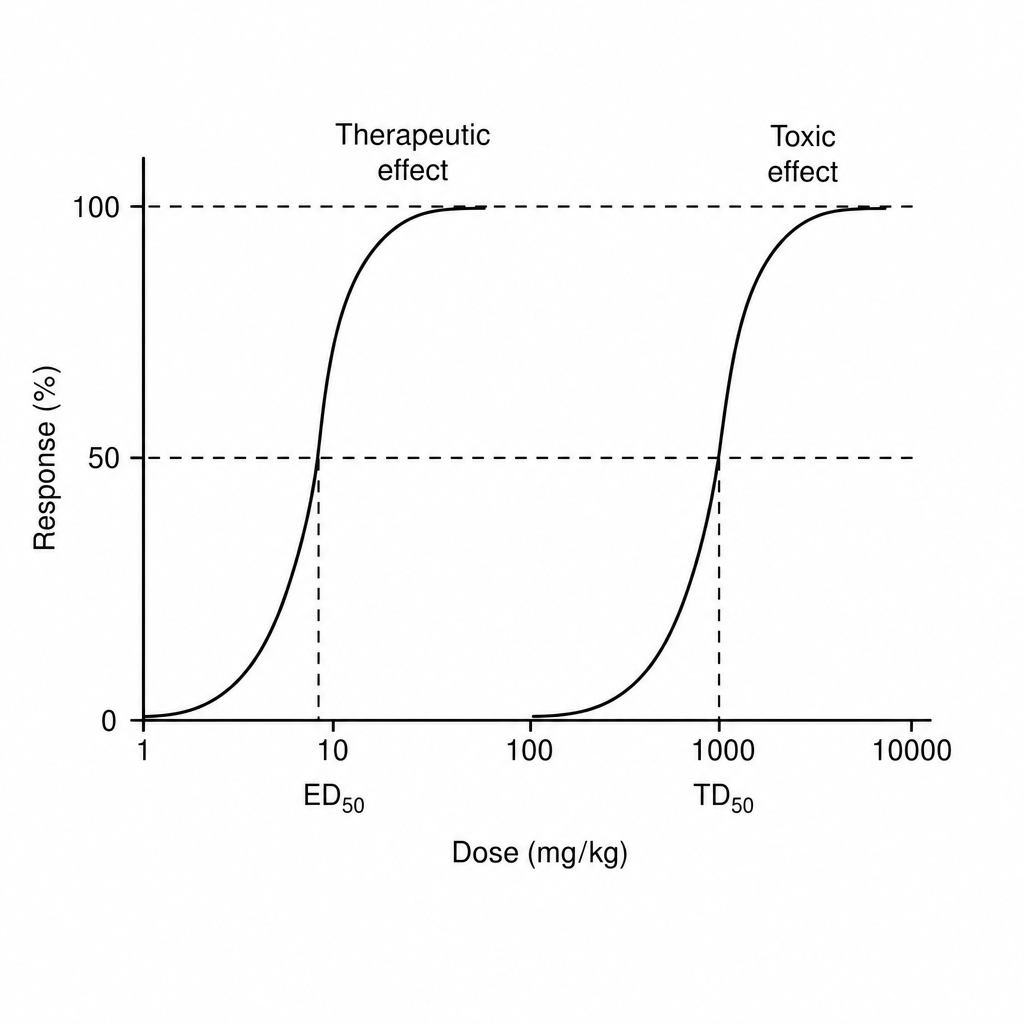
Find therapeutic index of drug from the information given below in the graph
A pediatric patient presents with a 45-minute history of continuous convulsions. The senior resident (SR) recommends IV lorazepam, but the junior resident (JR) is unable to secure IV access. What is the next best step in management?
EDD ( Expected Date of Delivery) is calculated by:
2 year old child with length 85cm and weight of 11kg was found to have serum urea of 49mg/dl, serum creatinine 2mg/dl What is the estimated GFR of this child, as per Schwartz formula?
For the treatment of kala-azar, the daily dose of miltefosine in a 3-year-old child who weighs 15 kg is
One year old male child with cat's reflex and raised IOP. What is the most likely diagnosis?
Want unlimited practice?
Get full access to all questions, explanations, and performance tracking.
Scan to download app