
Age-Related Changes in Pharmacokinetics — MCQs

Which of the following medications is a first-line antitubercular drug used routinely in children of all age groups without significant monitoring limitations?
Low apparent volume of distribution of drug indicates that:
Volume of distribution of a drug is 500 ml and target concentration of drug in blood is 5 g/L. 20% of administered drug is reached to systemic circulation. What will be the loading dose of that drug -
A 70 kg man was given a drug with a dose of 100 mg/kg body weight, twice daily. The half-life (t1/2) is 10 hours, the plasma concentration is 1.9 mg/mL, and the clearance is unknown. What is the clearance of this drug?
Which of the following drugs is known to have low first pass metabolism?
A drug is more likely to cause toxicity in elderly patients due to all of the following reasons except which of the following?
In which of the following conditions is digoxin most likely to accumulate to toxic levels?
2 year old child with length 85cm and weight of 11kg was found to have serum urea of 49mg/dl, serum creatinine 2mg/dl What is the estimated GFR of this child, as per Schwartz formula?
Which of the following is excreted in saliva?
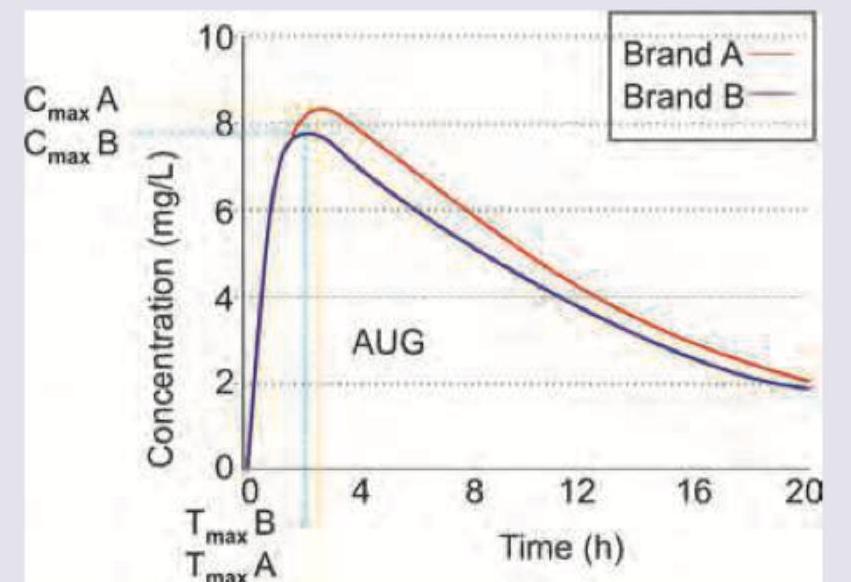
Brand A of liposomal amphotericin B is of innovator company and brand B is of a generic company. AUC of Brand A is 124 mg.h/L and AUC of brand B is 115 mg.h/L. Which of the following statements is correct?
Want unlimited practice?
Get full access to all questions, explanations, and performance tracking.
Scan to download app