
Thrombolytic Agents — MCQs

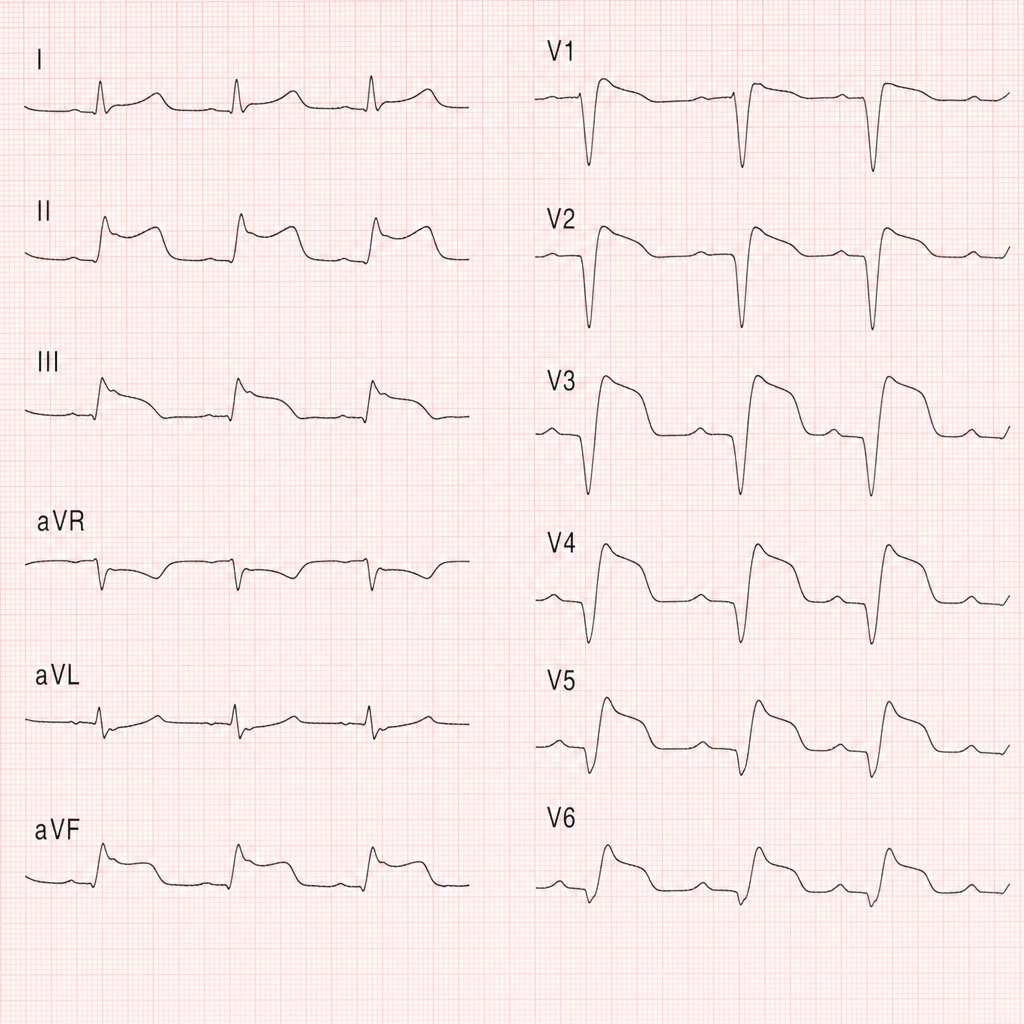
A 55-year-old diabetic presents with chest pain, shortness of breath, and diaphoresis. ECG shows ST elevation. What is the next best step?
Bleeding crisis in acute idiopathic thrombo-cytopenic purpura is managed by all except -
A 60-year-old man with atrial fibrillation presents with sudden right arm and leg weakness, speech loss, and right facial droop that started 2 hours ago. CT scan shows no bleeding. What is the next step in management?
Which of these is not a risk factor for thromboembolism -
Match the following drugs in Column A with their contraindications in Column B. | Column A | Column B | | :-- | :-- | | 1. Morphine | 1. QT prolongation | | 2. Amiodarone | 2. Thromboembolism | | 3. Vigabatrin | 3. Pregnancy | | 4. Estrogen preparations | 4. Head injury |
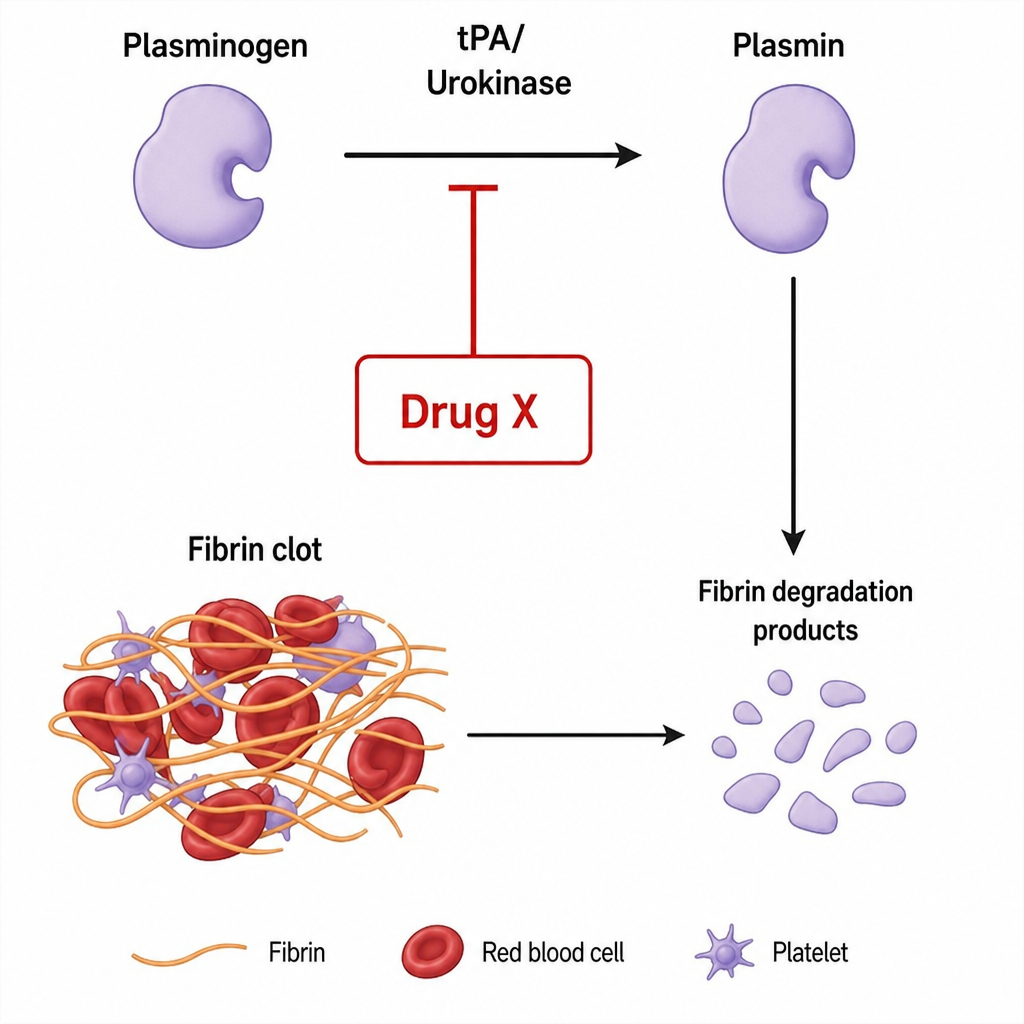
Which of the following is represented in the below figure by drug X?
Partial thromboplastin time (PTT) correlates with which pathway or function?
The Renal function is best assessed by:
All are used to produce controlled hypotension except
What is the best treatment for anemia in patients with Chronic Renal Failure (CRF)?
Want unlimited practice?
Get full access to all questions, explanations, and performance tracking.
Scan to download app